
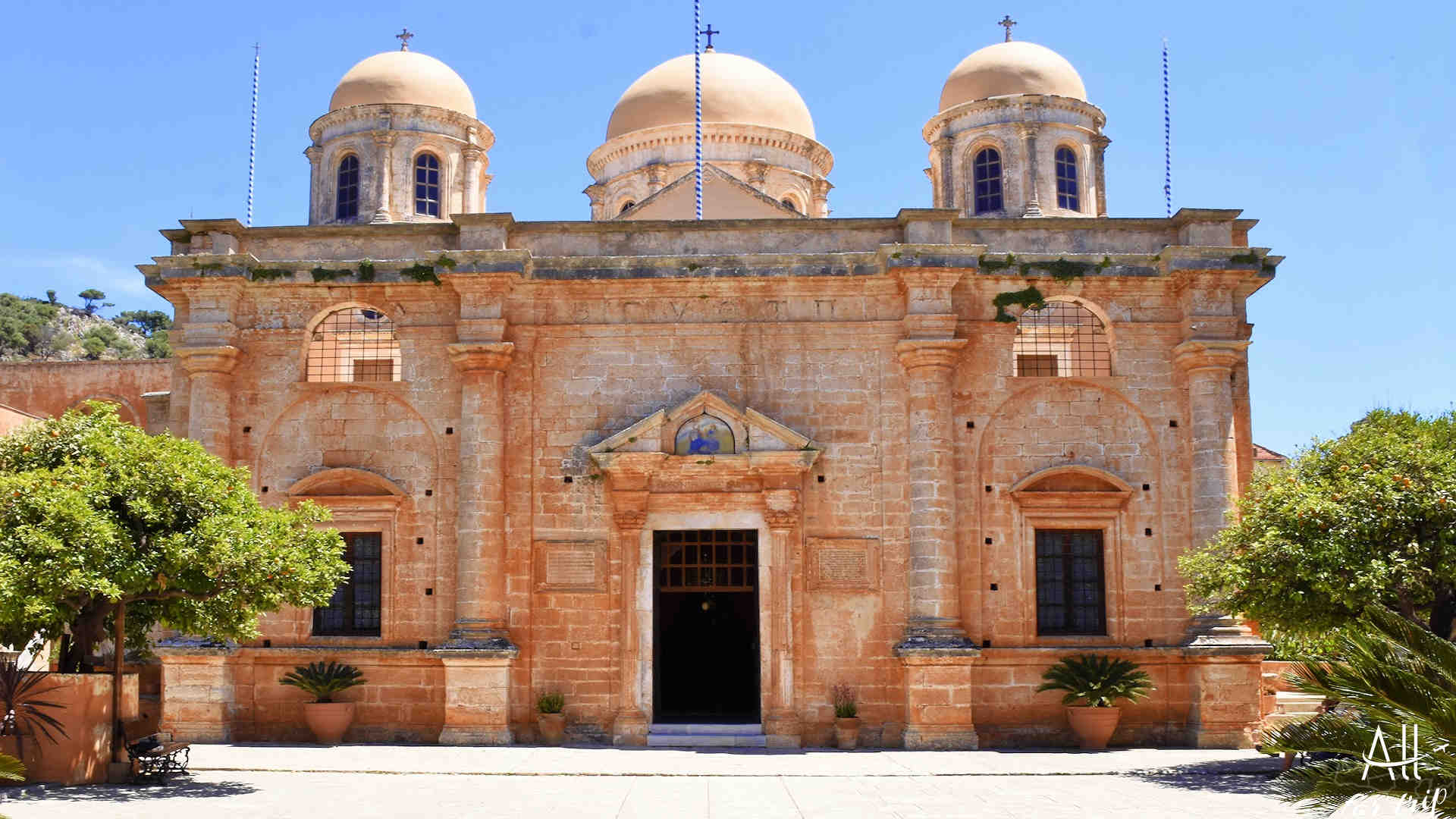
AGIA TRIADA MONASTERY
Agia Triada Monastery or otherwise known: Monastery of Agia Triada Tsangarolon – a monastery, with a great historical past, belonging to the Greek Orthodox Church and still operating today.
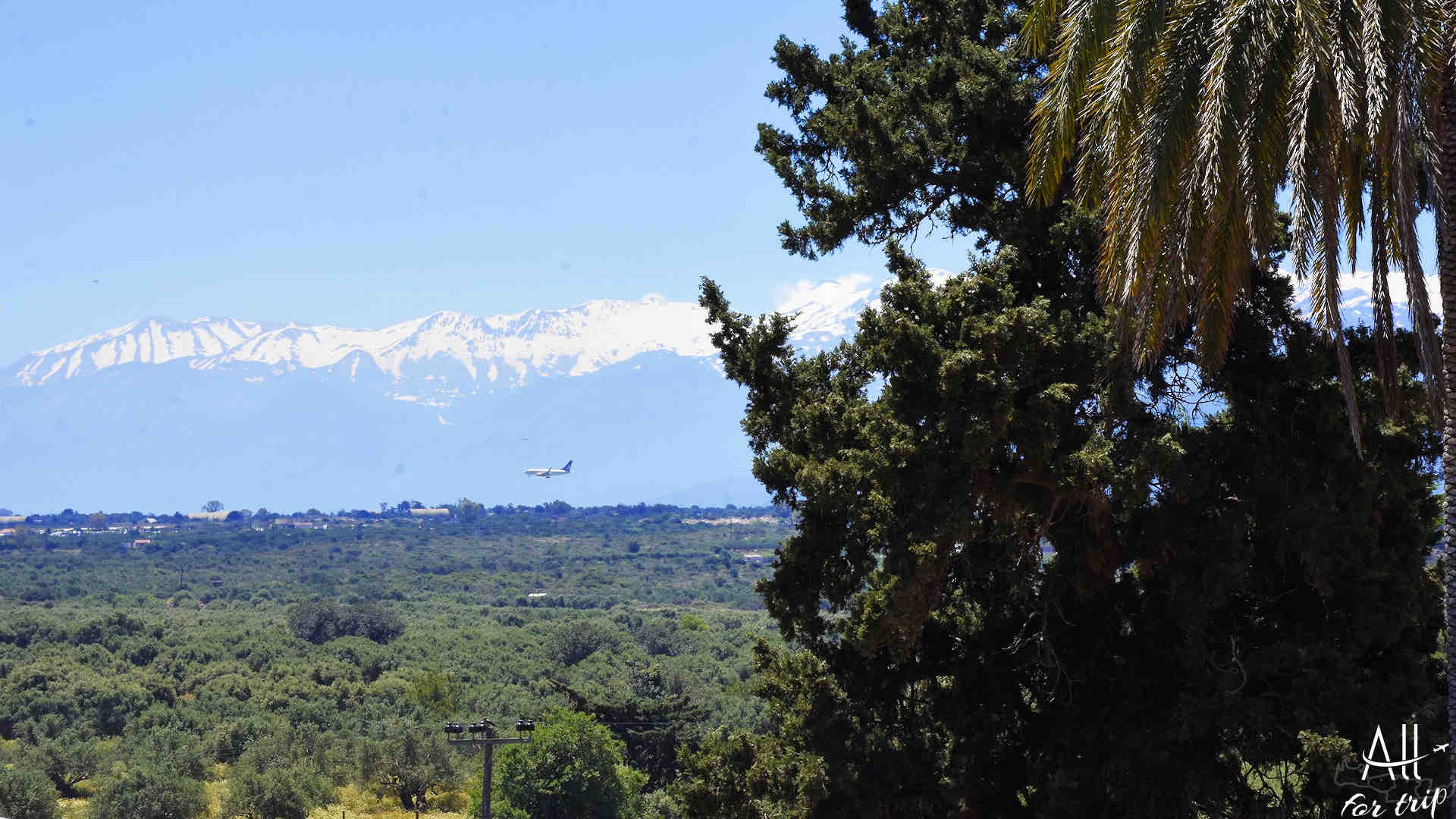
It is located in the northern part of Chania prefecture, in the heart of the Akrotiri peninsula.
Chania’s old town is 17 km, and the unique Gouverneto Monastery is 4 km.
17th century – on the site of an existing church, a Cretan Orthodox monks: Jeremiah and Lavrentis – was built the monastery called the “Trinity”.
They are the descendants of the Venetian Tzagarolos family.
[swpm_protected format_protected_msg=”1″]GPS is very important! – because no street names in Western Crete. GPS: 35.560617, 24.134309[/swpm_protected]
Opening Hours:
Summer: from 08:00 until sunset
Winter: from 8.00 to 14.00 and 16:00 to sunset
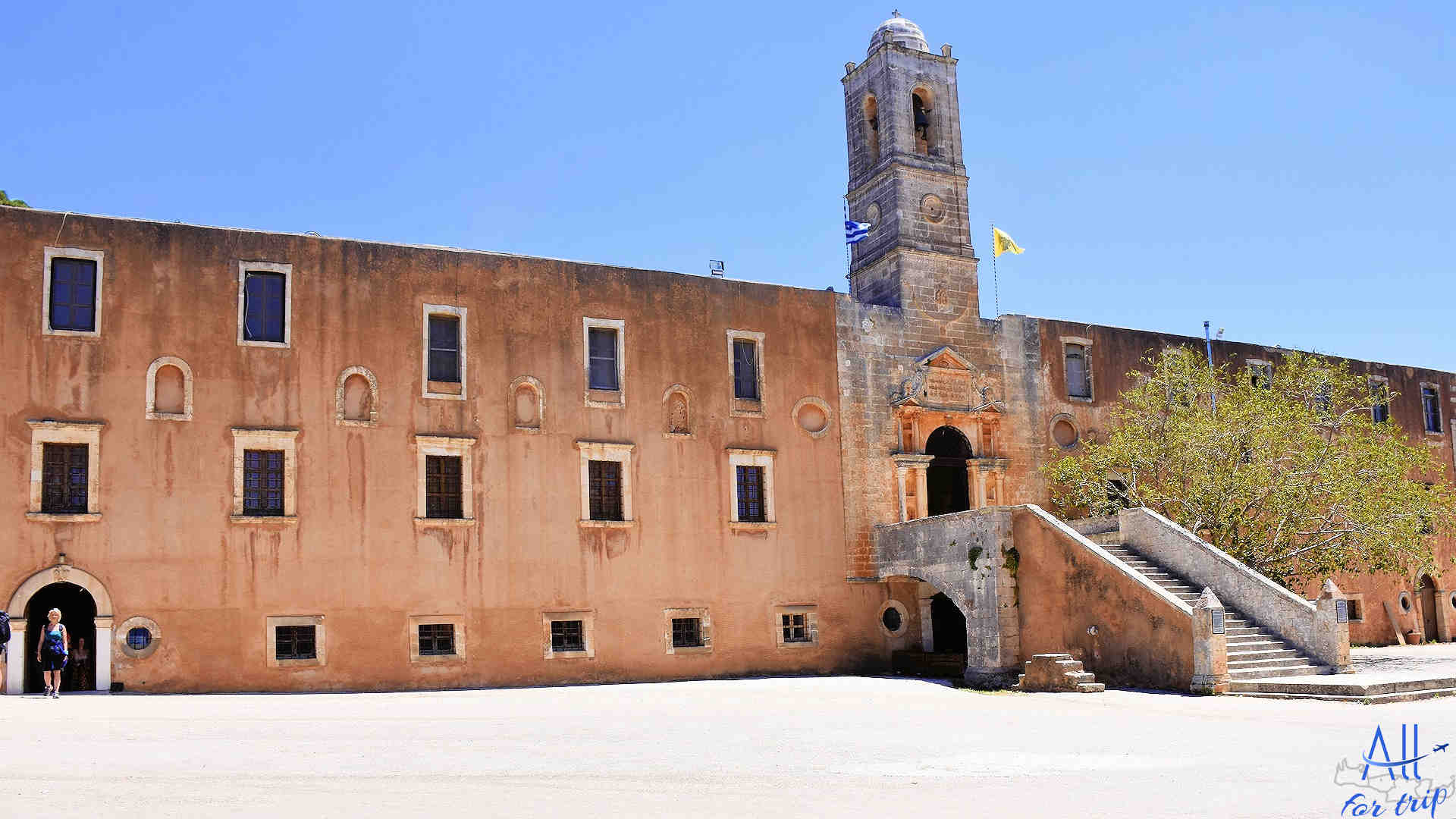
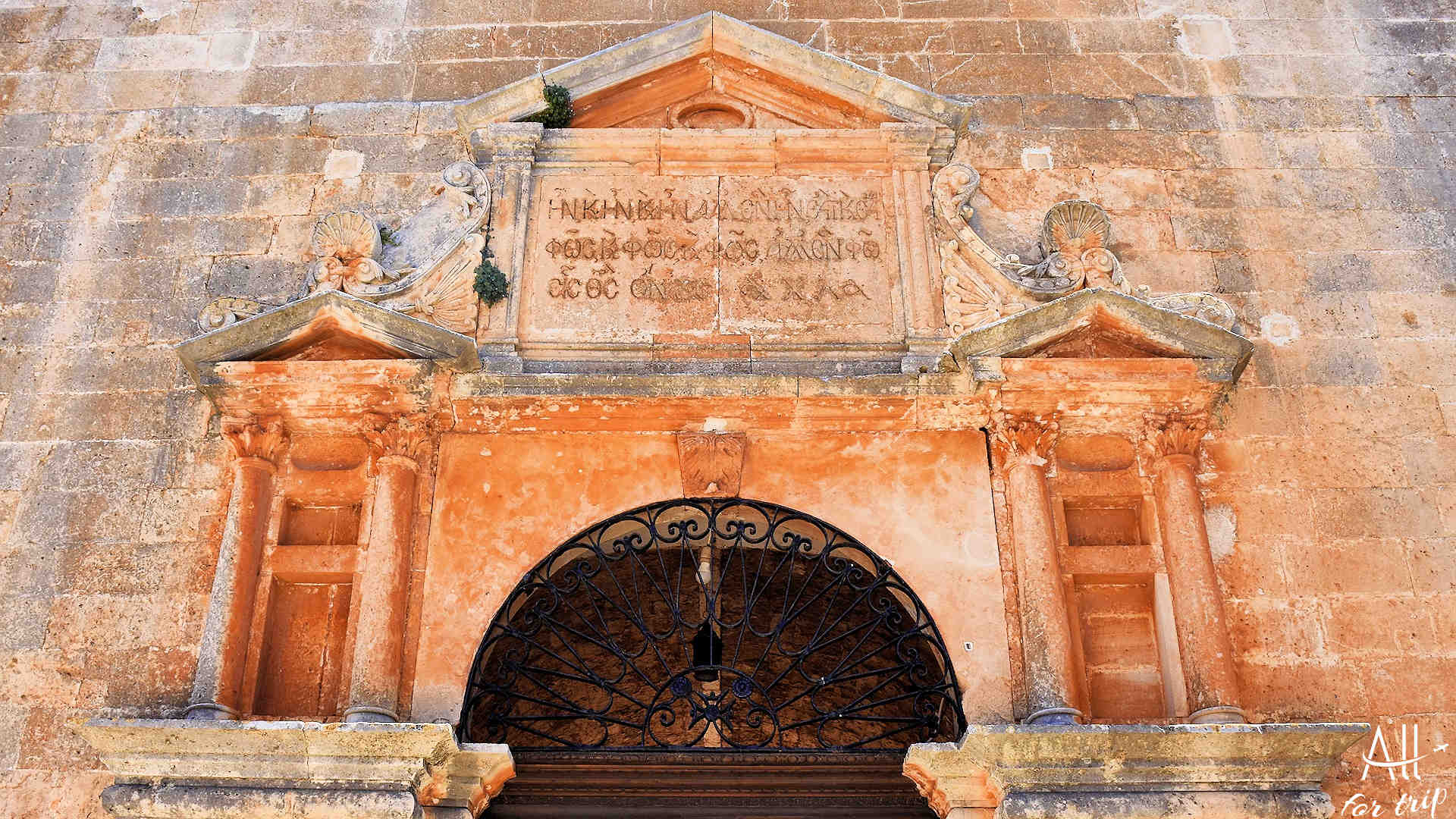
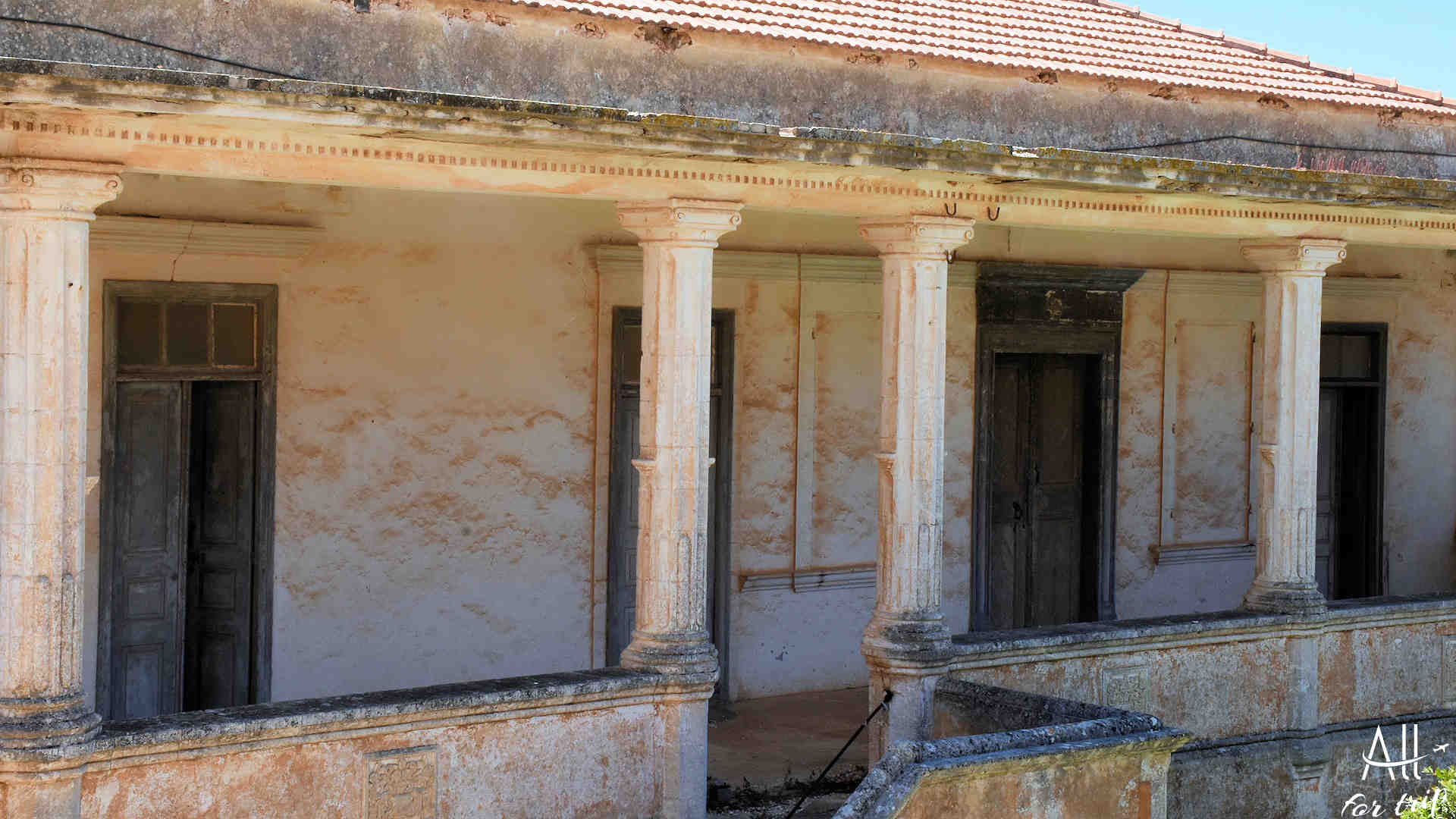
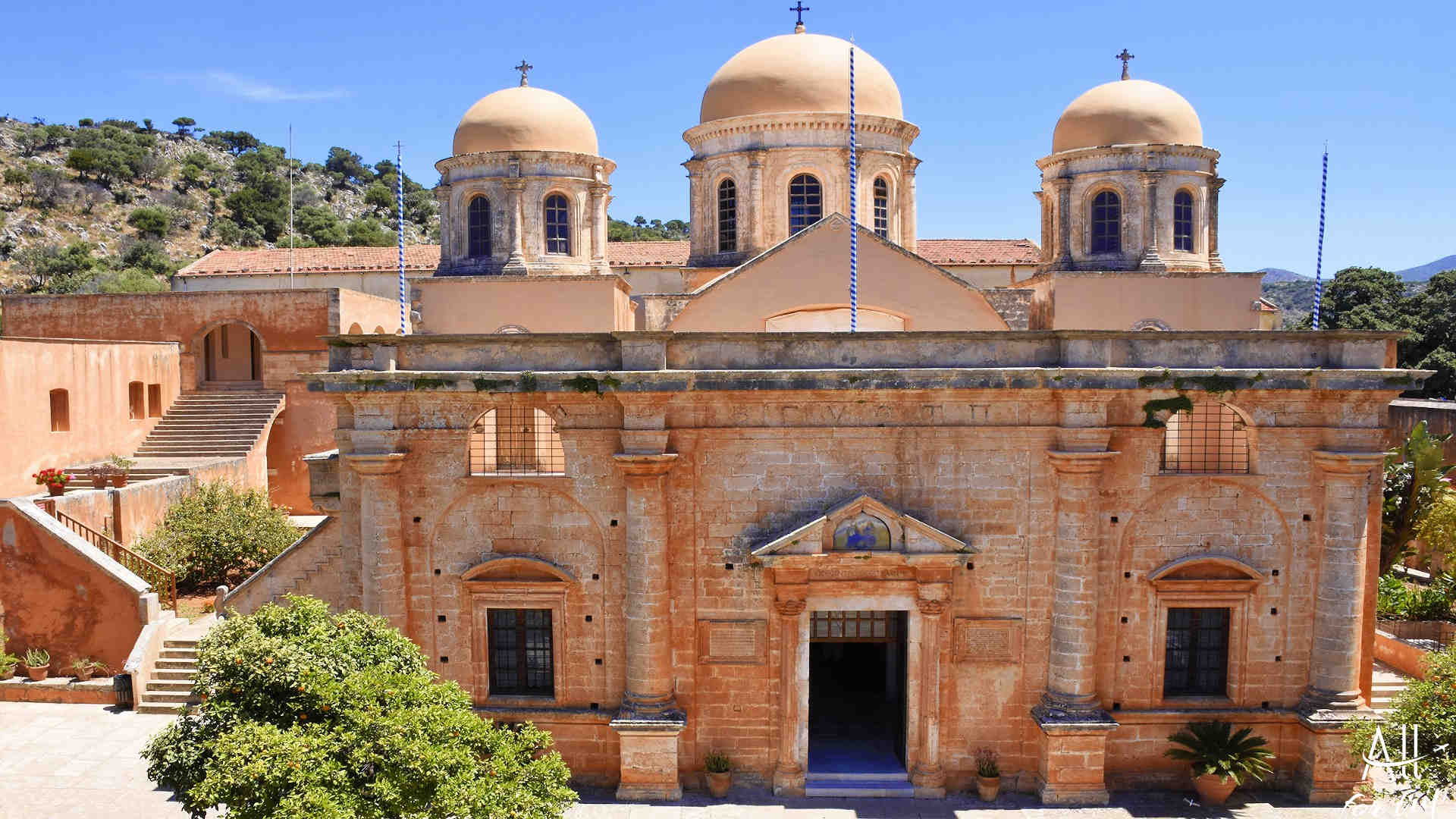
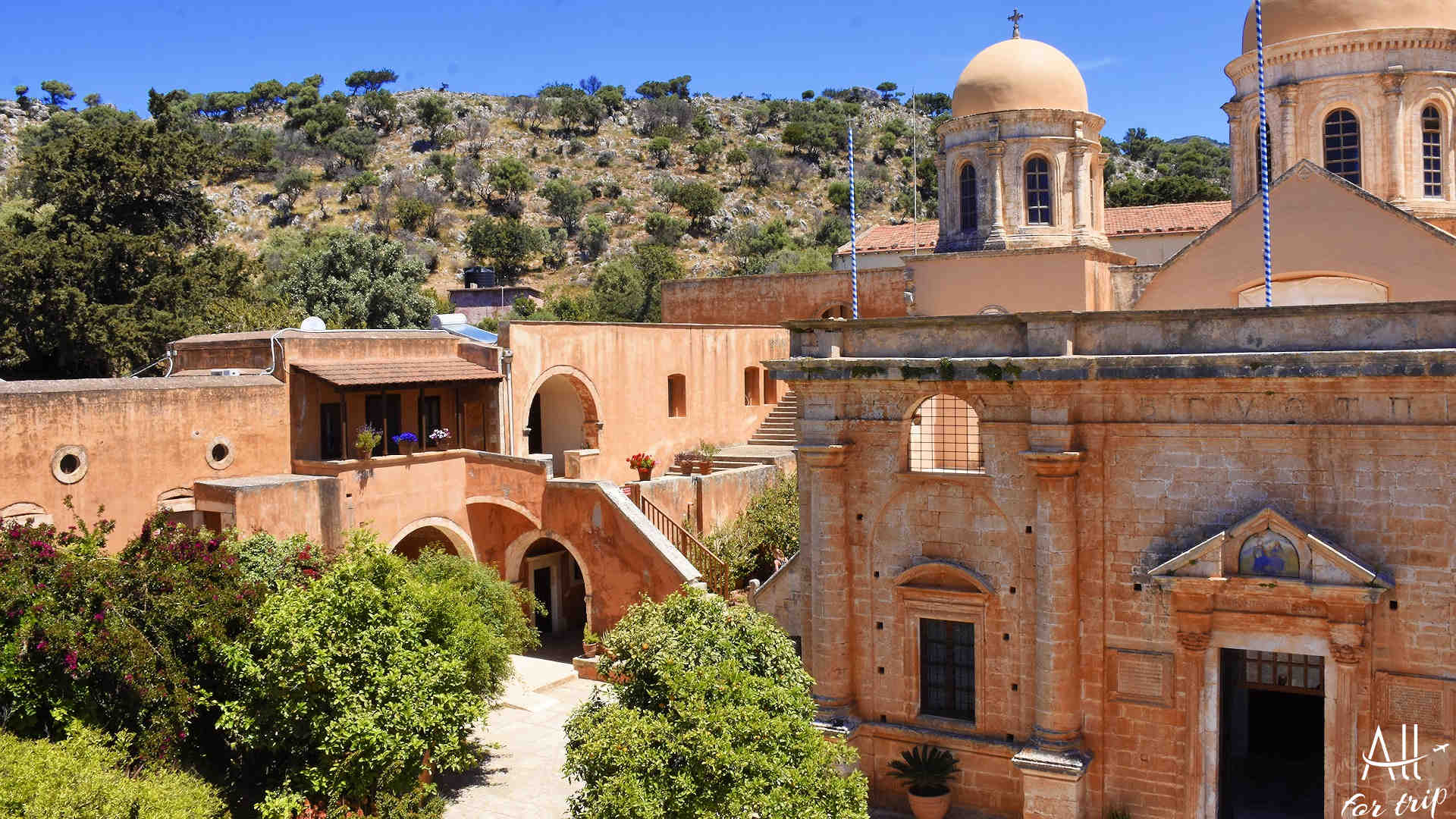
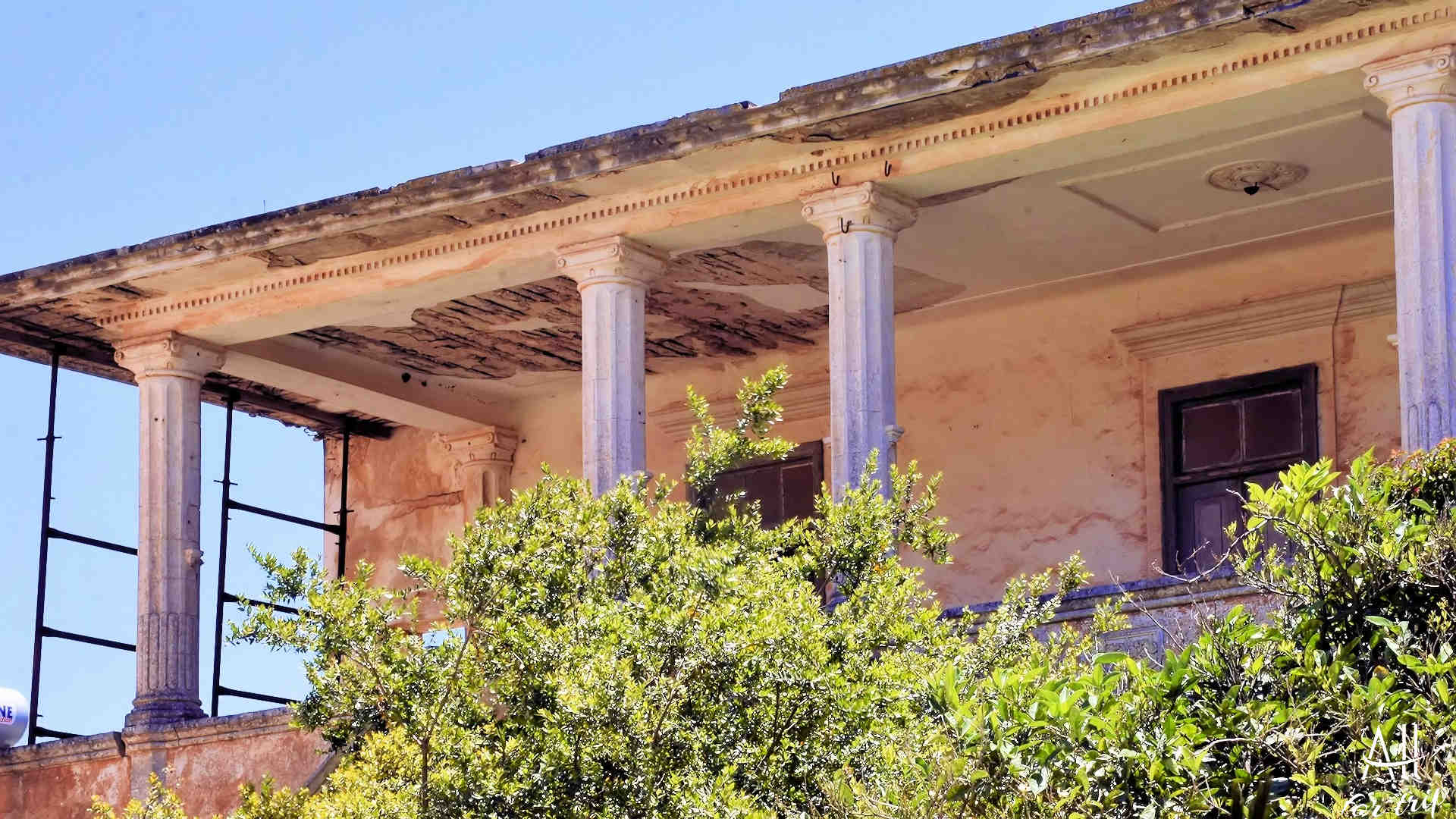
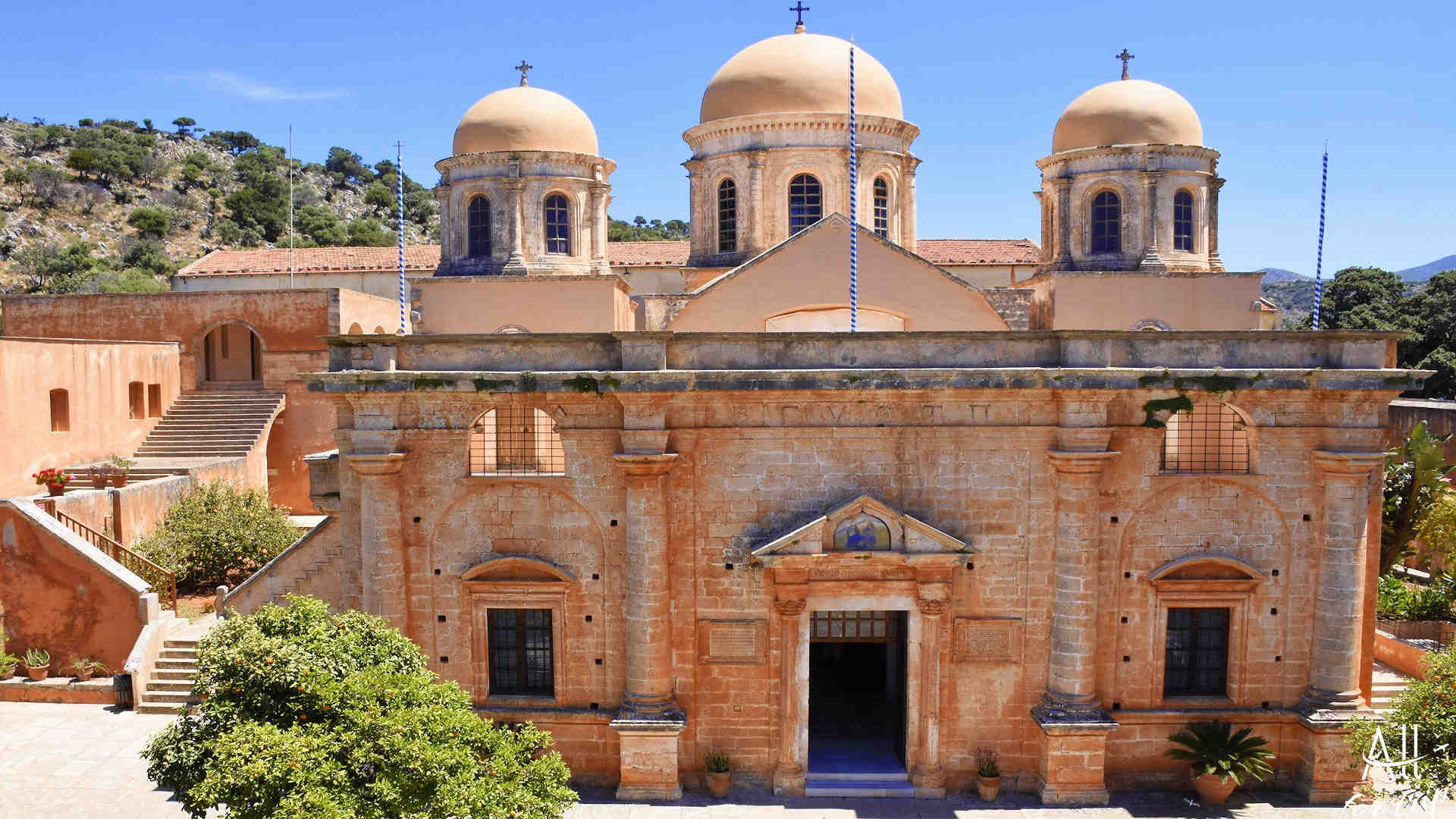
The building complex was built in Renaissance style, but its characteristic façade is decorated with Doric columns.
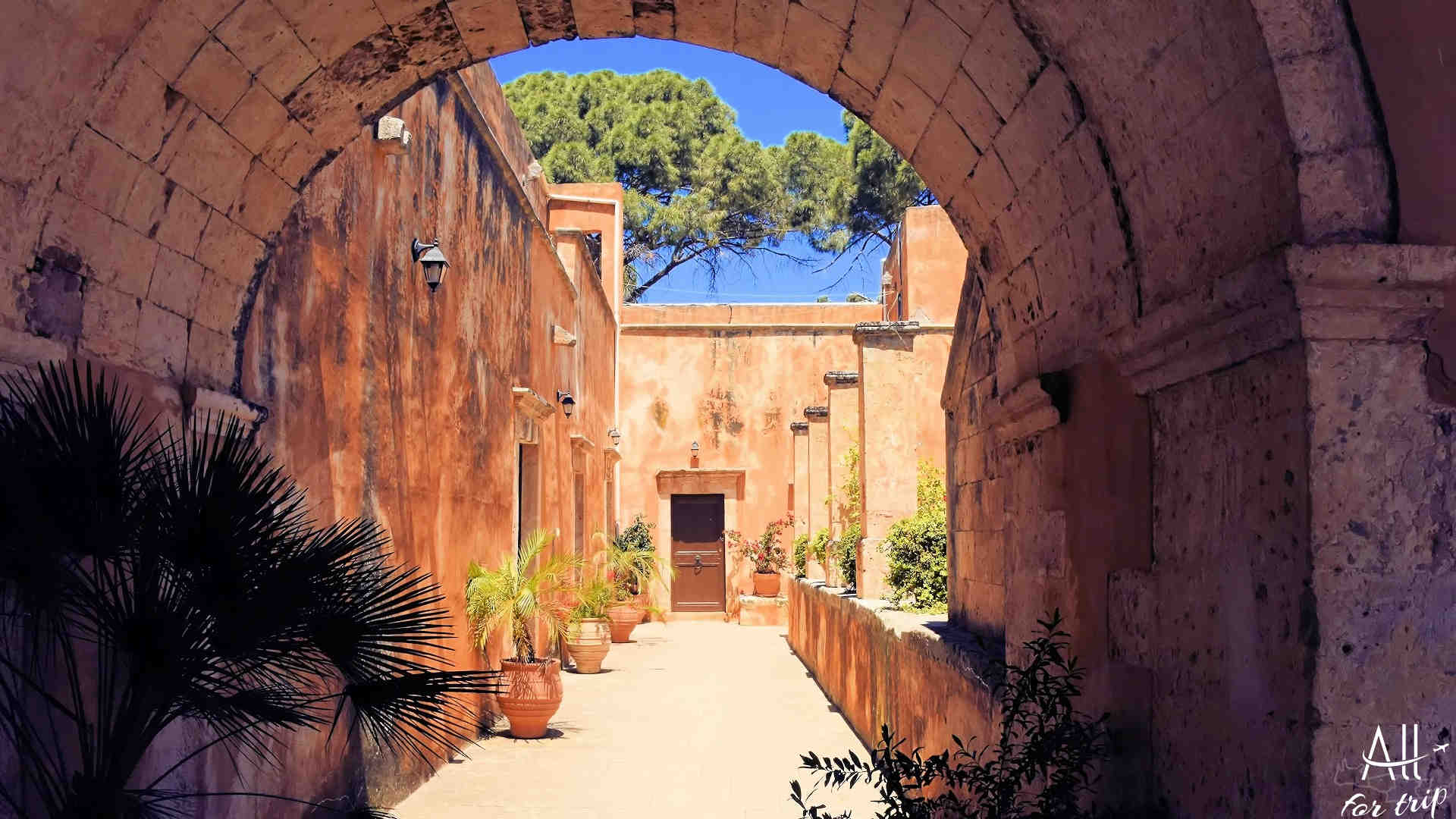
The building complex has a unique atmosphere and is beautiful – therefore worth a visit.
[swpm_protected format_protected_msg=”1″]
Features:
– self-sufficient!
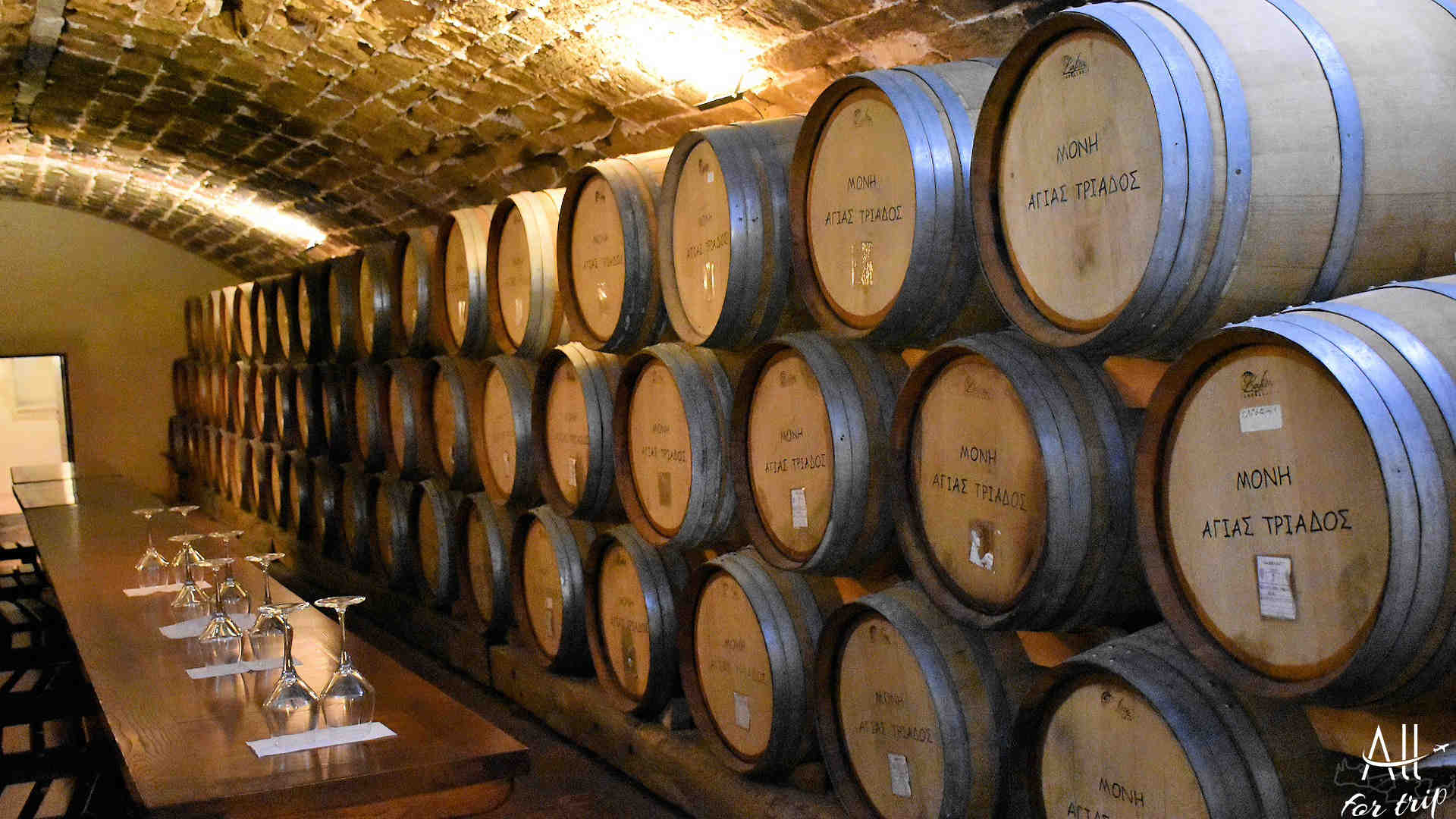
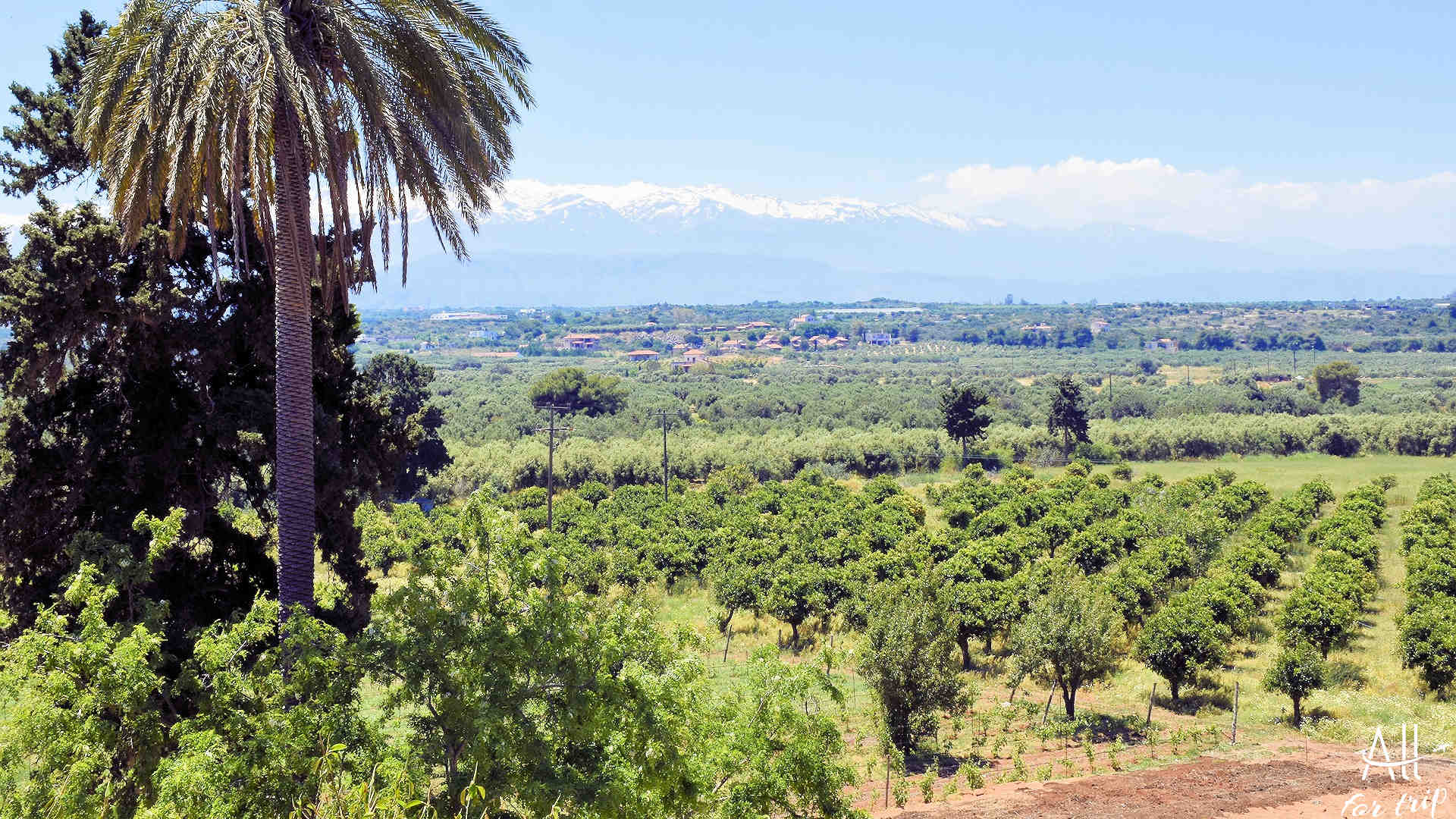
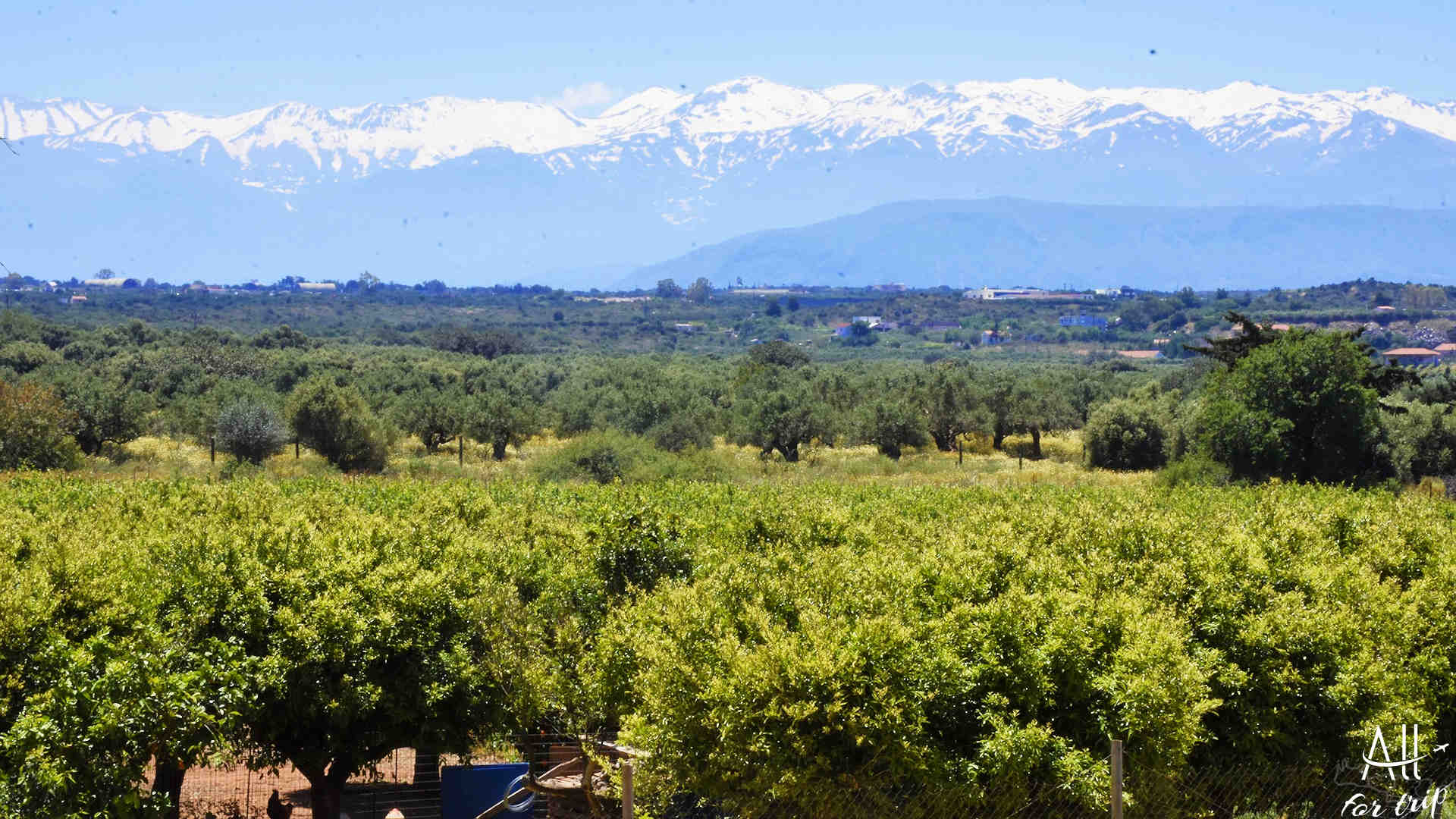
– the land belonging to it, has vineyards and olive groves. The grapes are used to make high quality wines
– the revenue comes from the sale of wine and olive oil
– part of the revenue is used to support schools
– has an impact on children’s education [/swpm_protected]
[swpm_protected format_protected_msg=”1″] This is a Patriarchal – Stavropegiac monastery. This means: that the Monastery is under the direct control of the Ecumenical Patriarch. It does not belong to the local bishop.
According to the tradition of the Orthodox Church, the patriarch has the right, send a cross. The cross is placed in the foundations, and this proves, that the monastery belongs directly to the patriarch.[/swpm_protected]
The History of the Monastery of Agia Triada
1611 – Jeremias undertook to design the new church as the existing church was small and abandoned.
The monks Lavrentios and Jeremias, who built the monastery – they came from the family of the great Venetocreta Tzagarolos.
The two brothers monk gained knowledge, from history, Greek, Latin, and architecture.
The great Veronese architect Sebastiano Serlio had impact on the design.
1634 – Jeremias began building the monastery
He died, before construction was complete. His brother, Lavrentios, continued to work.
1645 – the Turks invaded Crete.
The work on Tzagarolon Monastery was interrupted. The Turks called the monastery Selvili Manastir, which means “Monastery of the Cypresses”
1821 – The Greek Revolution.
The monks living in the monastery managed to escape. All the historical manuscripts collected by the monks, remained in the convent. This was burned by the Turks.
[swpm_protected format_protected_msg=”1″]
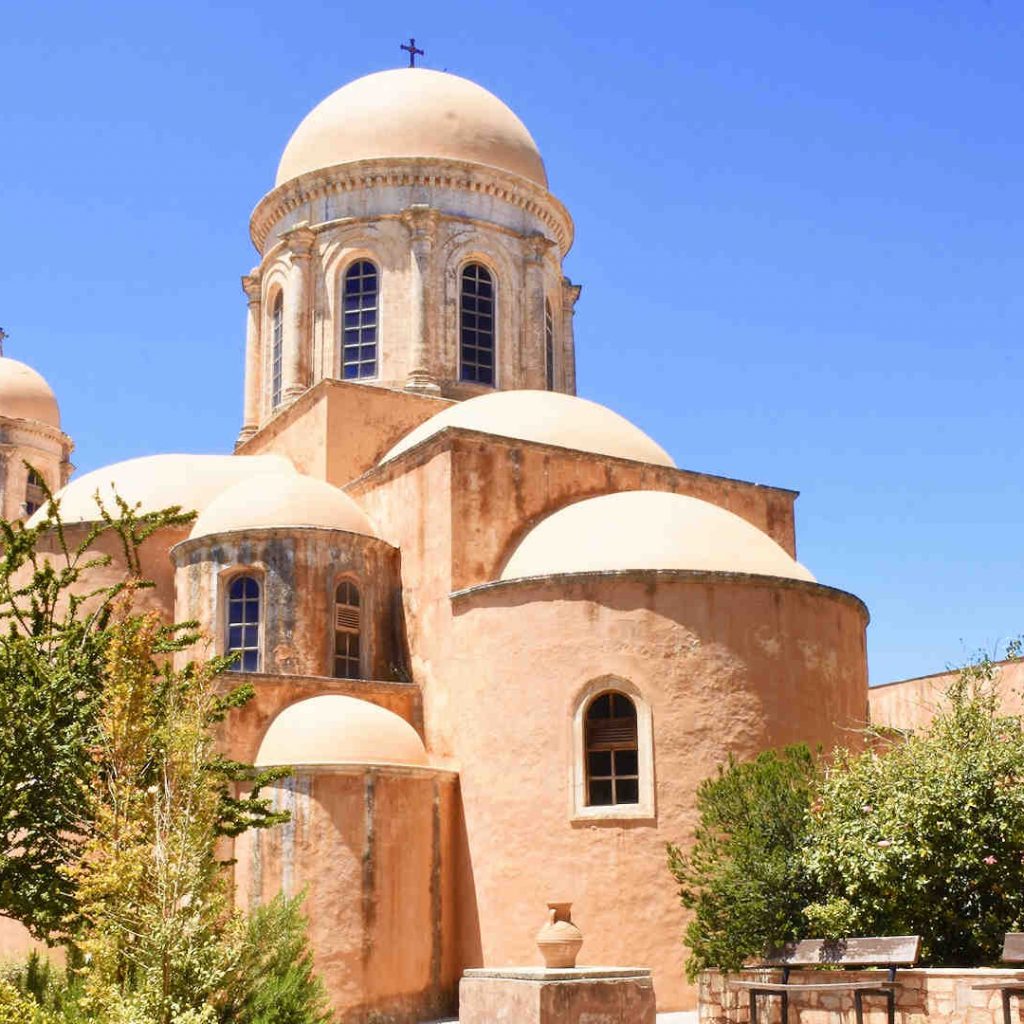
1830 – The Turkish authorities allow the construction of domes.
After the construction of the domes – the construction of the Agia Triada monastery was completed.
1833 – the monastery operated as an important theological school
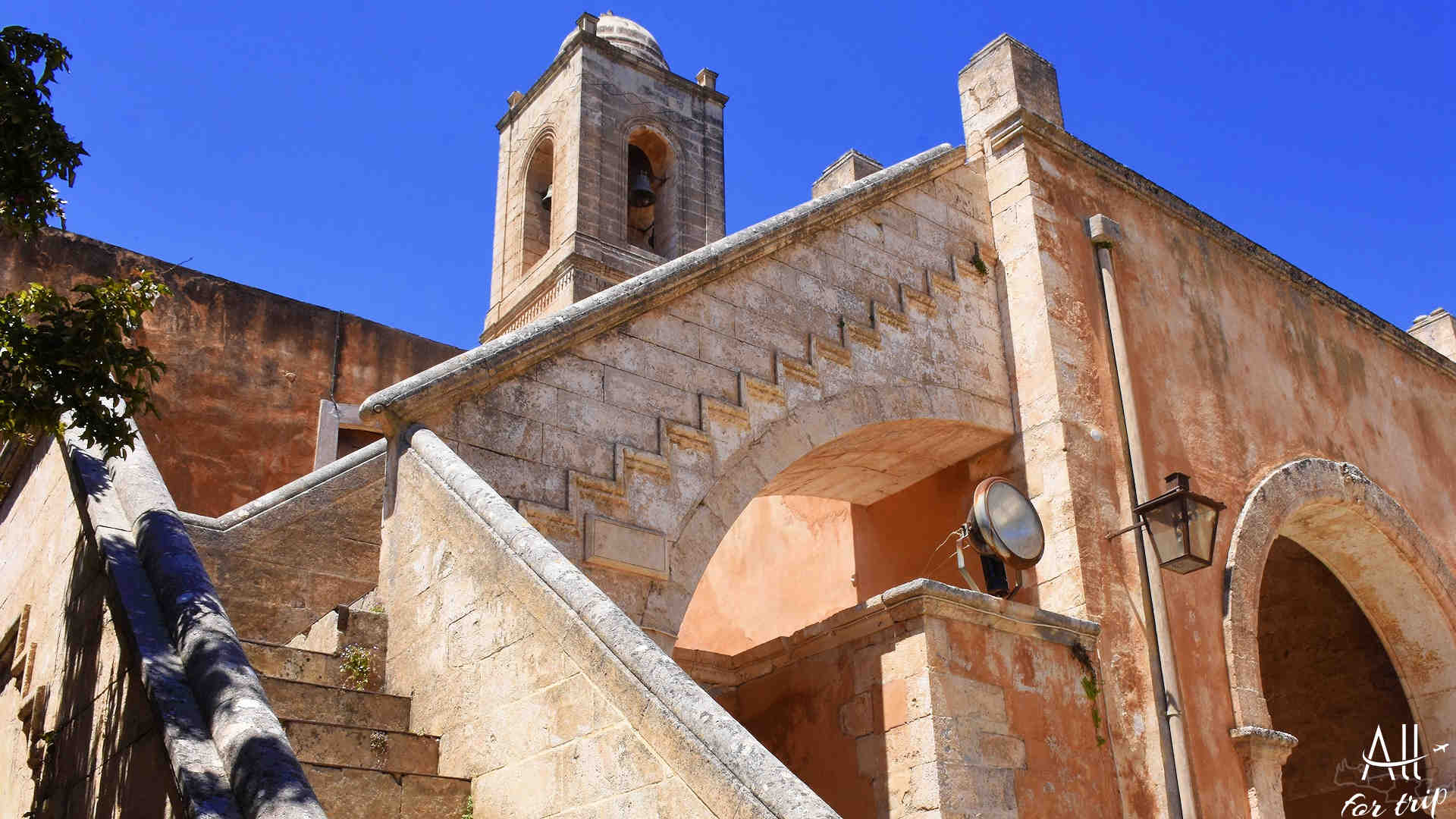
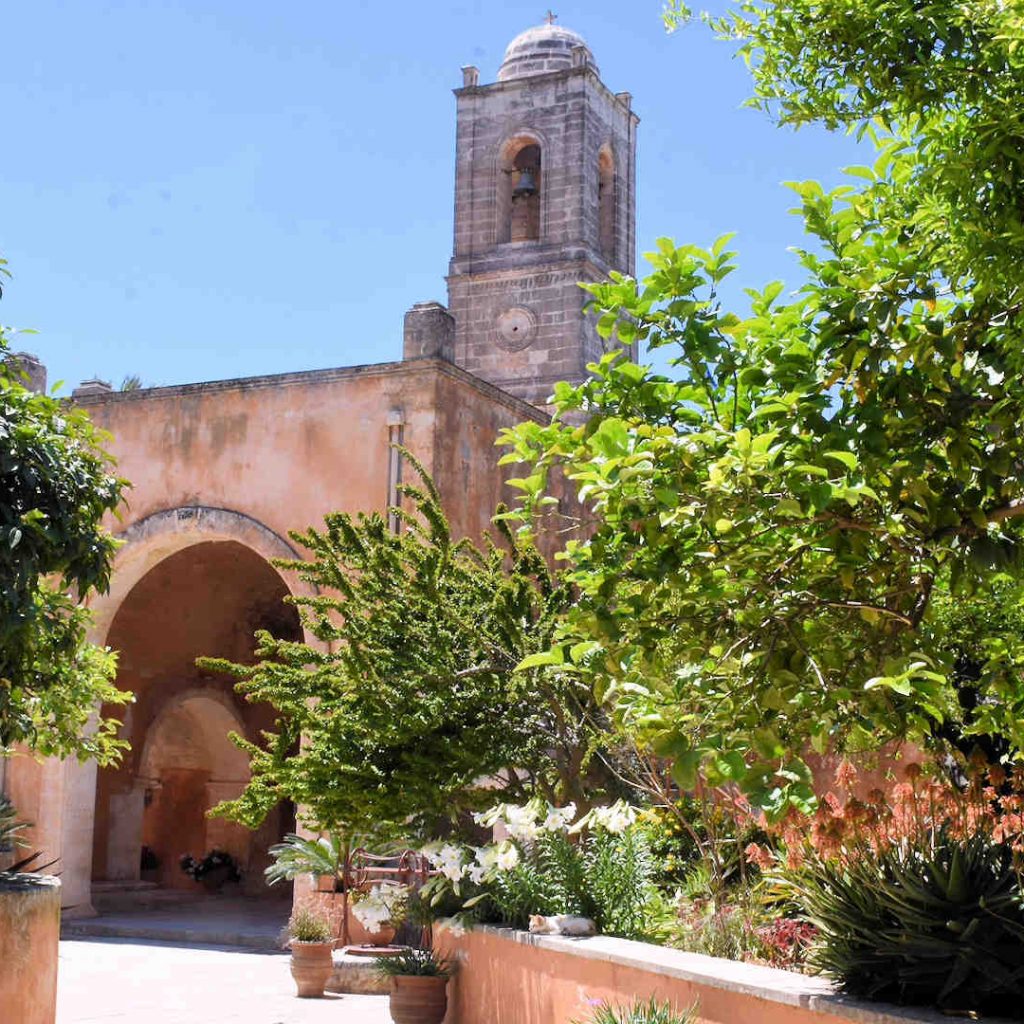
1864 – construction of the belfry
1892 – this is when the seminary, which still operates today, began in the monastery
To this day, it plays an important role in the church life of Crete and in the local economy.
[/swpm_protected]
[swpm_protected format_protected_msg=”1″]
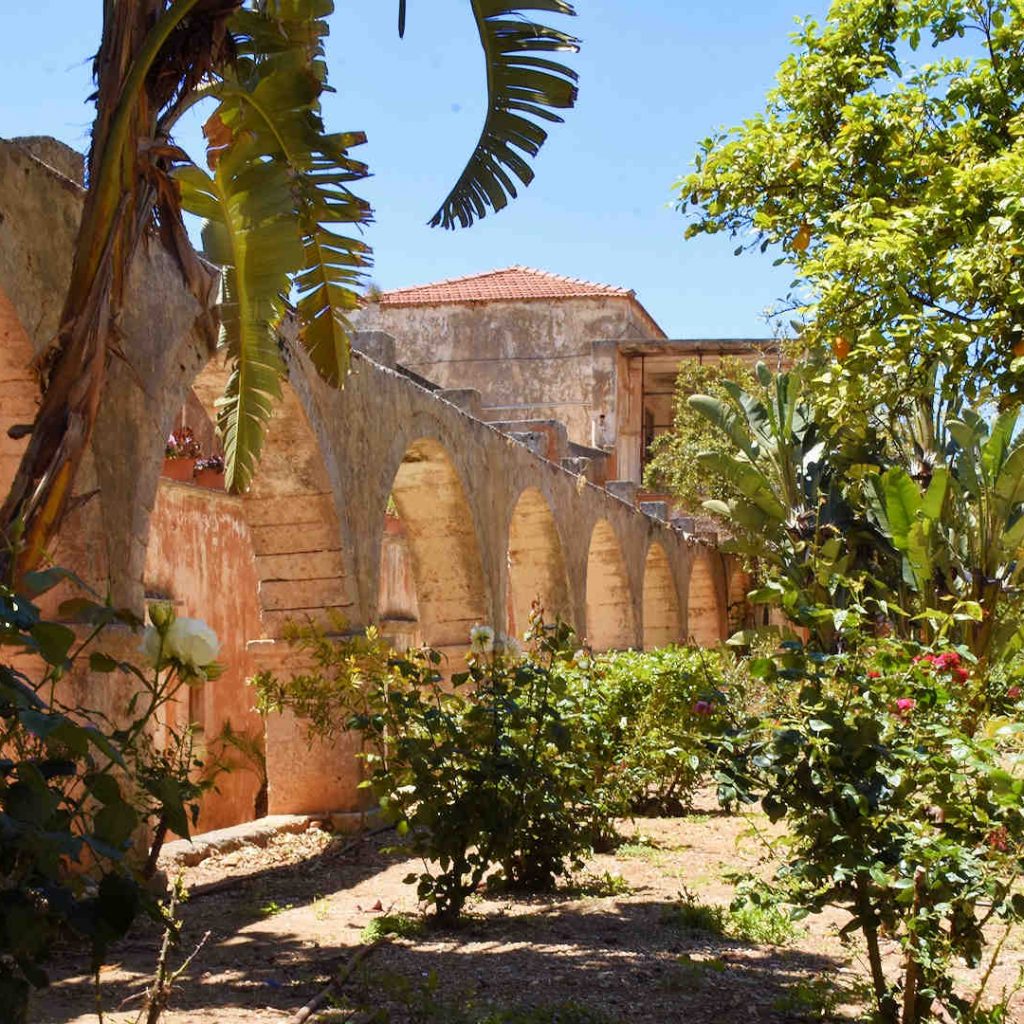
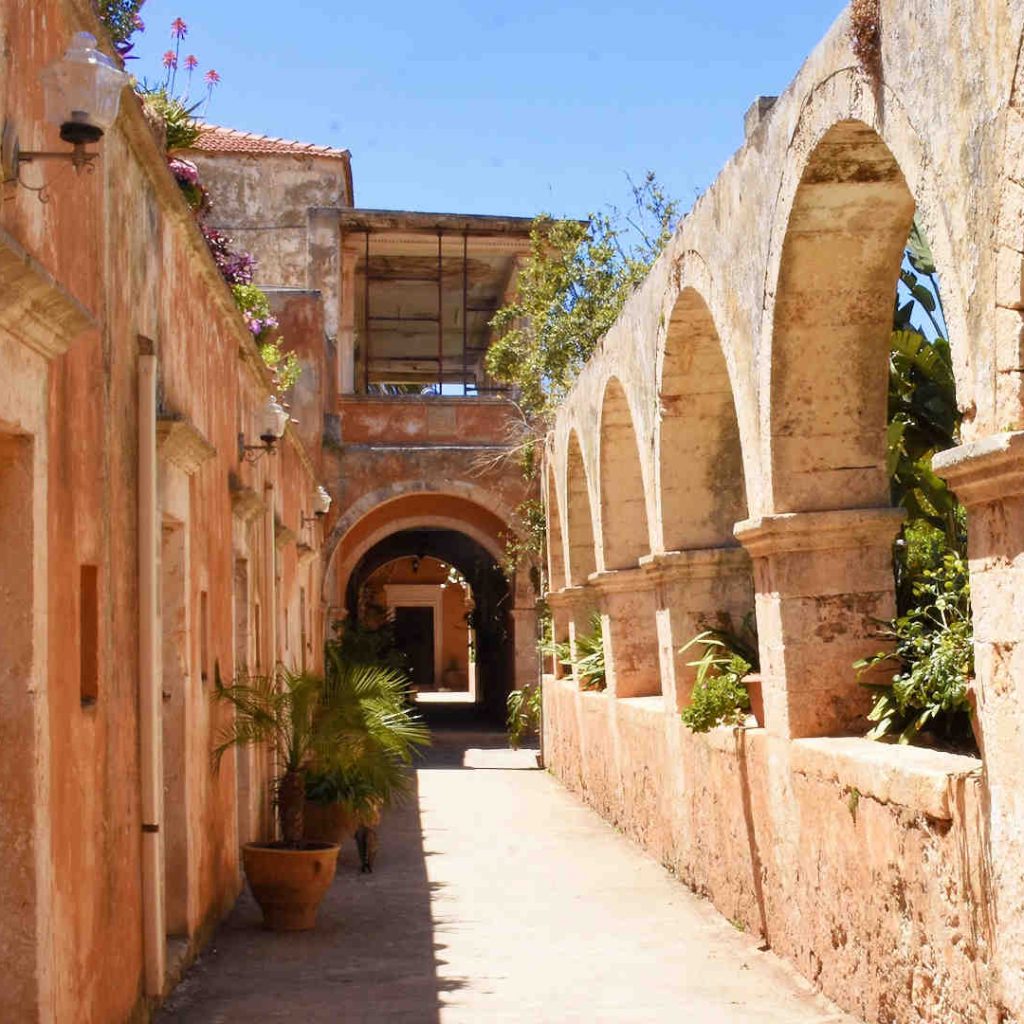
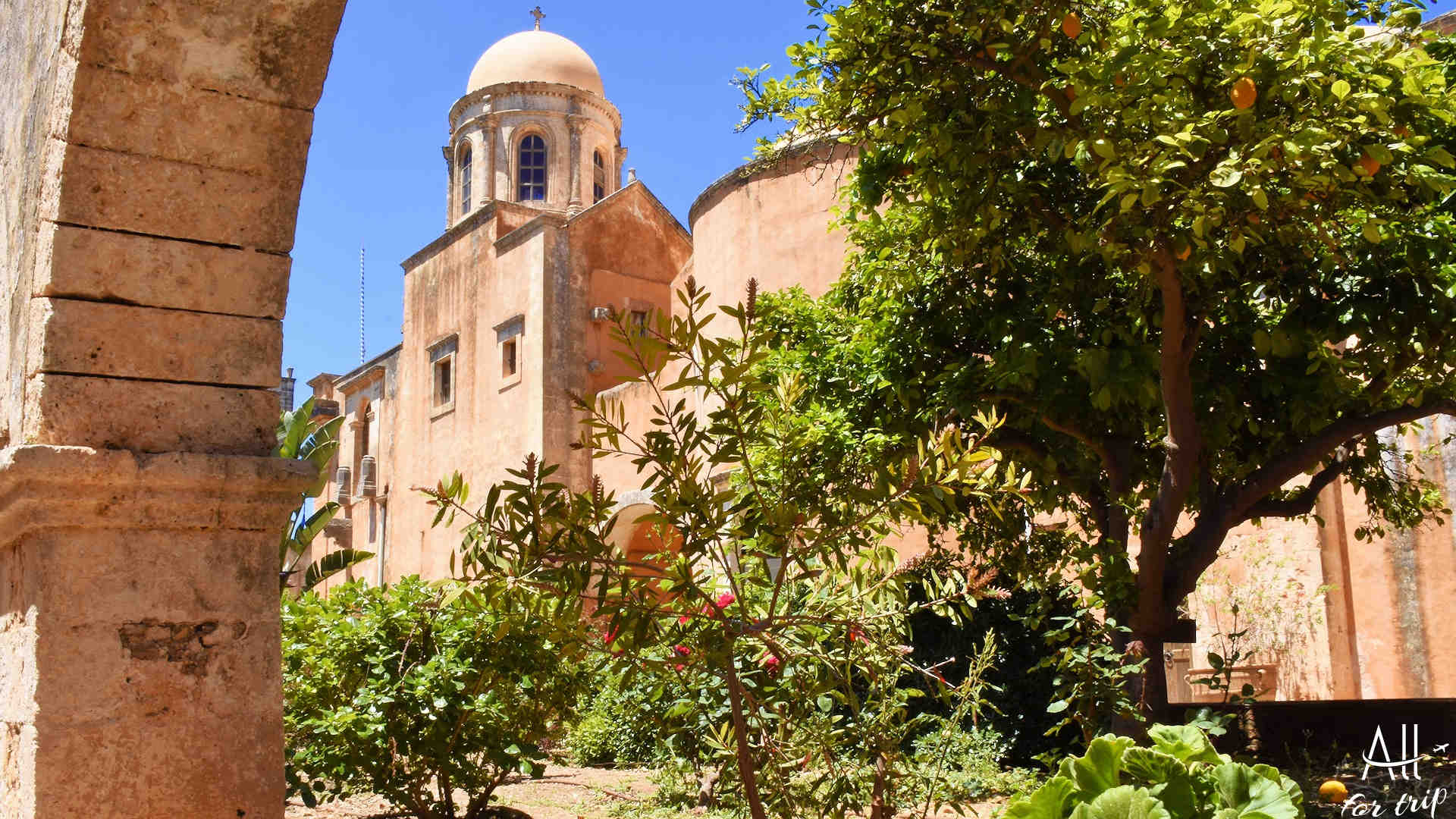
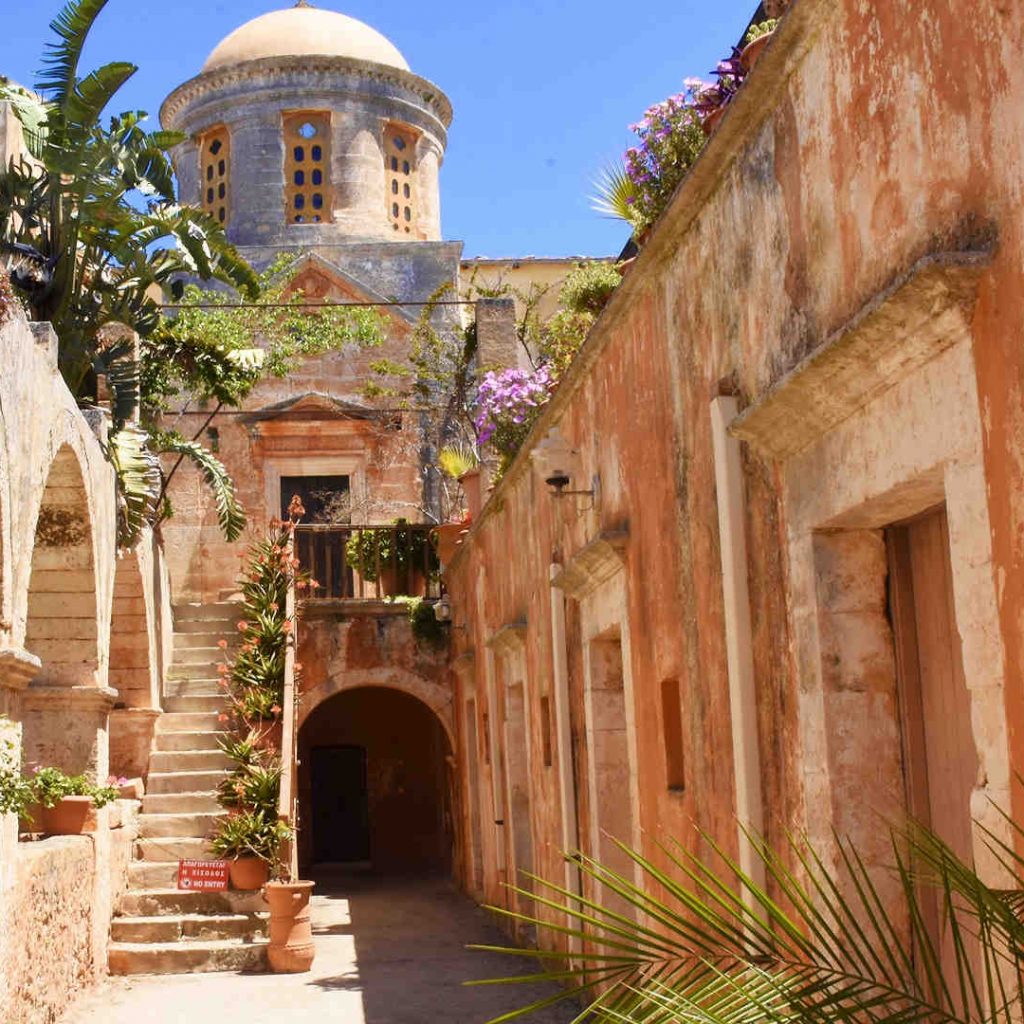
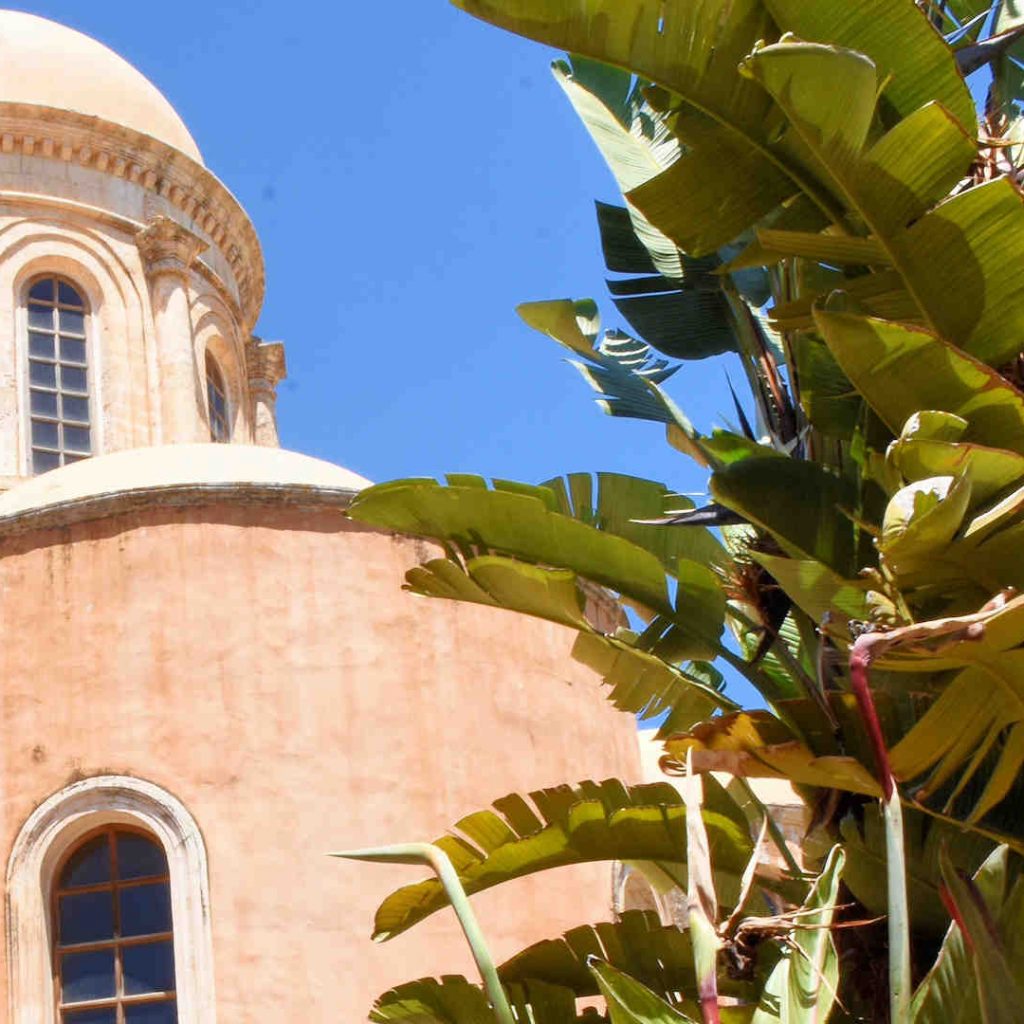
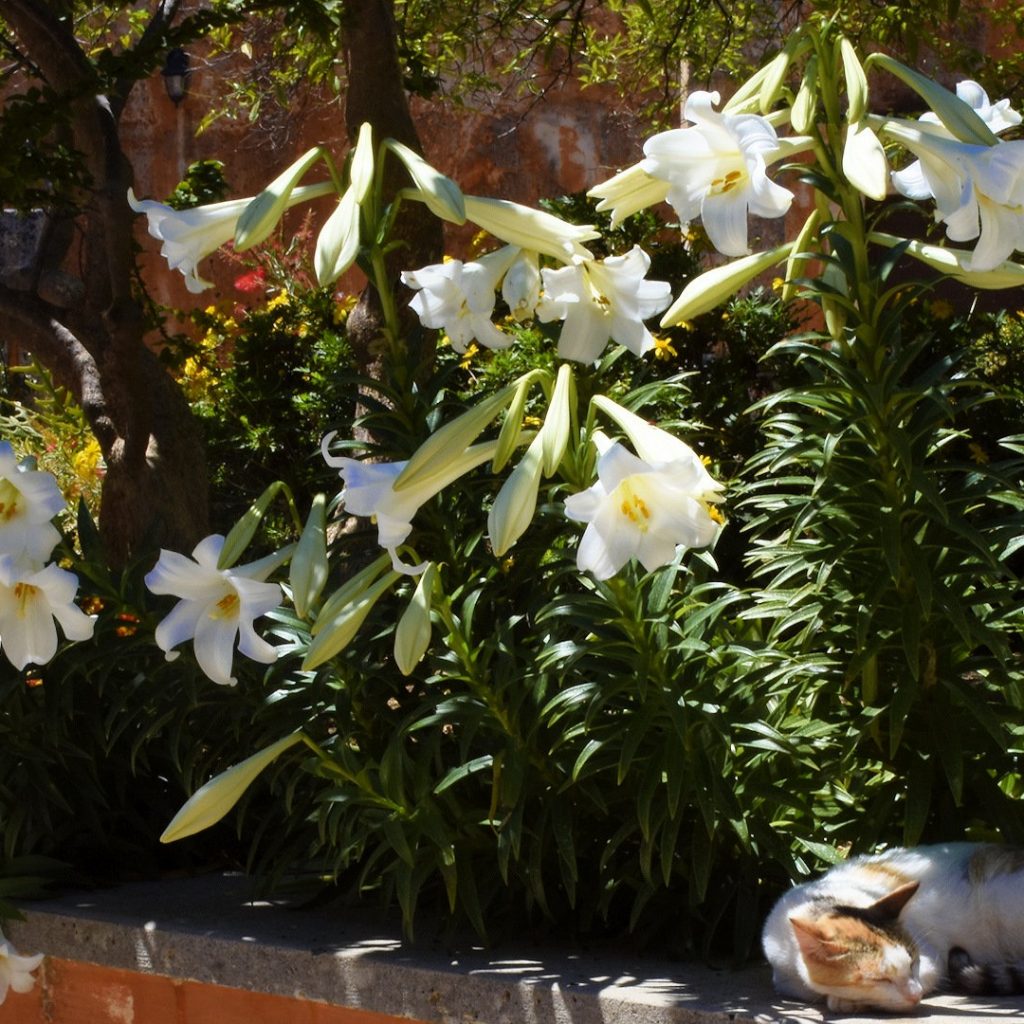
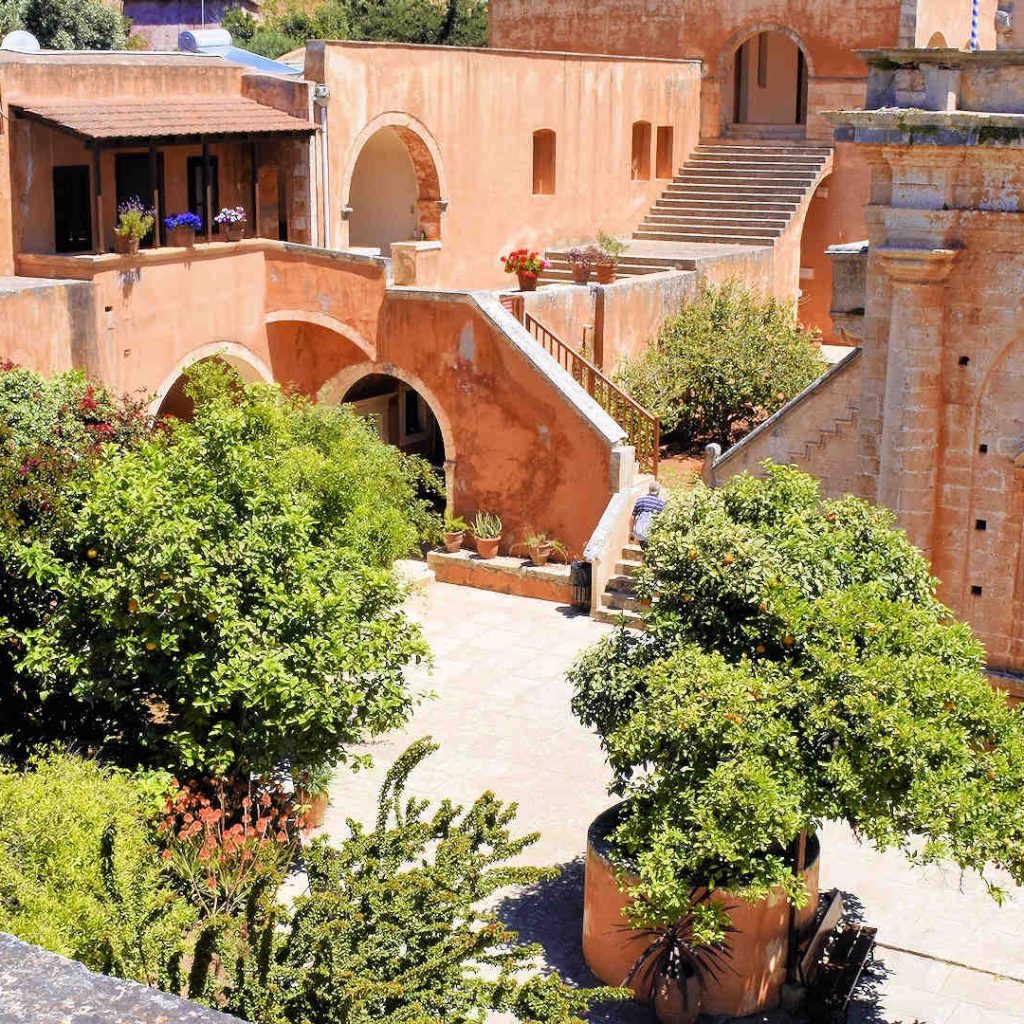
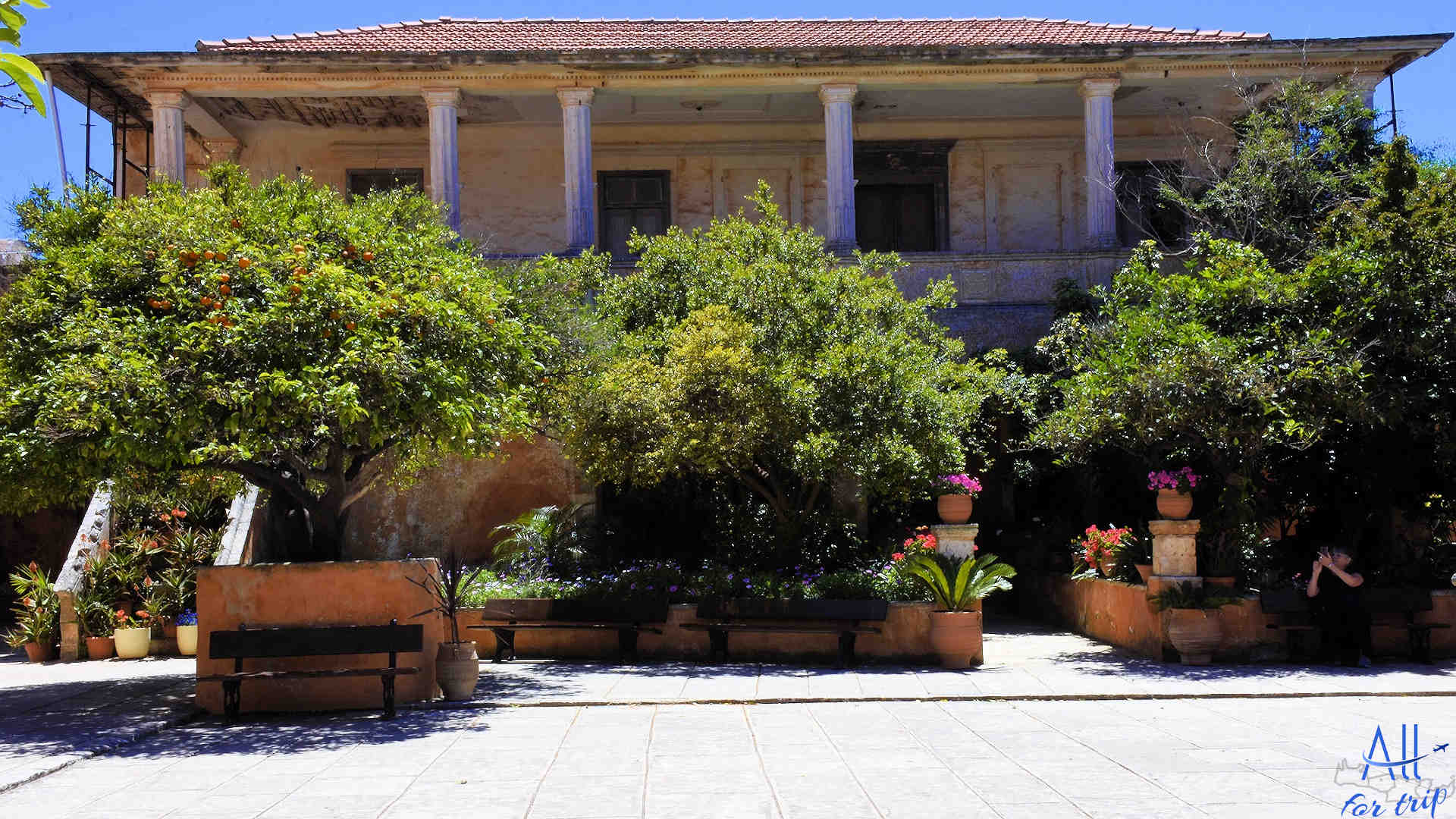
The monastery is a square building complex, whose church stands in the middle of a green and flowered courtyard.
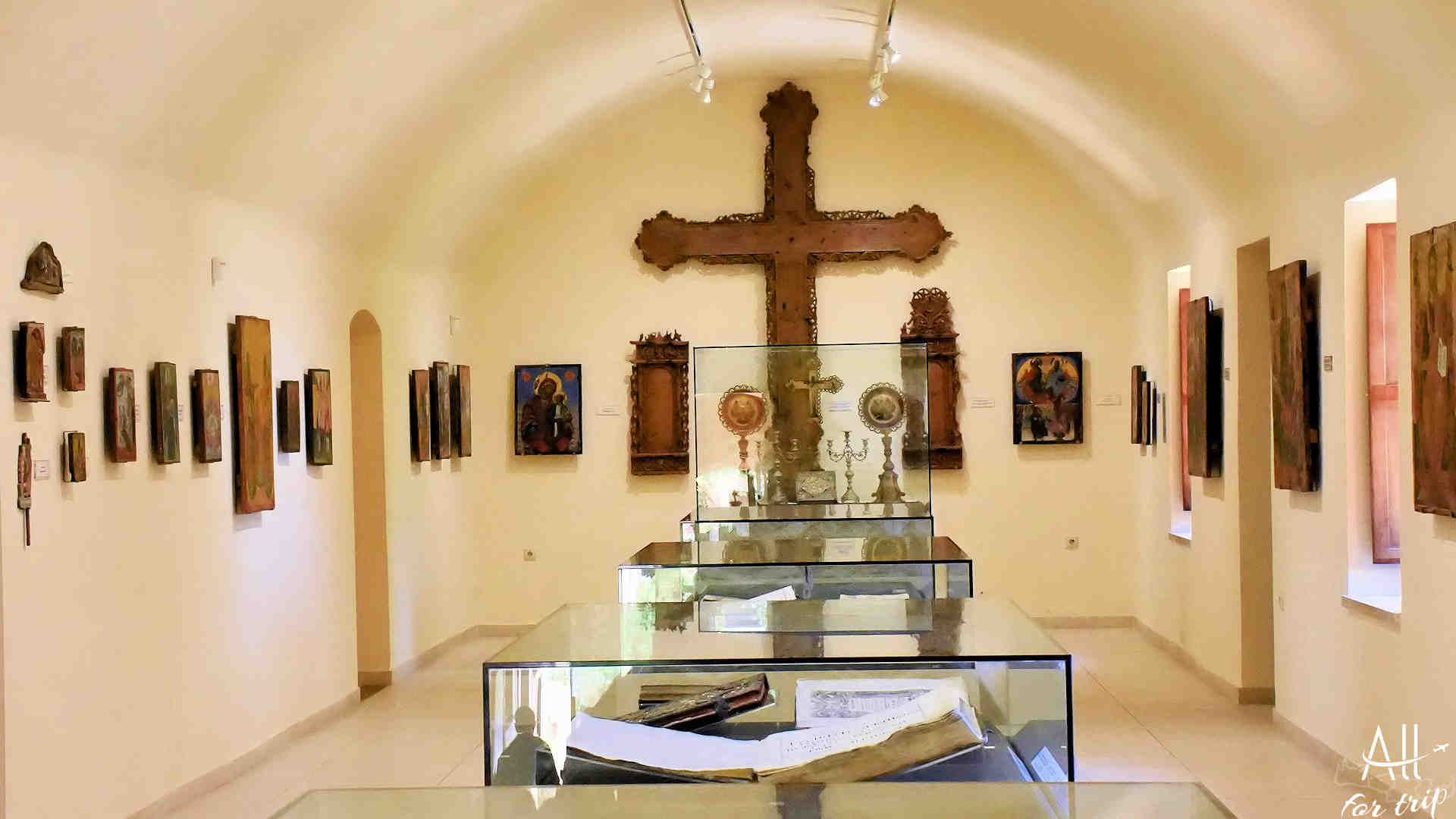
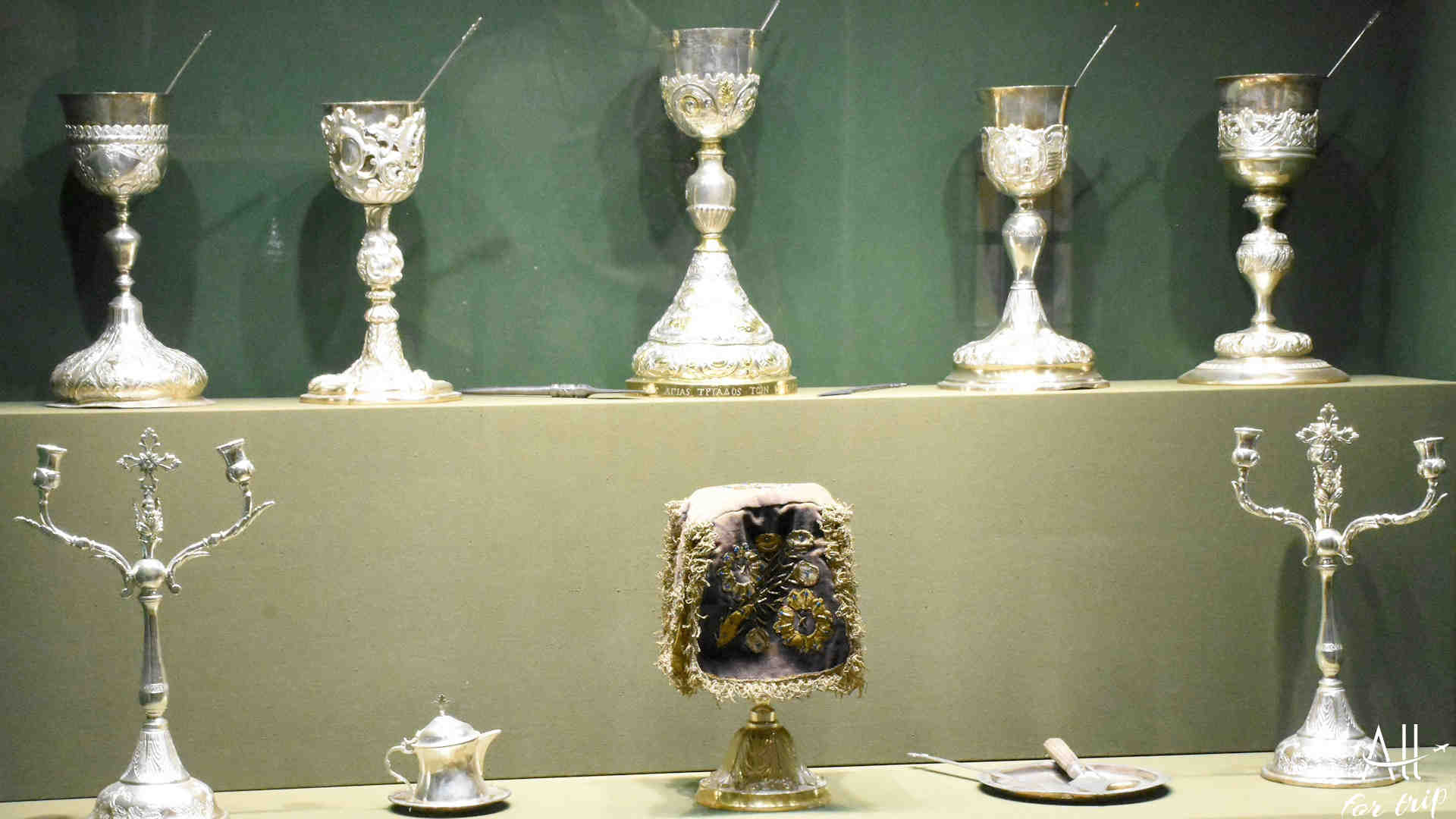
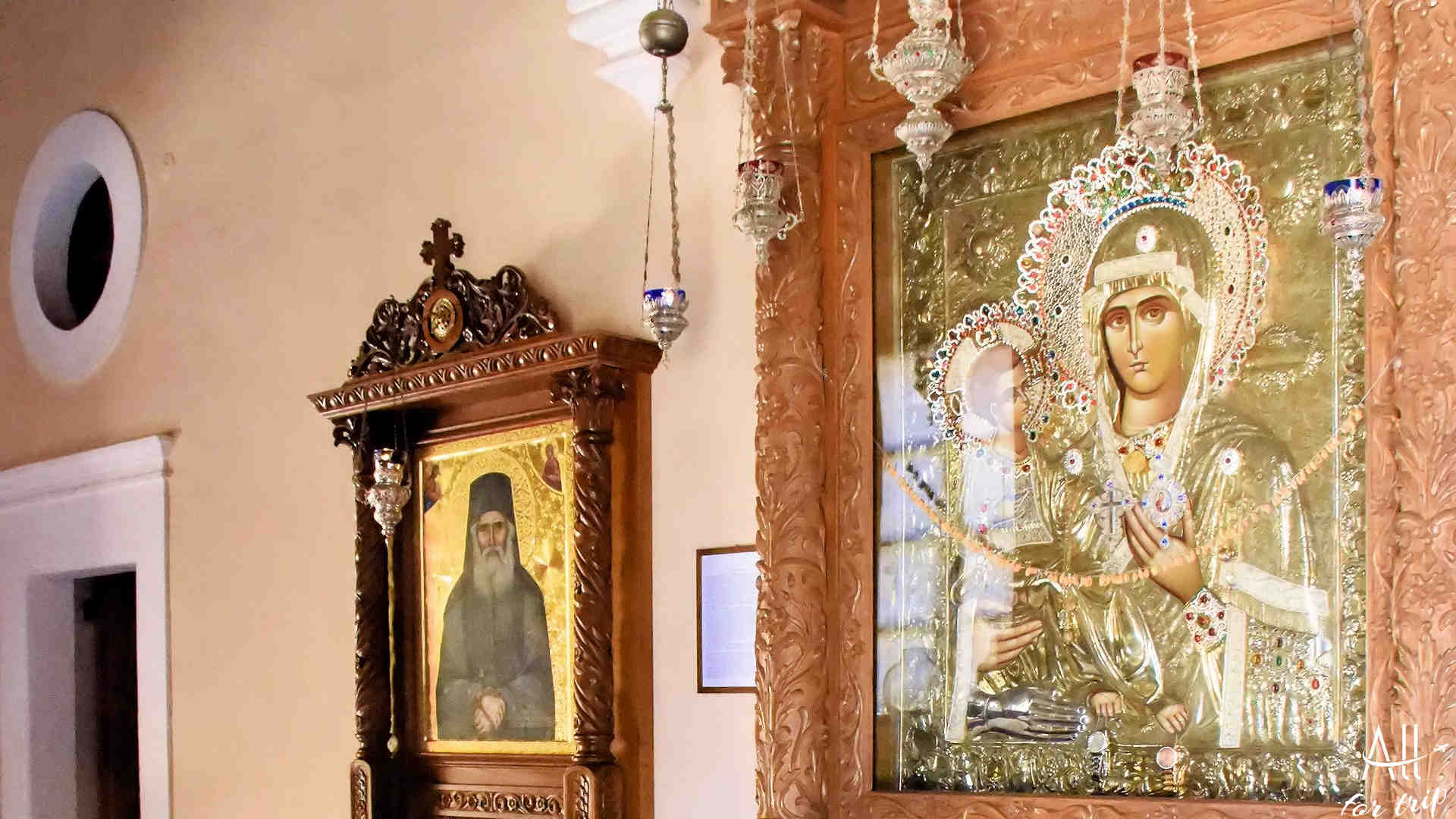
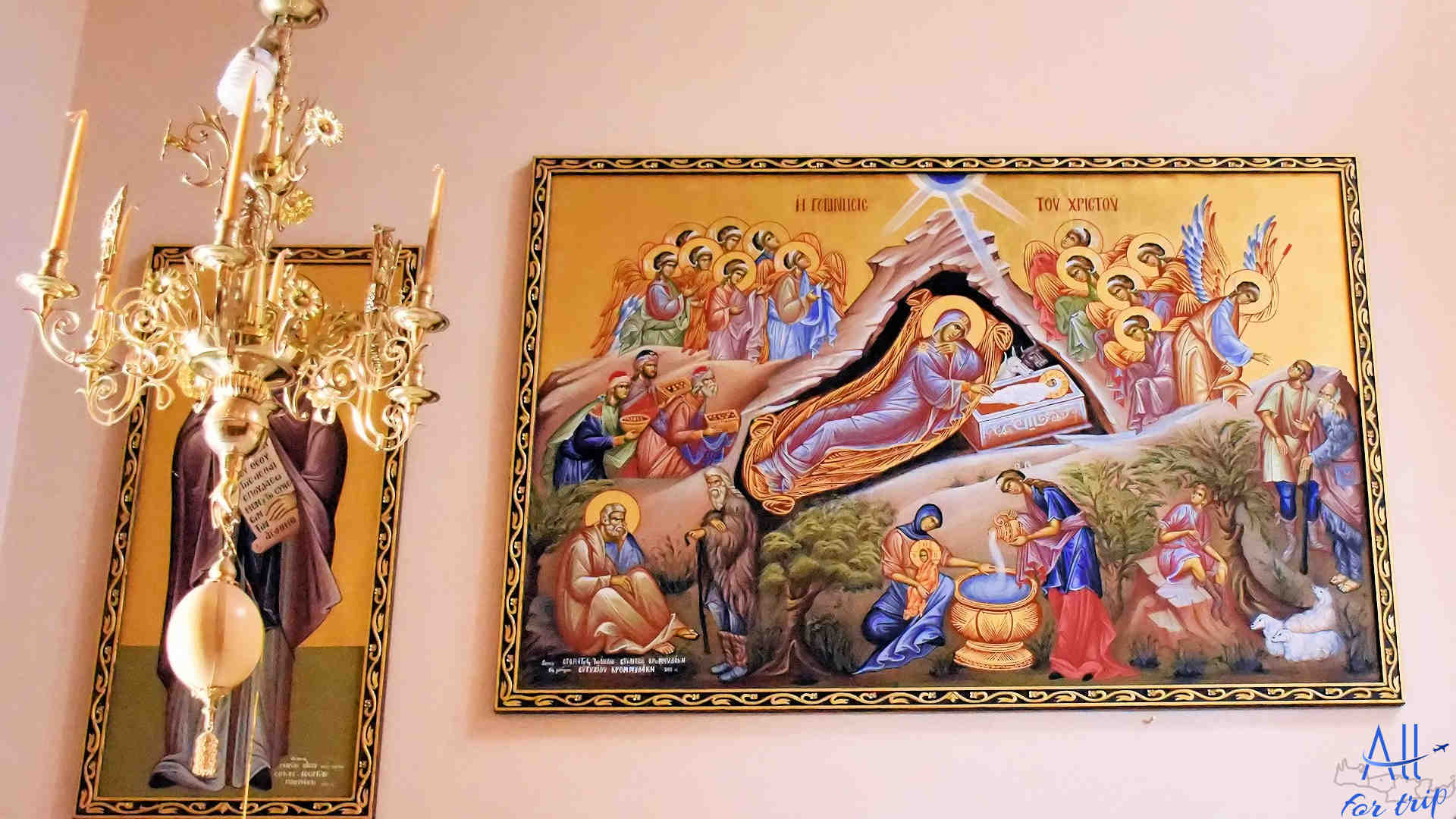
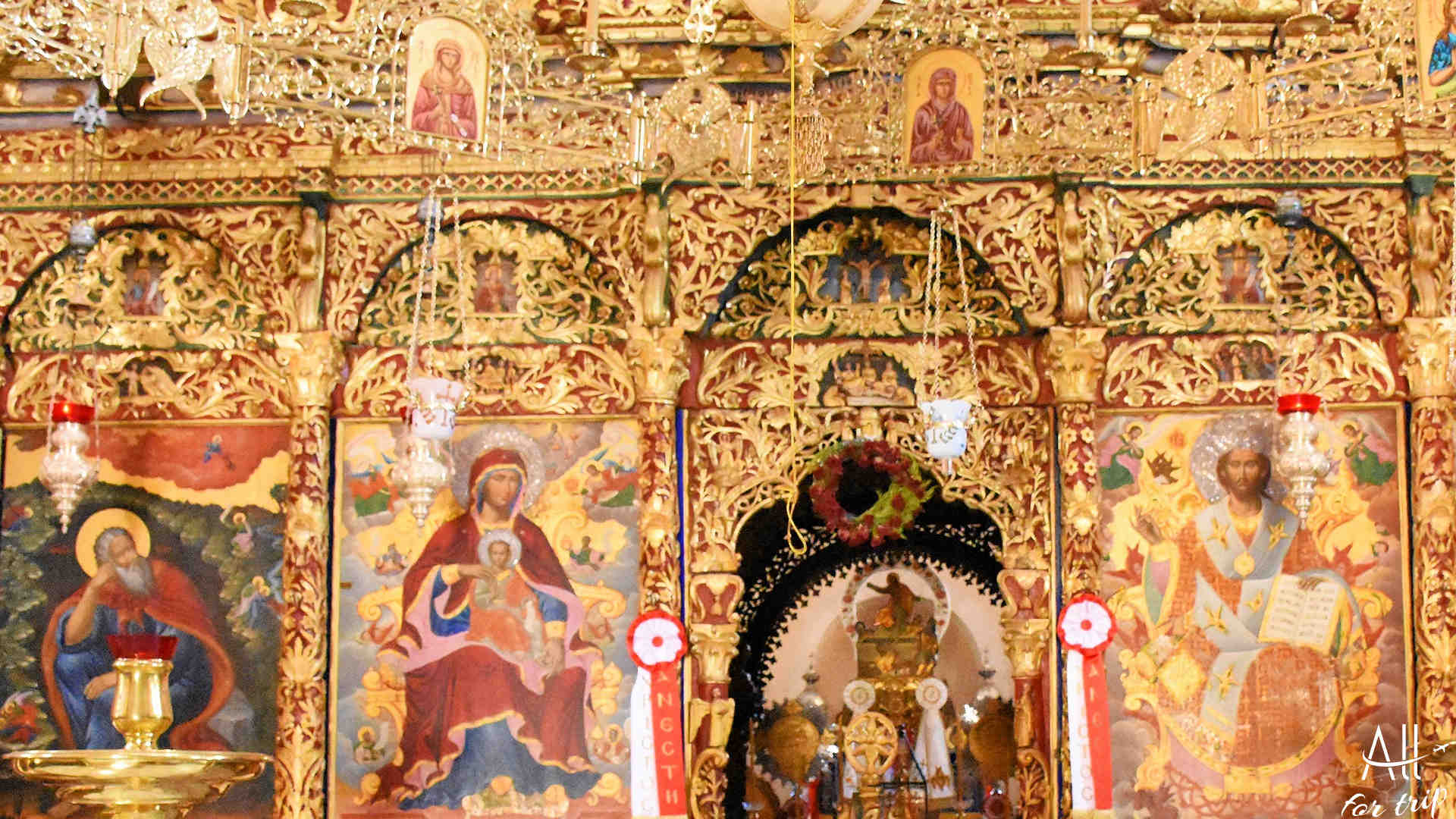
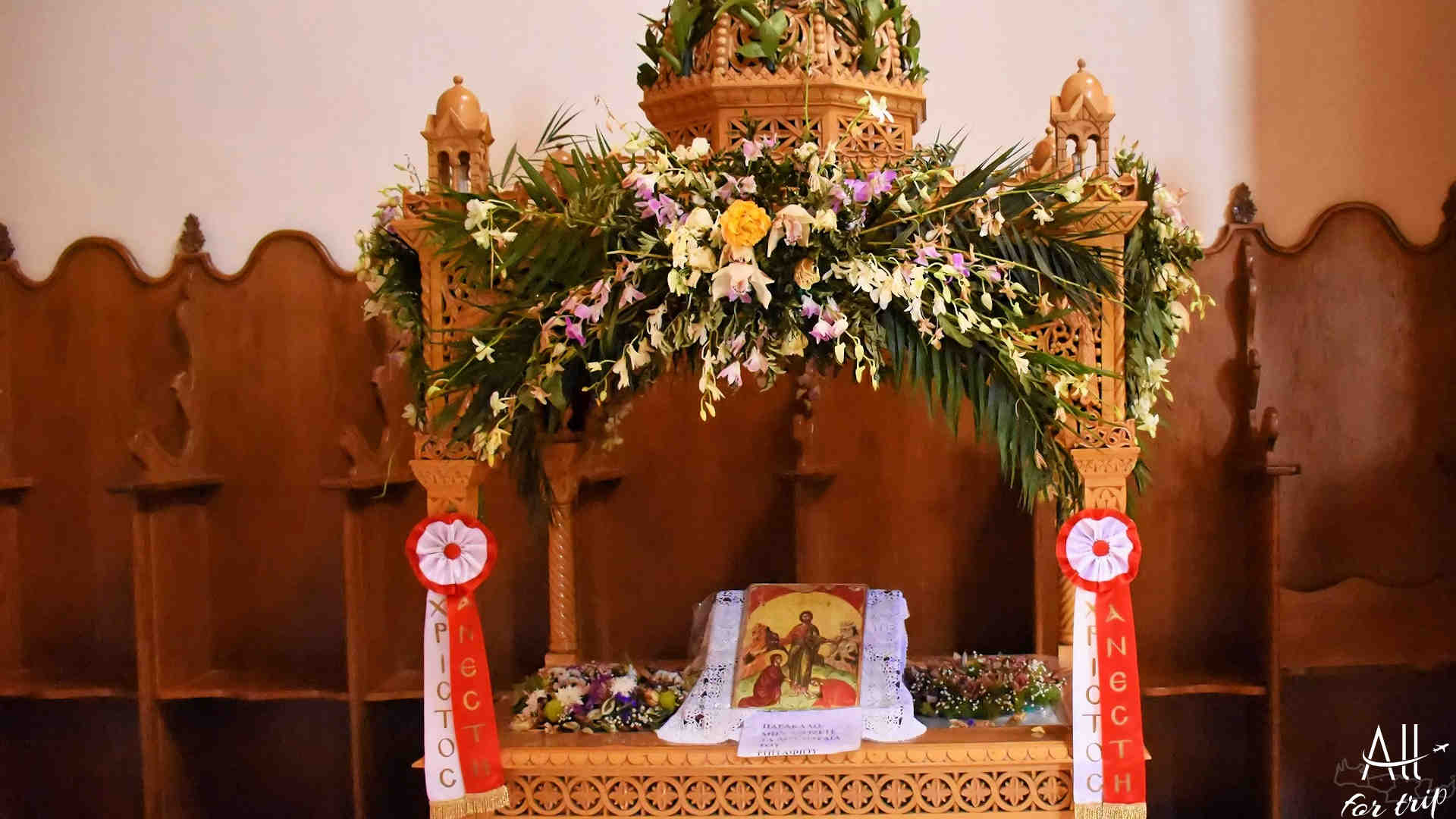
In the museum of the monastery, the visitors can see a rich collection of woodcuts and icons.
The icons are attributed to the artist Mercourios of Santorini.
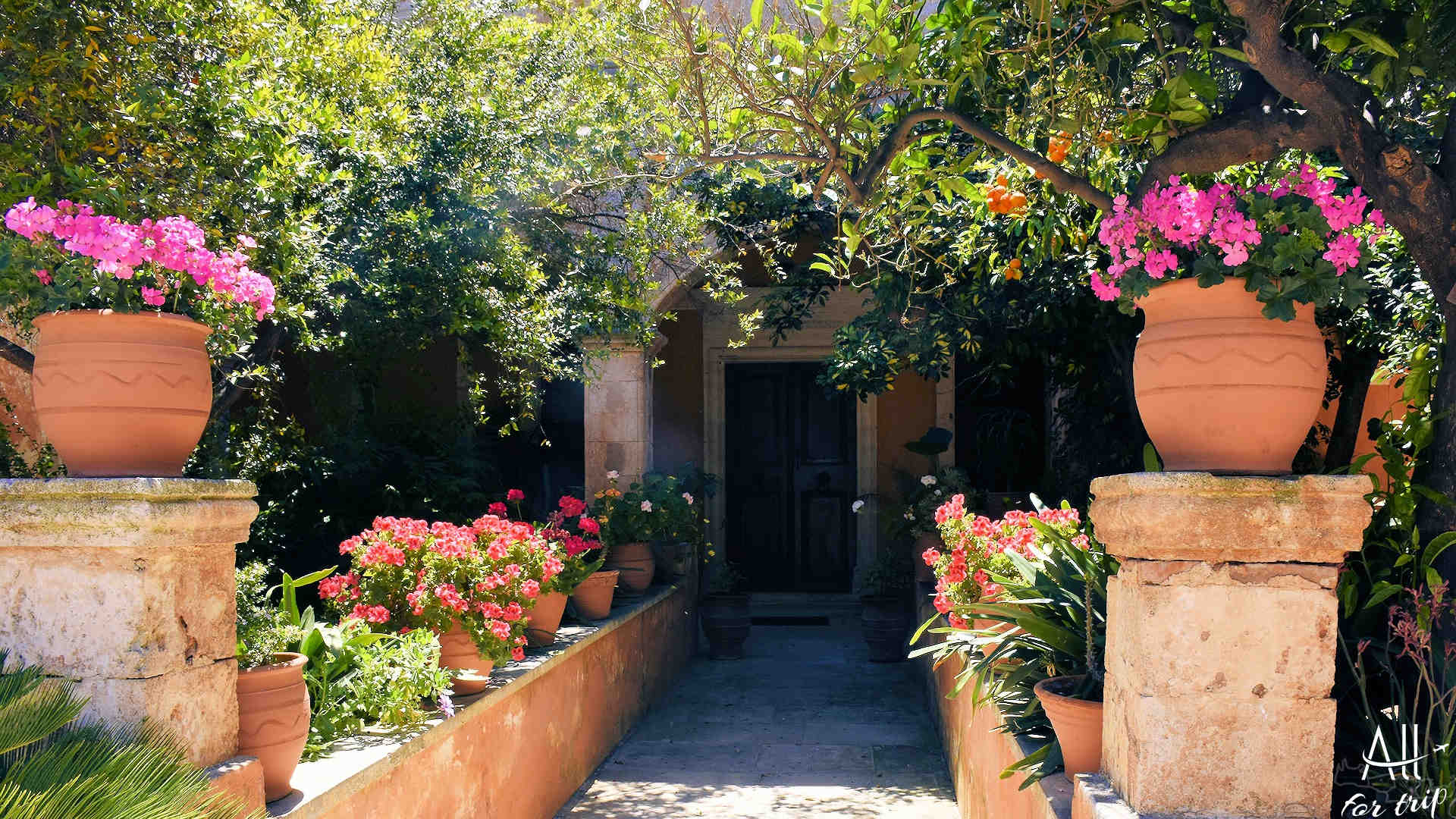
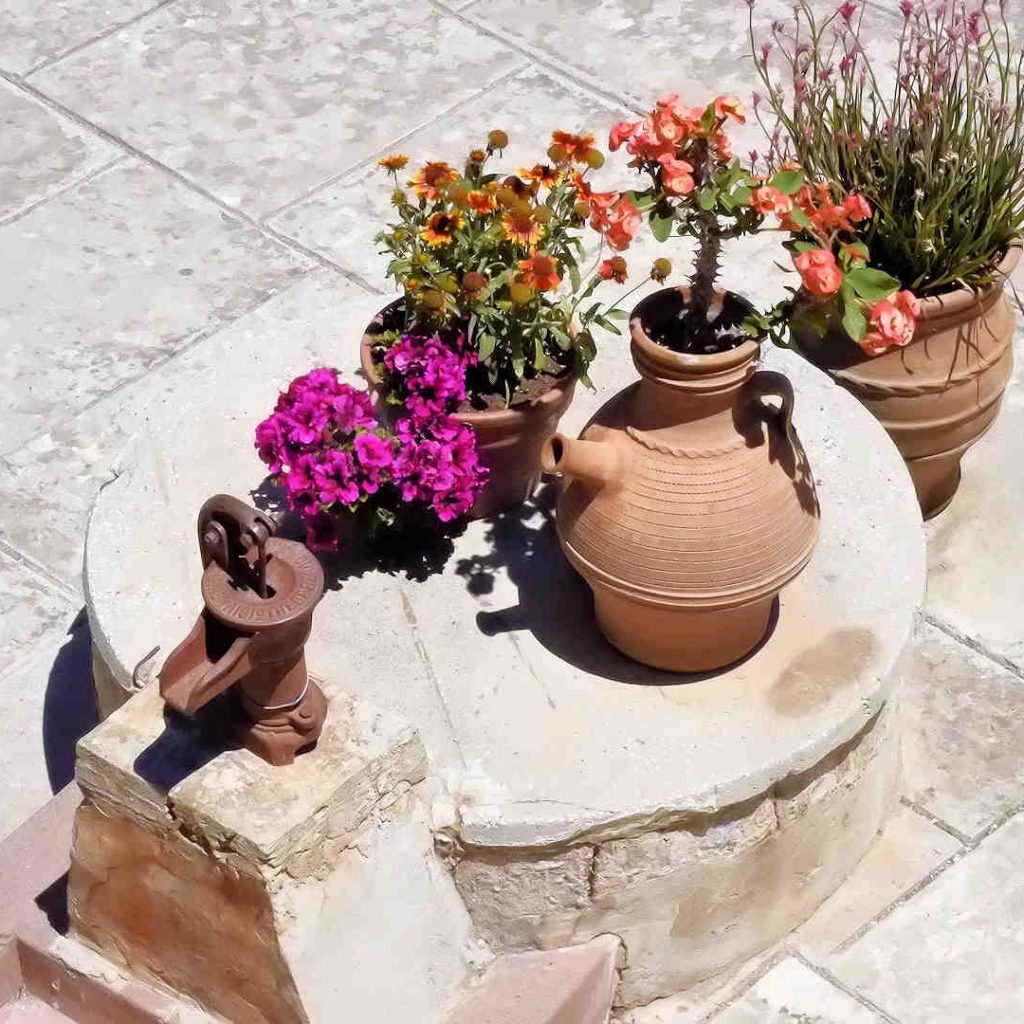
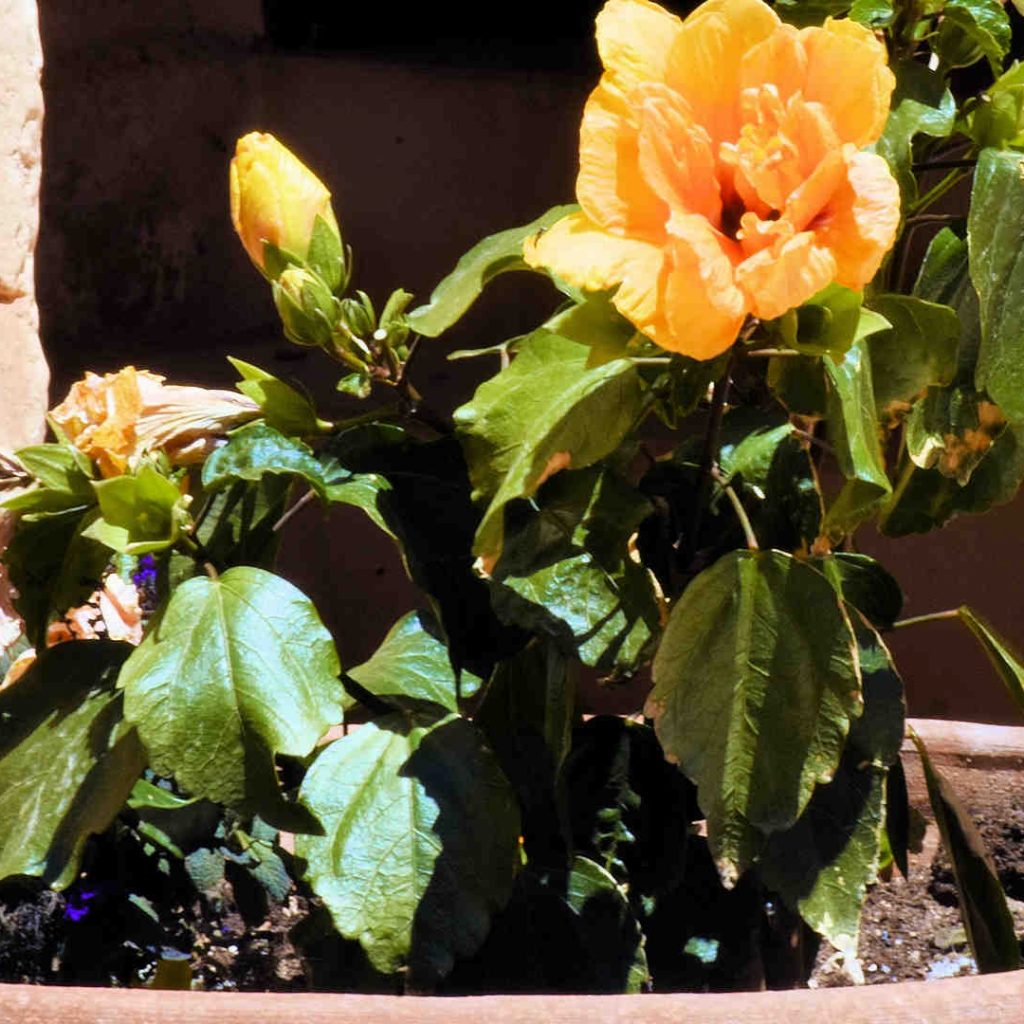
The inner courtyard is well cared for, so it is beautiful. Whoever enters the gate will see the wells and stairs adorned with bougainvillea, oleander and other seasonal flowers.
To the south is the monastery library.
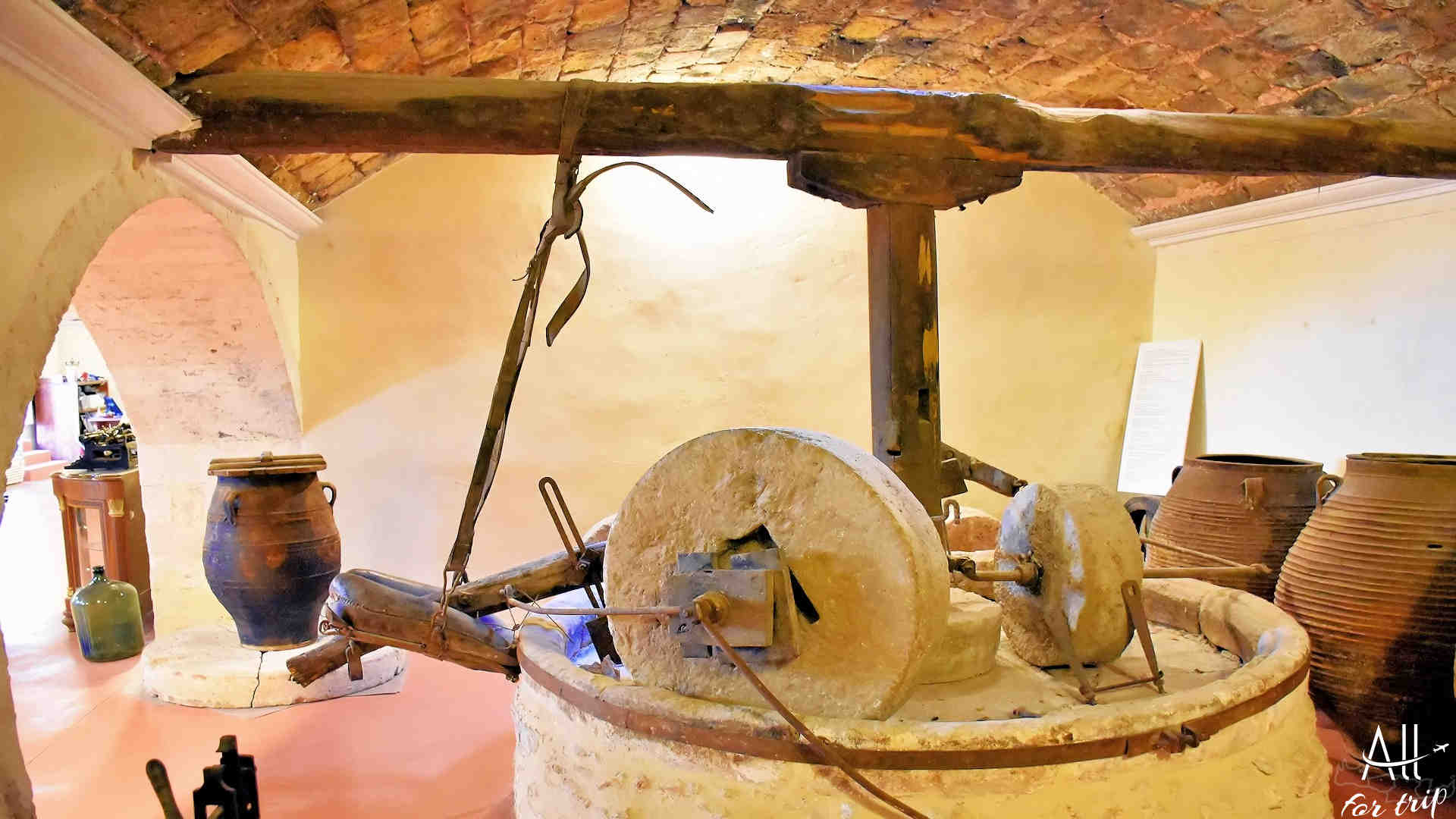
The west wing of the monastery is a three-storey building. Part of it was a warehouse where wine and olive oil were once stored.
[/swpm_protected]
The monastery church
The church was completed after the Greek Revolution.
Features of the church:
– it was built with three domes in Byzantine architectural style
– the main church is dedicated to the Trinity
– shown on both sides of the main entrance: two large Doric-style columns and a smaller Corinthian column
– next to the main church there are two smaller chapels
– the first chapel is dedicated to the Spring of Life (Zoodochos Pigi)
– the second chapel is dedicated to St. John the Theologian
– On the façade of the church there is a double column of Ionian and Corinthian, with Greek inscription: dated 1631
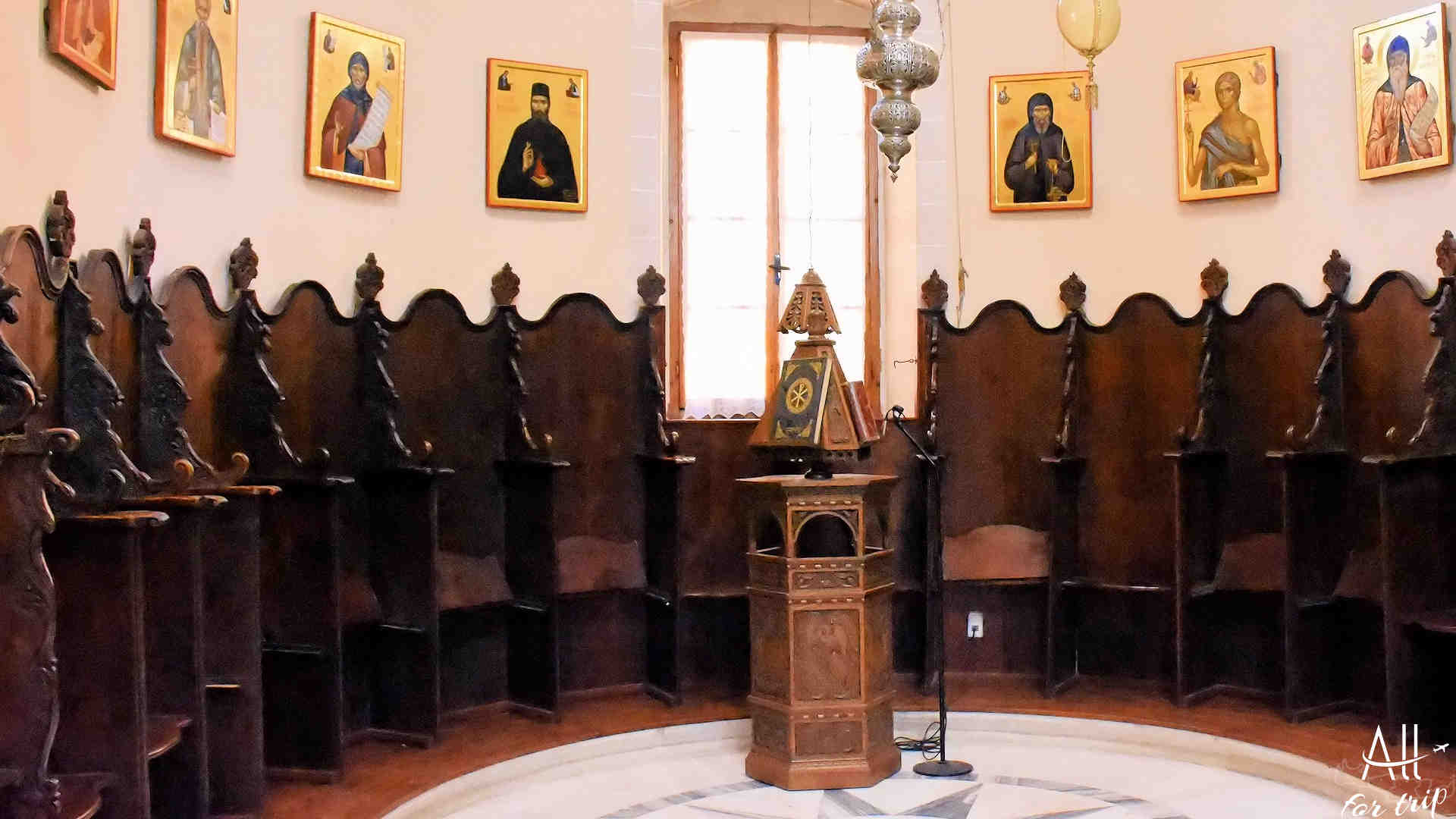
– of its original decoration, only the gilded icon of the ground-floor chapel remains

Comment (0)