
Last updated:
MUSEUM OF ANCIENT SHIPBUILDING
The heart of Venetian part of Chania is houses the museum.
To the left are the restaurants offering excellent and delicious food.
To the right is the Venetian city wall, and the road: which leads to Agios Nikolaos Molos bastion and to the lighthouse.
The Museum of Ancient Shipbuilding, and the Maritime Museum Crete are two separate museums. The two museums, with the walk along the coast: exactly 1 km.
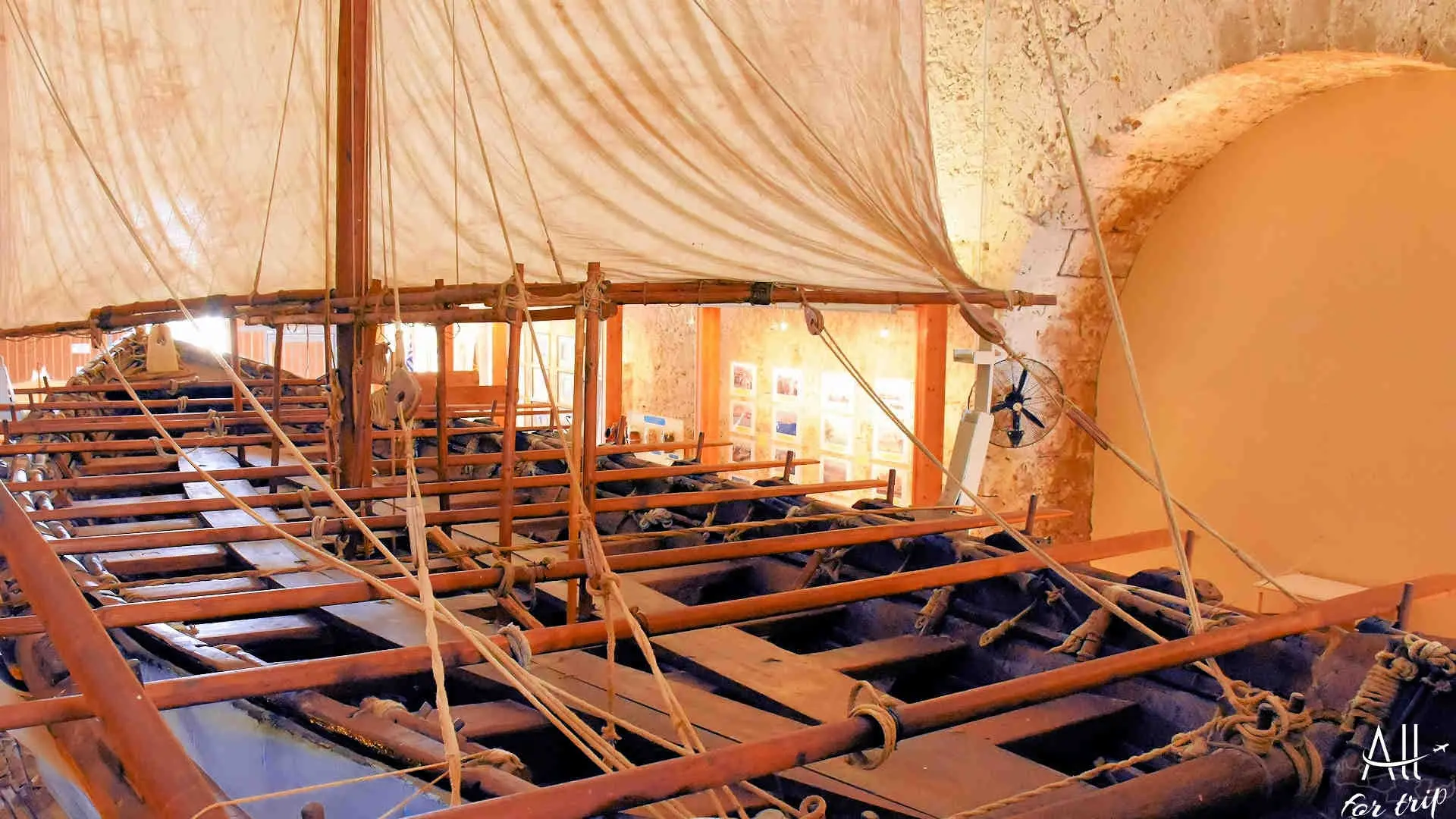
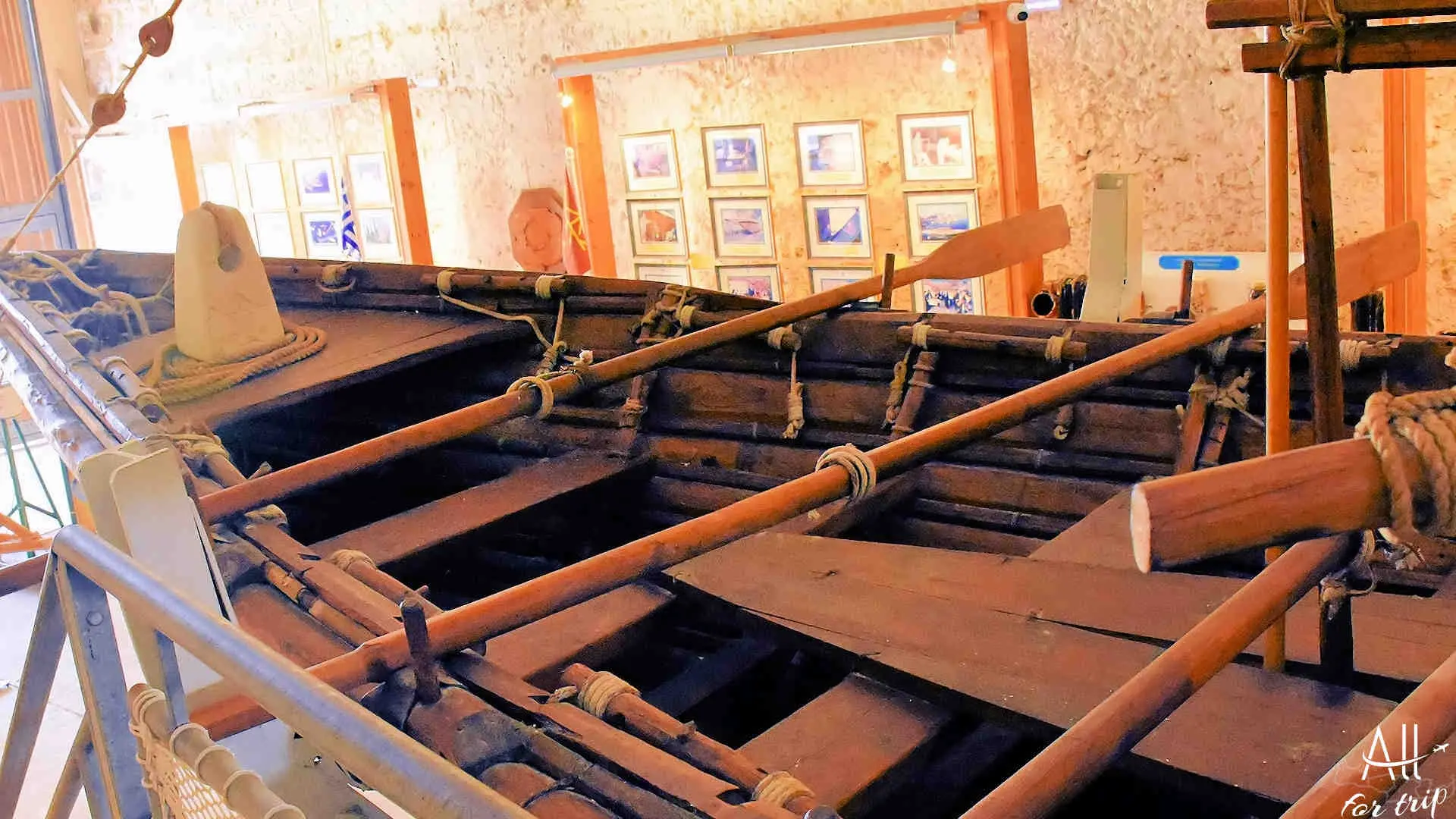
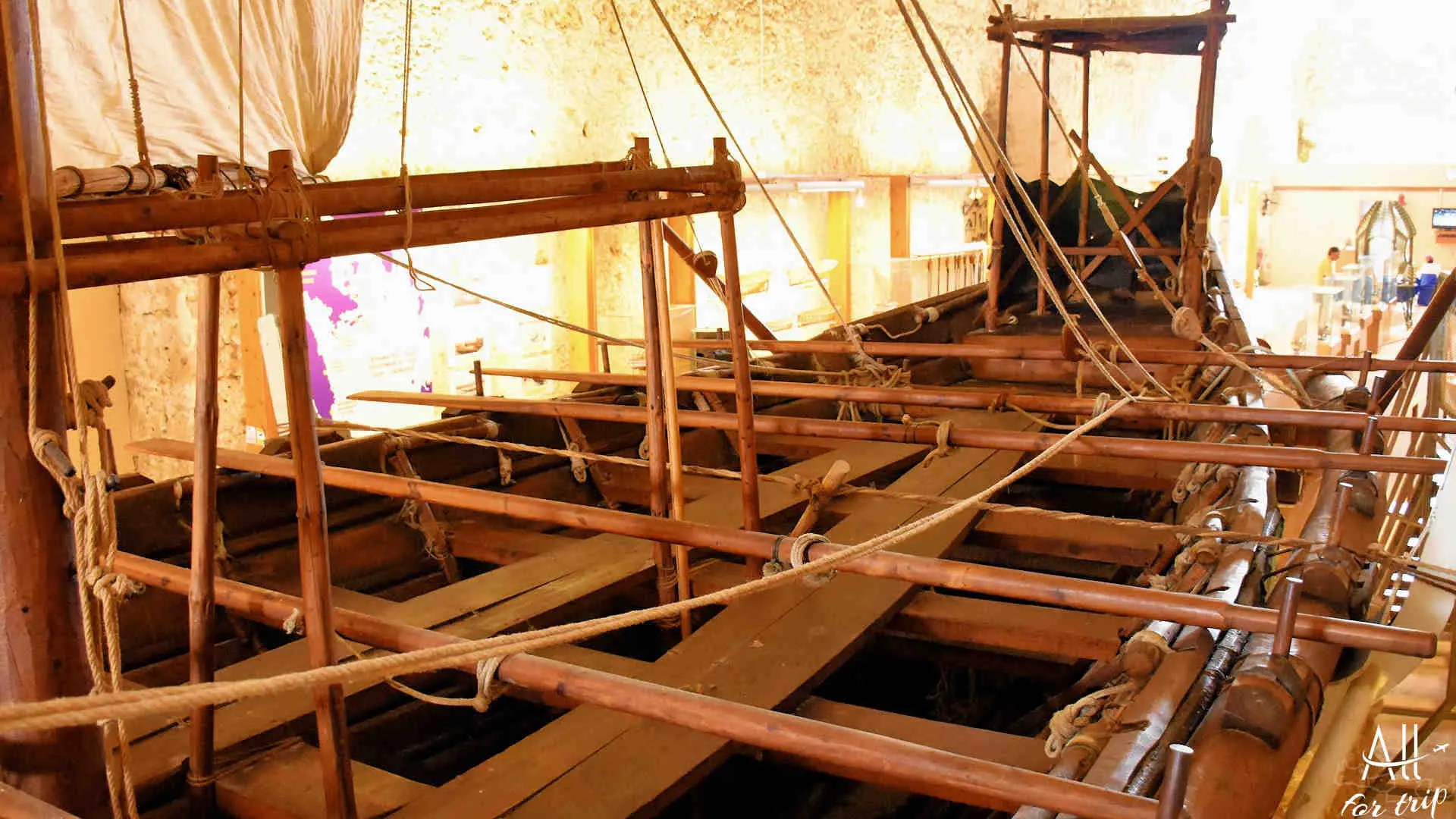
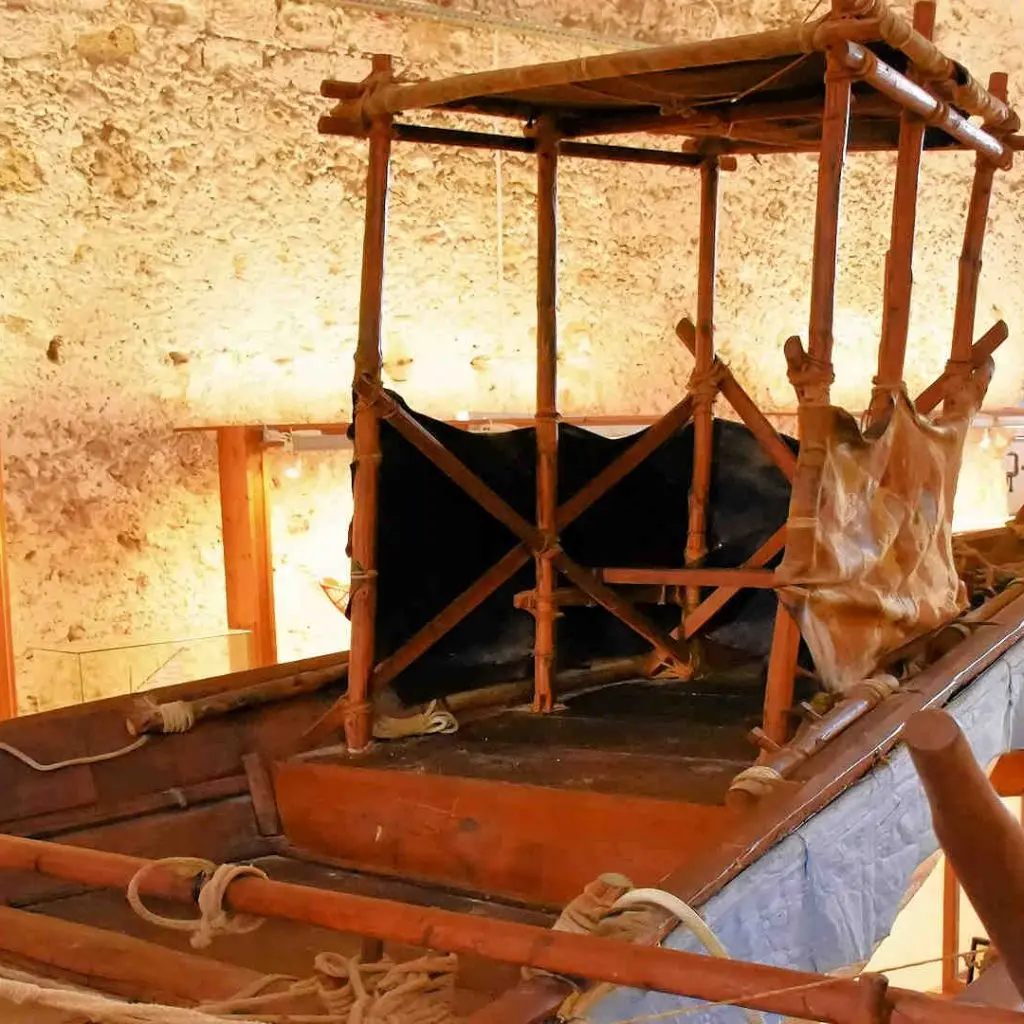
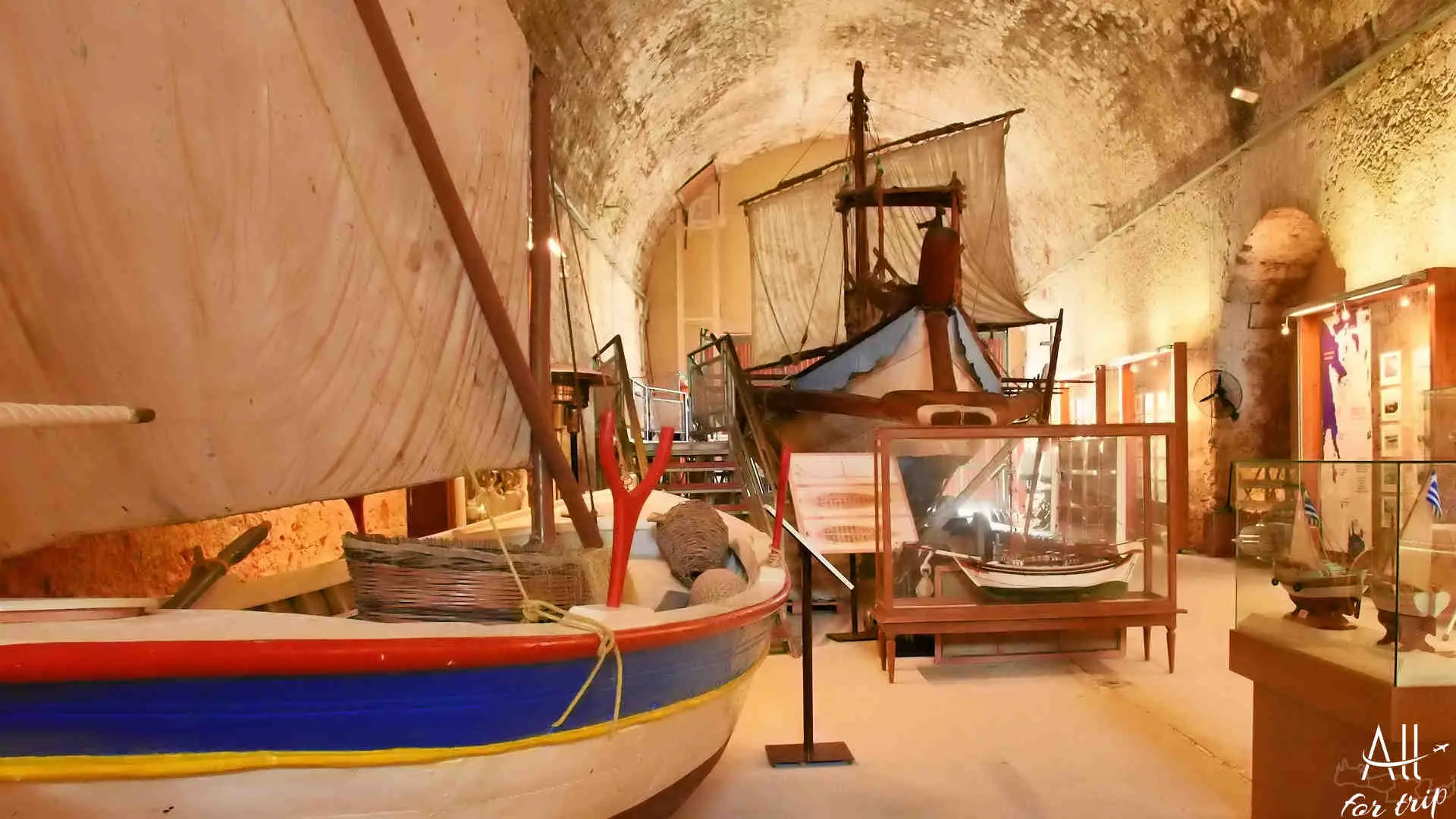
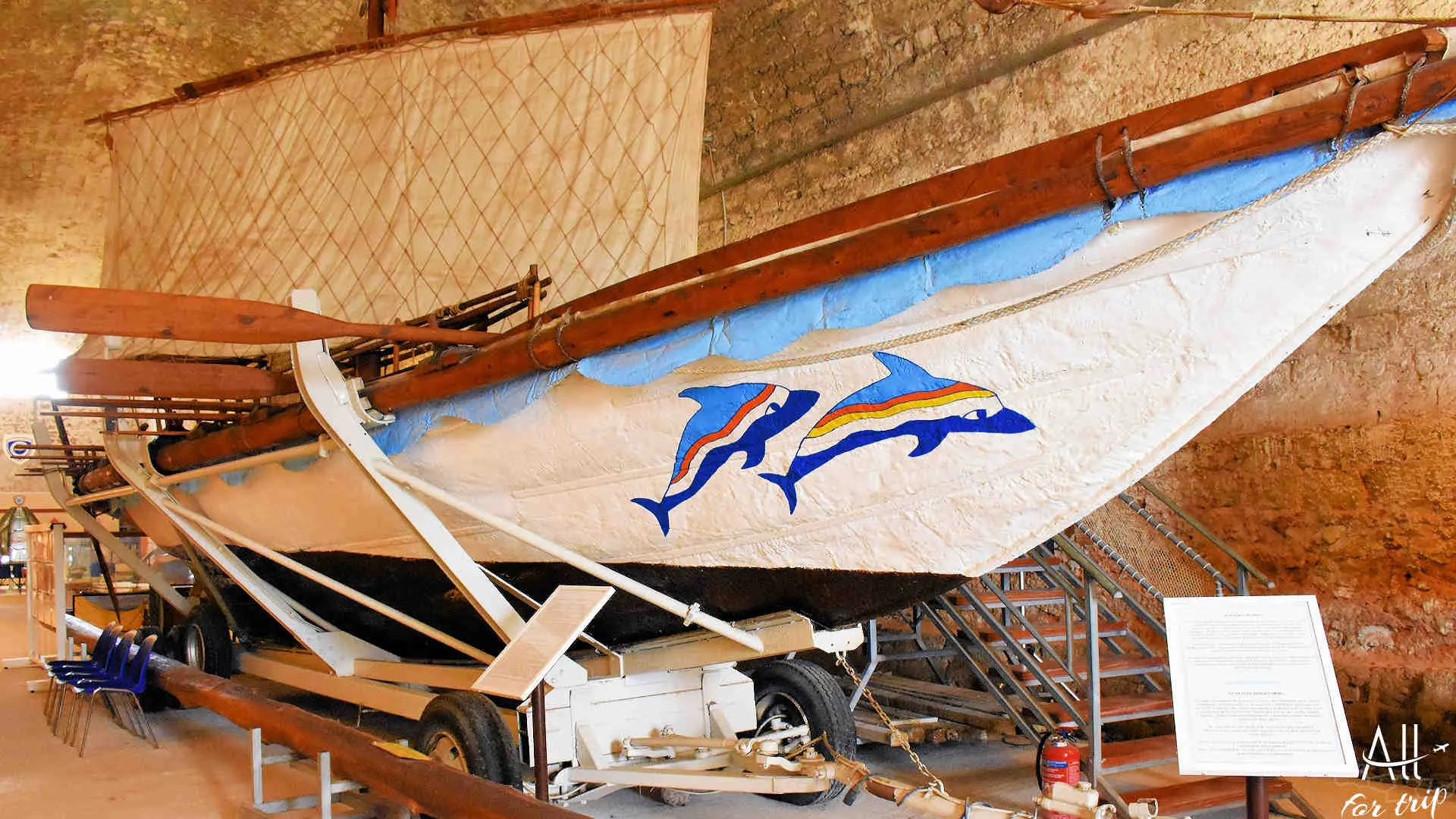
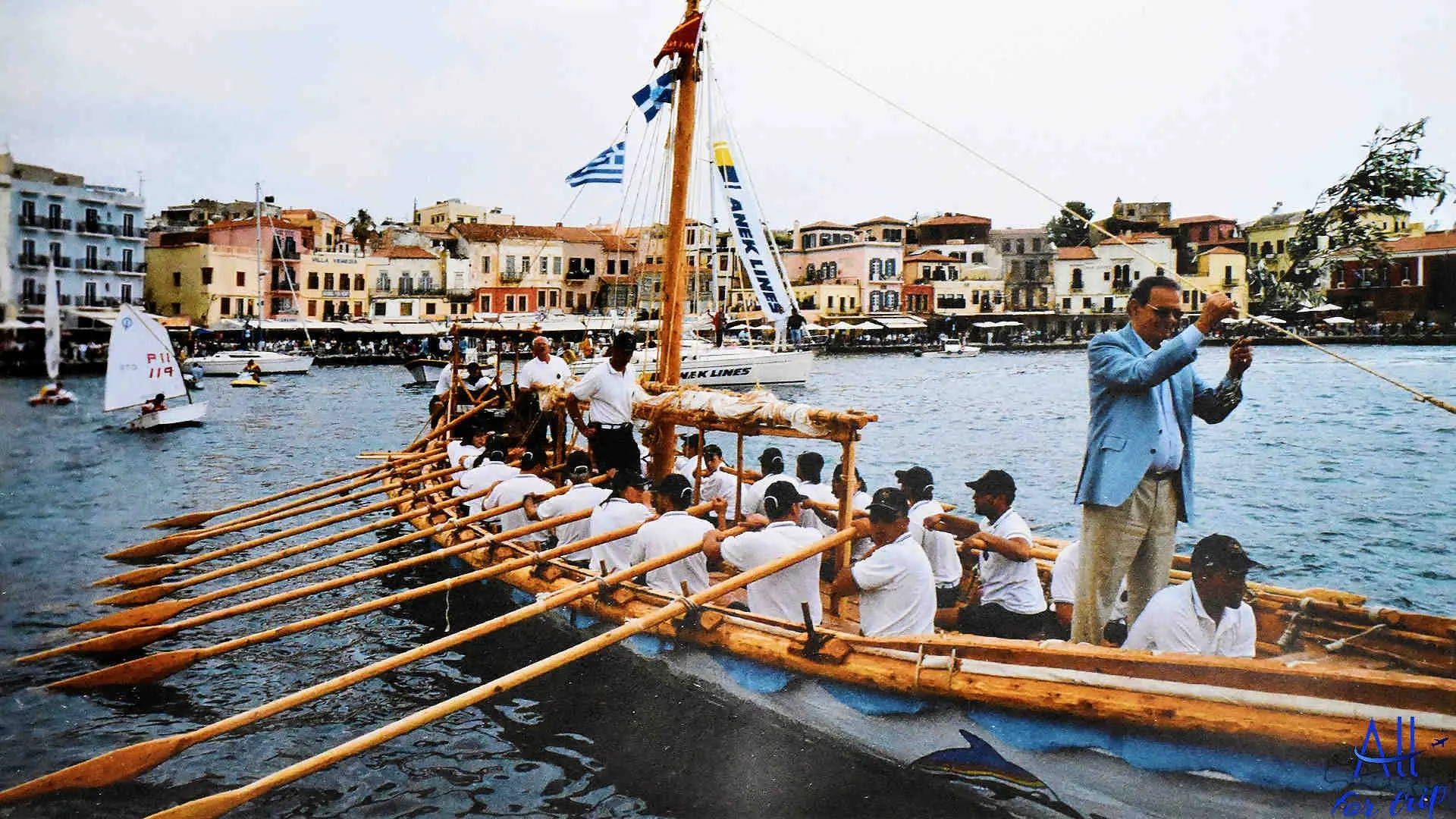
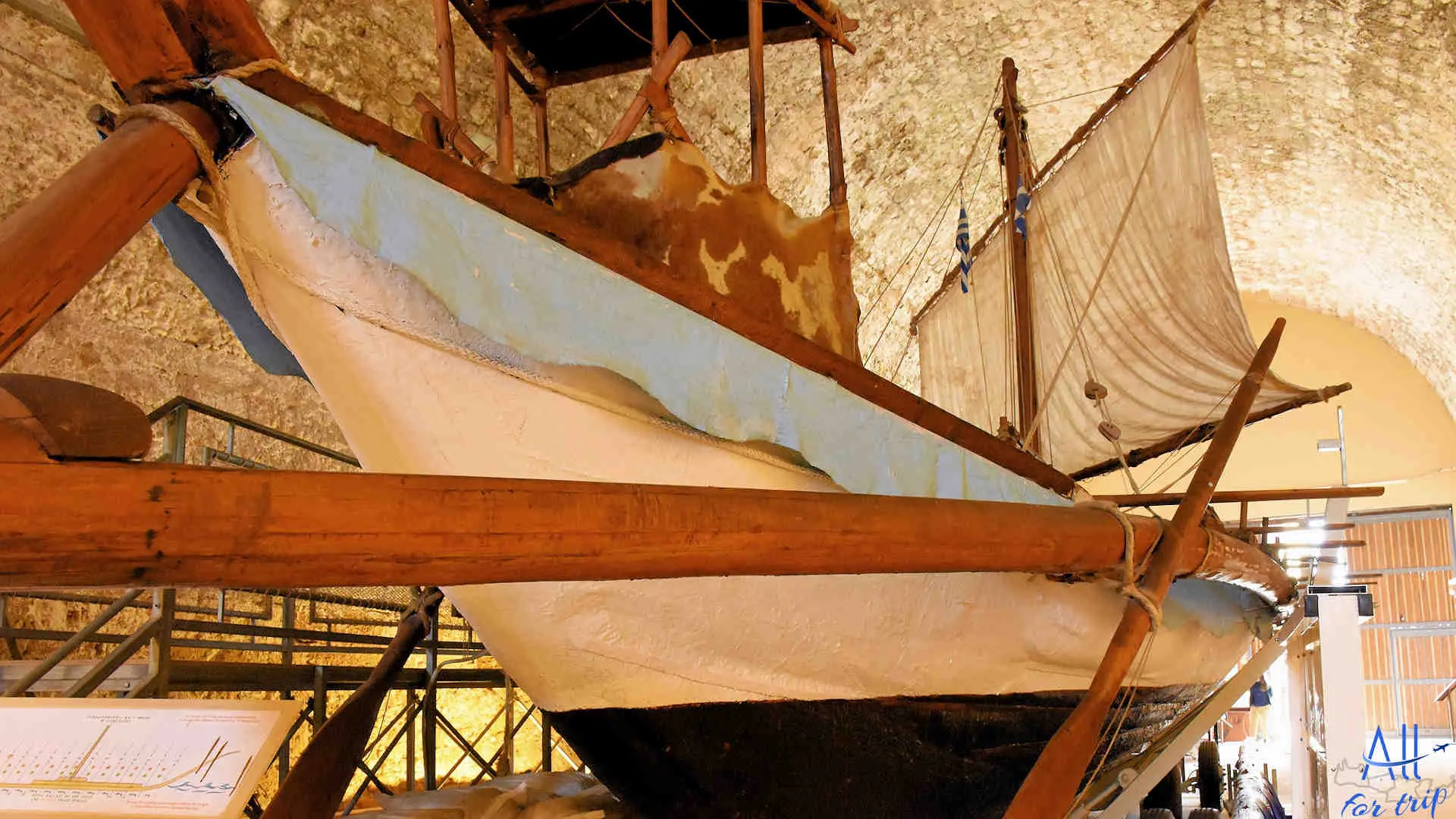
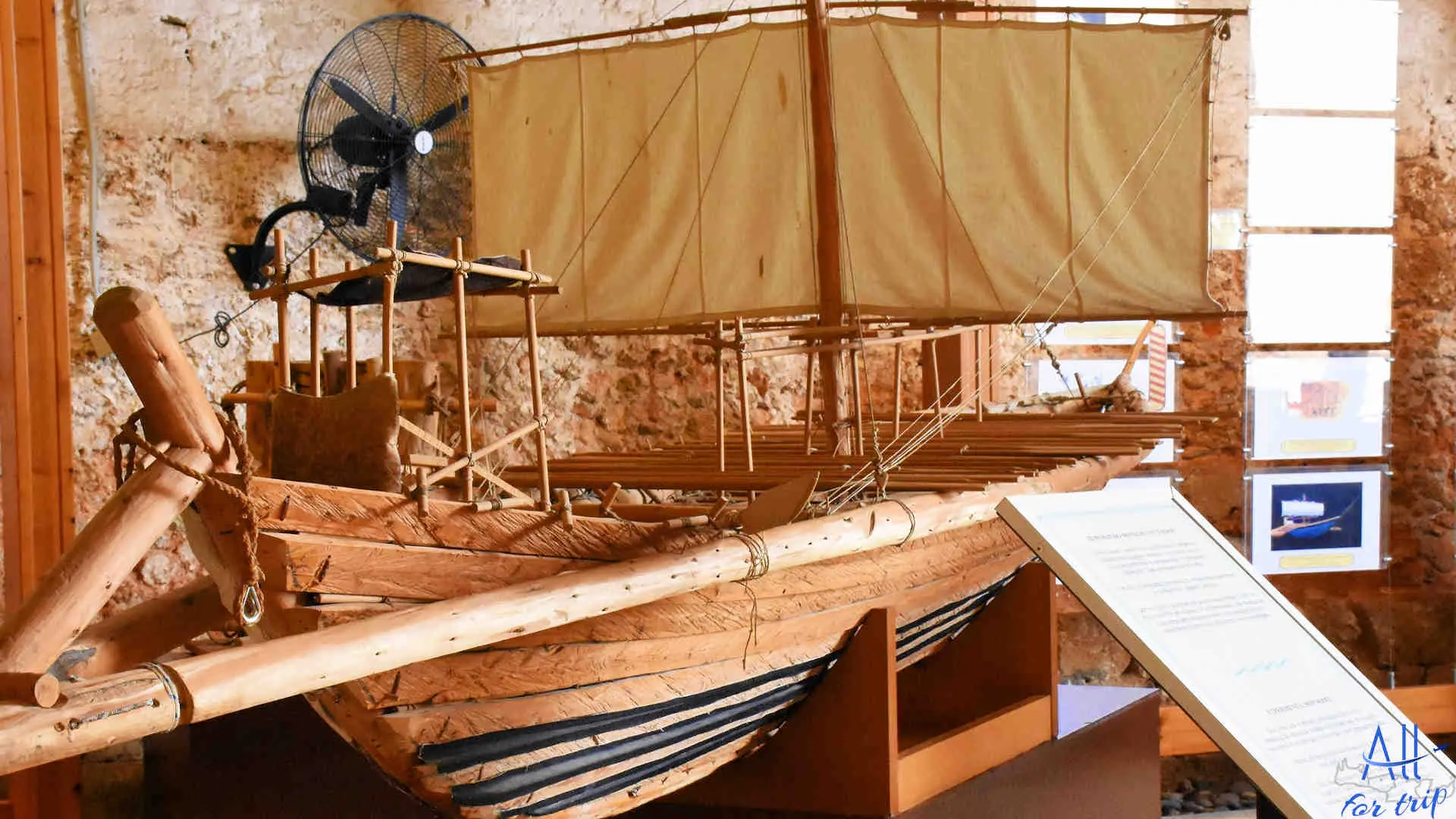
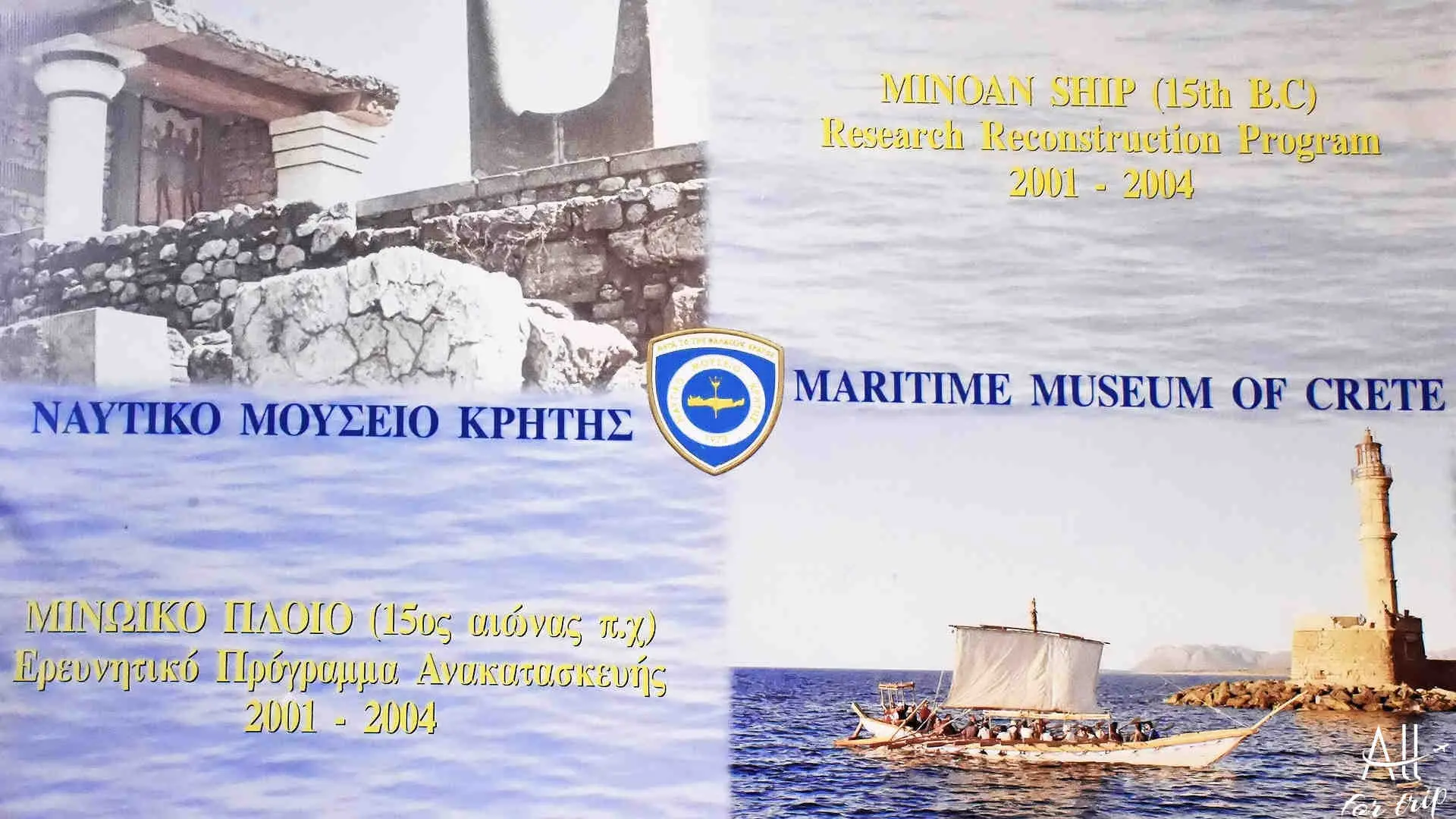
When we enter the museum building, then we can see, a copy of a ship used during the Minoan period.
16th -15th century BC – this ship dates from this period.
[swpm_protected format_protected_msg=”1″] GPS is very important! – GPS: 35.519195, 24.023284 [/swpm_protected]
2700 BC – 1450 BC – The flourishing of the Minoan civilization: which formed in the Bronze Age in Crete.
Europe’s first advanced civilization:
[swpm_protected format_protected_msg=”1″] – created huge, complex building complexes
– stunning works of art come from this period
– tools
– writing system
– has developed a huge commercial network
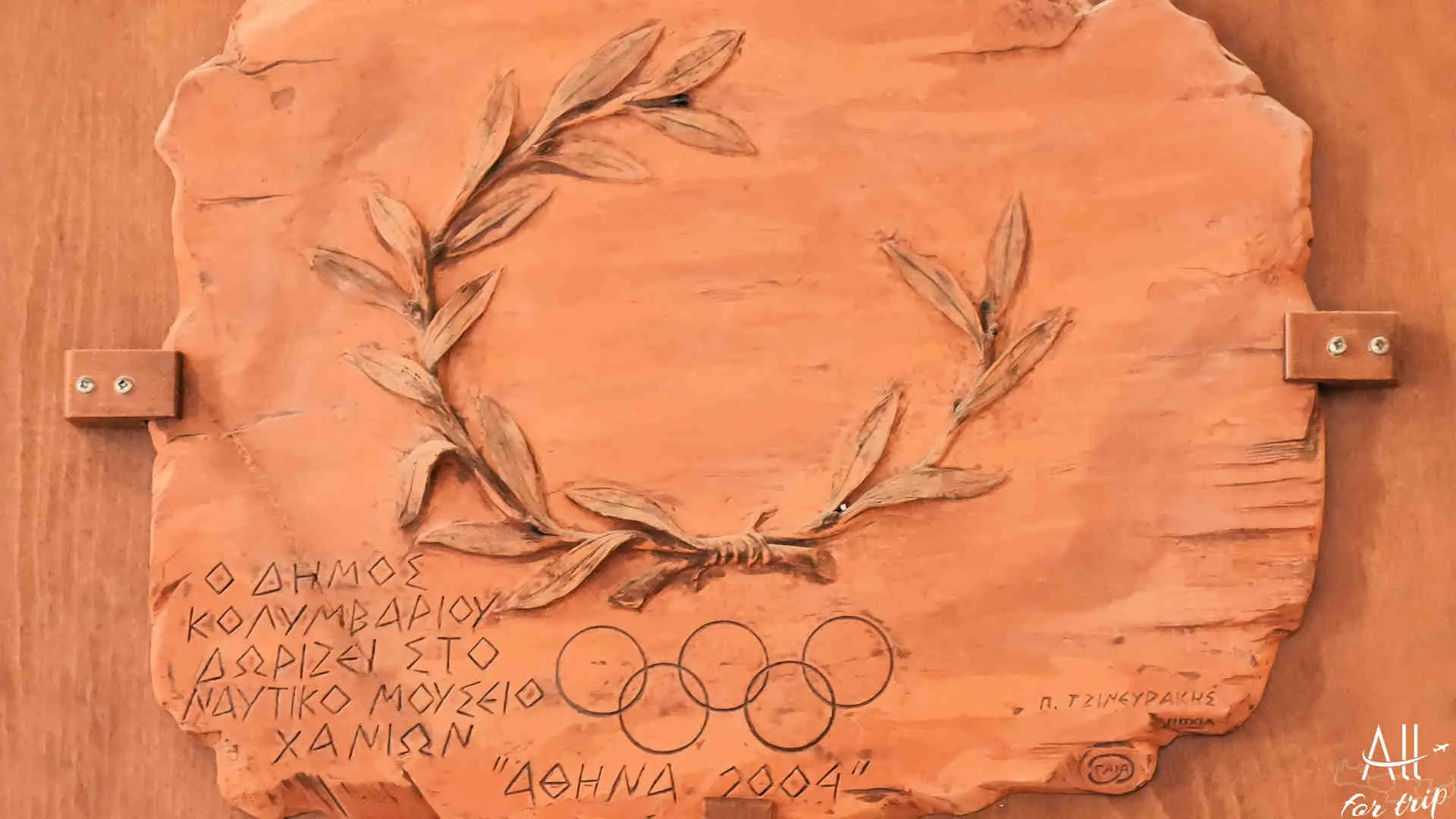
With this ship, the olive tree branches, used for the wreaths of victory: were taken from Crete to Athens, for the 2004 Olympic Games.
With this ship, they carried the Olympic flame.
We can examine this unique ship very closely, in detail, at the museum. [/swpm_protected]
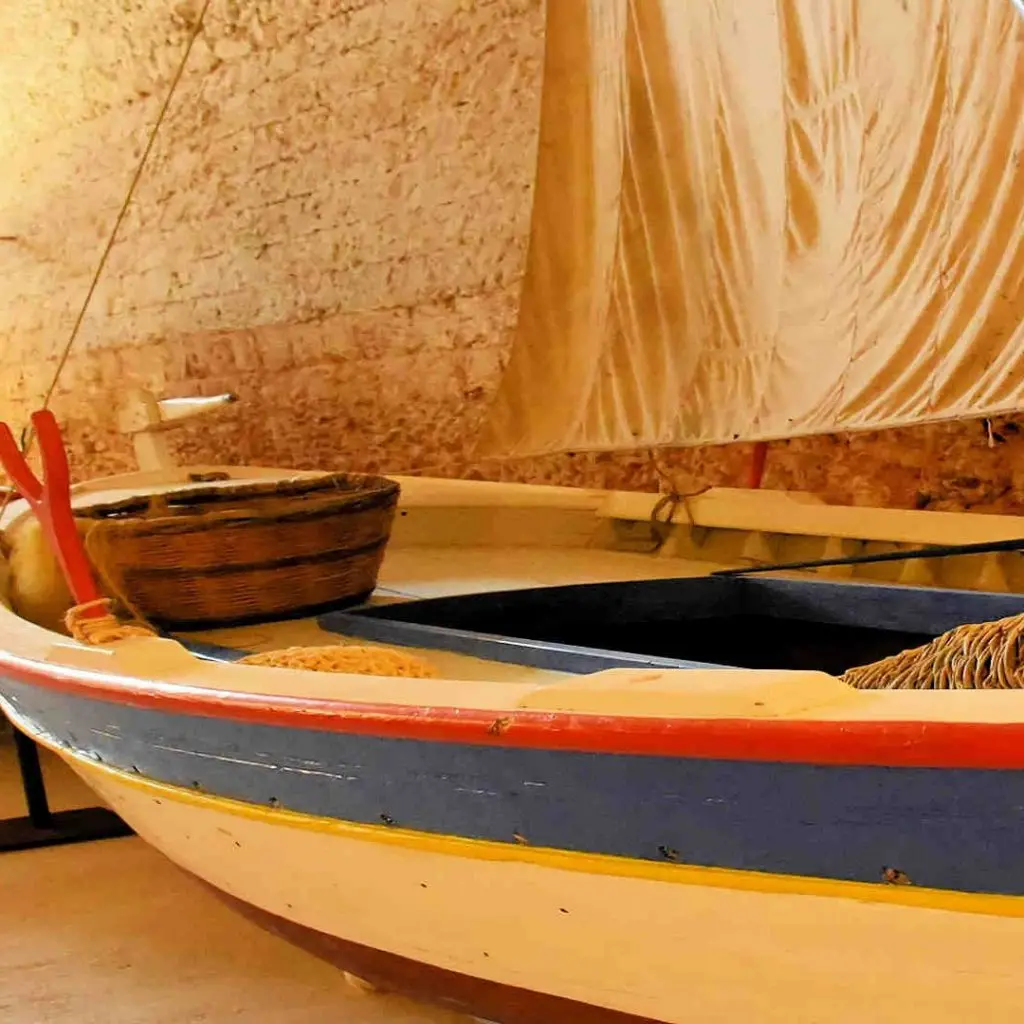
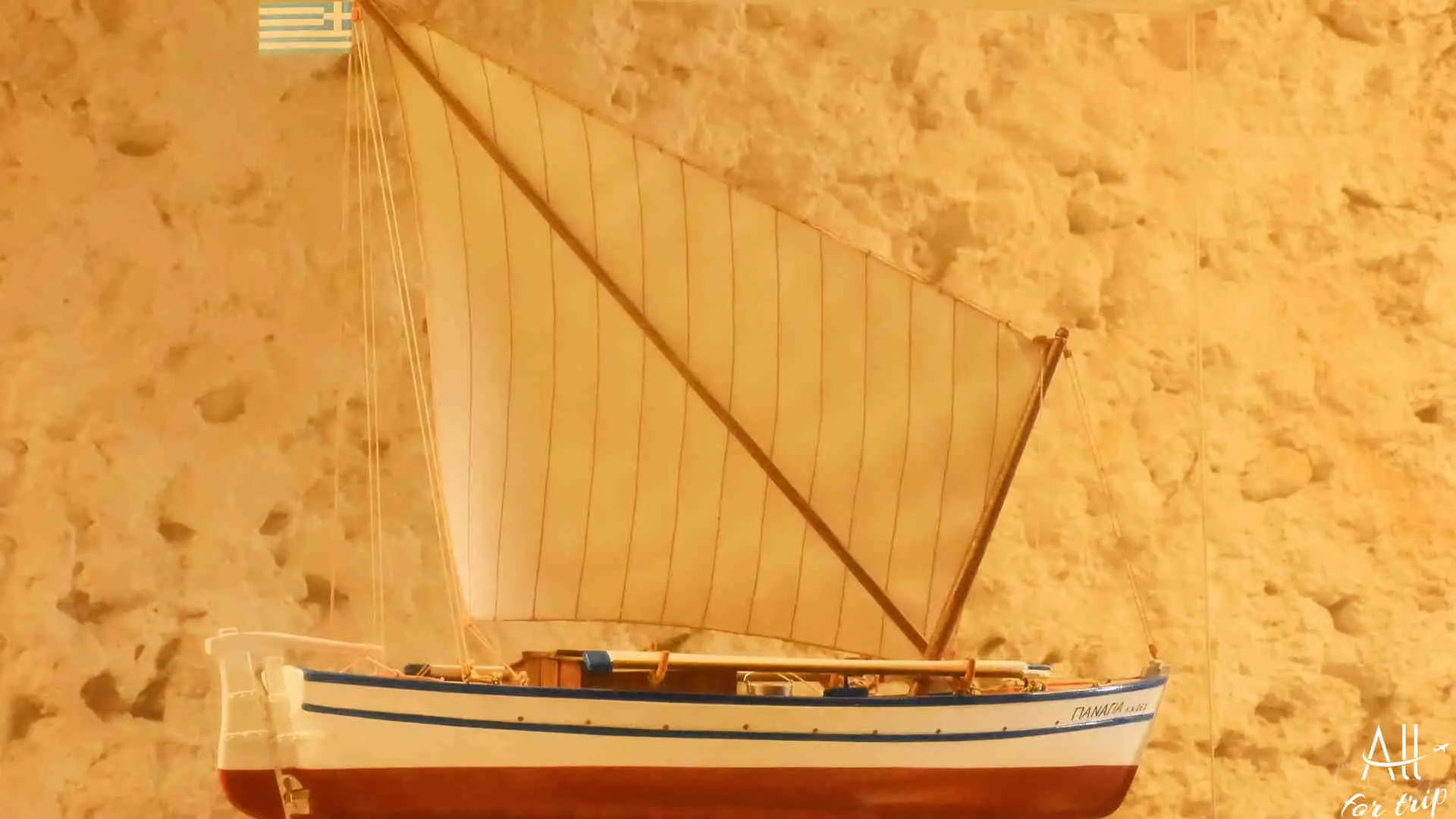
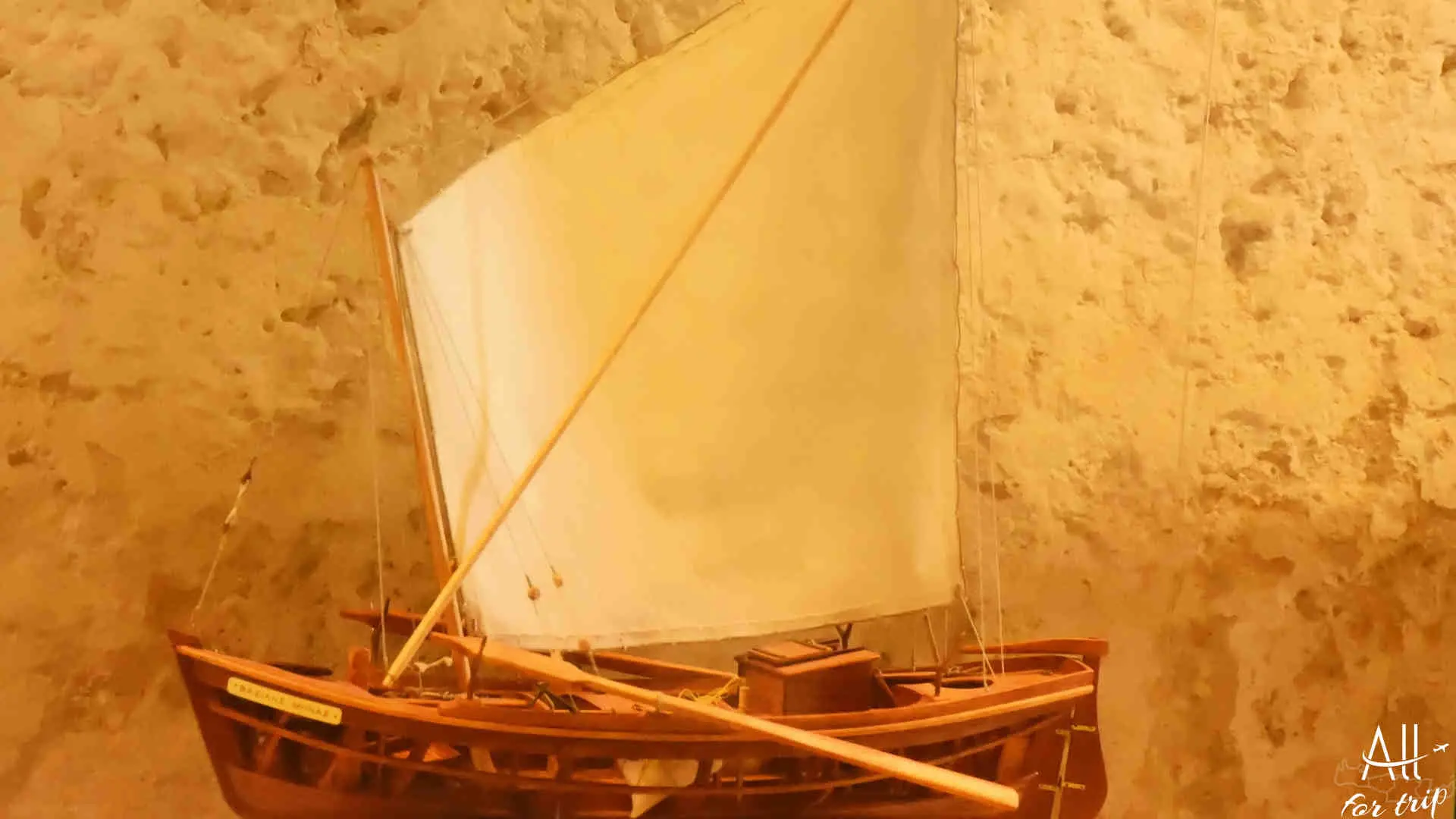
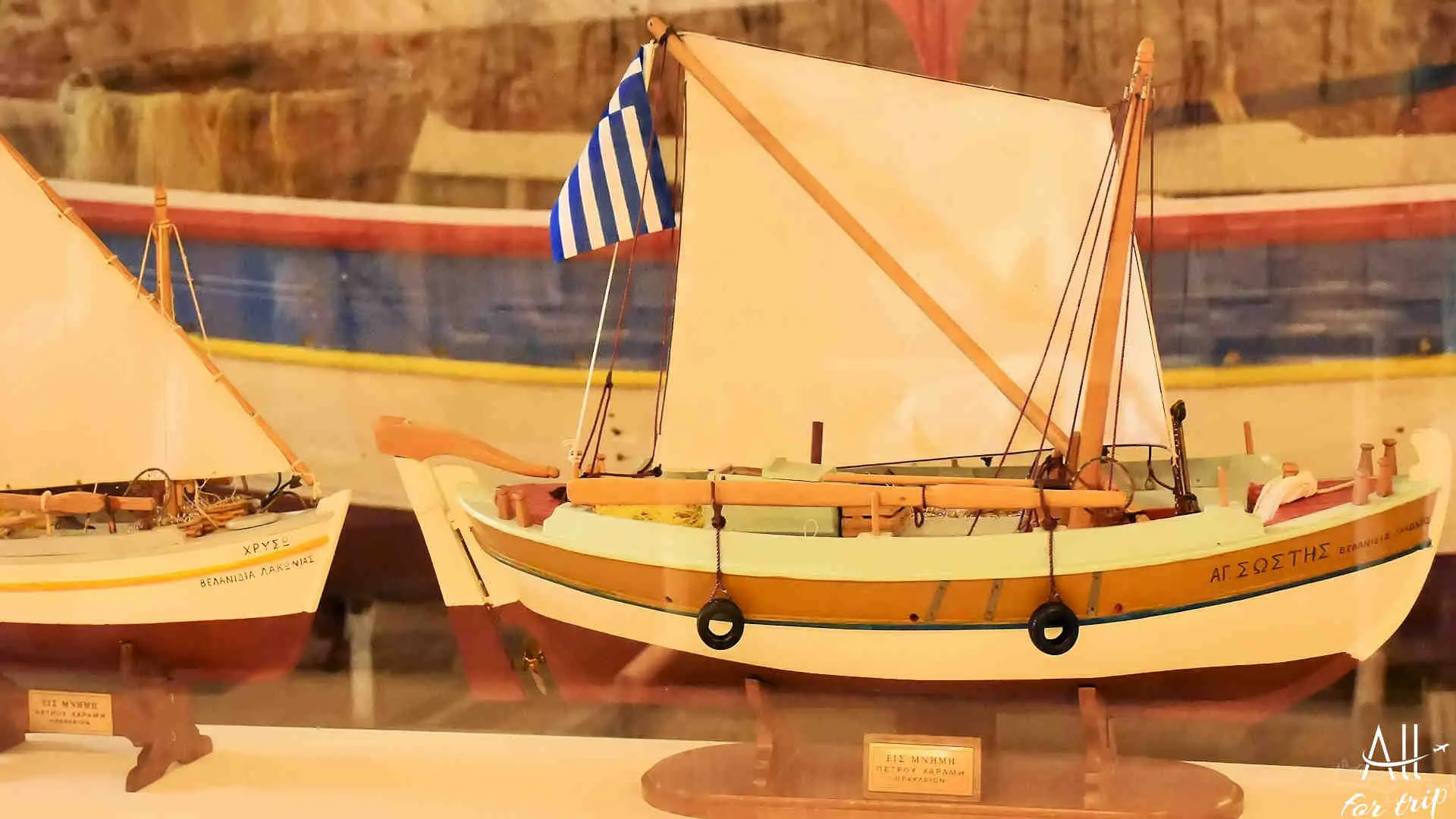
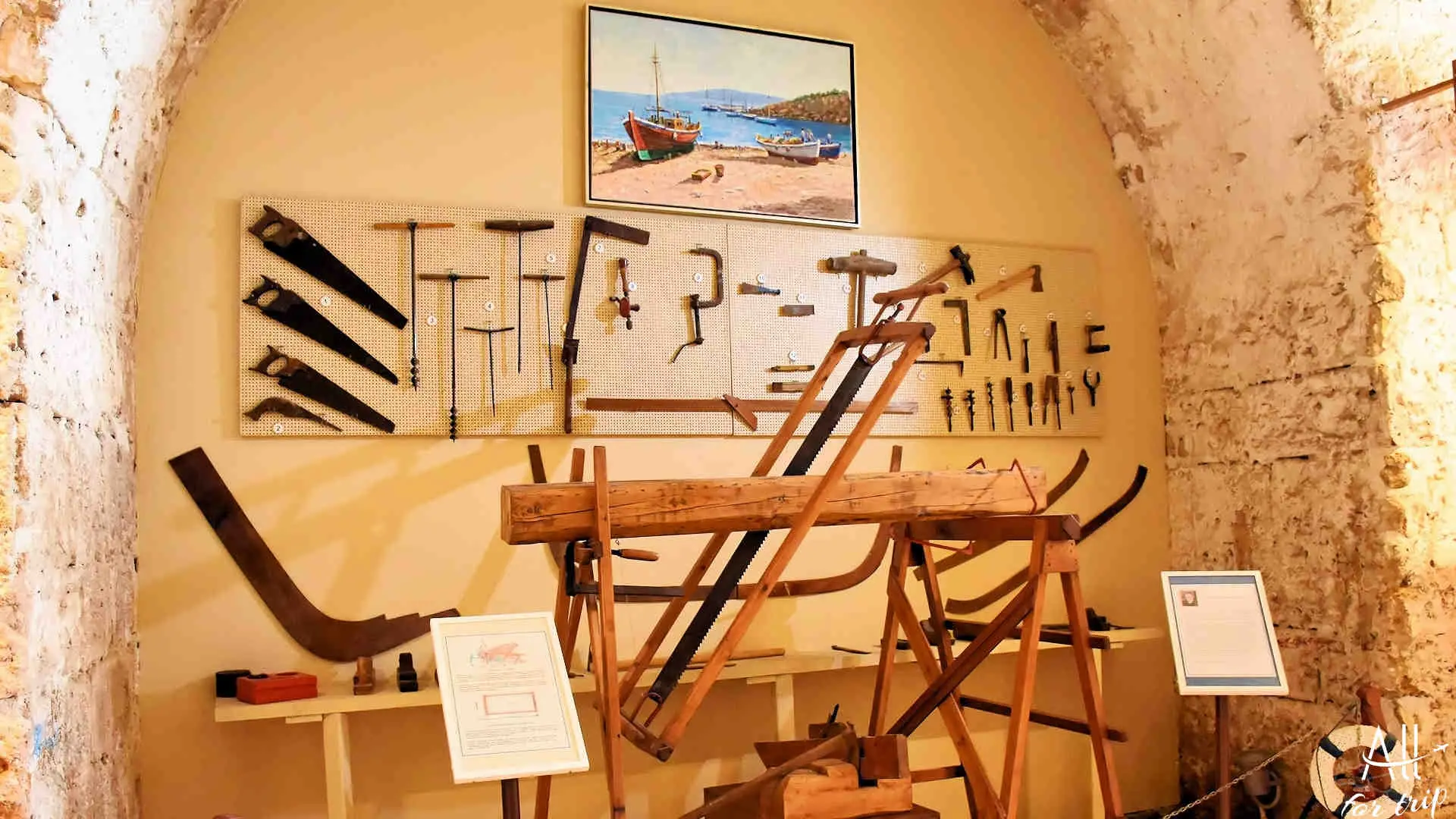
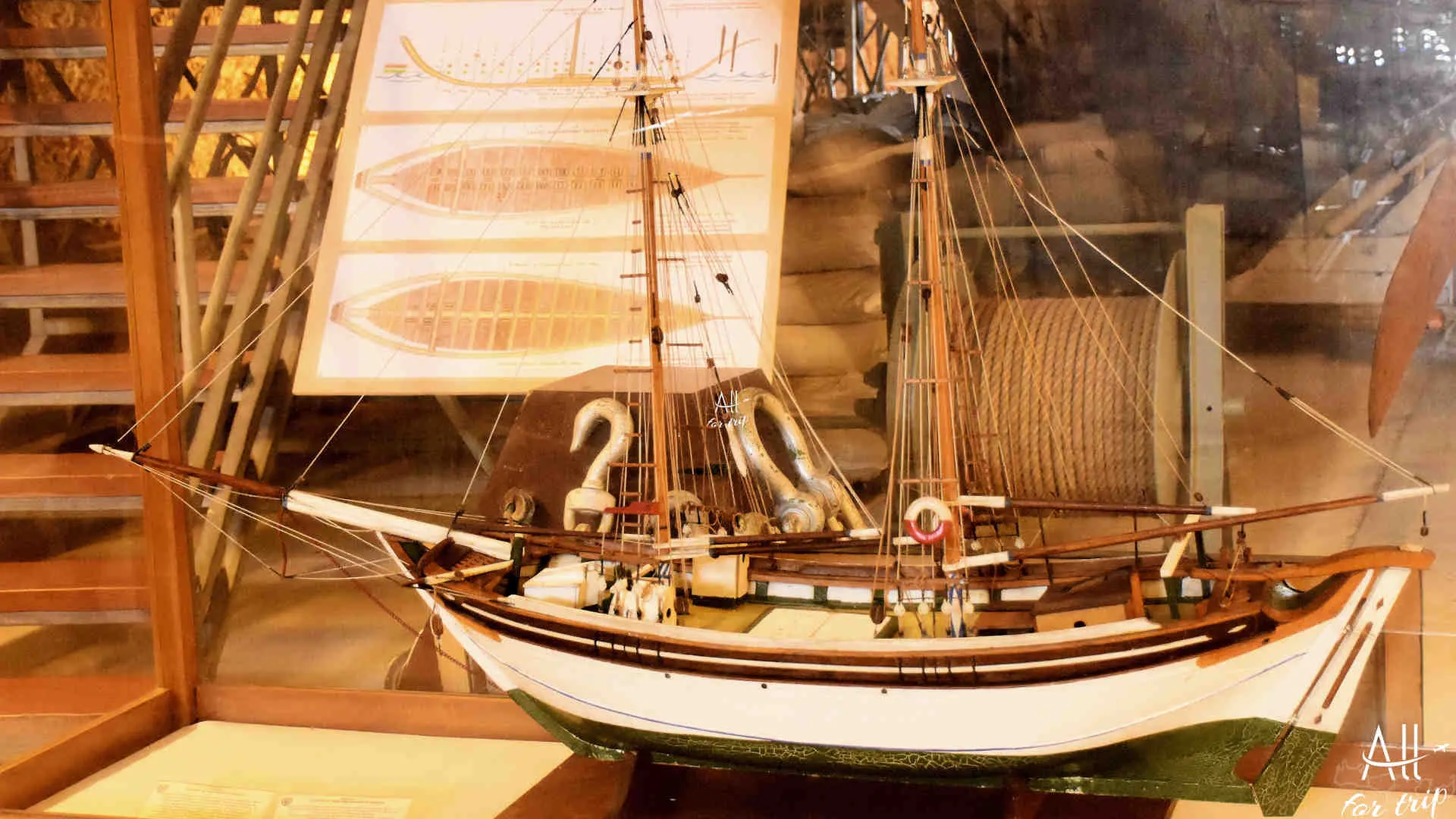
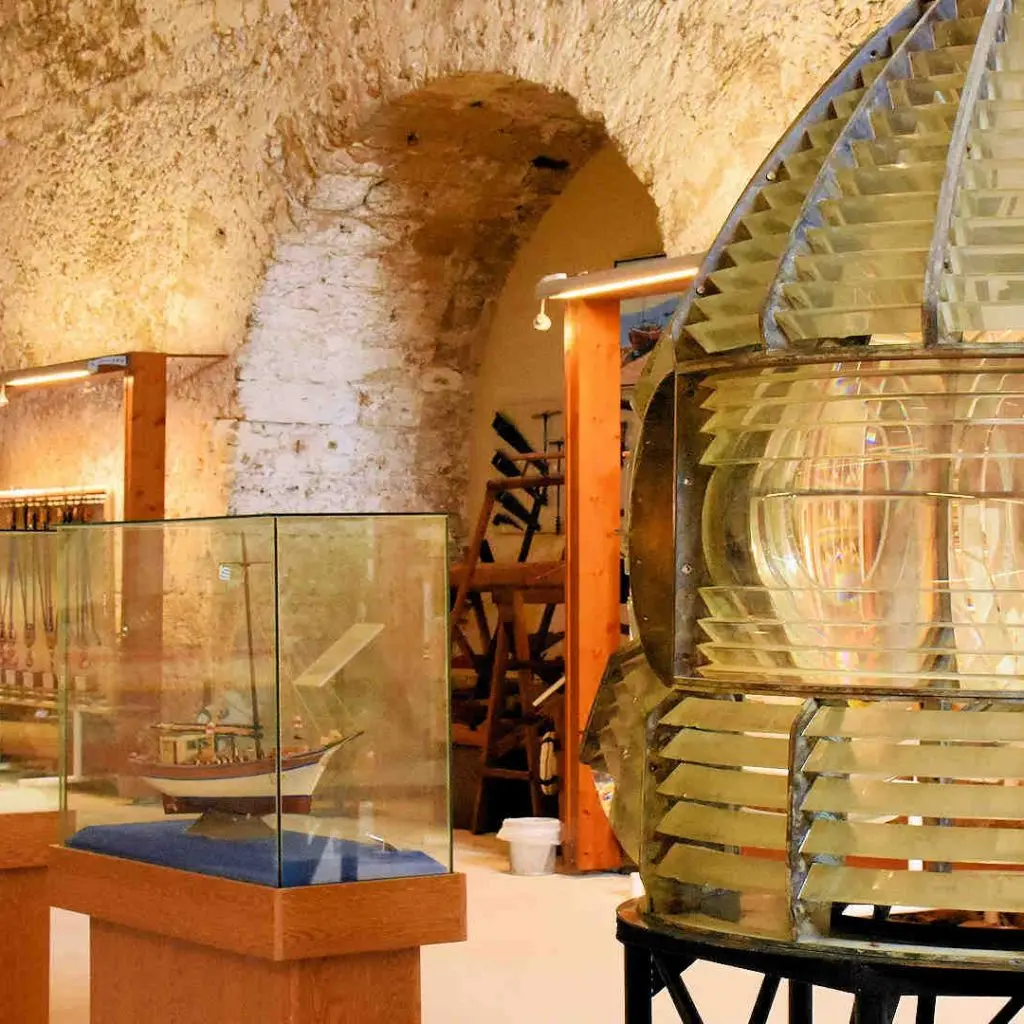
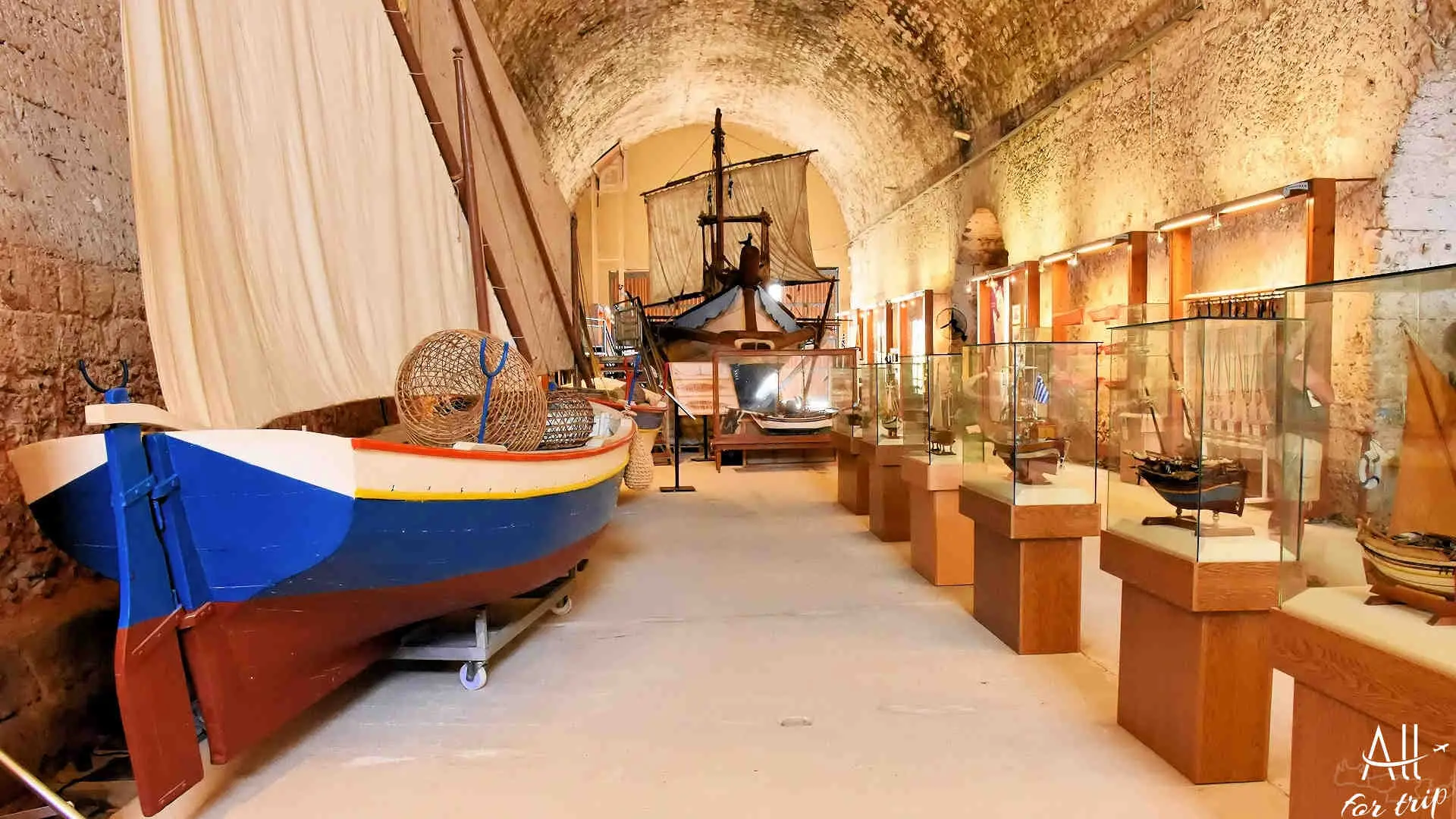
In the museum we can learn about the tools used to build a ship.
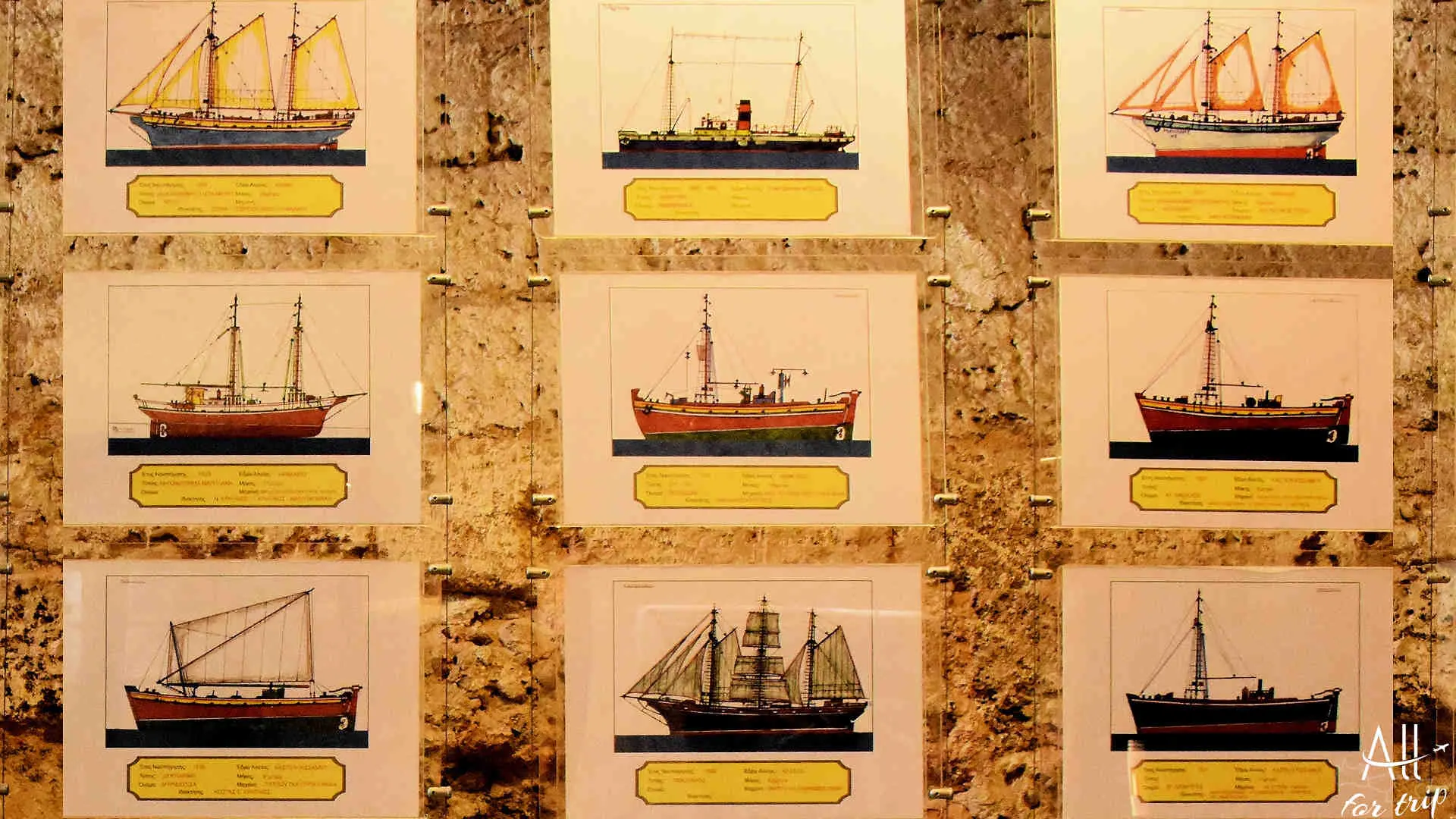
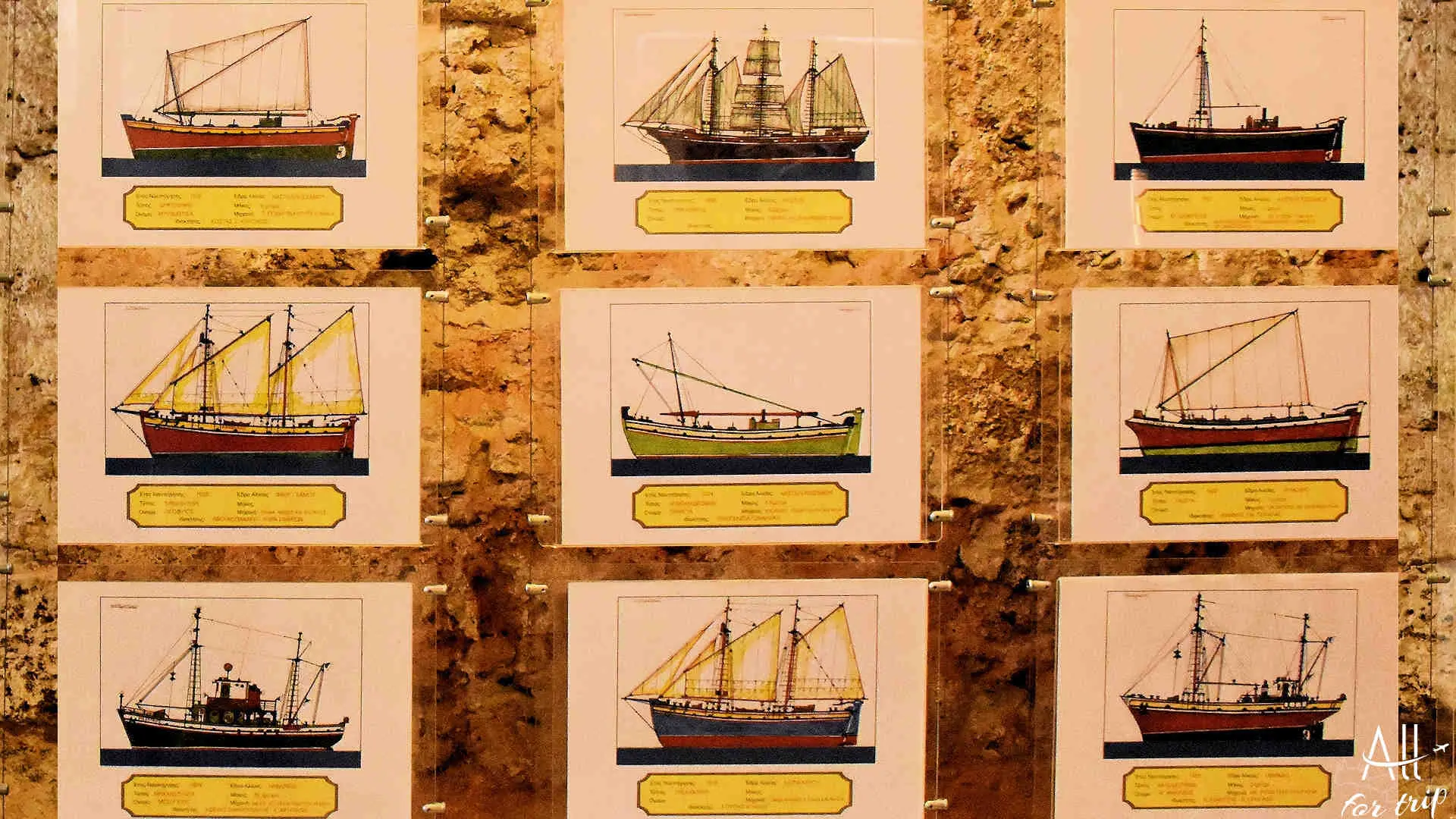
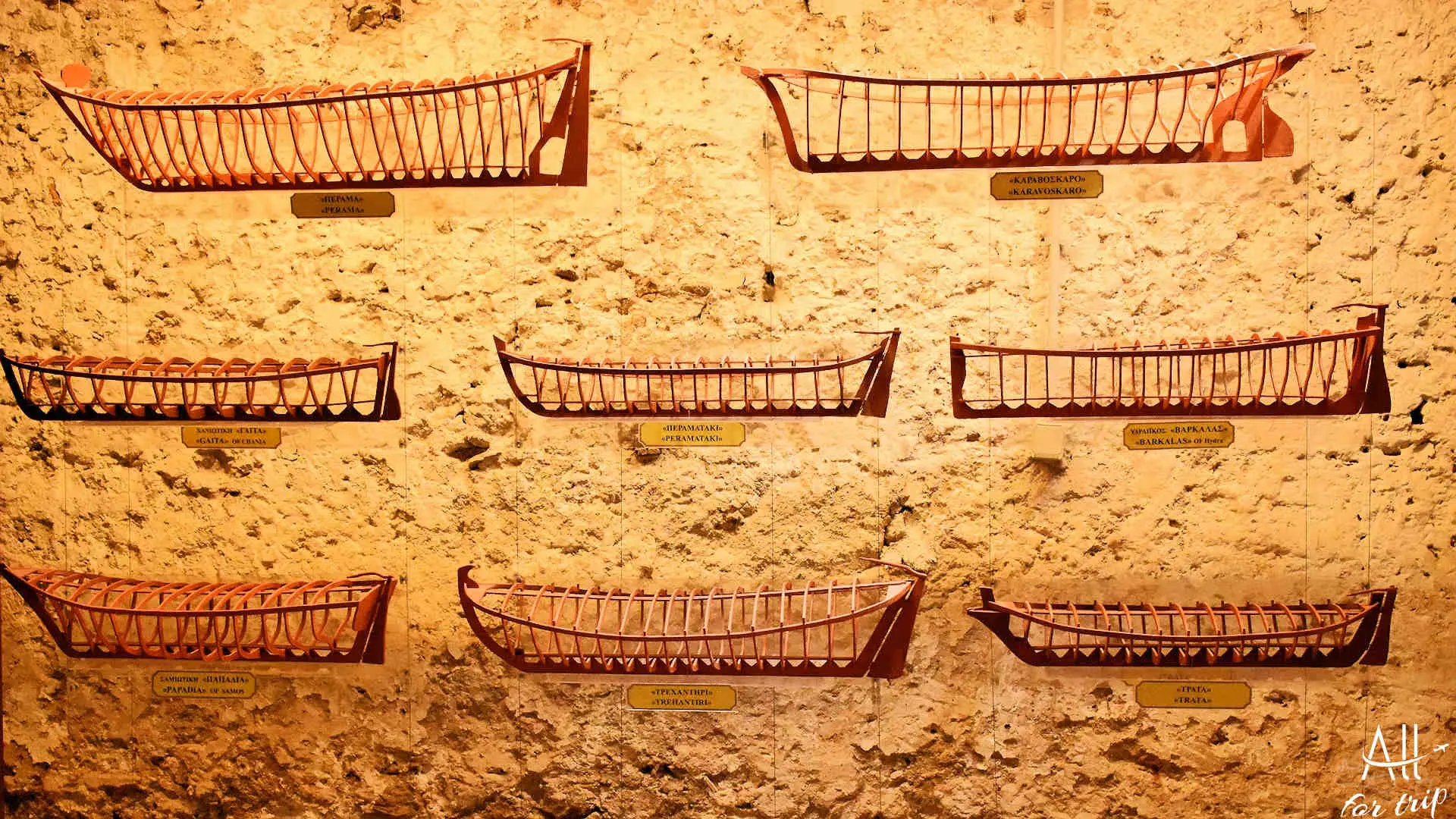
We can first see, what hulls were built, in different historical periods. We can meet, shipbuilding technologies.
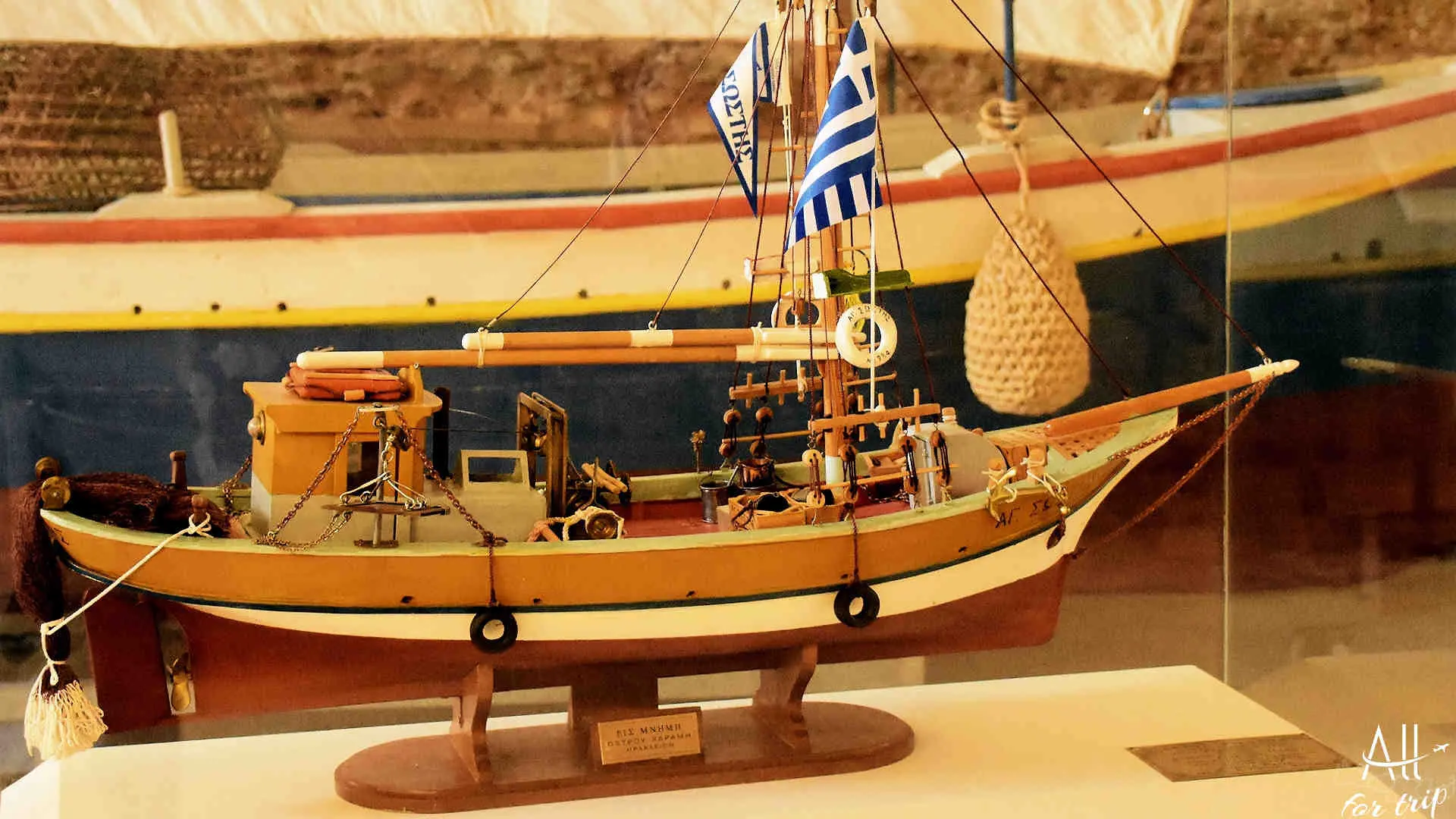
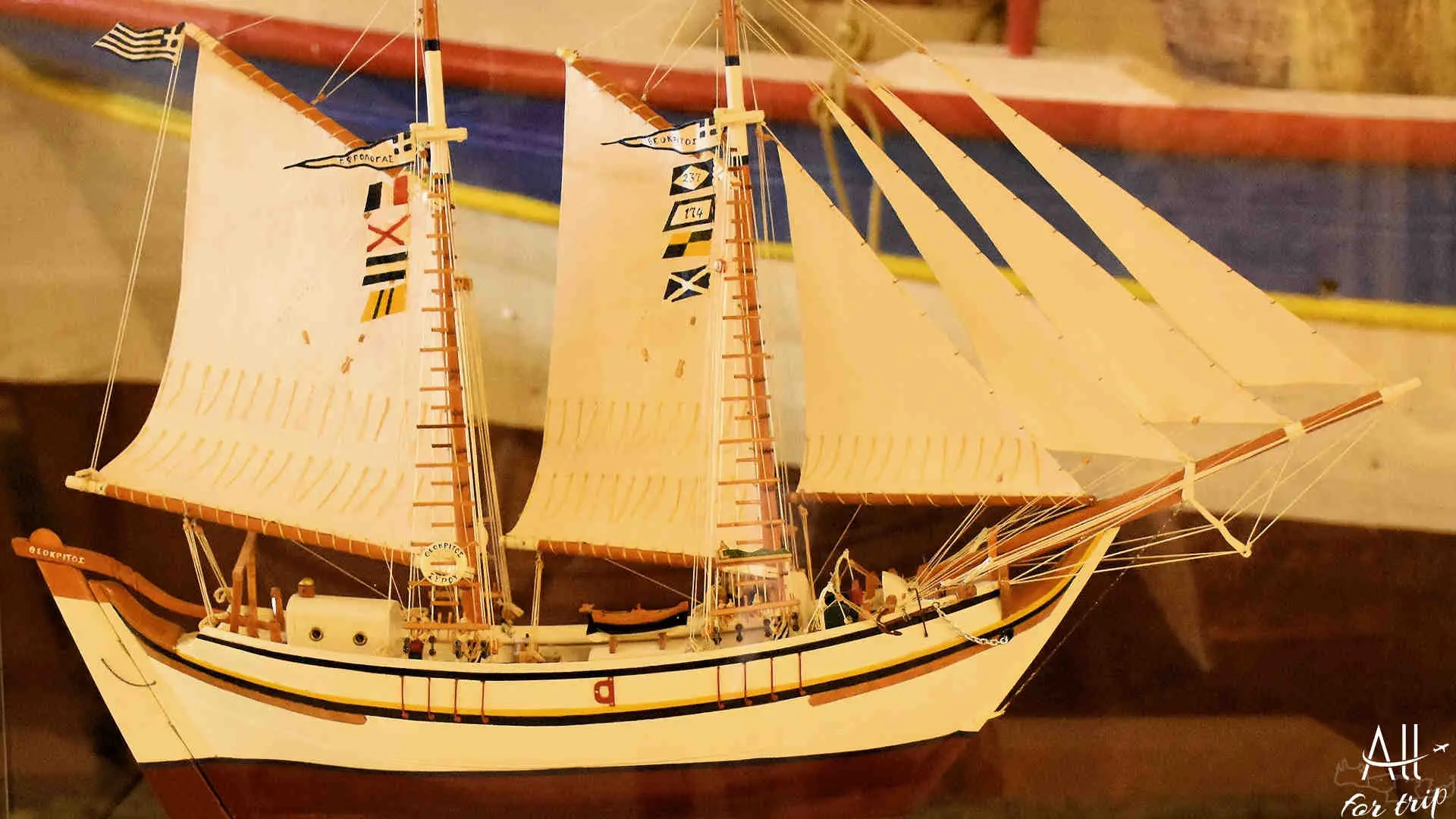
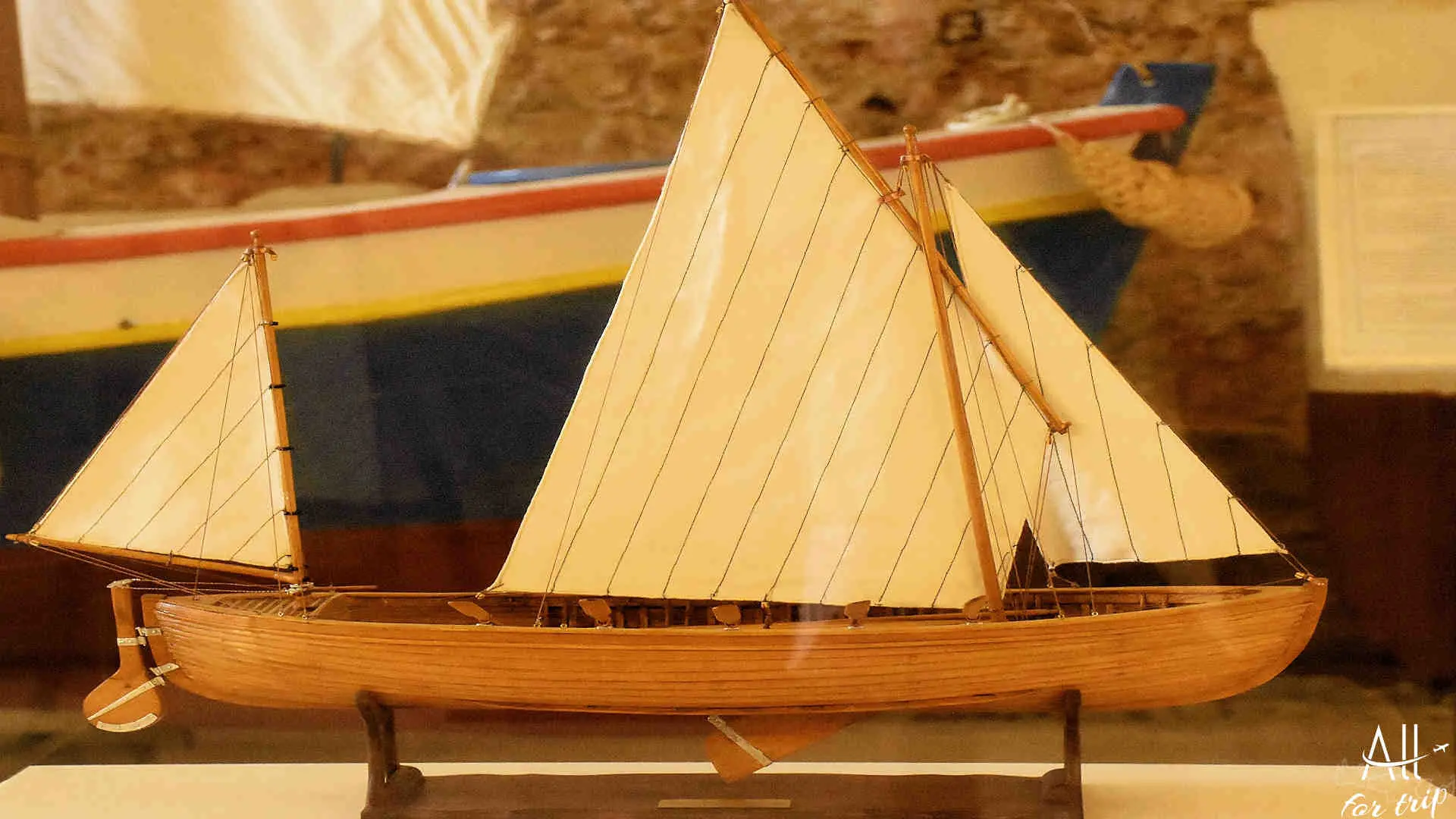
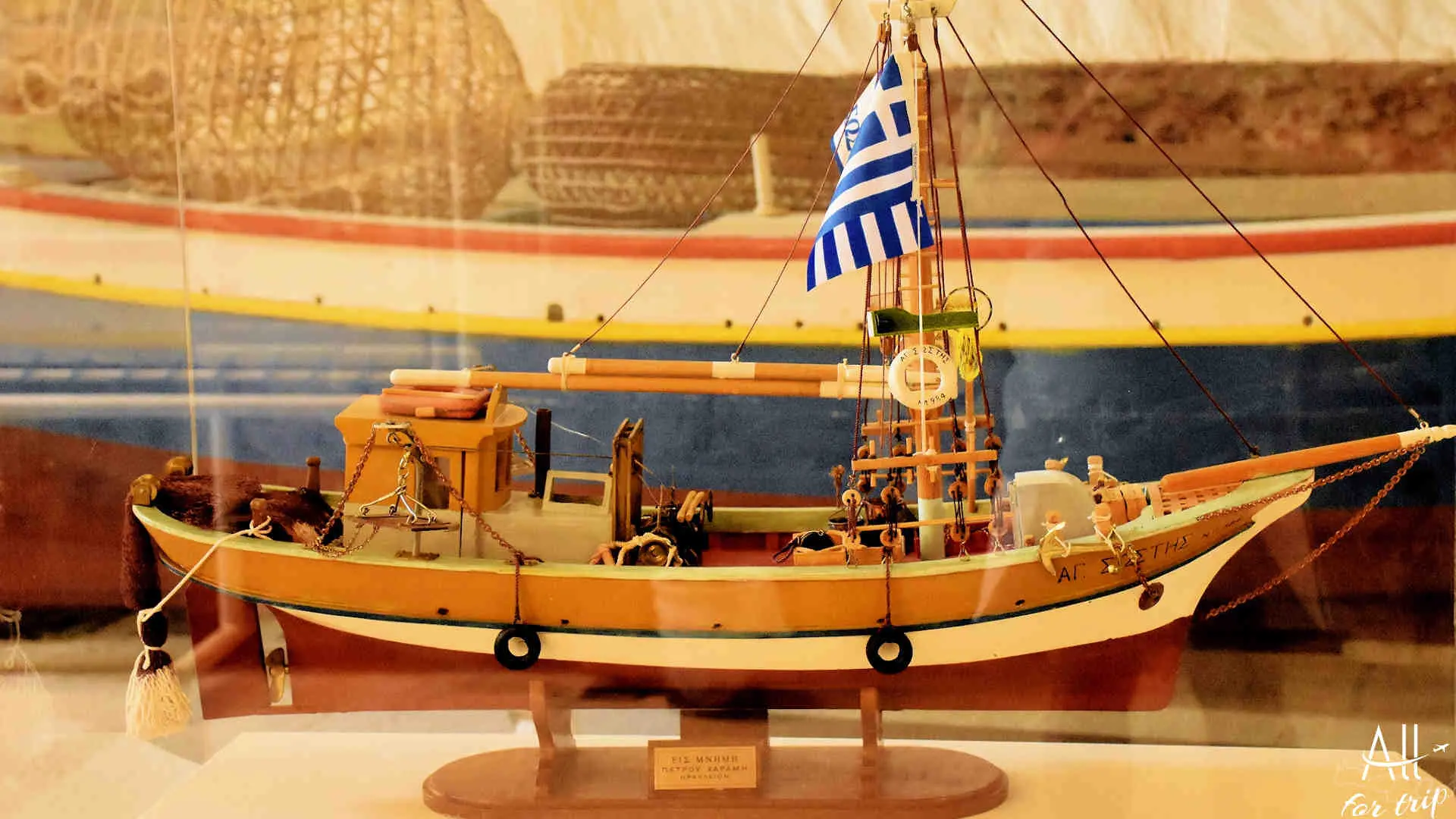
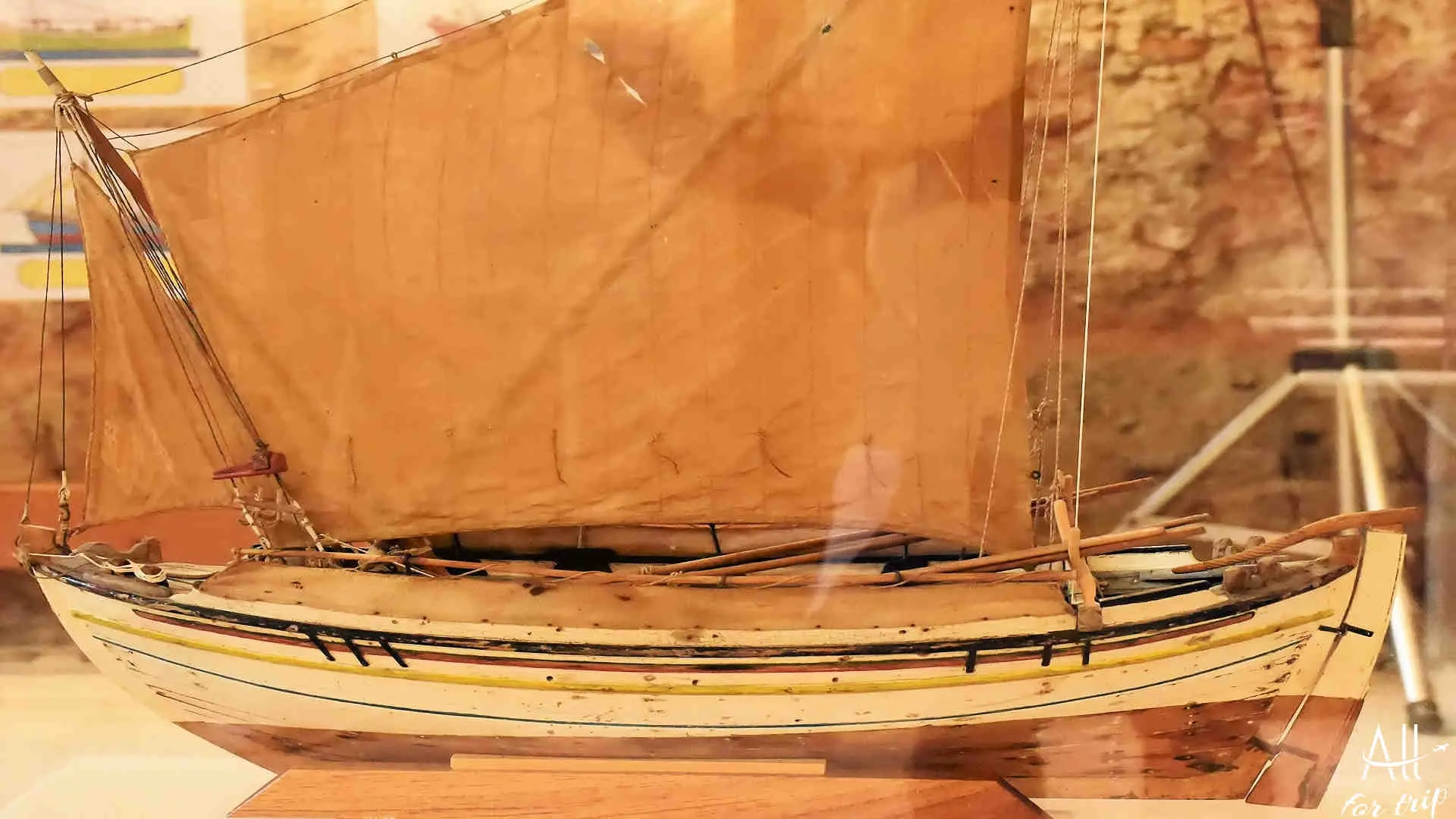
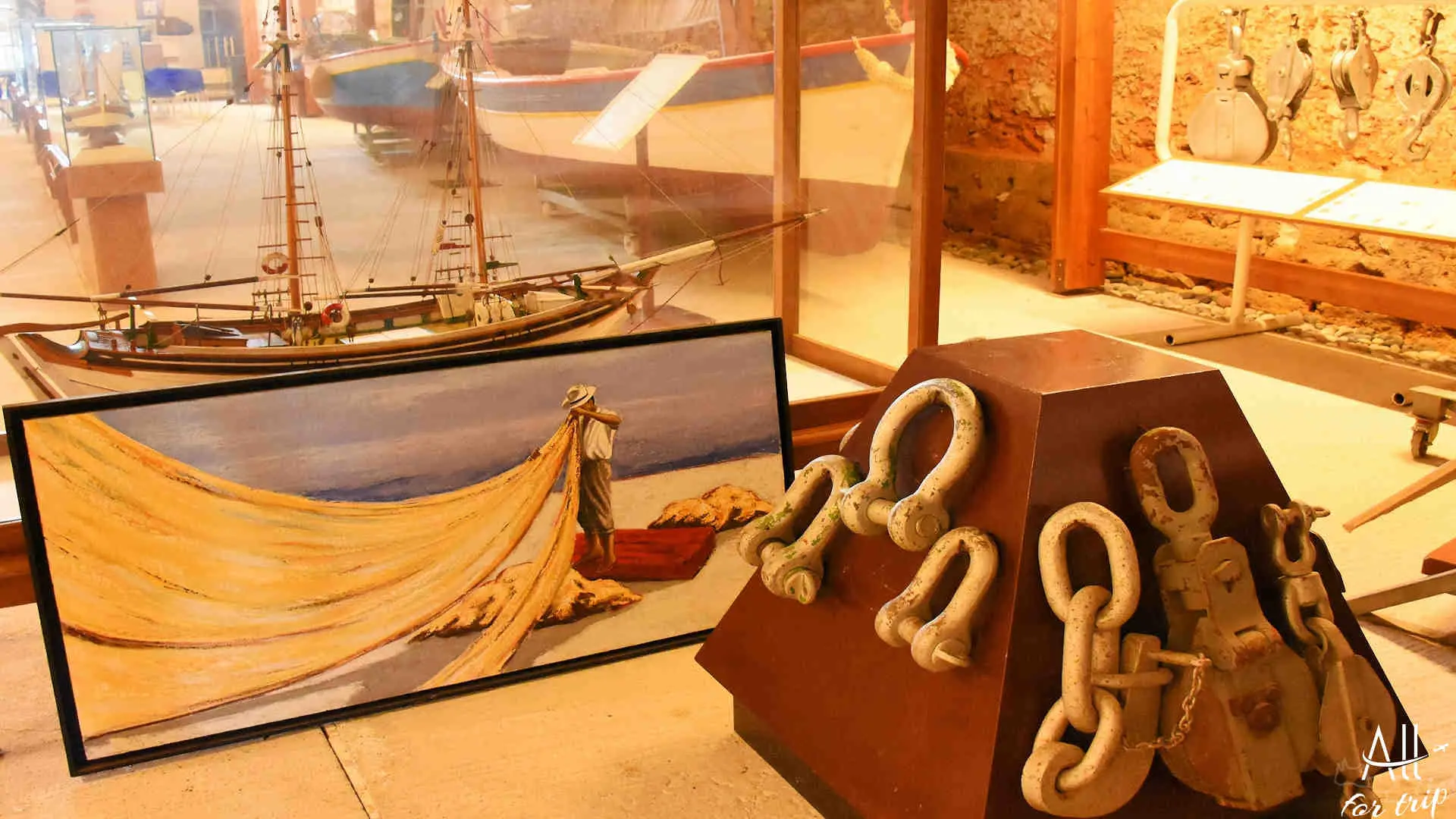
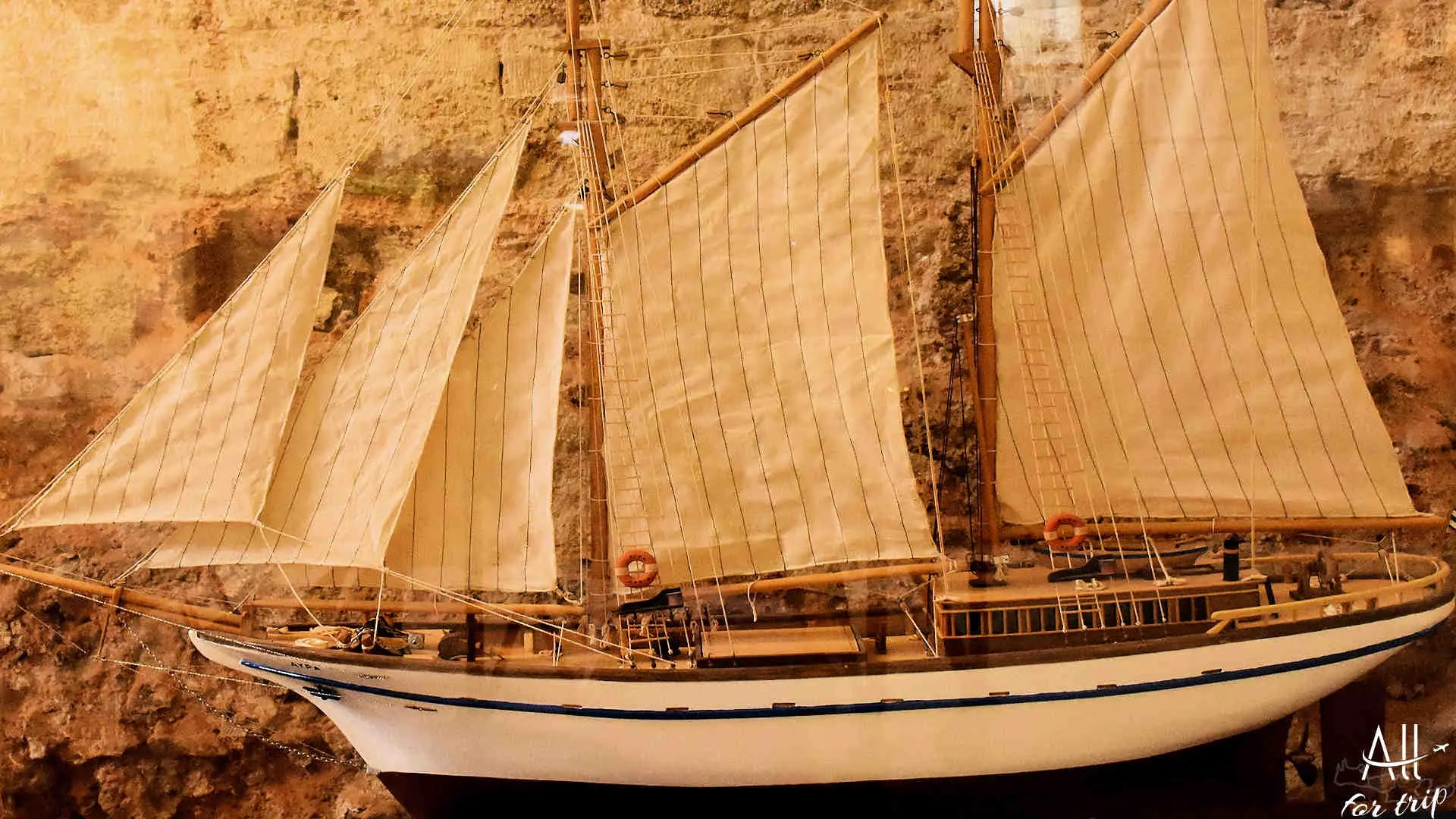
On the ship models we can see the ships used in each historical age. From the rudimentary single-masted boats we get to the multi-masted large sailboats.
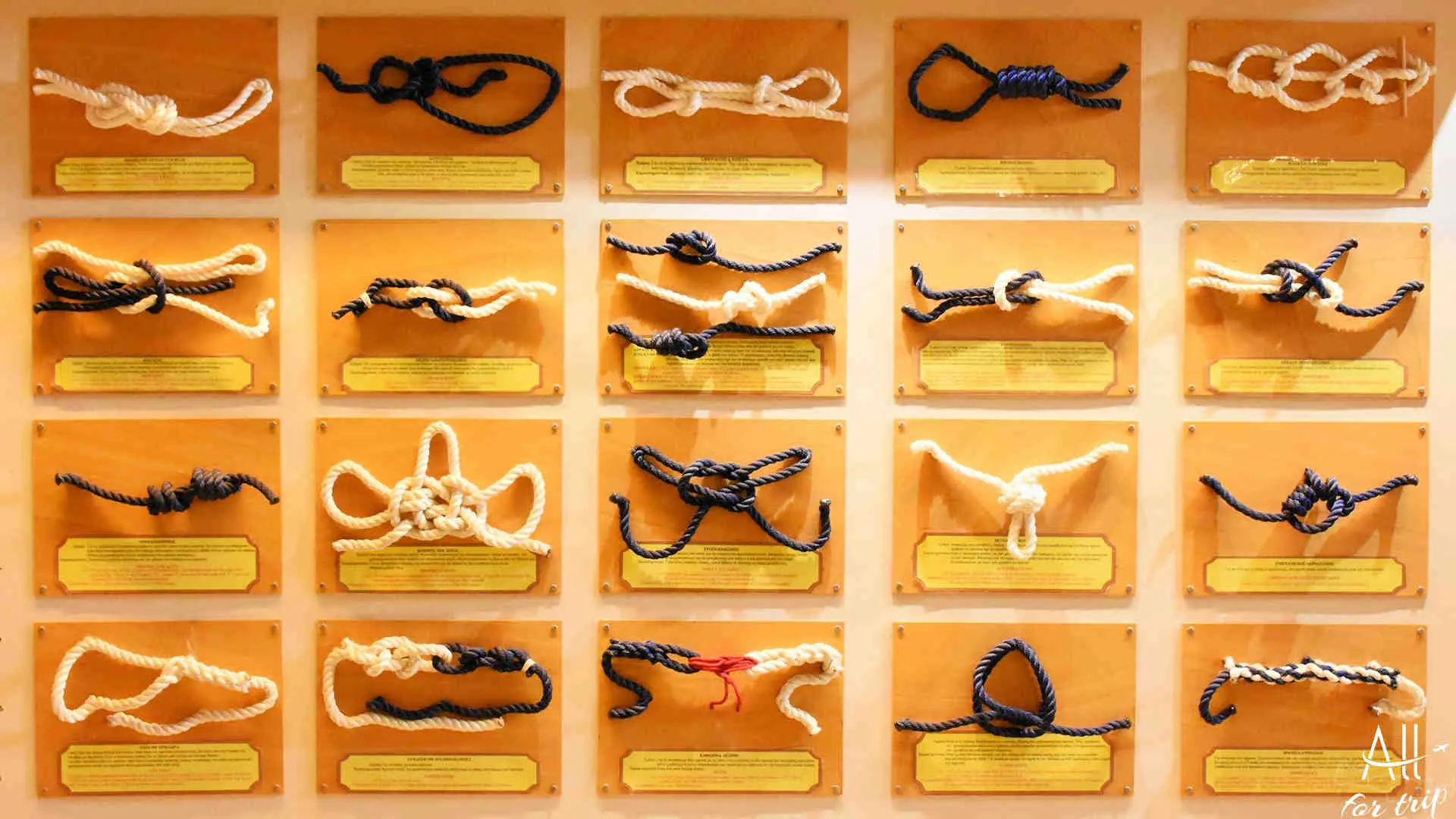
We can learn about the Sailing Knots: what they’re used for and how to tie them.
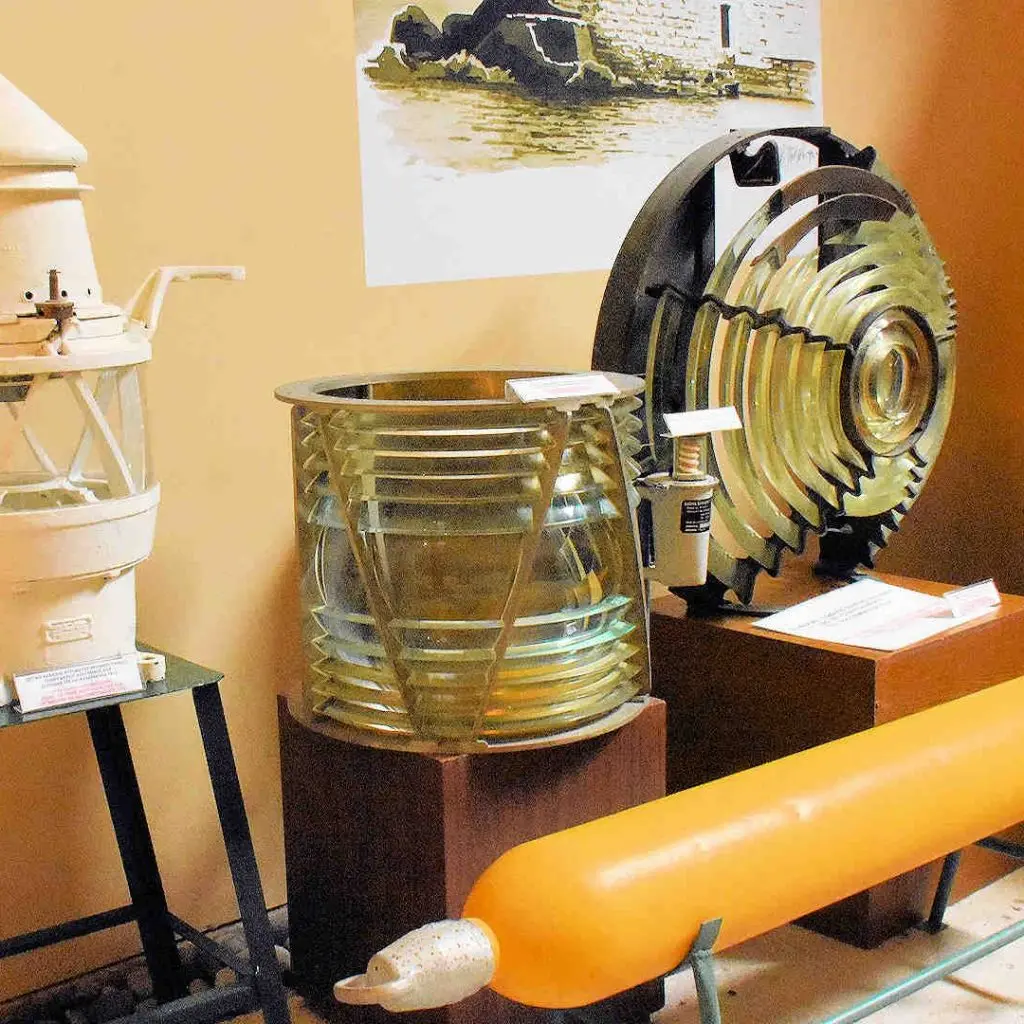
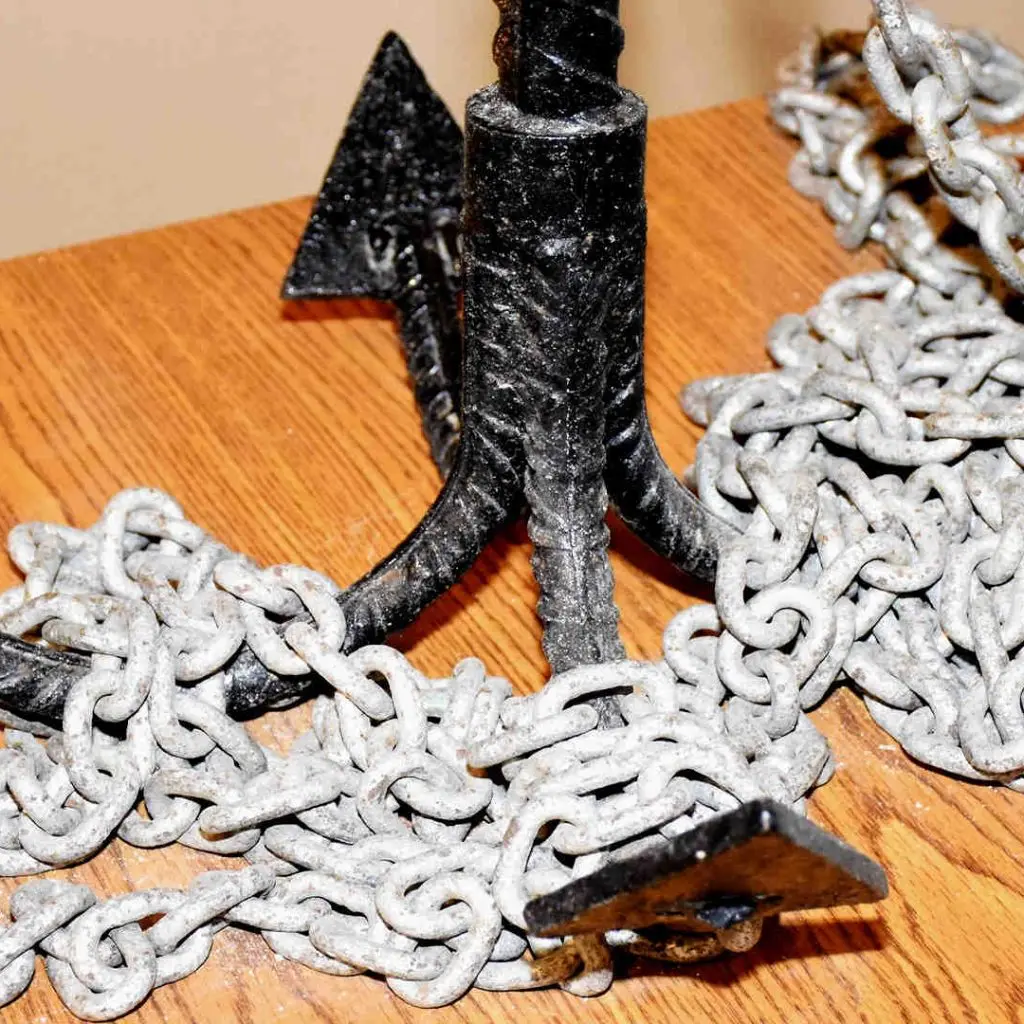
We can see sails, we can see anchor, and the equipment used by the sailors.
This is a very interesting and special museum. Recommended for all ages.
[swpm_protected format_protected_msg=”1″] The branches from the unique olive tree: they are solemnly cut every year: from this, wreaths are made for the winners of the marathons.
At the Athens 2004 Olympic Games and the 2008 Beijing Olympic Games, from this olive tree: wreaths are made for the winners. [/swpm_protected]
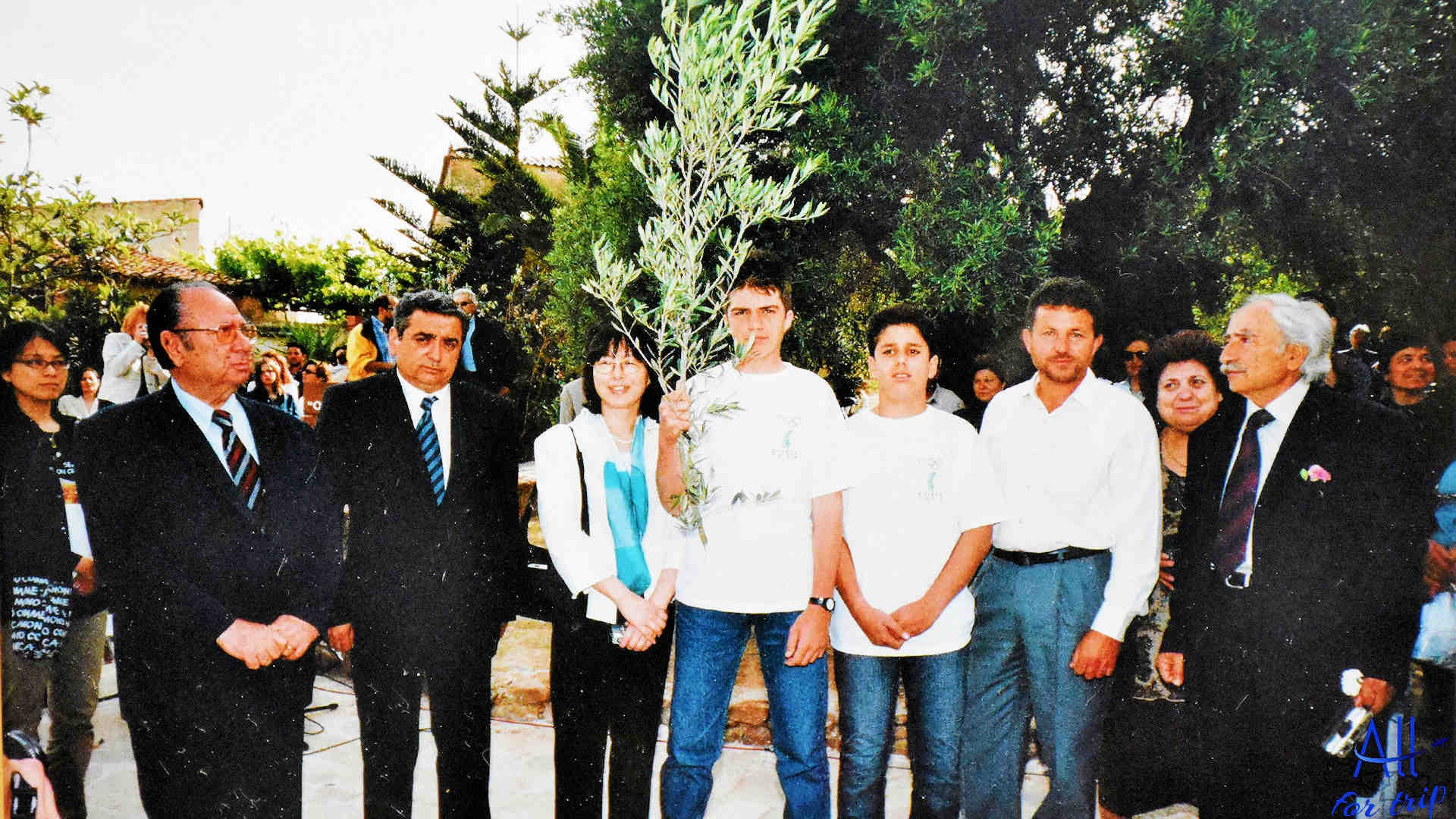
[swpm_protected format_protected_msg=”1″] John Malandrakis, the mayor of Platanias, sent an Olympic wreath in 2012 for the opening ceremony of the London Olympics. It was a symbol of peace, hope, and brotherhood.
The olive branches, carried on an ancient ship, from Crete to Athens. [/swpm_protected]

Comment (0)