
Last updated:
Olive and Wine Museum
of the Monastery of Agia Triada
Oil production is the past, present and future of Crete. Harvesting olives is not an easy task. In the old times, people beat the olive branches with sticks, that the fruit fall on the lower blanket.
GPS is very important! – because there are no street names in Western Crete.
[swpm_protected format_protected_msg=”1″] GPS: 35.560695, 24.134338
The collected olives were taken to the olive oil mill.
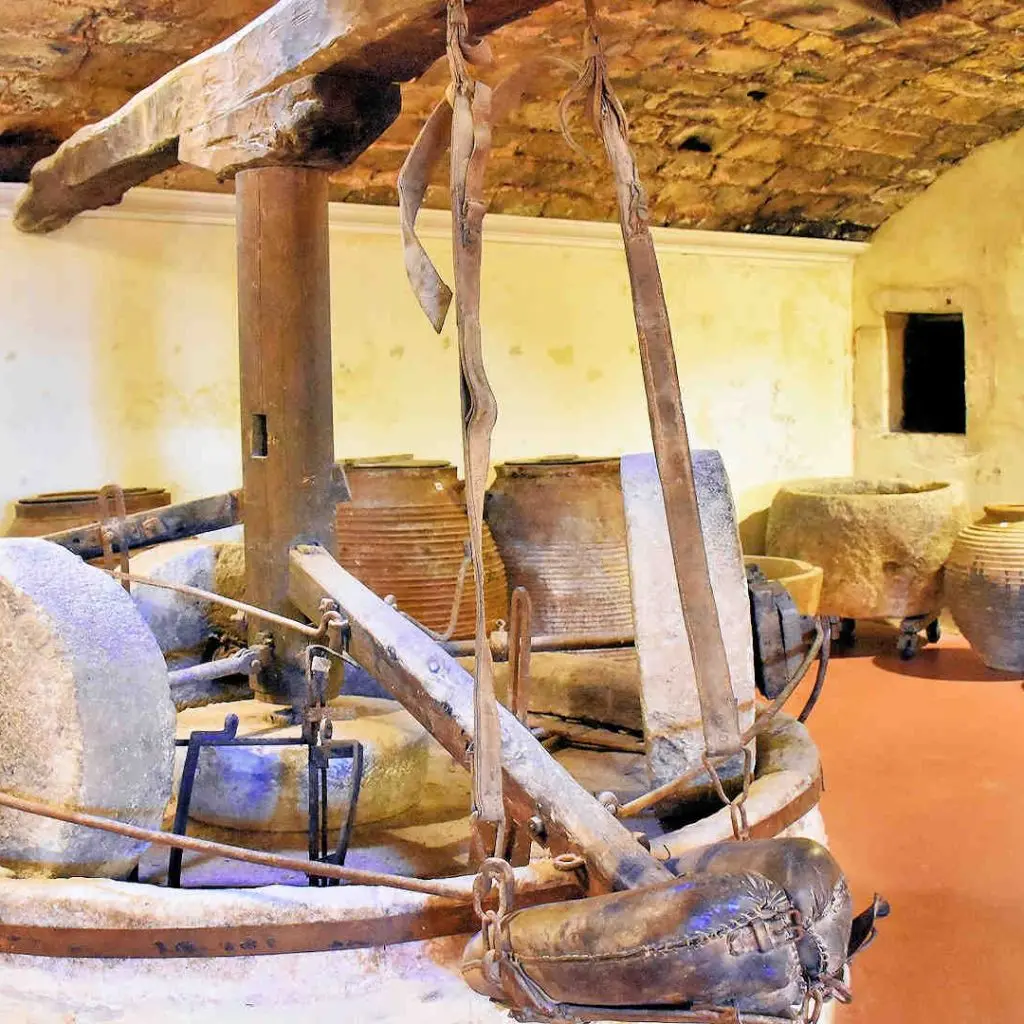
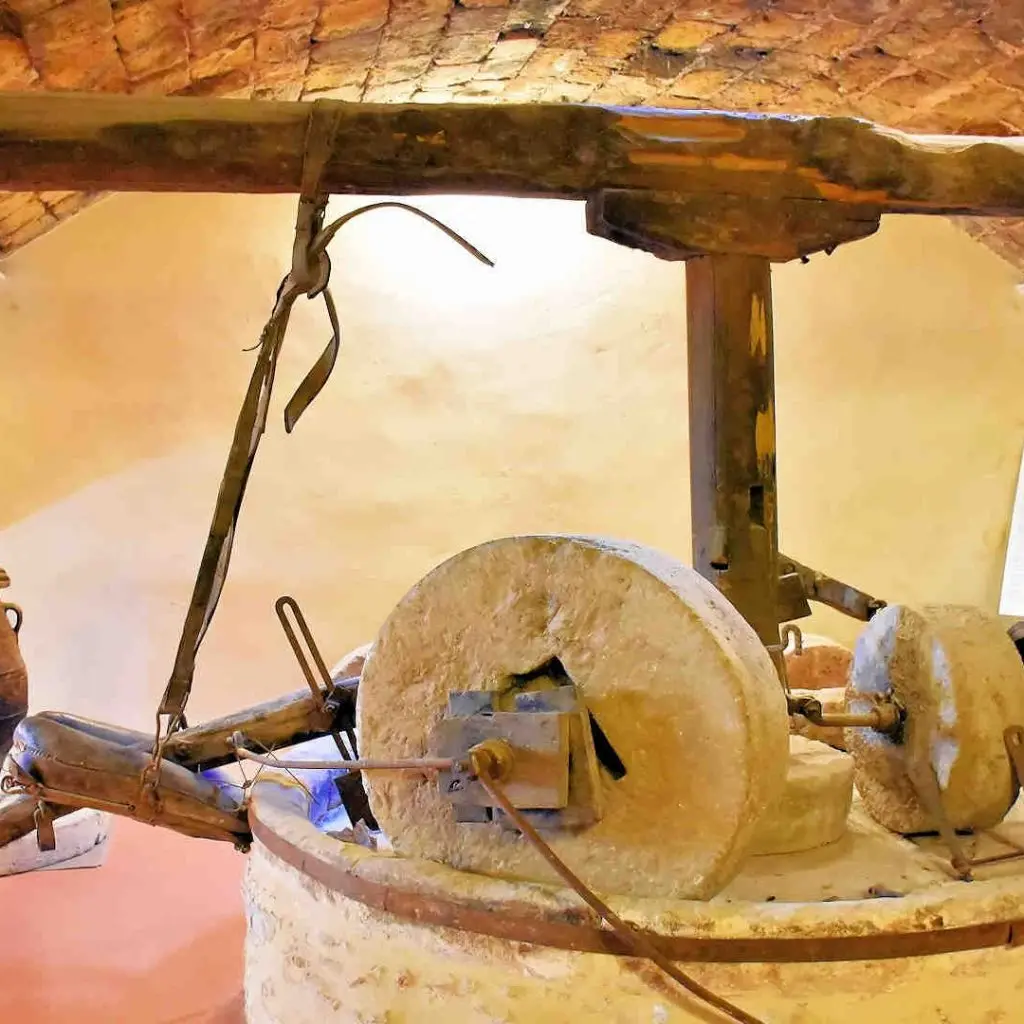
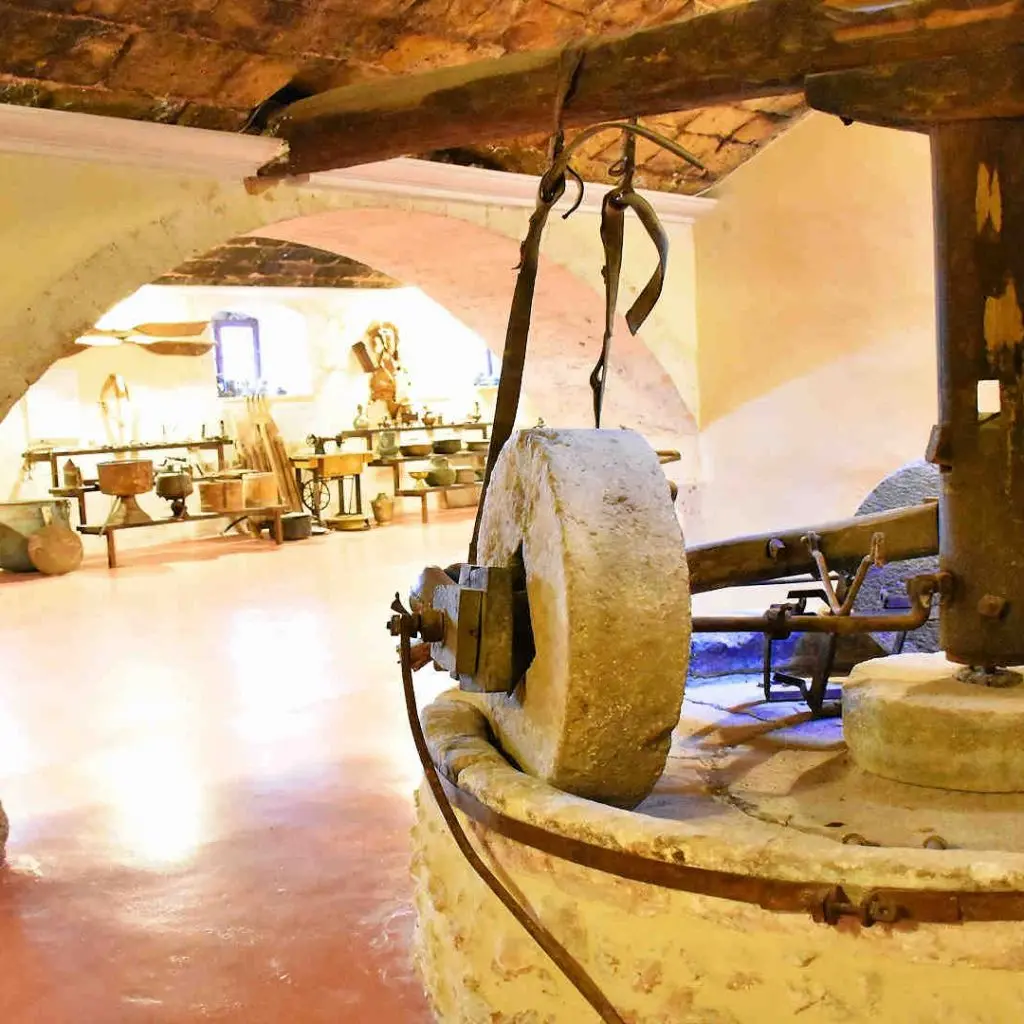
With the help of the very big and heavy millstone, which was driven by a horse, the olives were crushed. It was pressed with millstone, the extra virgin organic olive oil. [/swpm_protected]
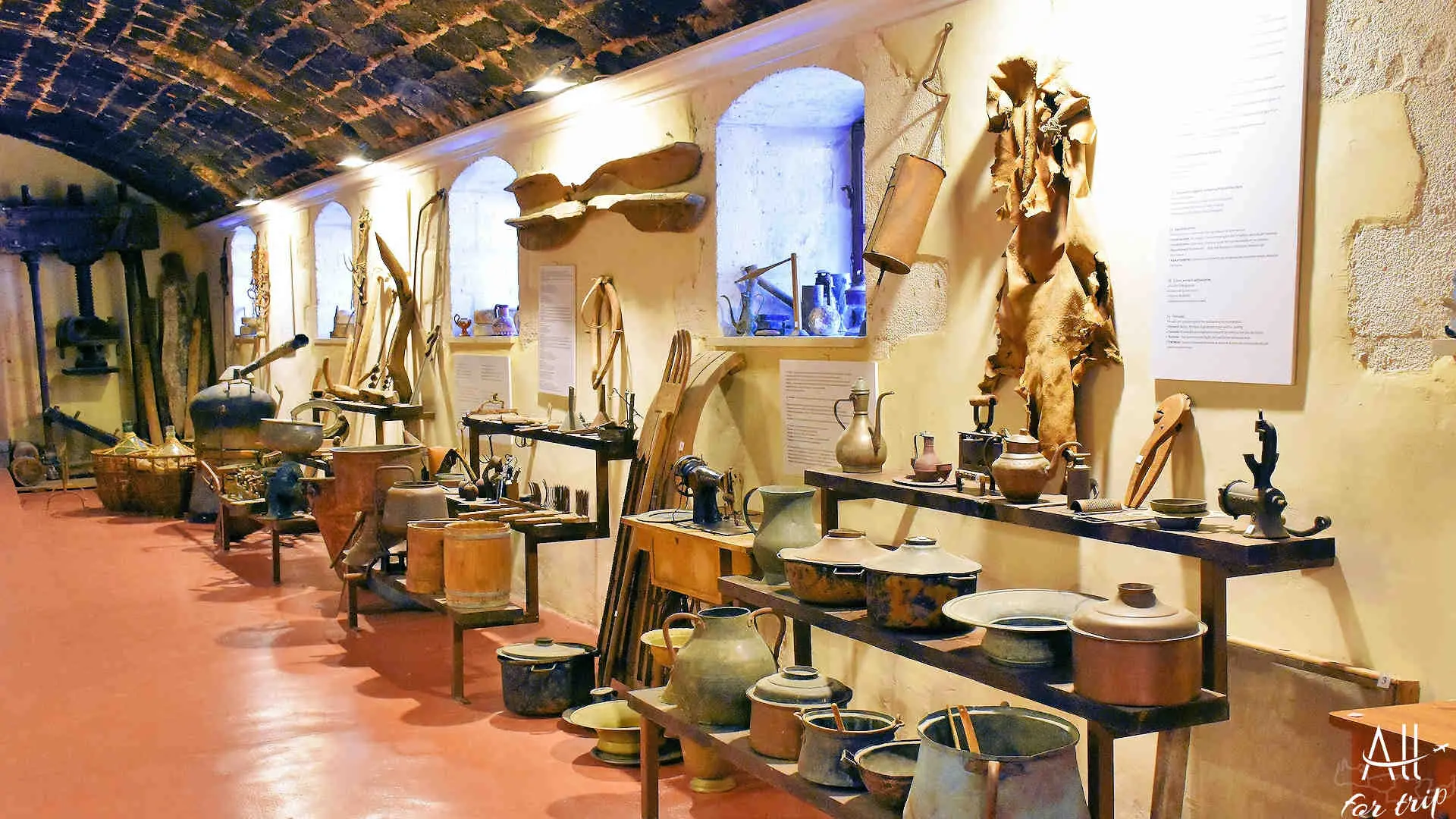
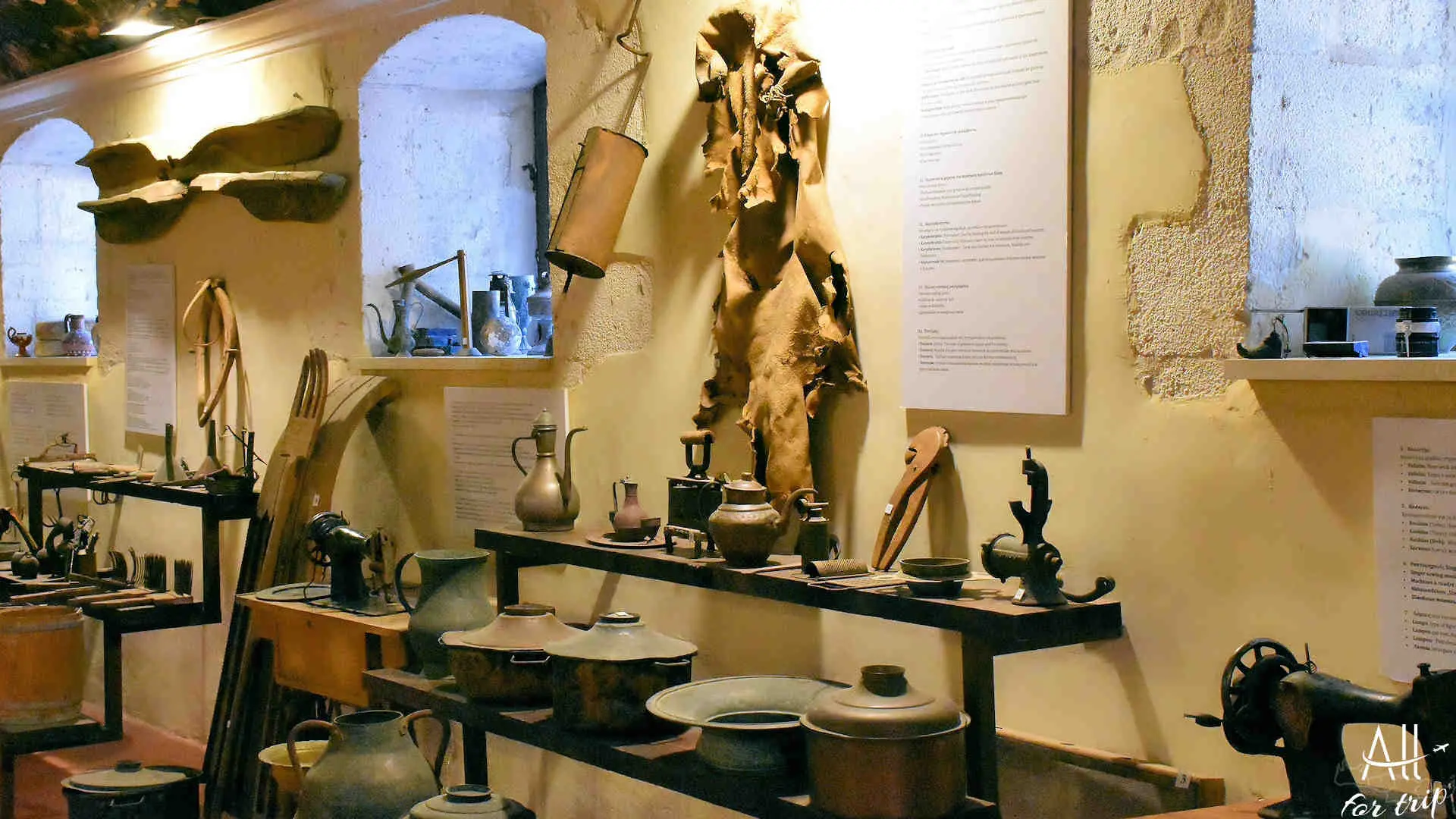
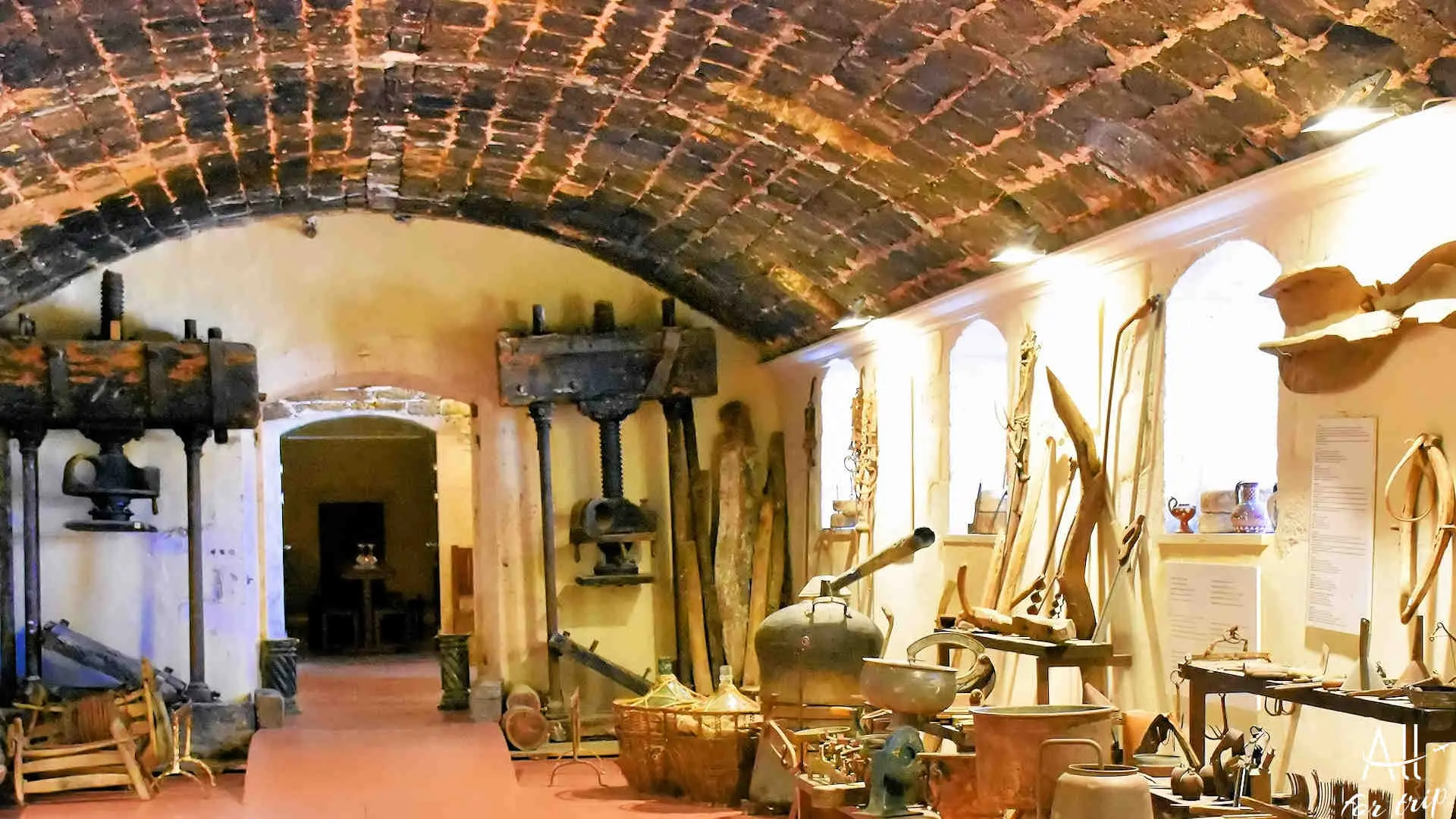
In the first part of the museum, we can see the tools and utensils used during the olive harvest.
If we go further, we can see olive oil presses. With the help of the presented products, we can get to know, the process of olive oil production.
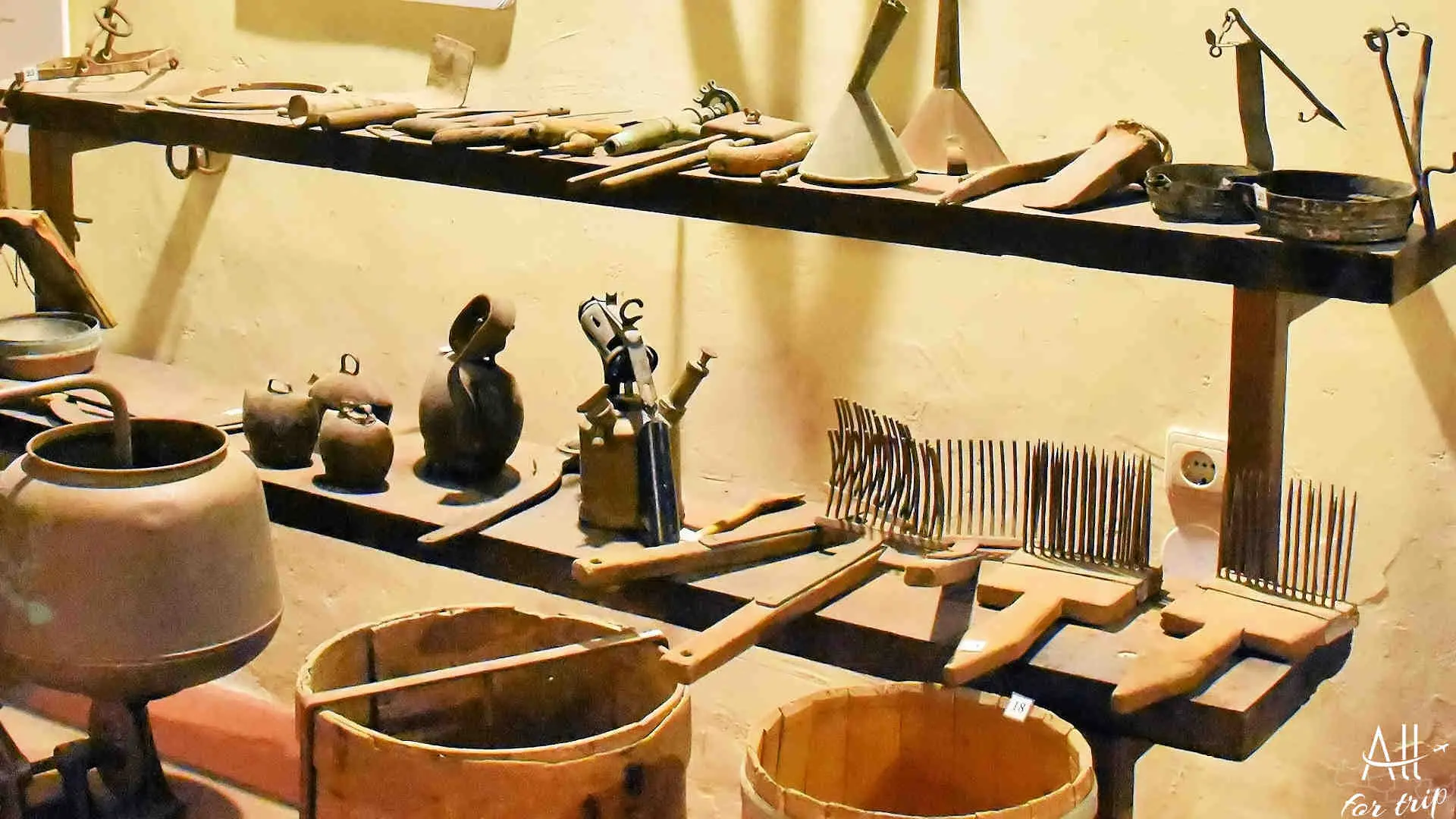
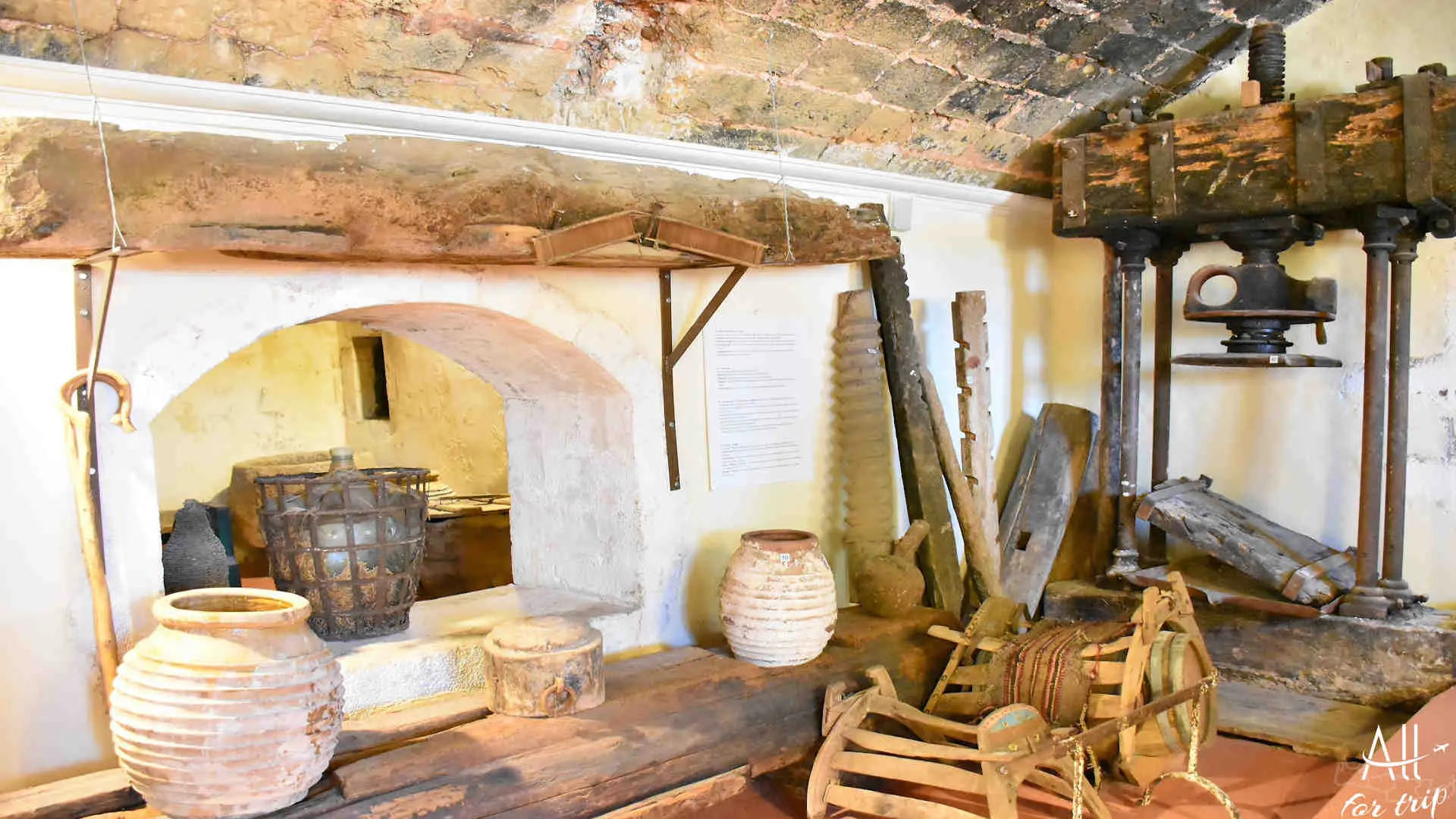
These old methods were less effective. With the development of technology, the processing of olives has also been modernized.
Today, stainless steel machines clean, classify, and press olive oil.
The tradition of Greek olive oil dates back thousands of years, in Western Crete. Traces found in the Gerani Cave near Rethymno show, that the Cretan people had already used olive oil in 4,500 BC. They used the oil of wild olive trees.
[swpm_protected format_protected_msg=”1″] Throughout history, olive oil has been crucial to the Cretan diet and economy.
The olive tree, the olive branch motifs are part of Cretan art.
But these motifs can also be found in the literature, in the people traditions and religions. [/swpm_protected]
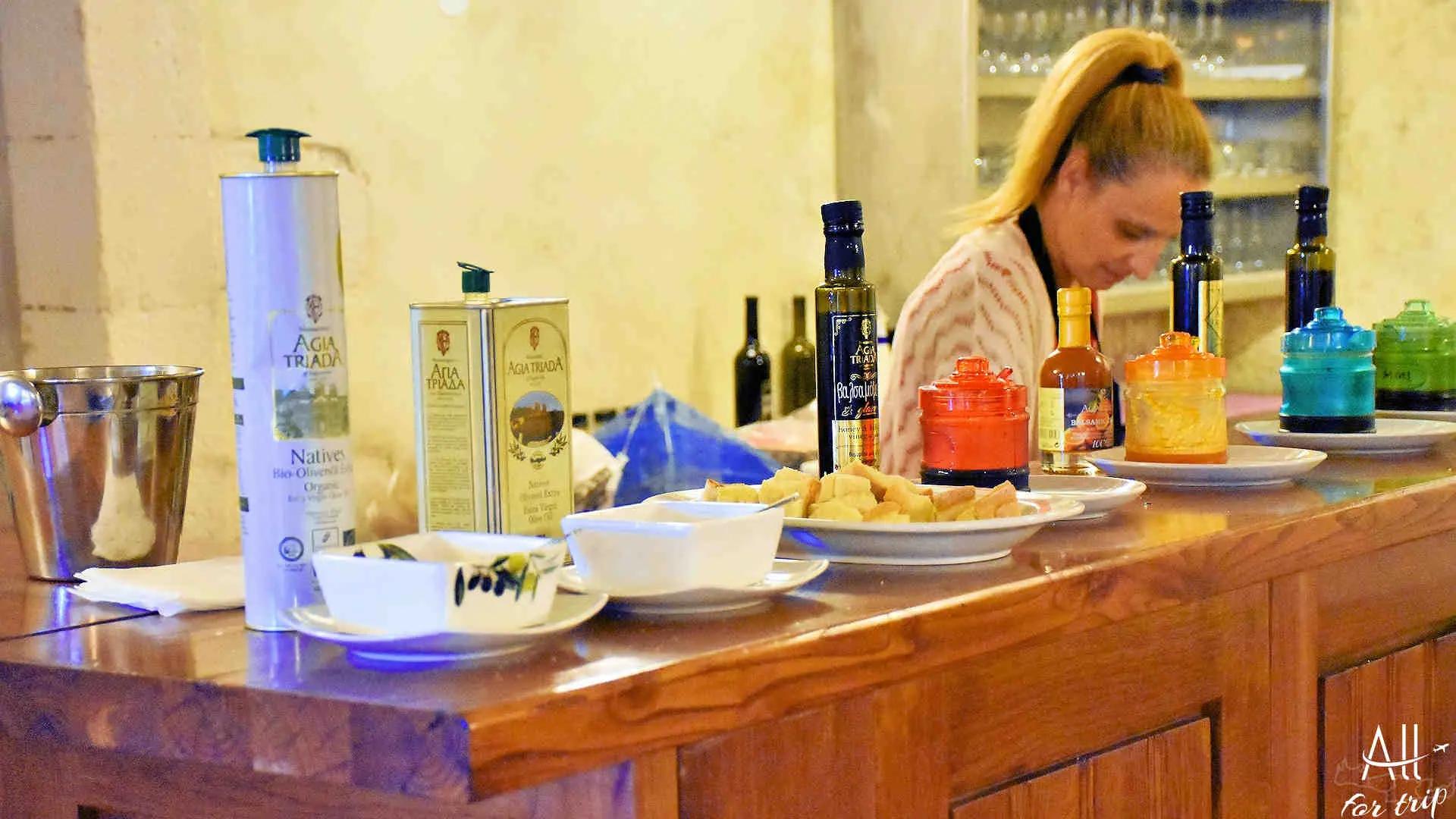
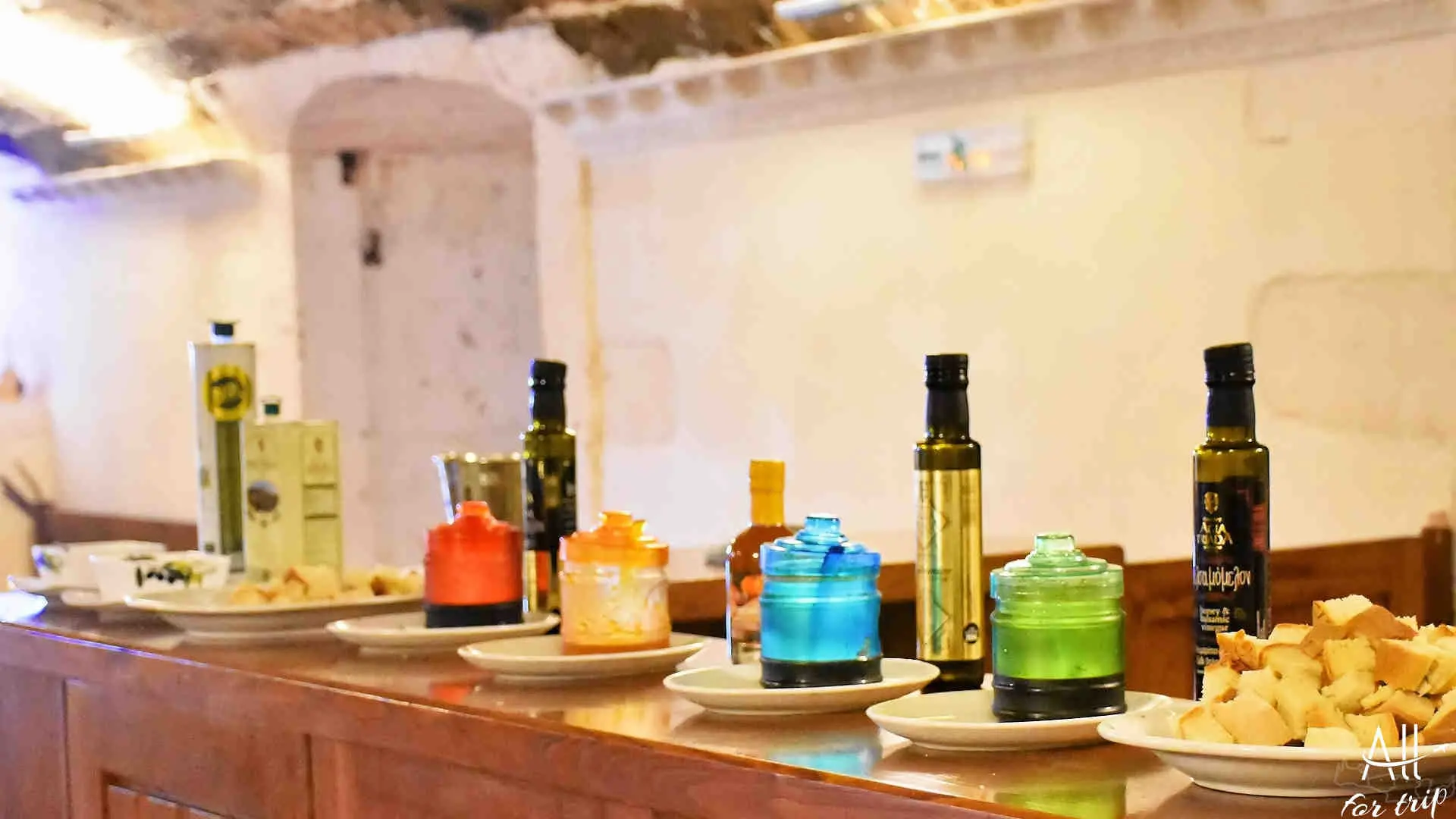
[swpm_protected format_protected_msg=”1″] A traditional Cretan meal begins with bread, sprinkled with extra virgin olive oil, and flavored with oregano.
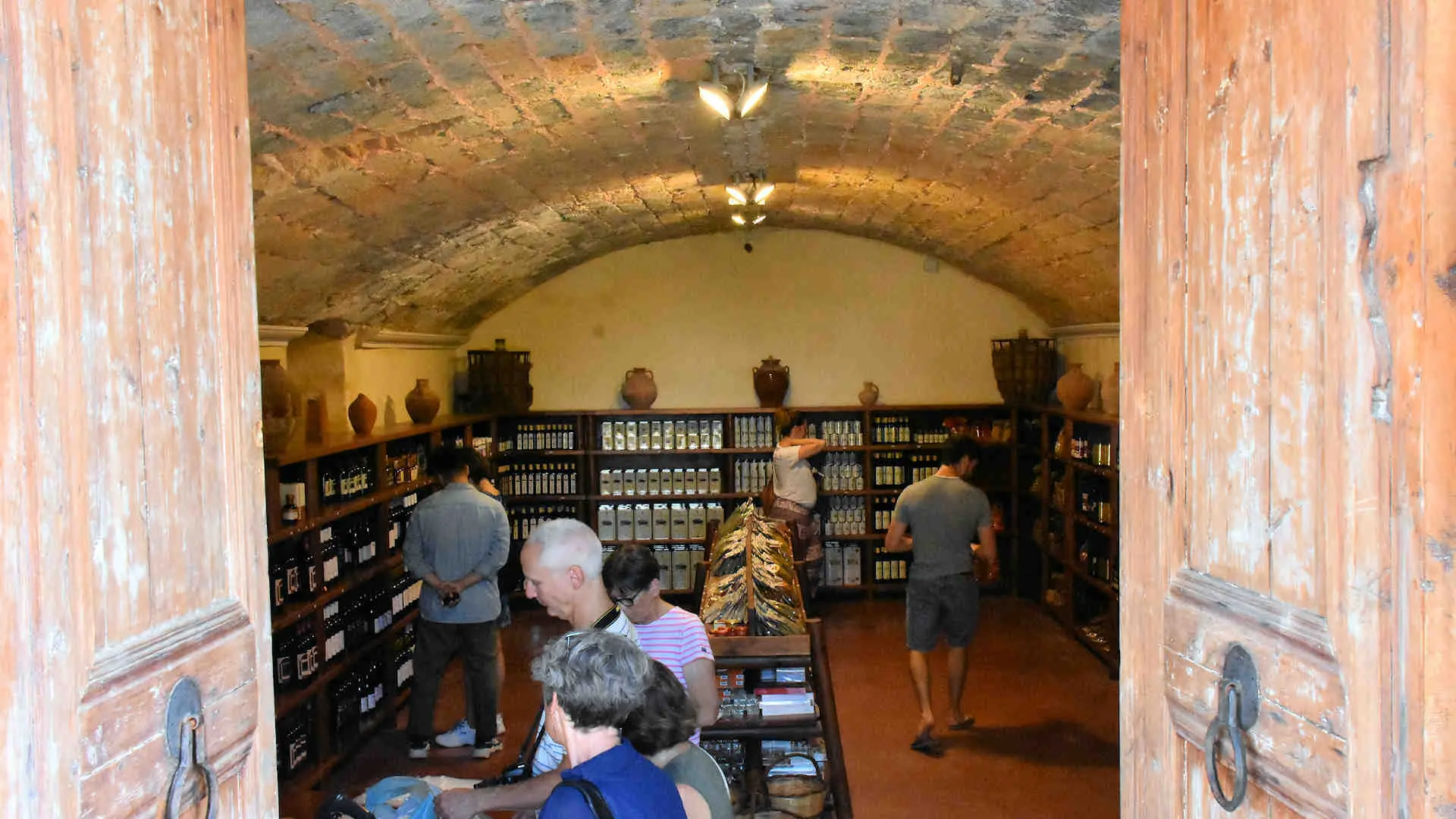
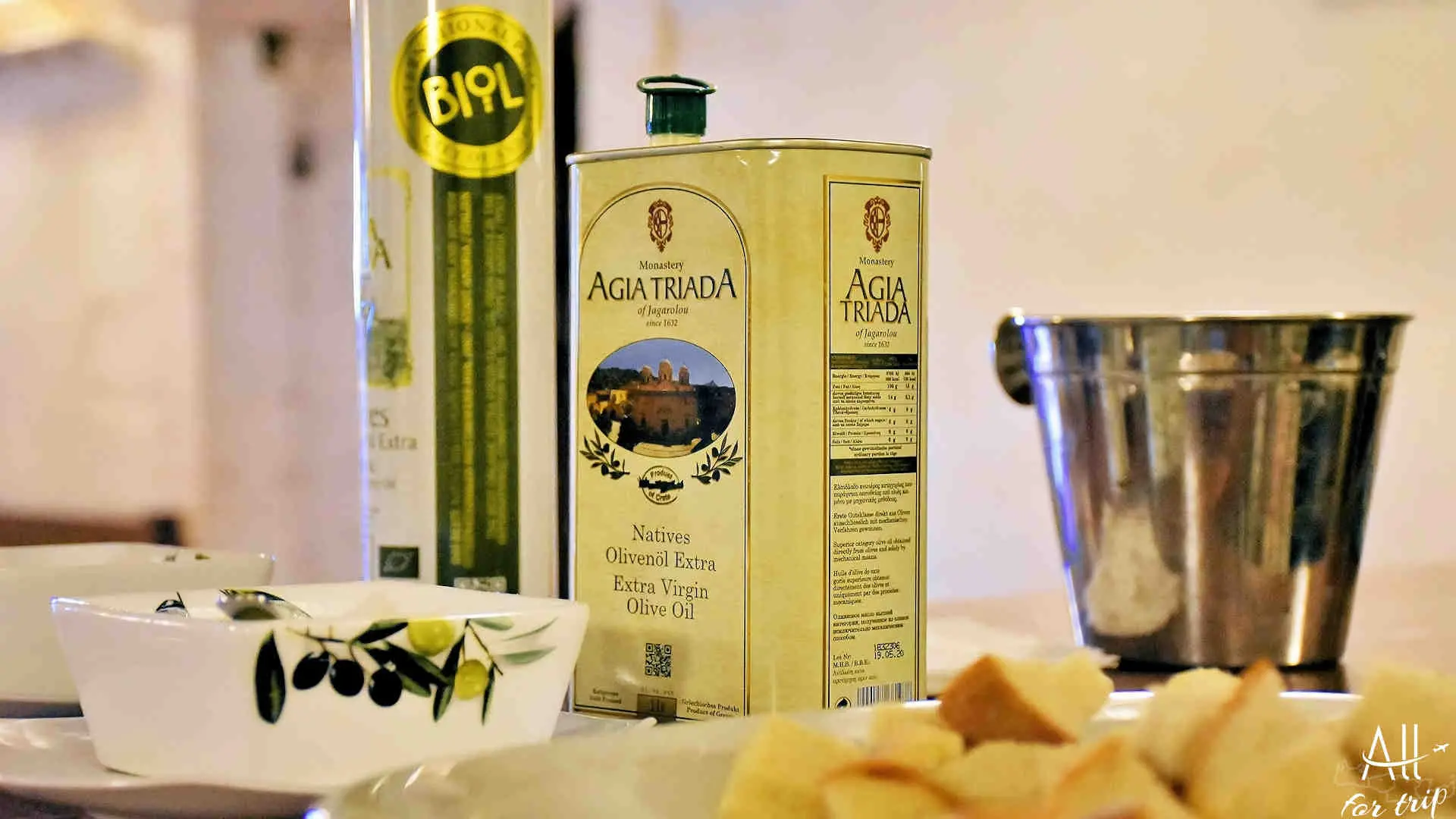
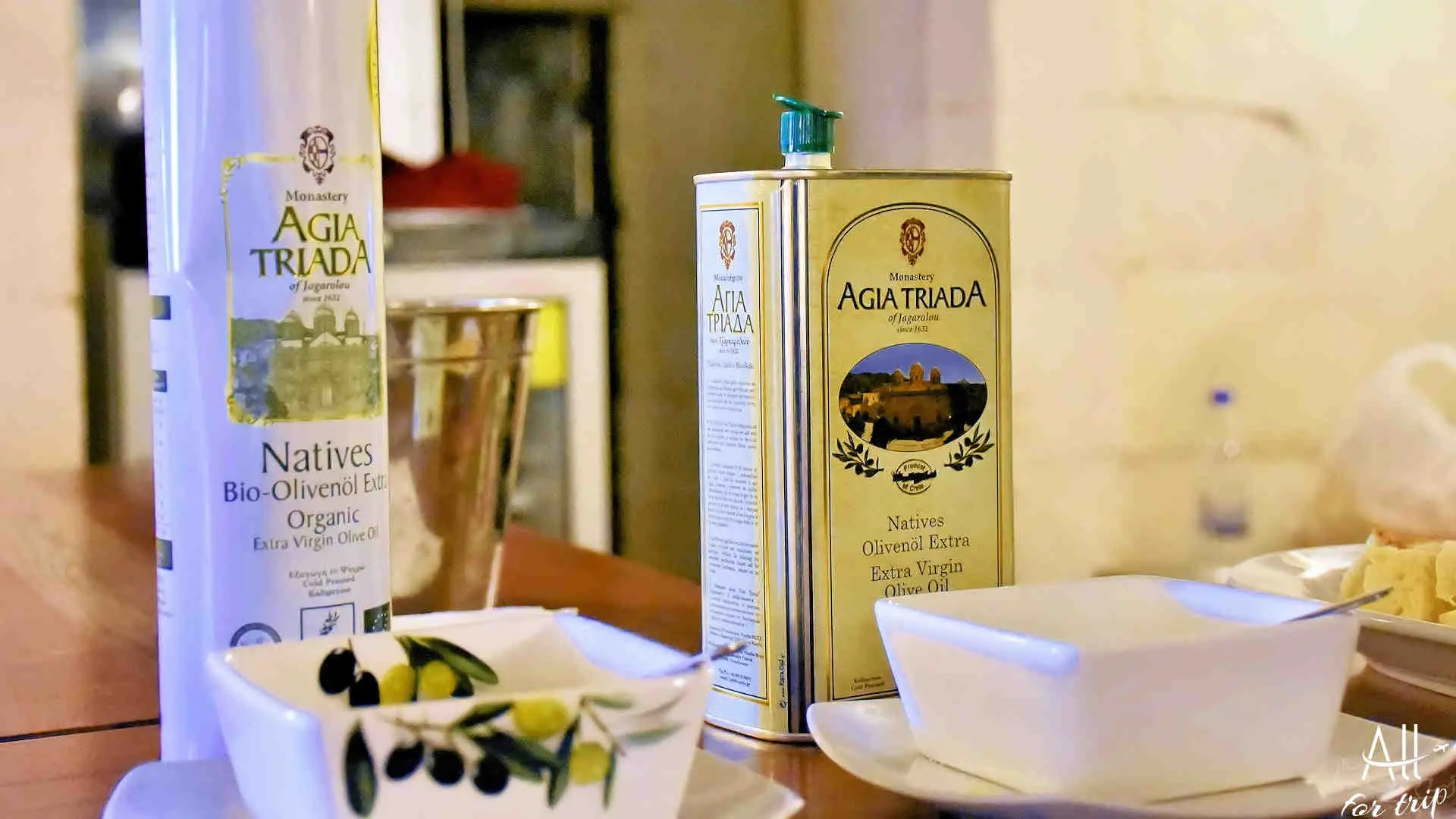
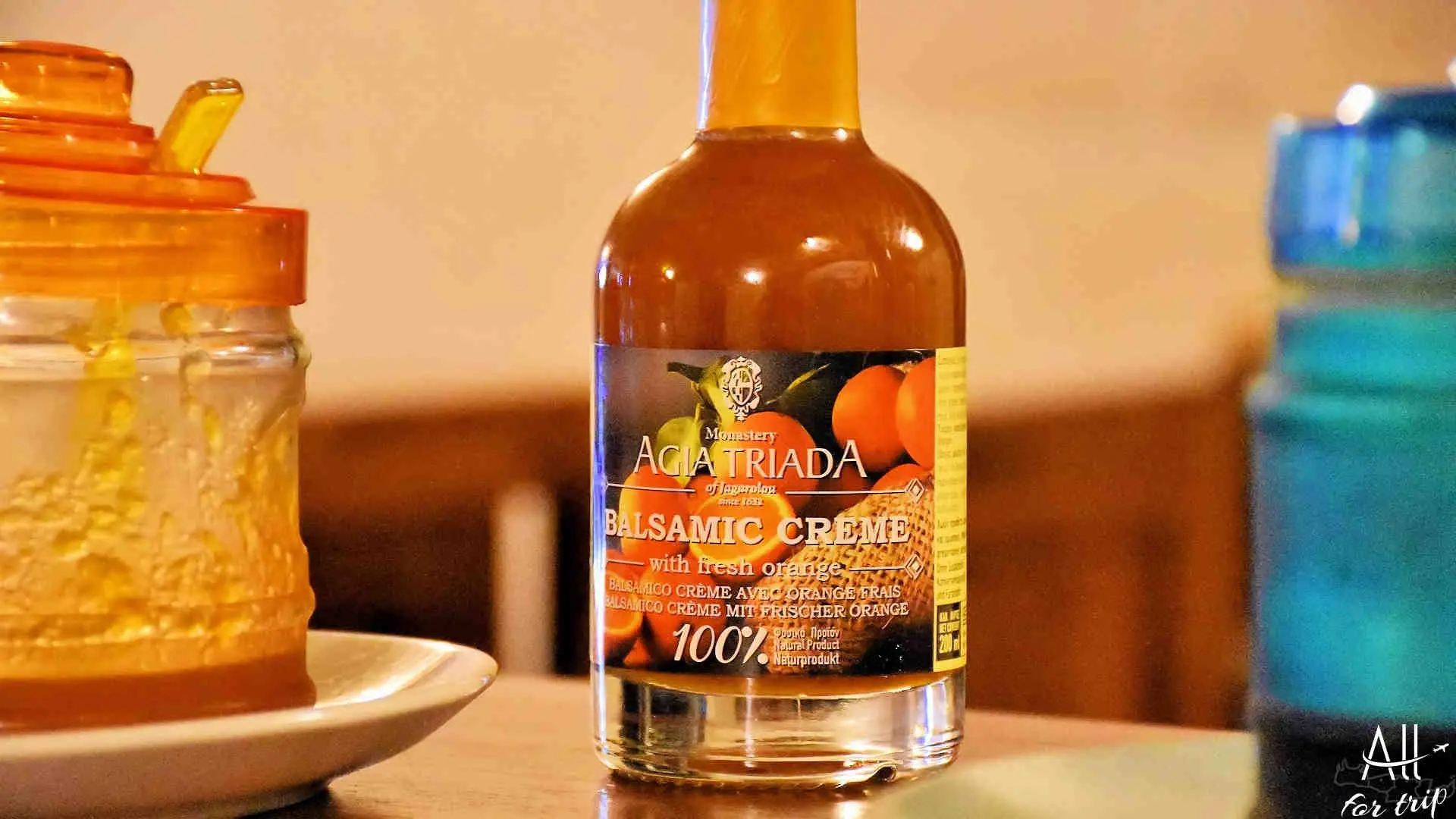
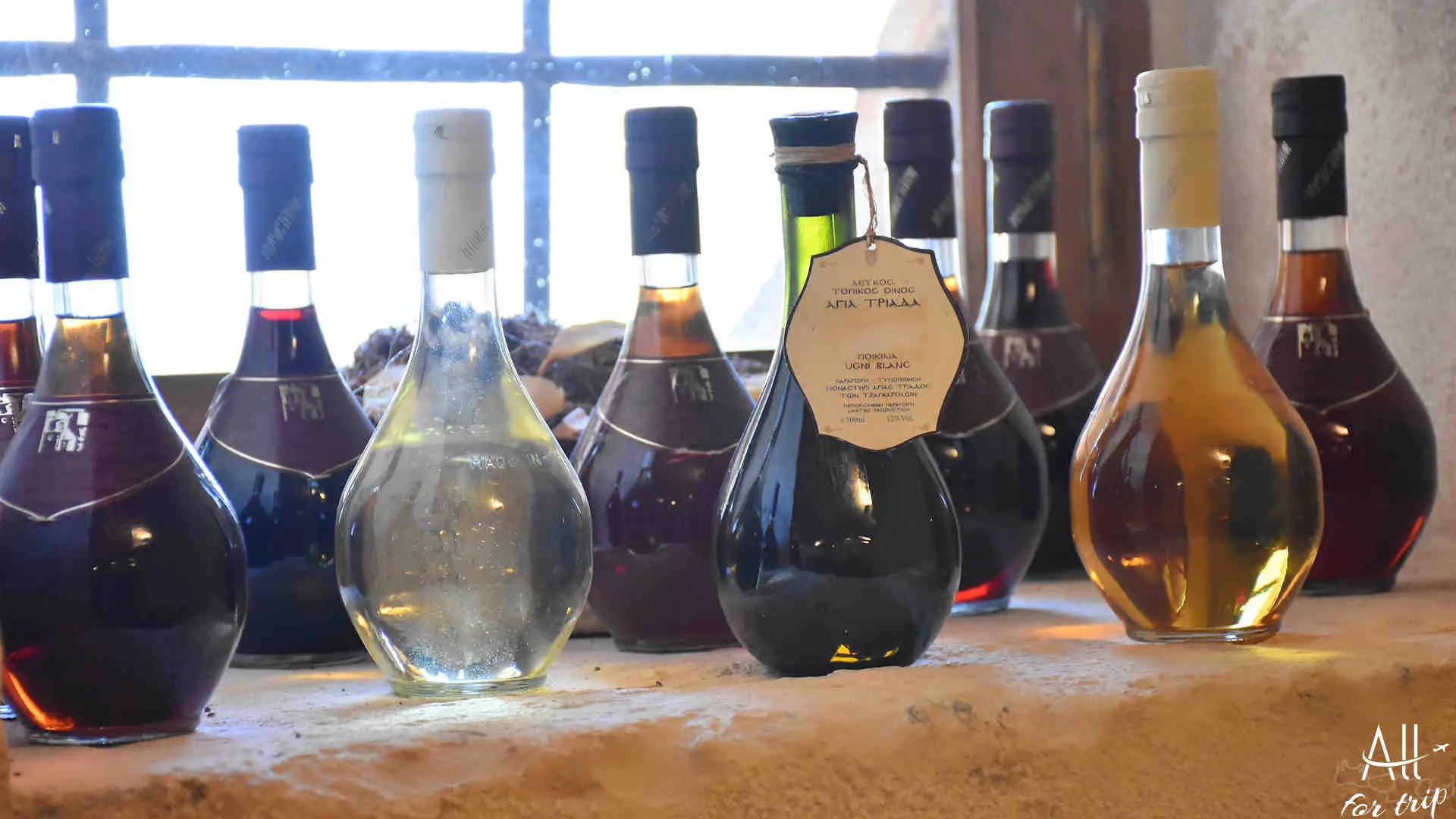
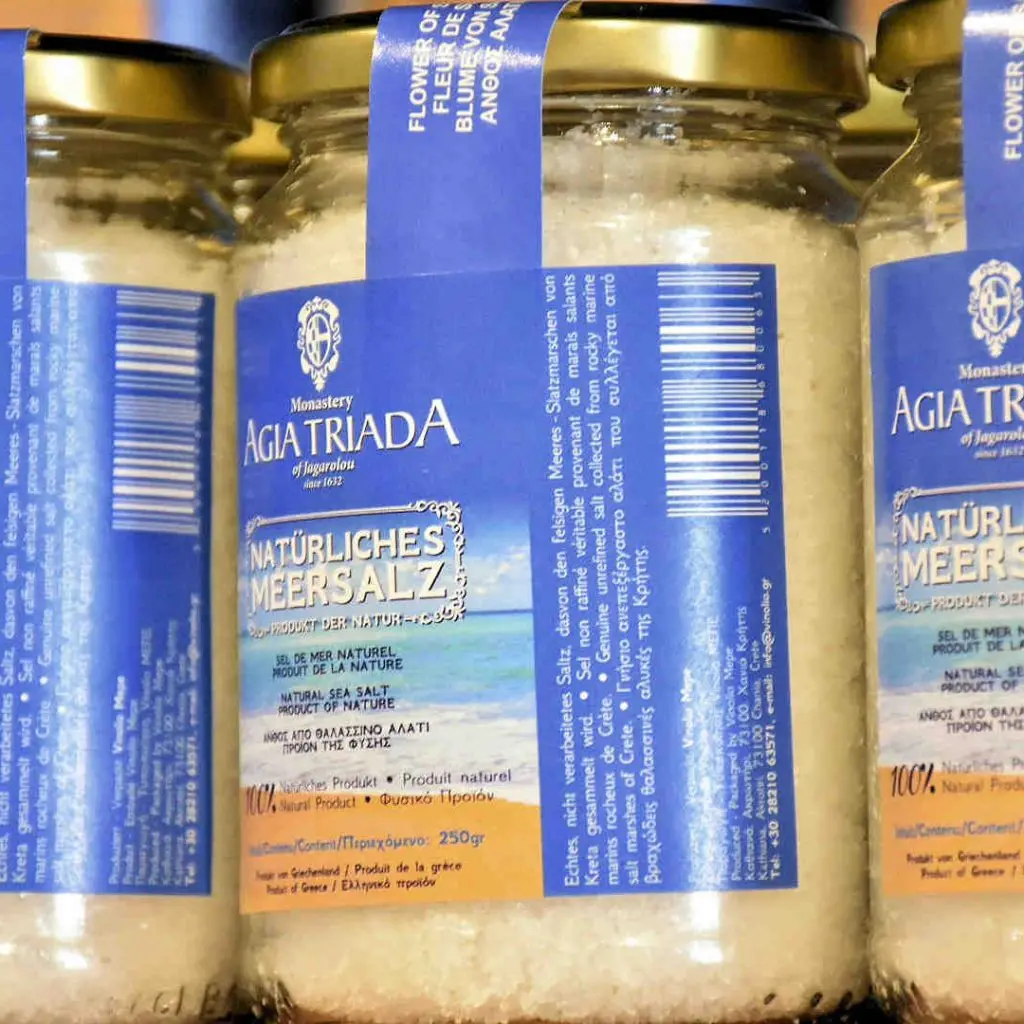
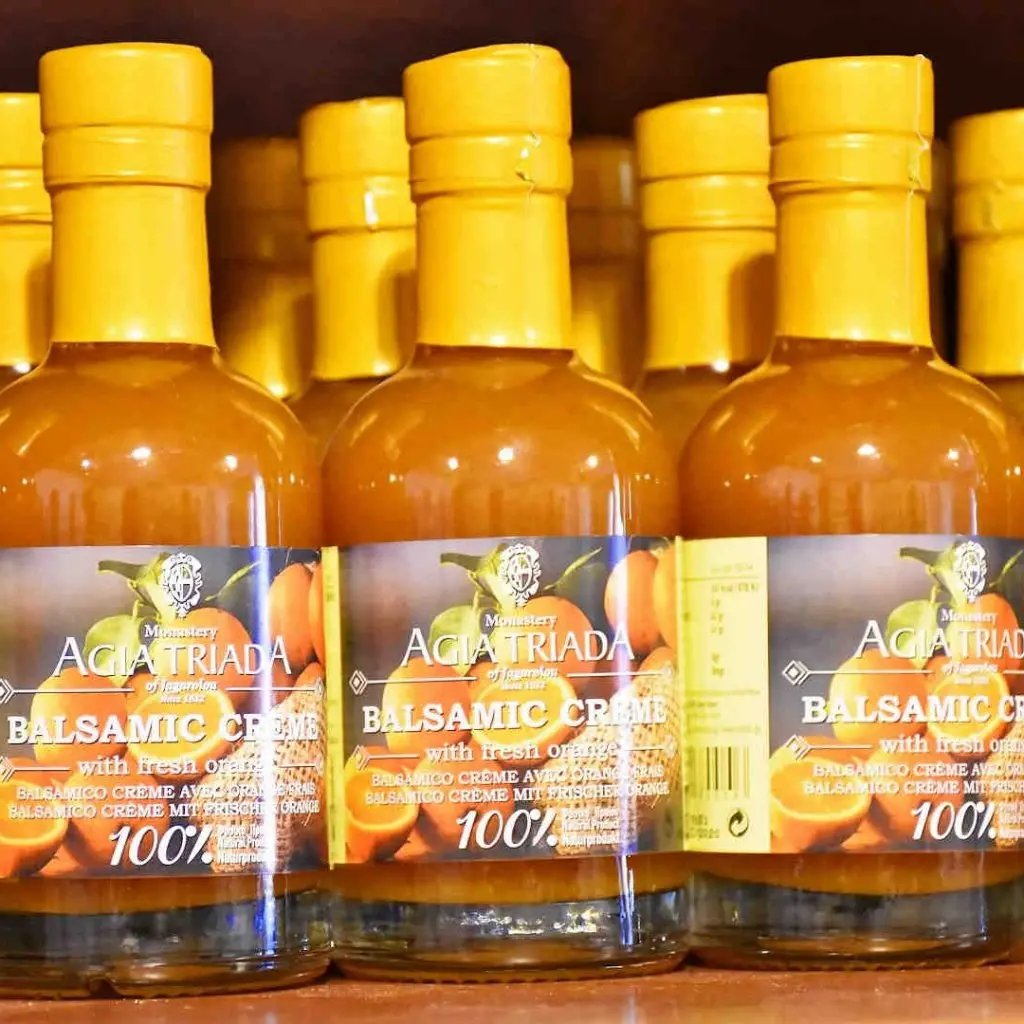
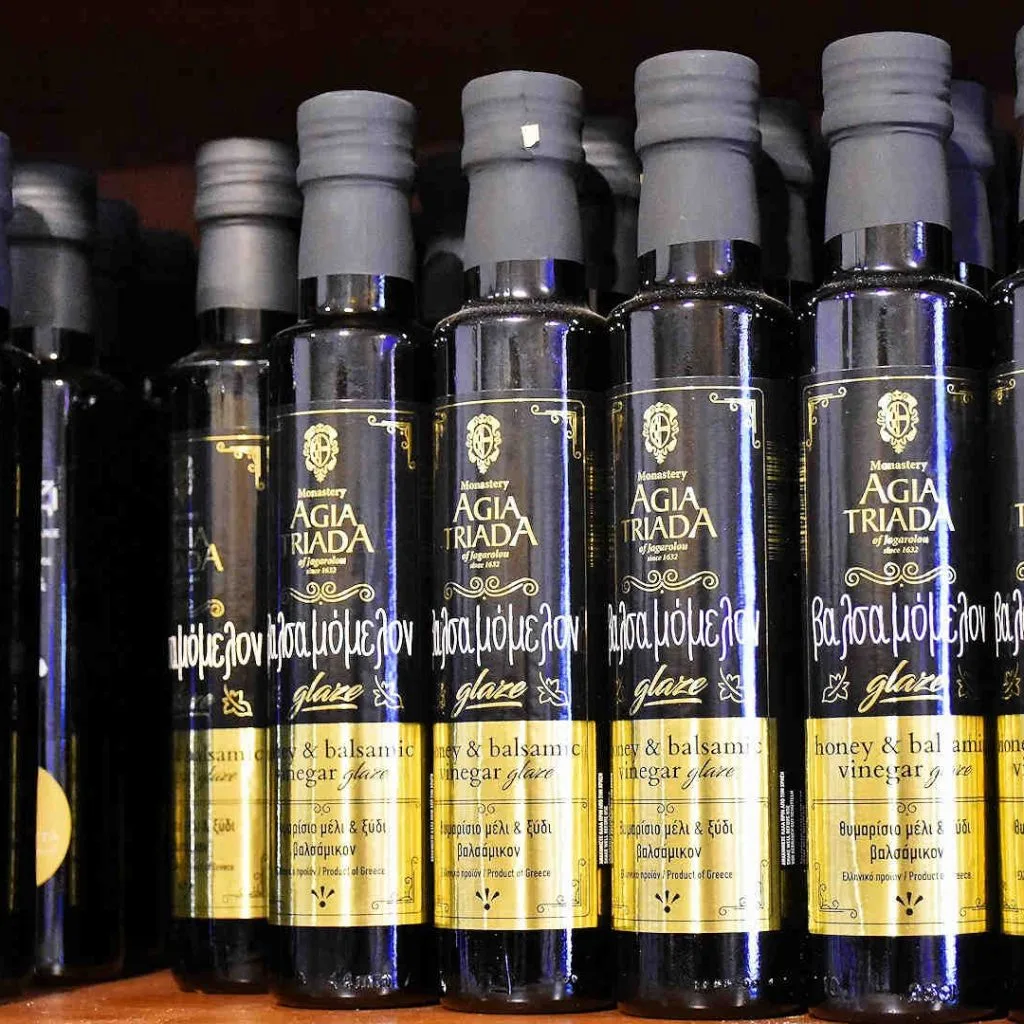
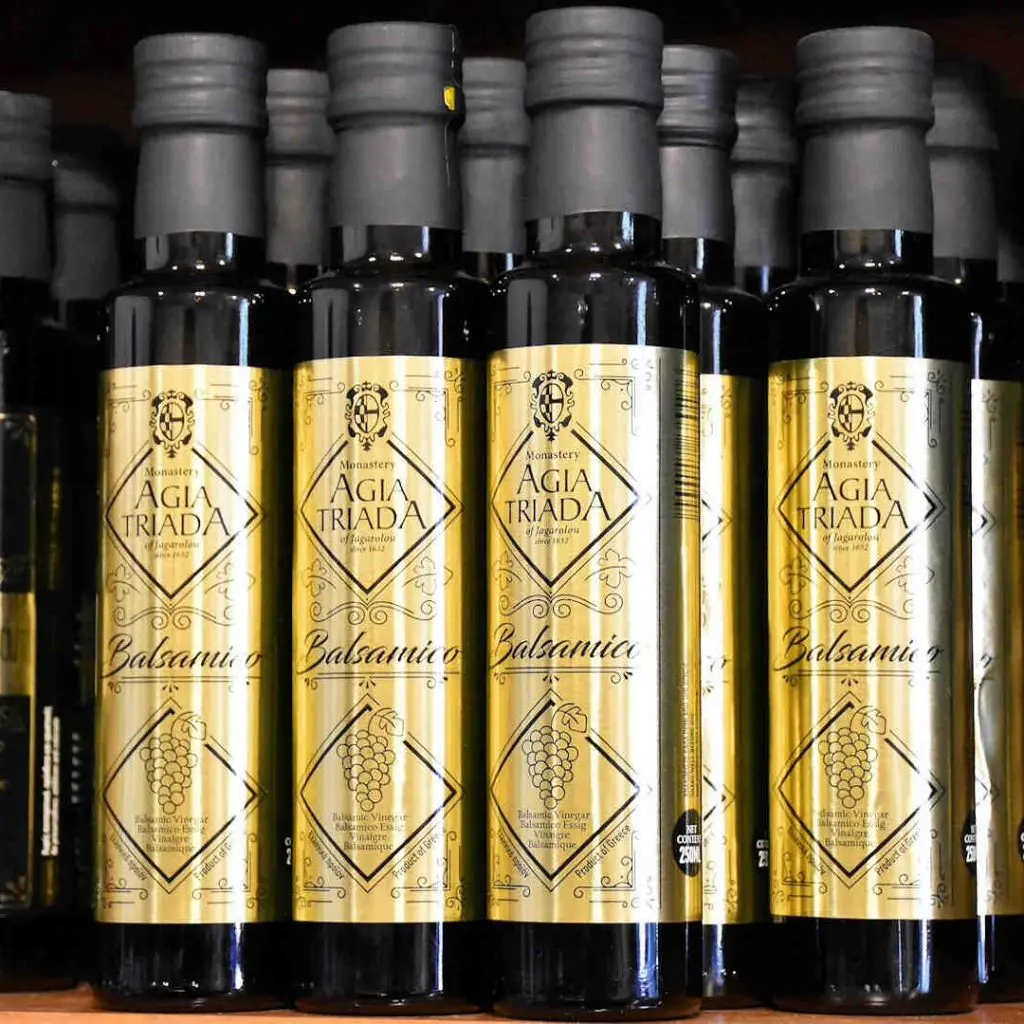
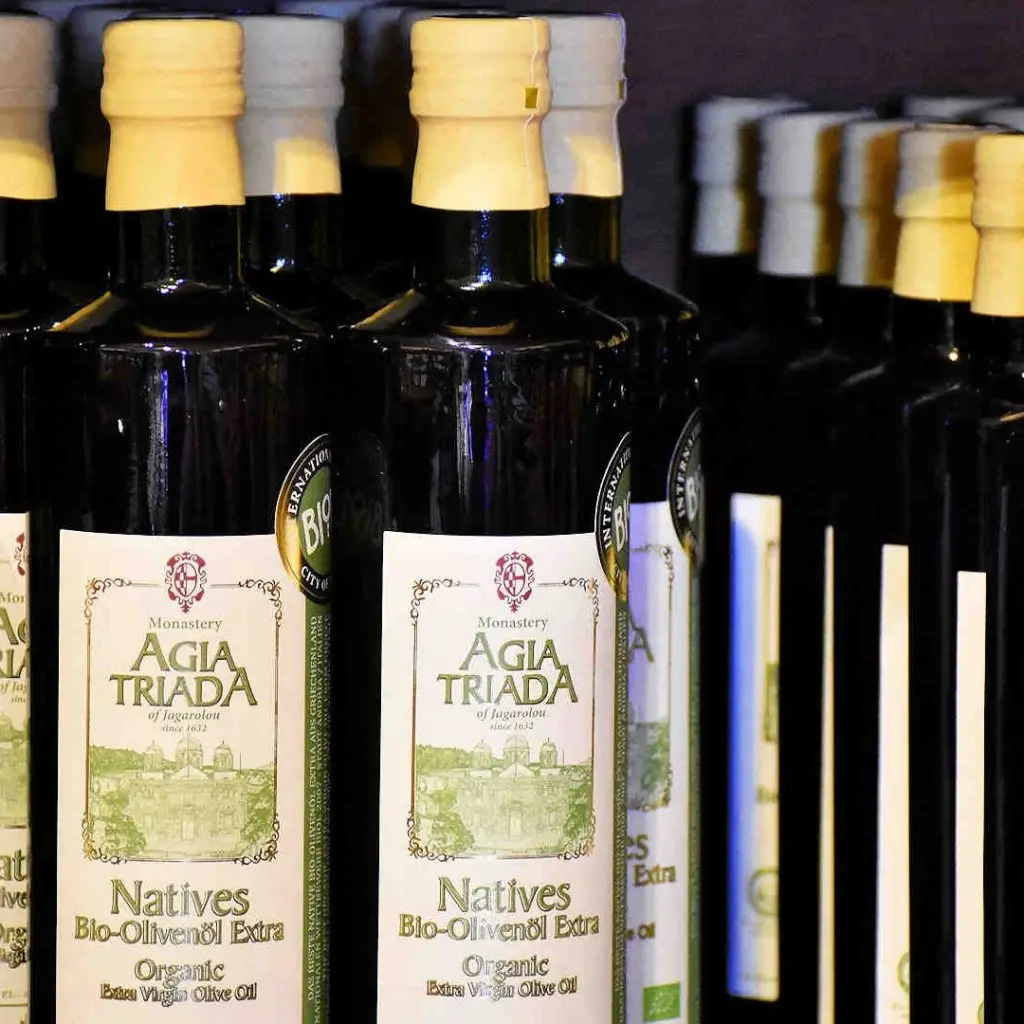
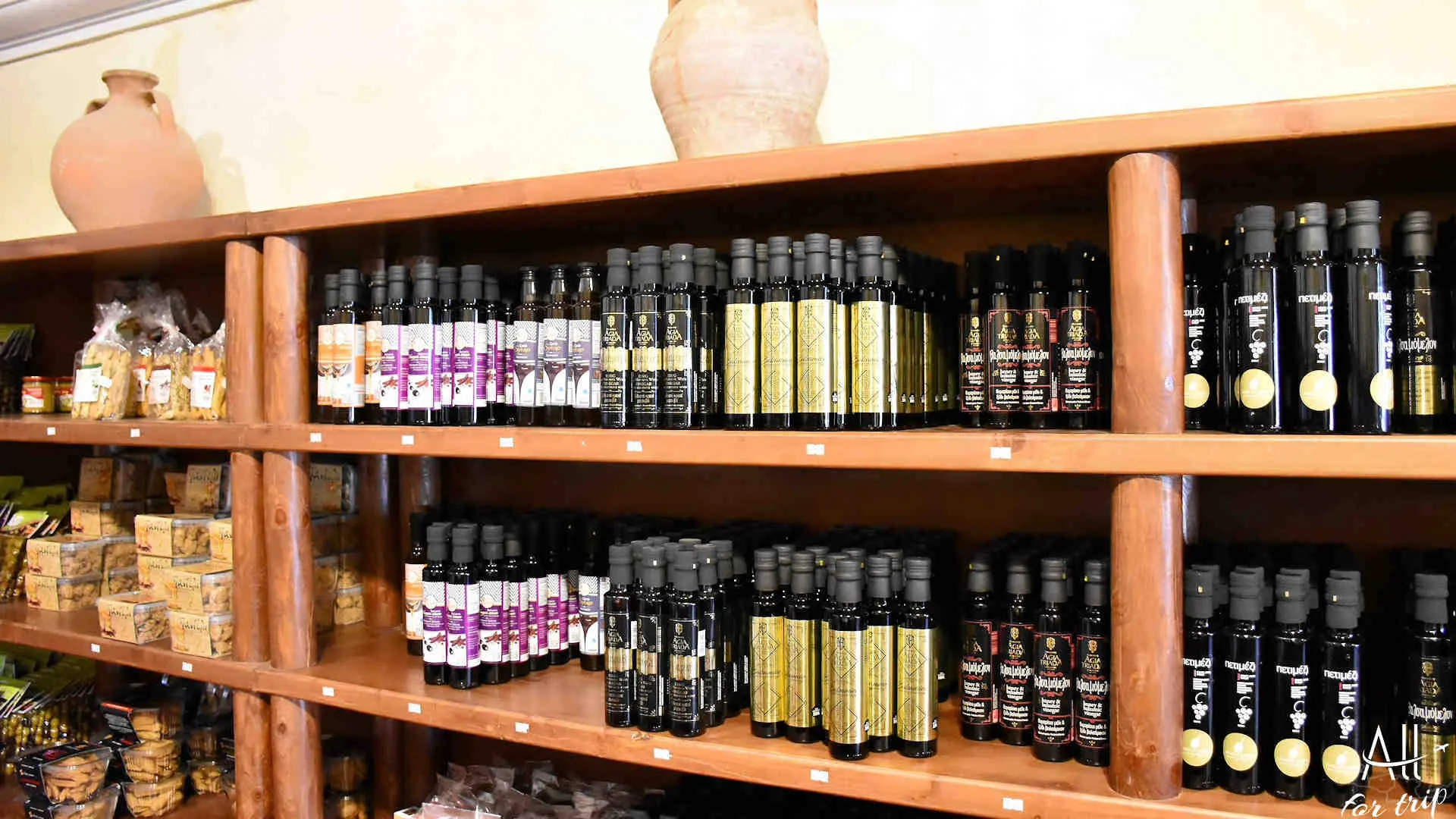
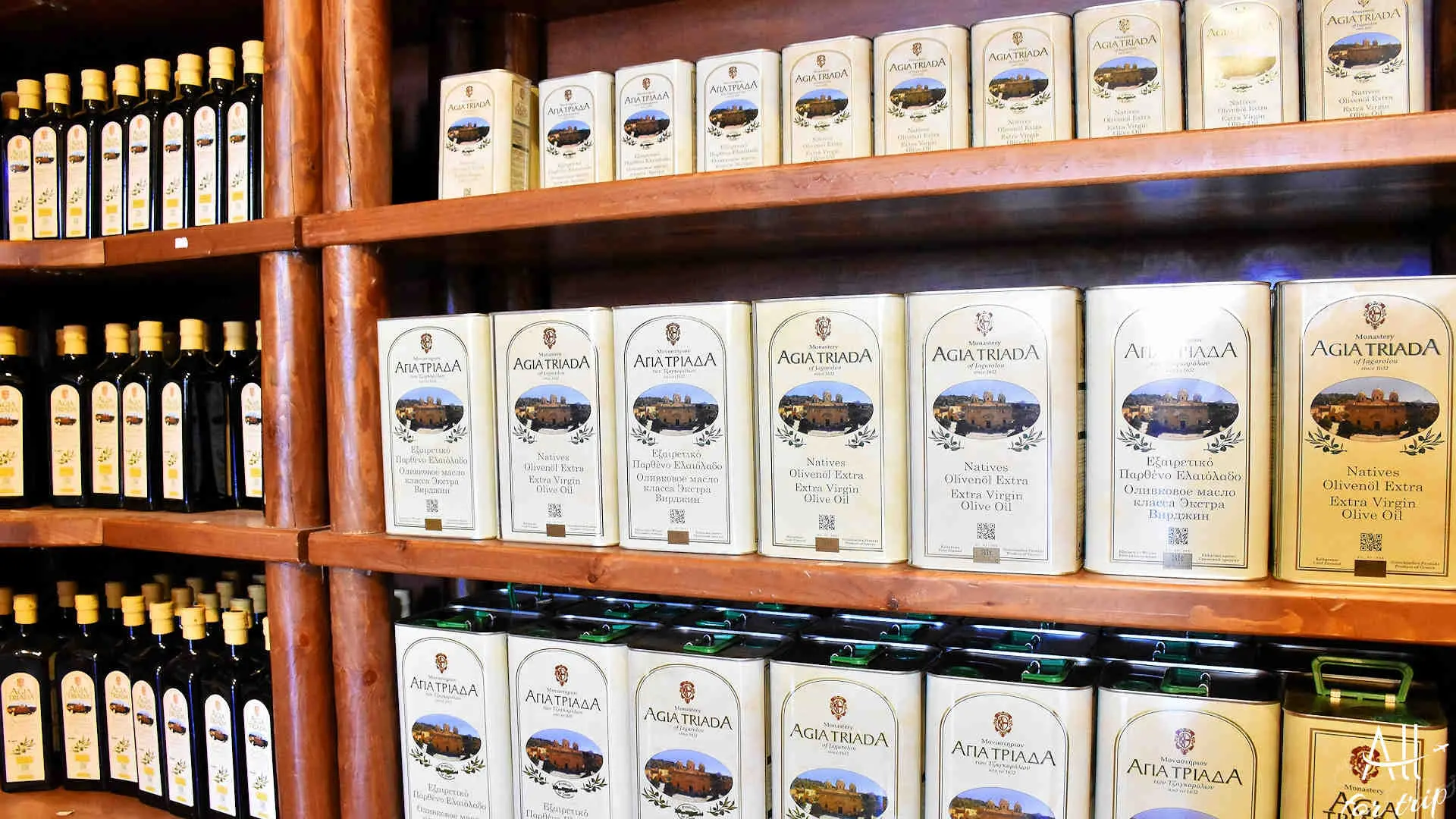
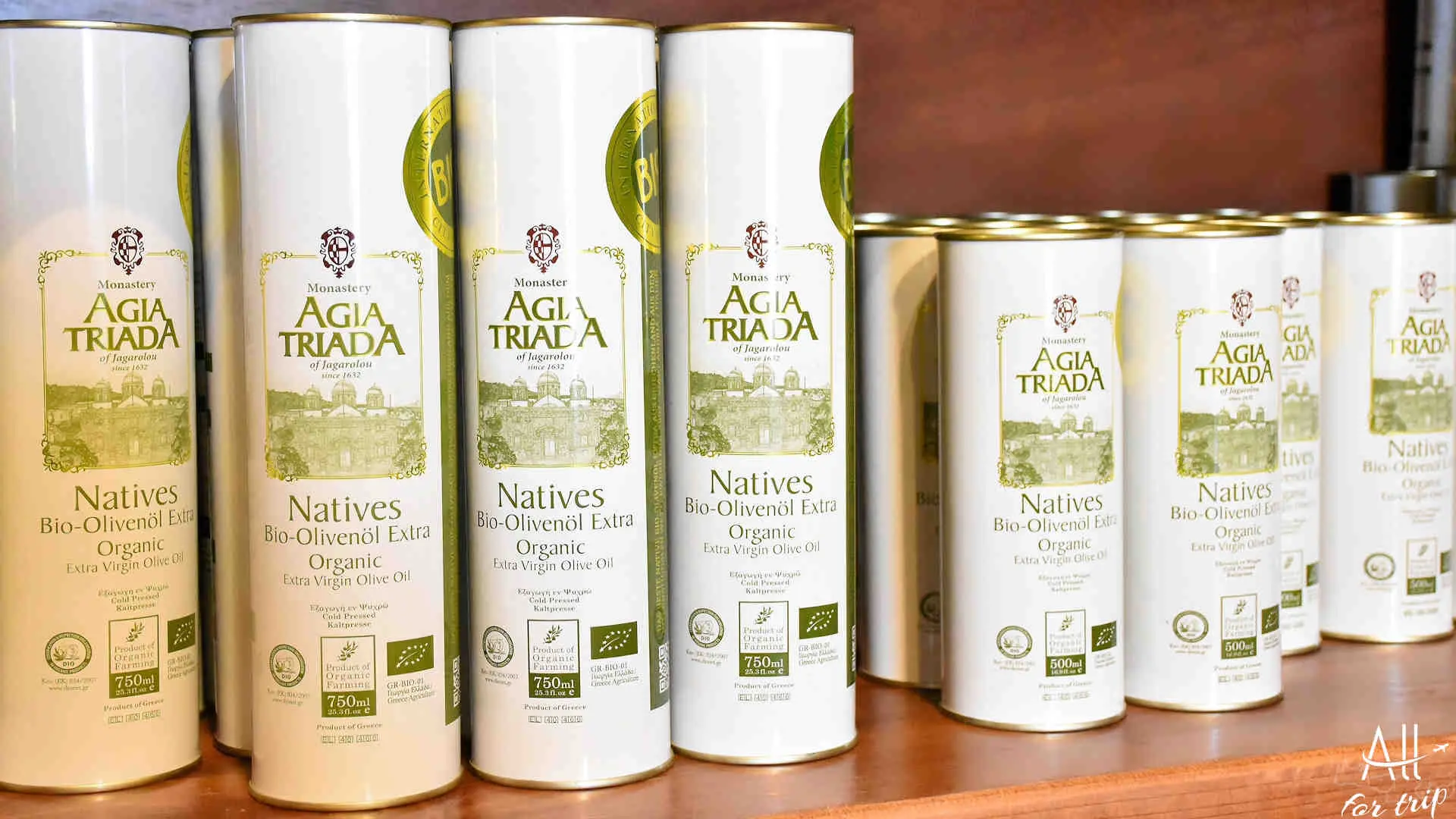
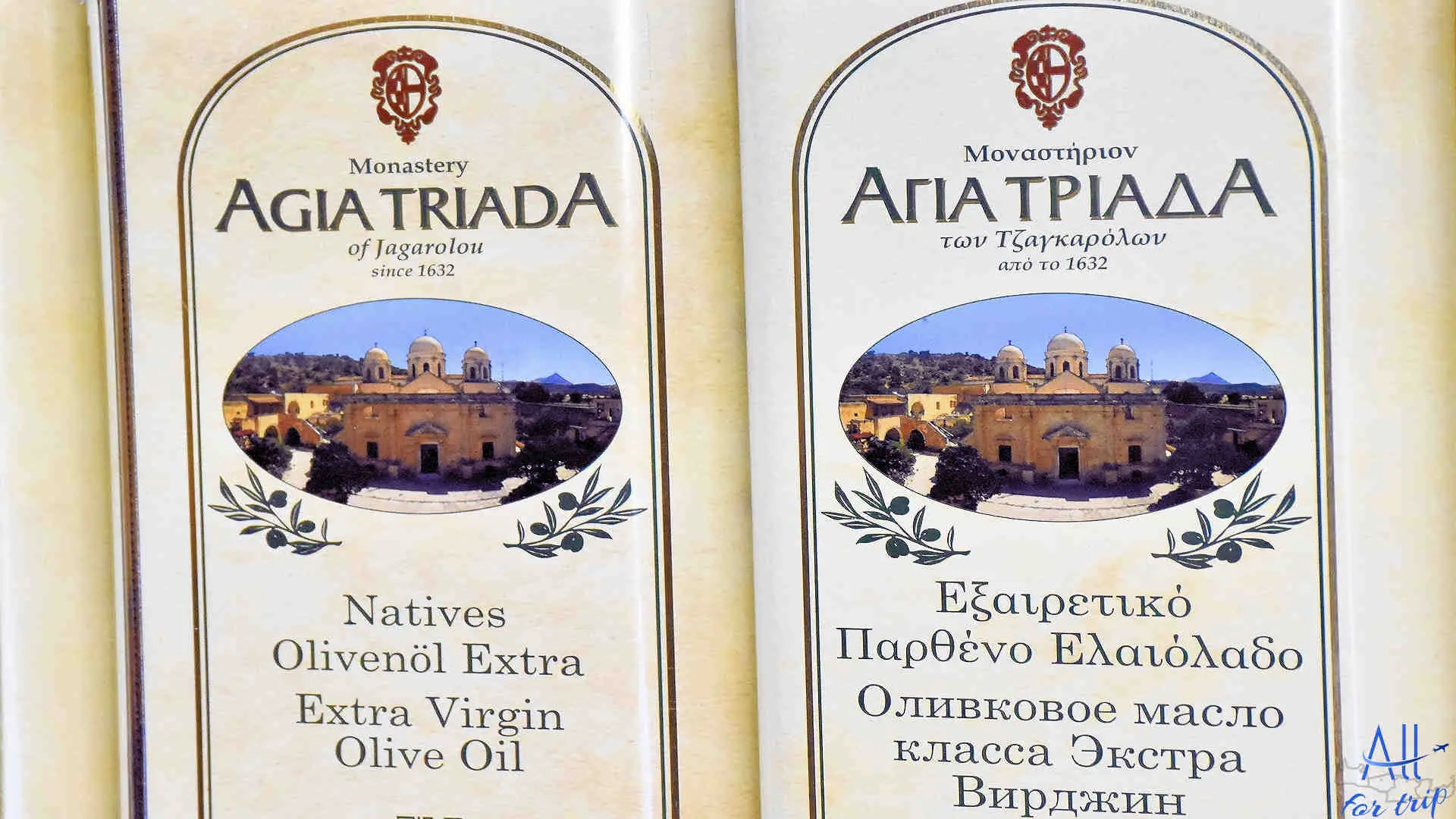
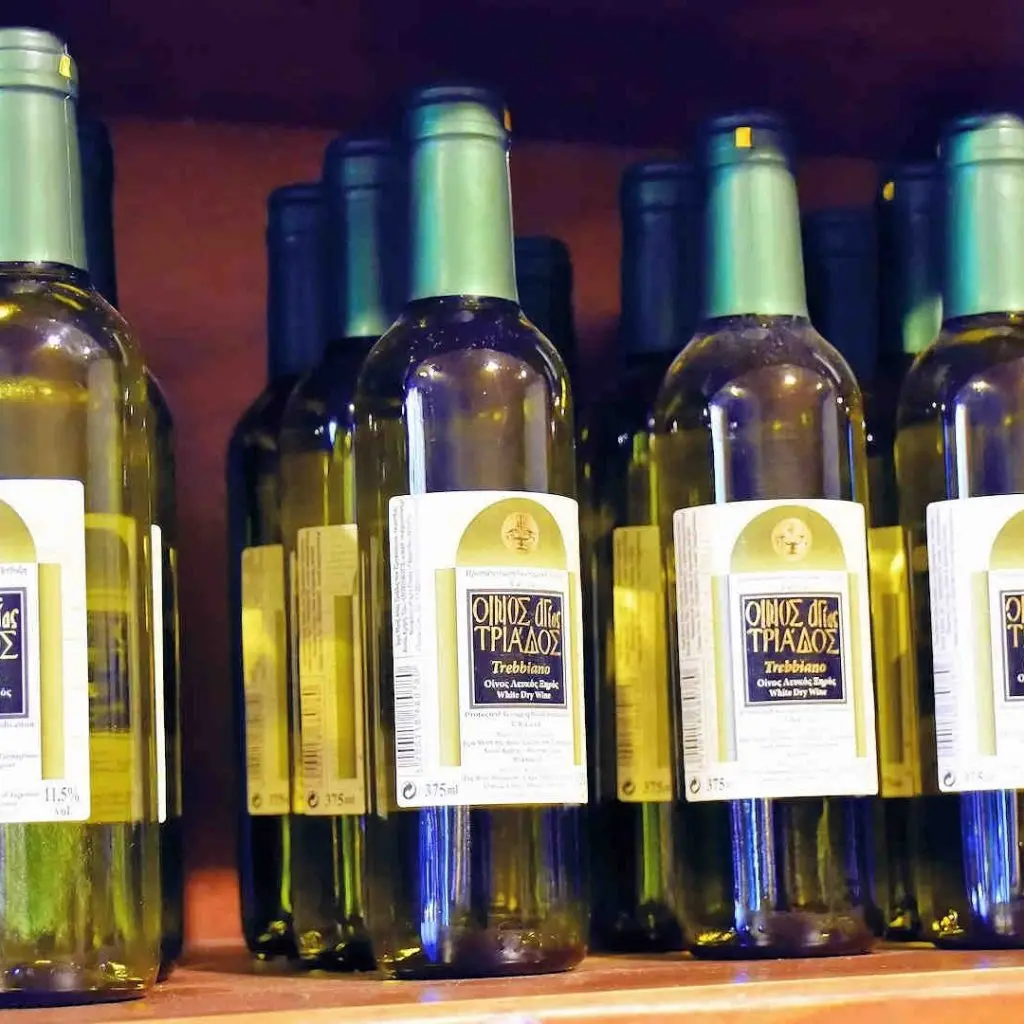
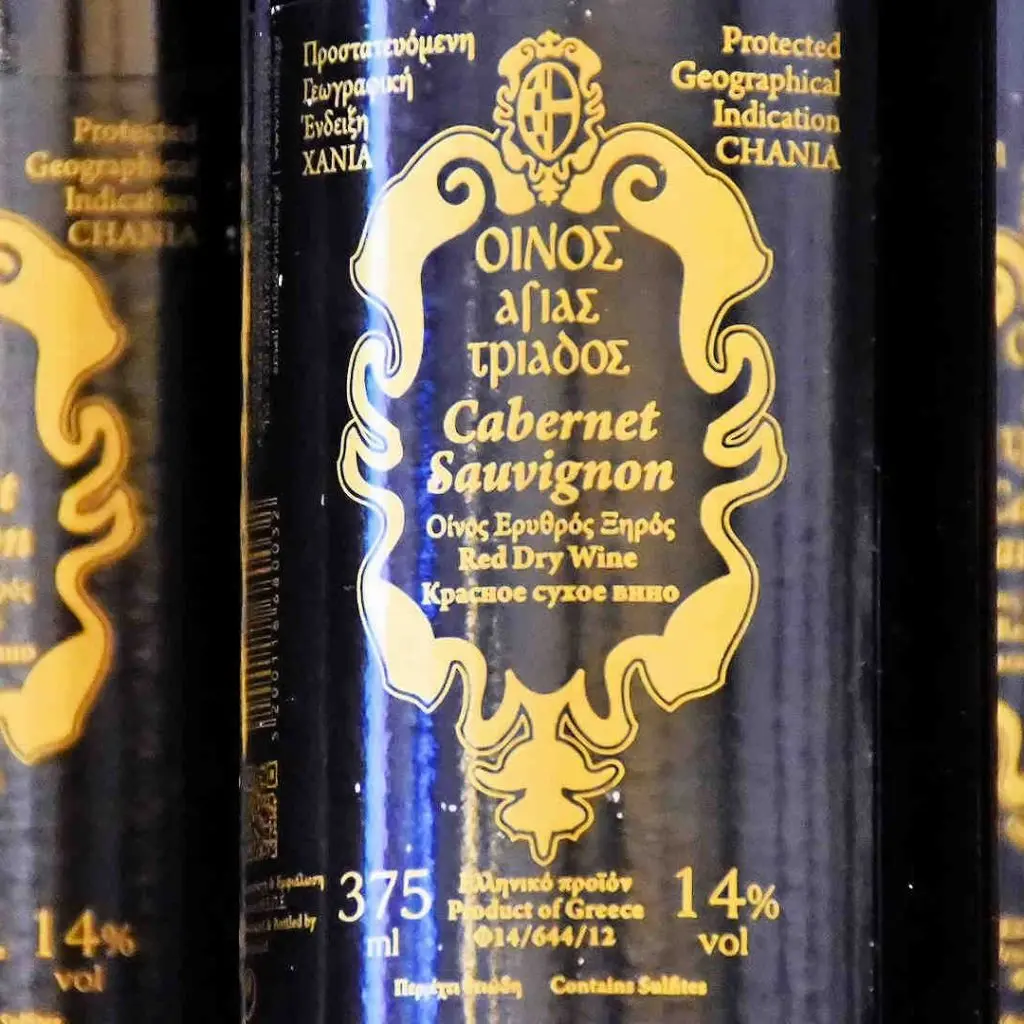
We have the opportunity to taste the olive oils of the Agia Triada monastery In the museum.
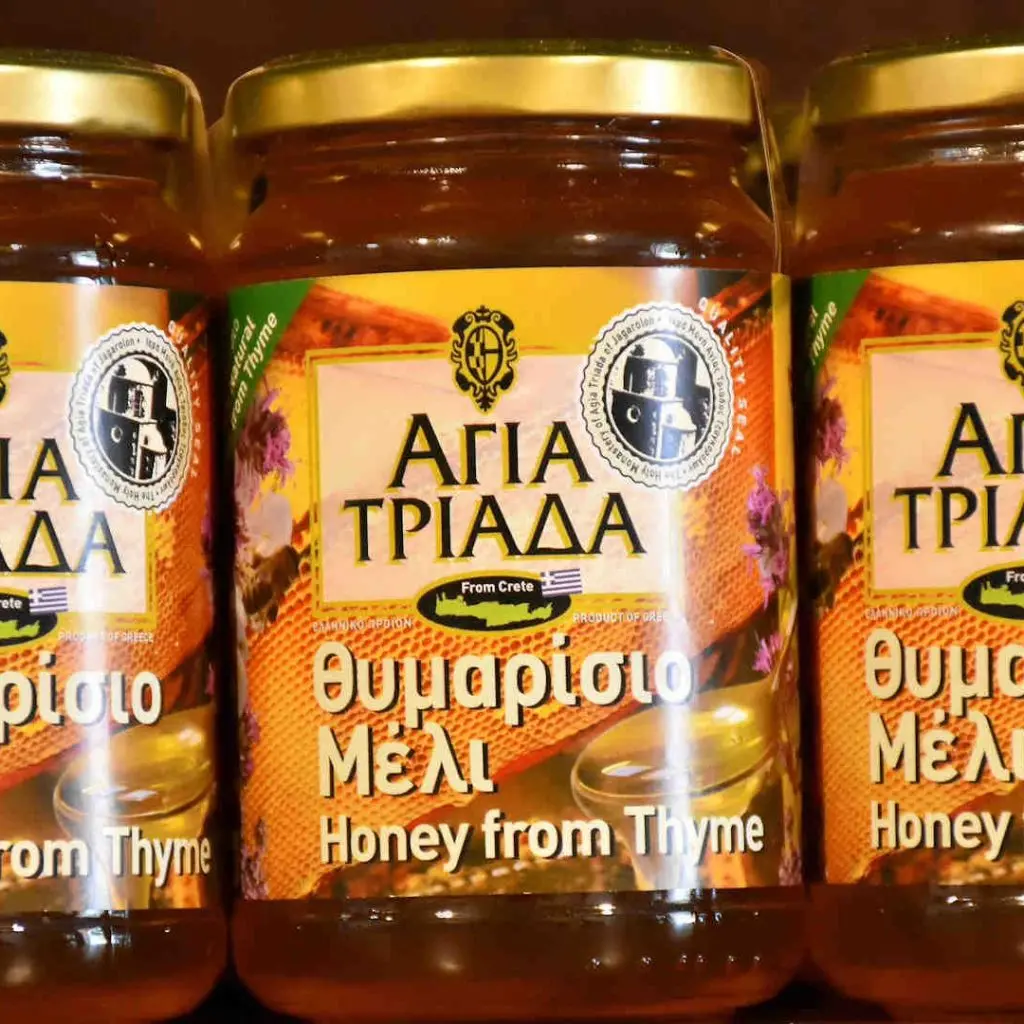
Not only can we taste olive oil, but several types of honey. The unique product of the monastery is honey made from thyme flowers. Fantastic. Worth a taste. [/swpm_protected]
The origin of Cretan winery
Historians are divided on the question: who the oldest winemaker and wine growers is.
5000 BC – the beginning of viticulture and winemaking. The oldest wine growers: Persians, Semitic, Assyrians.
But according to some historians: wine production was already known in ancient China during this period.
4000 BC – the beginning of viticulture and winemaking in Egypt. The ancient Egyptians already used mechanical presses.
The Palestinians, the Phoenicians, and the Greeks took over the art of viticulture and winemaking.
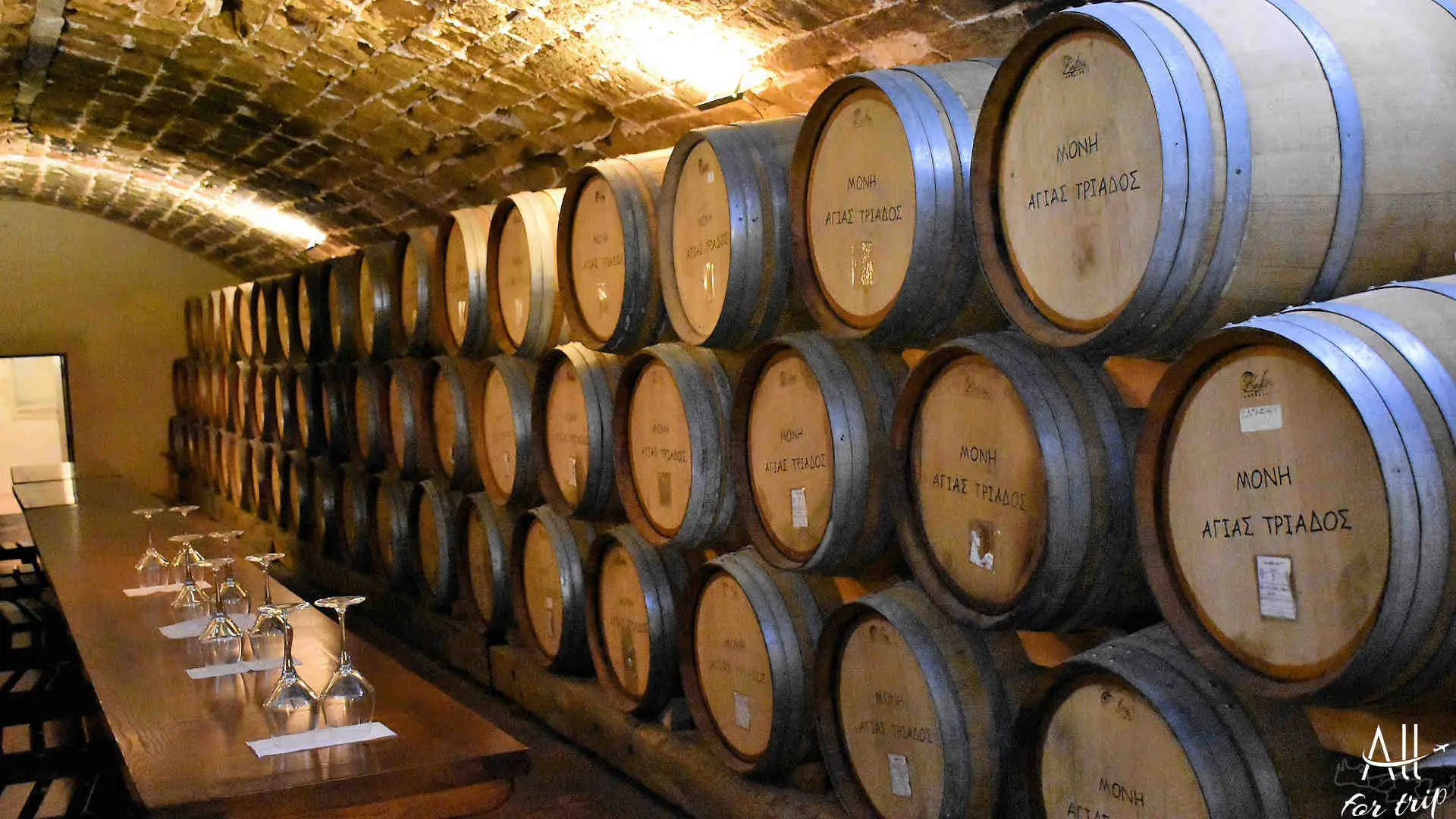
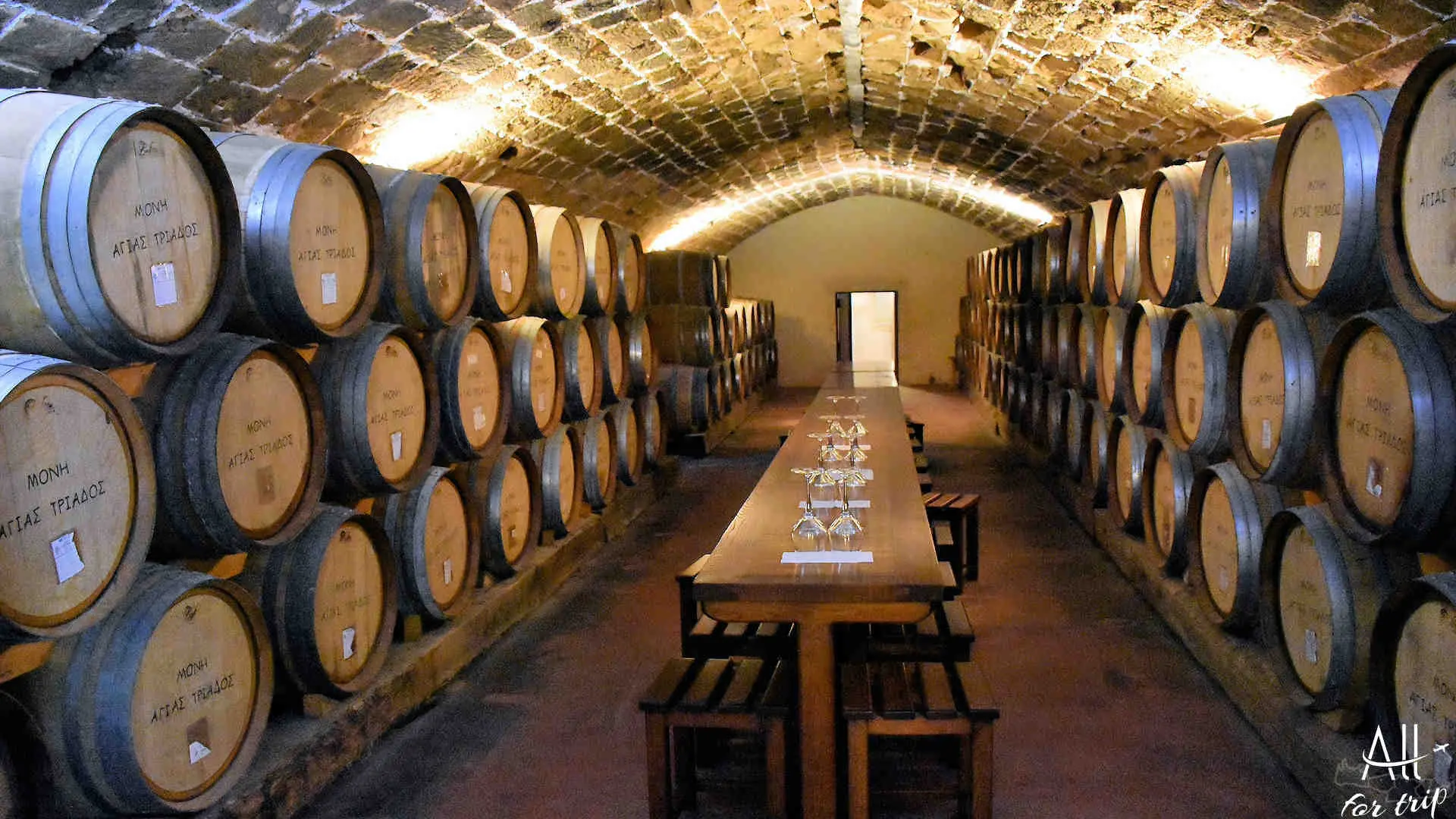
1700 BC – The winery flourished in Mesopotamia. Despite their long tradition, these people soon lost the reputation of great winemakers.
One possible reason for this is: in Phenicia and Greece, with a Mediterranean climate, a better grape variety began to grow.
[swpm_protected format_protected_msg=”1″] No historical evidence: from whom, the Greeks took over the craft of winemaking.
According to the most accepted theory: from Eastern people – from the Phoenicians or from the Egyptians.
2700–1420 BC – The Greeks, including the Cretans, established good trade relations with the Egyptians – during the Minoan civilization.
Probably: during this period began the wine production, winery in Crete. [/swpm_protected]
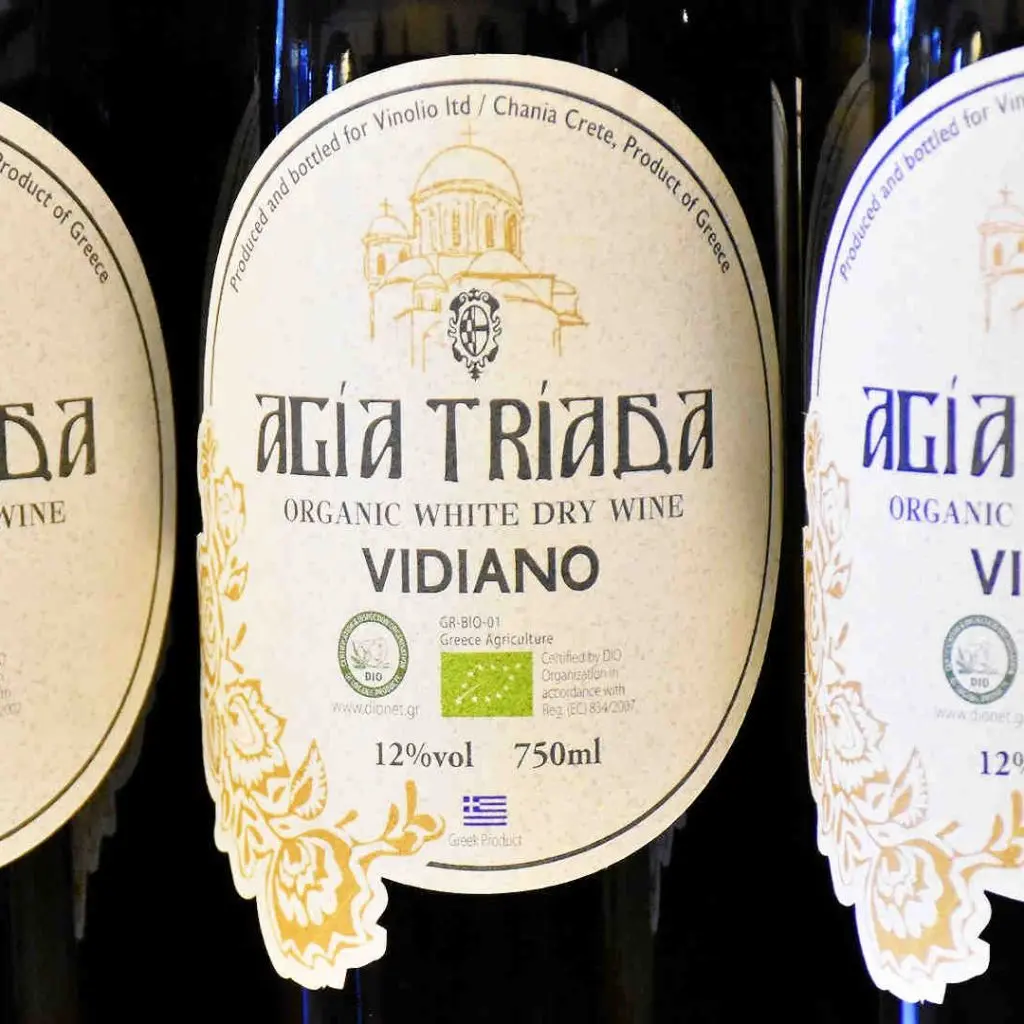
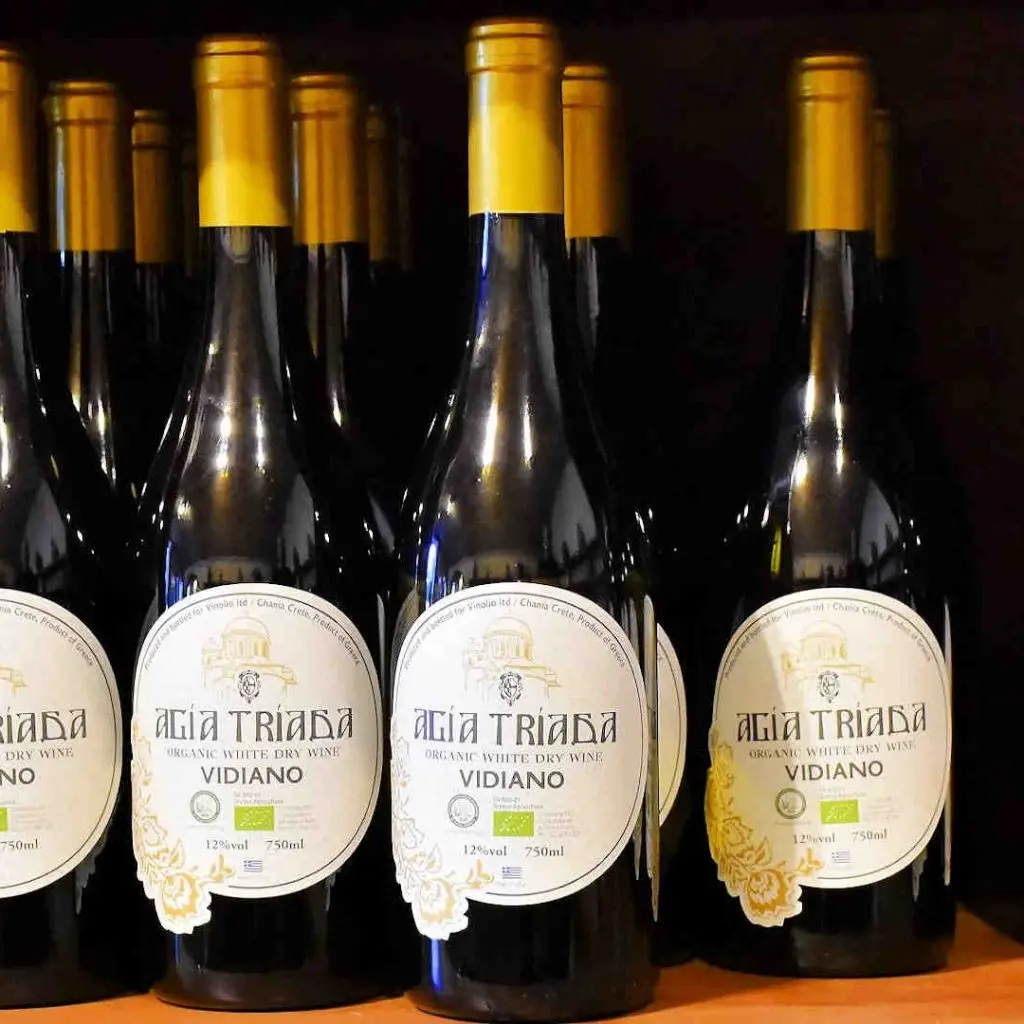
Tsikoudia – Raki
Tsikoudia, called raki in Western Crete, is a grape-based brandy of Cretan origin. It has an alcoholic strength of 40 to 65% vol.
Tsikoudia is made by distilling the remnants of grapes pressed during winemaking by distillation. The grape residues in tightly closed barrels, need to ferment for six weeks. They are then distilled.
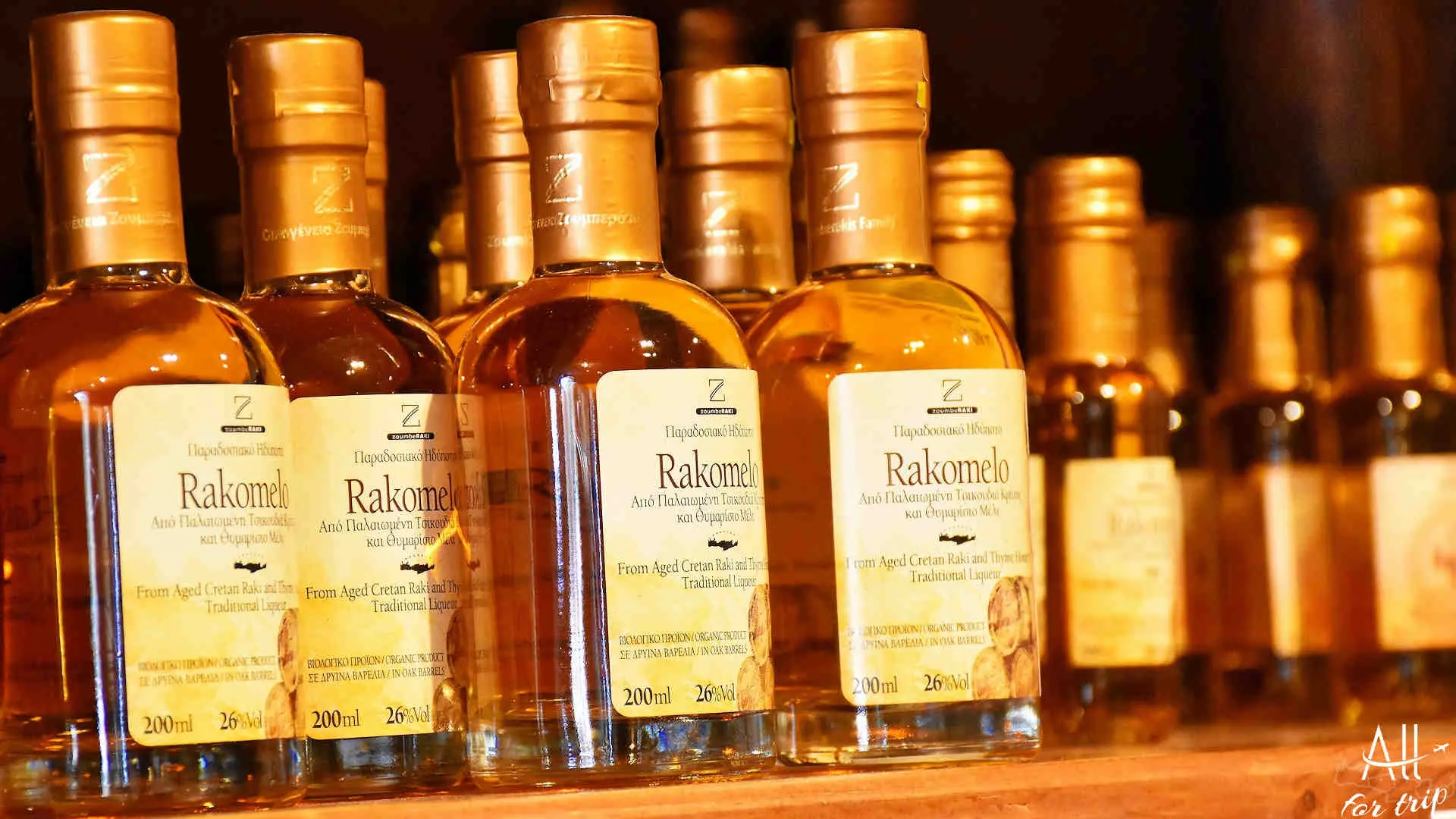
Rakomelo
Rakomelo is a Greek mixed alcoholic beverage: liqueur brandy.
It is Tsikoudia, Raki made with lemon zest, rosemary and honey.
According to Cretan tradition, Raki and Rakomelo promote digestion. Therefore consumed after a meal. In Crete, it is also used as a home remedy for sore throats or coughs.

Comment (0)