
Last updated:
Flora and fauna
Pliocene – Began 5.333 million years ago and ended 2.58 million years ago, when the Pleistocene age began. The island had a land connection with Asia Minor, but in the middle of the Pliocene the whole area came under the sea.
The end of the Pliocene, the beginning of the Pleistocene – the island once again emerged from the Mediterranean
Plants and animals again proliferated the island. The Cretan wildlife is reminiscent of oceanic islands.
The first inhabitants of the island:
– animals that swam well
– animals capable of flying
– animals traveling with sediment
1.8 million years until to 300,000 years – It lived during this period:
– the Cretan dwarf mammoth (Mammuthus creticus)
– the Cretan dwarf hippopotamus (Hippopotamus creutzburgi)
– the Cretan mouse (Kritimys sp.).
300,000 years until to 10,000 years – During this period he lived:
– the Cretan dwarf elephant (Palaeoloxodon chaniensis)
– the partially dwarf deer species (Candiacervus)
– large mouse species
– the Cretan otter (Lutrogale cretensis)
– the large, up to 60 cm tall: Cretan owl (Athene cretensis)
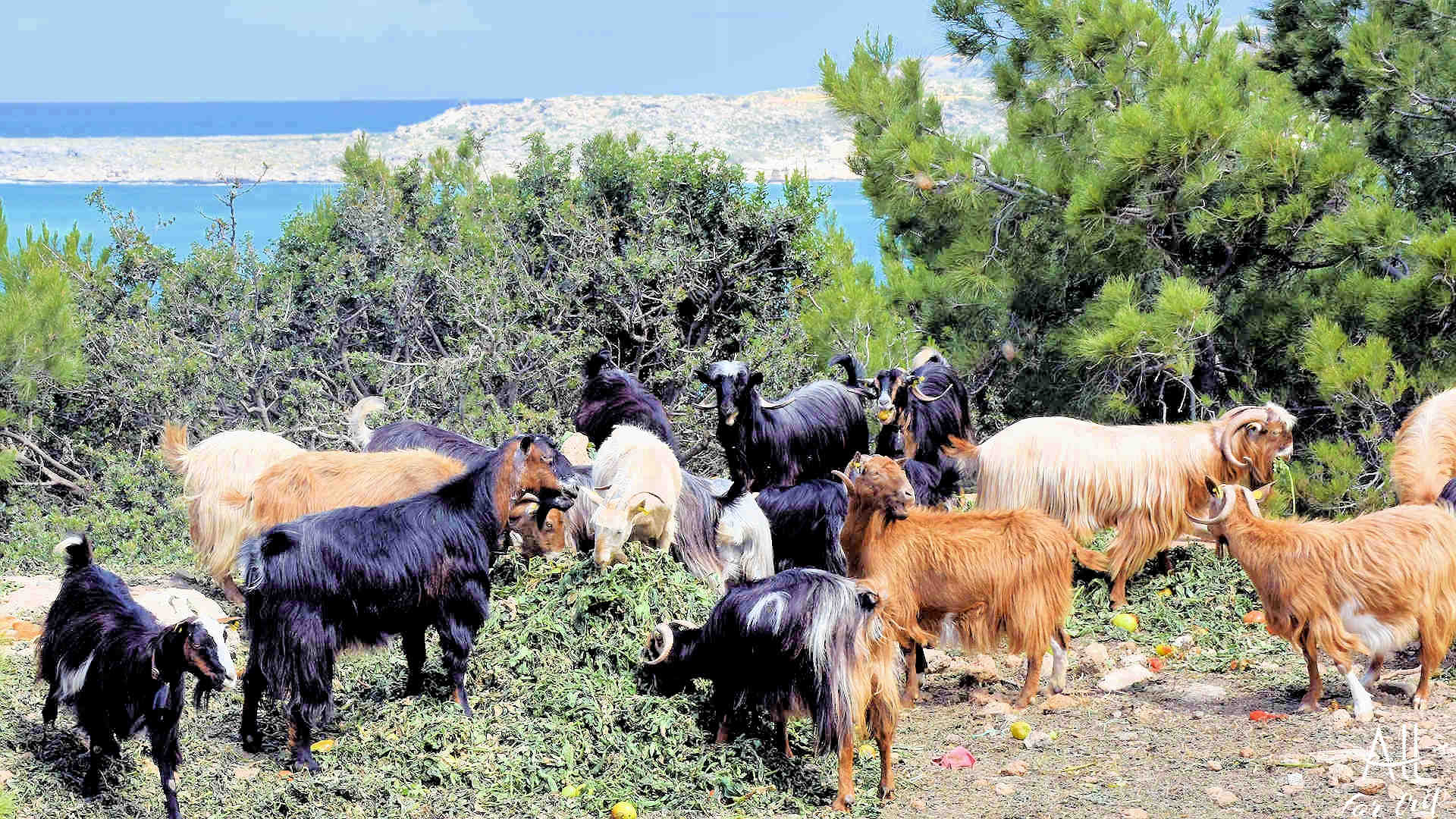
The most characteristic Cretan mammals:
– the Cretan bezoar goat or kri-kri
– the Cretan shrew (Crocidura zimmermanni)
– the Cretan spiny mouse
– the wildcat
– the marten, the weasel and the badger
– 13 bat species are native to the island
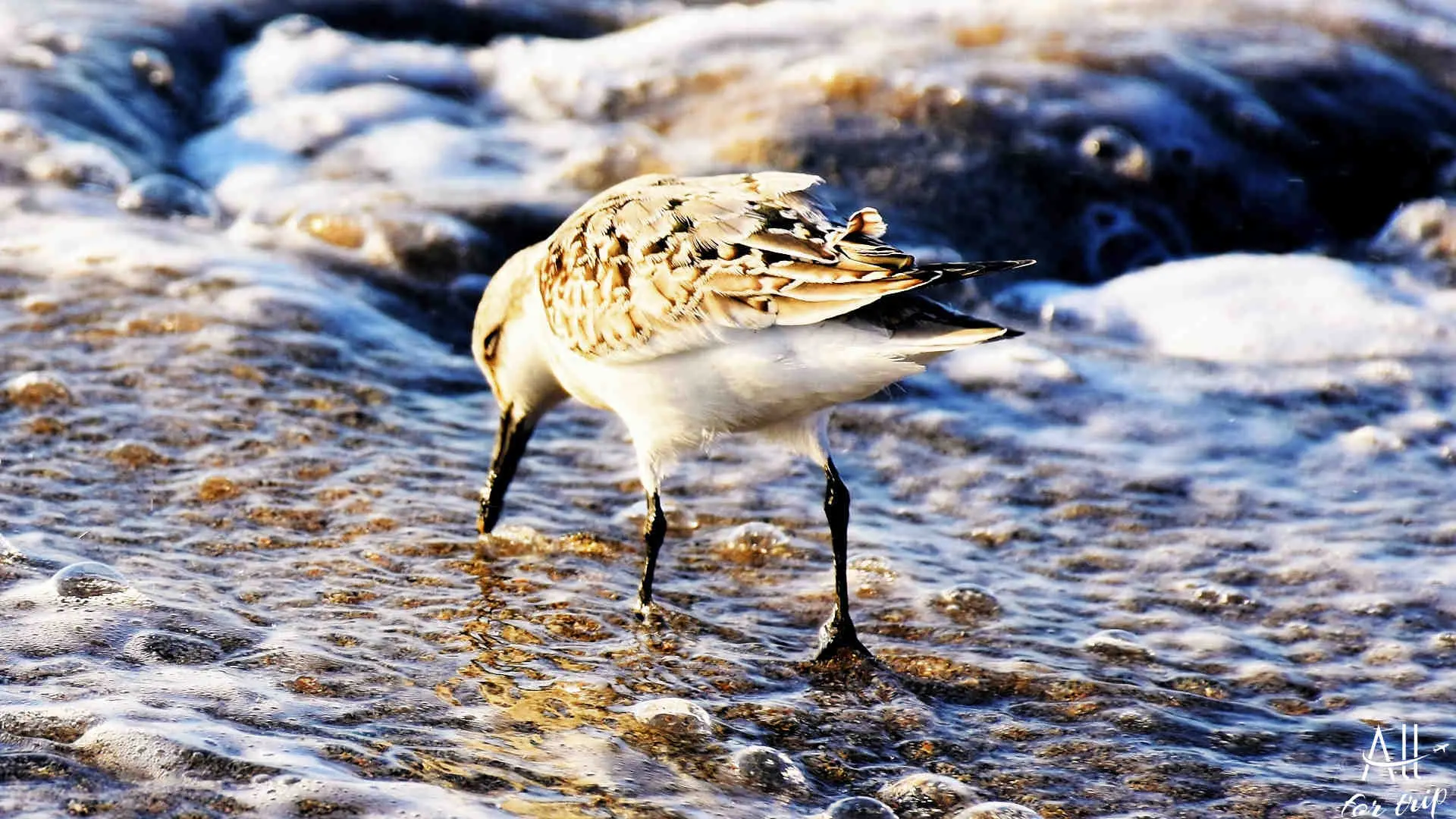
Most typical:
– eagles
– swallows – found on the south coast all year round, because this part: belongs to the North African climate zone
– pelicans
– the crane bird, cranes
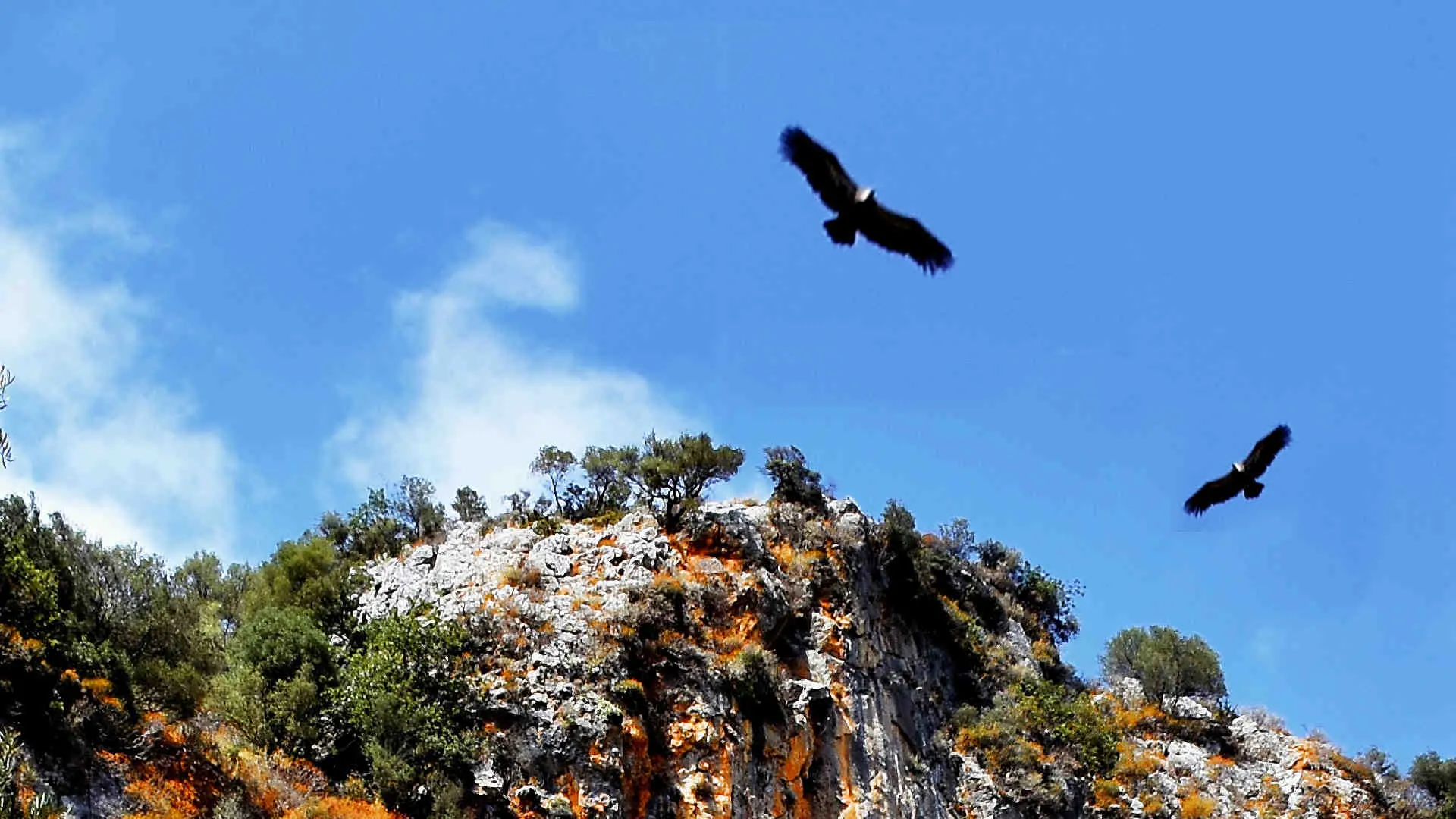
The birds in the mountains, gorges, hard-to-reach places:
– the bearded Vulture (Gypaetus barbatus) – endangered species
– golden eagle (Aquila chrysaetos)
– Bonelli’s eagle (Aquila fasciatus)
– Griffon vulture (Gyps fulvus)
– Eleonora’s falcon (Falco eleonorae)
– Peregrine falcon (Falco peregrinus)
There are a lot of bird species in Crete, just to name a few:
– Common kestrel (Falco tinnunculus)
– Tawny owl (Strix aluco)
– Little owl (Athene noctua)
– Hooded crow (Corvus cornix)
– yellow-billed chough (Pyrrhocorax graculus)
– red-billed chough (Pyrrhocorax pyrrhocorax)
– Eurasian hoopoe (Upupa epops)
The birdlife of Crete is very rich.
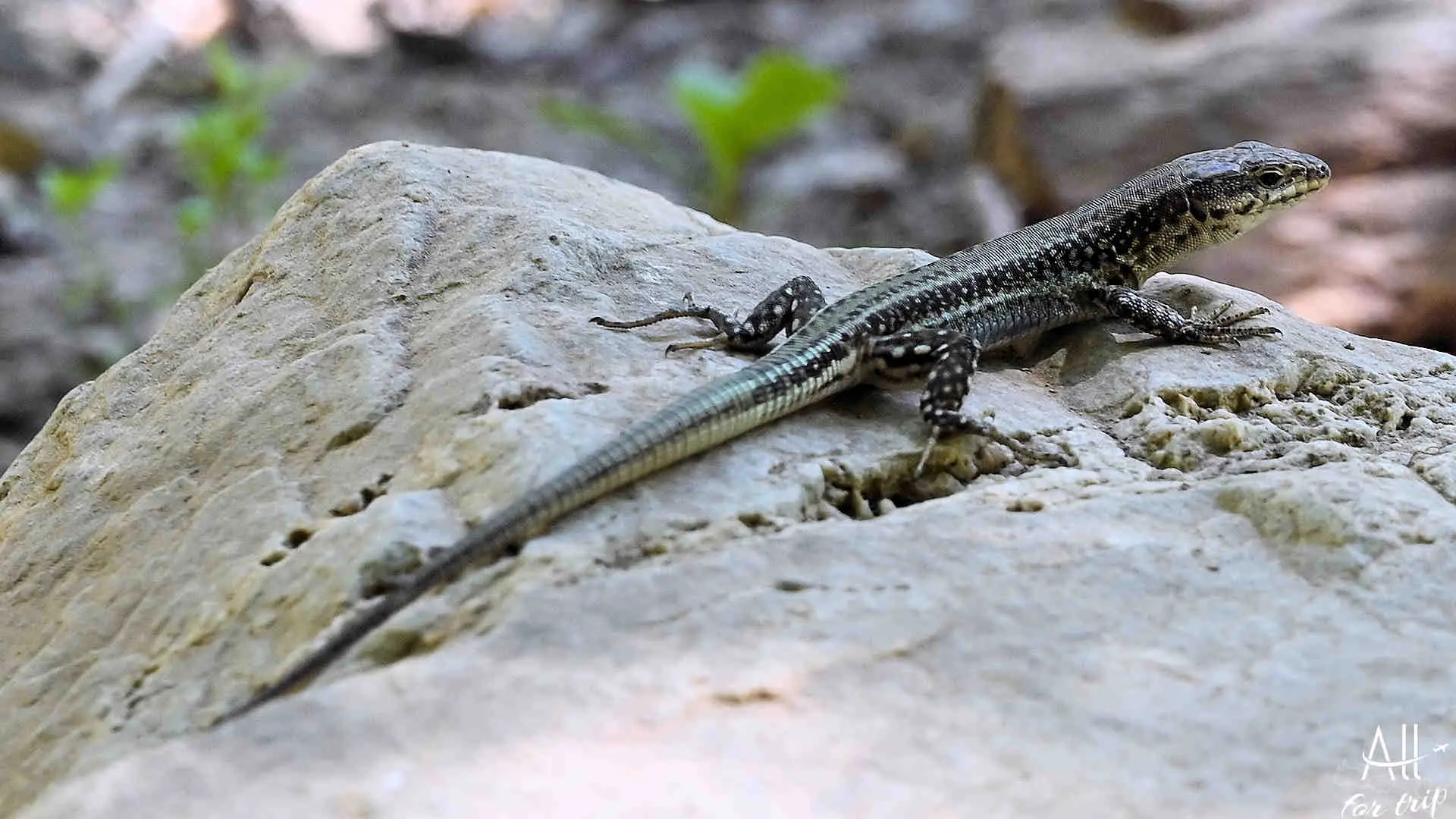
– the lizards are common on the island
– the Cretan snake species: leopard snake (Zamenis situla), Balkan whip snake (Hierophis gemonensis), dice snake (Natrix tessellata) – these species of snakes are not dangerous to humans
– the amphibians: green toad (Bufotes viridis), tree frog (Hyla arborea), marsh frog (Pelophylax ridibundus)
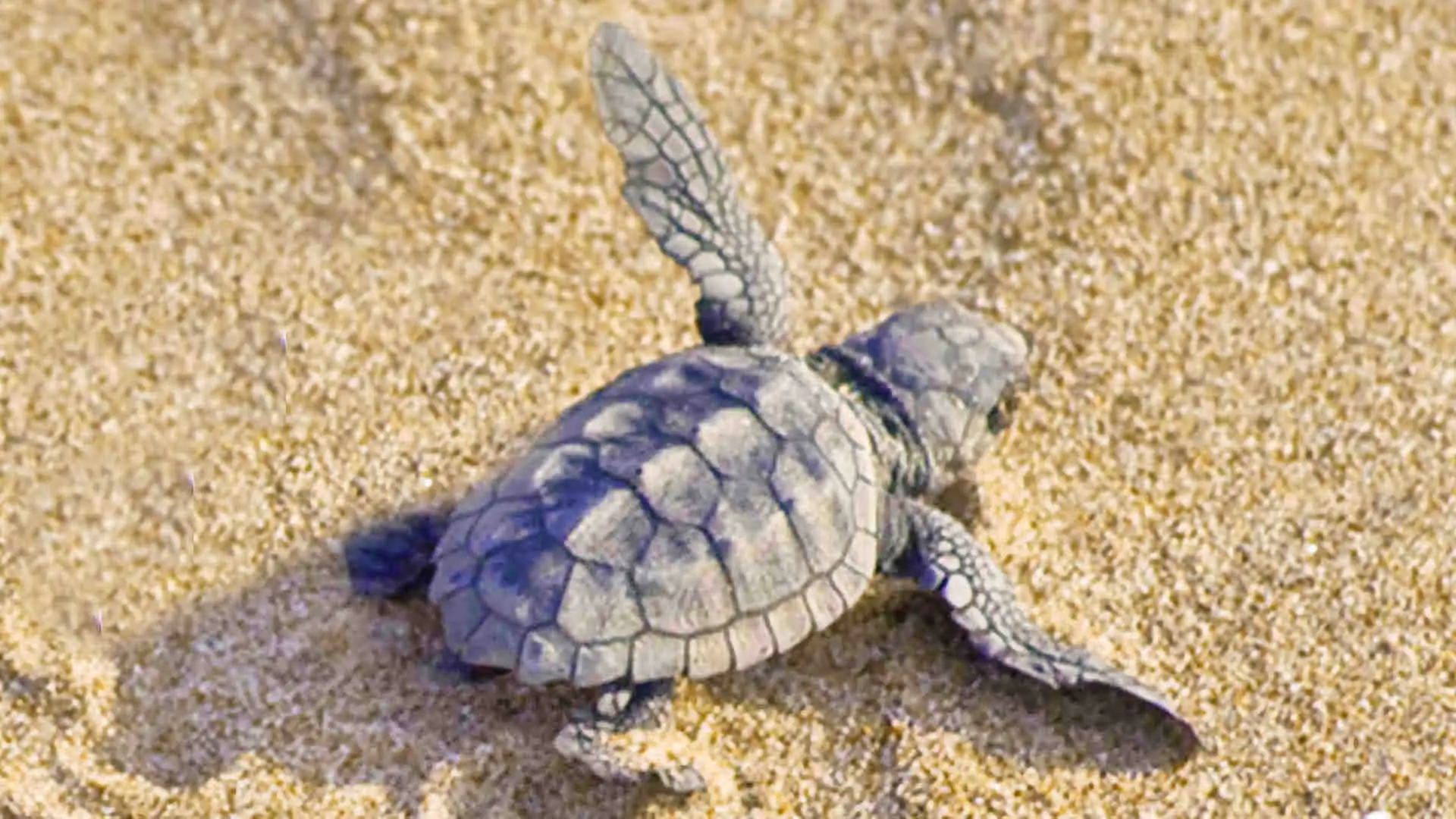
The loggerhead sea turtle (Caretta caretta) is endangered species, which lays its eggs mainly at the main beach of Rethymno. On the crowded beach in the summer, we meet in several places: with a small fenced place, which is marked with a sign: there are the turtle eggs.
A similar phenomenon can be found on the coast of Chania and on the southern coast of western Crete.
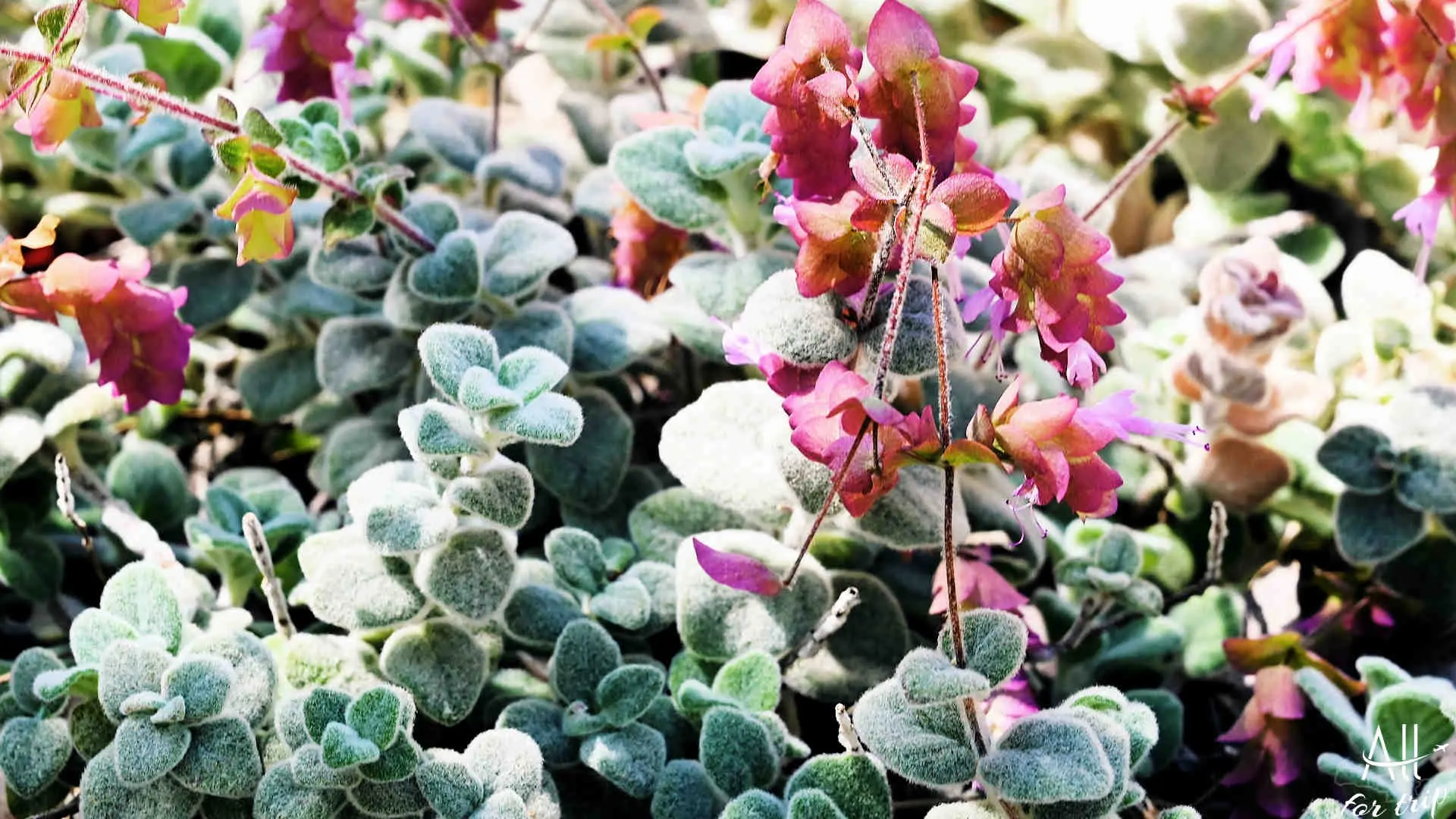
The herb made famous by Hippocrates: dictamo (Origanum dictamnus).
Due to its healing properties, locals still use it to make Dittany tea. It is native only to the mountains of Crete.
It was named after the mountain Dikti, the reputed birthplace of Zeus.
At this location is grows wild.
Today, people grow it in the garden, because it is one of the herbs in Cretan food. It is also used in home medicine.
Cretan plane tree
It is native to the island of Crete: the evergreen Cretan plane tree (platanus orientalis, var. cretica). This plane tree sometimes grows to 30 meter tall.
Although most plane are deciduous, this rare subspecies is evergreen.
As the legend:
Zeus and Europe met under the plane tree – they loved each other. Since our meeting, the plane tree has been green all winter.
Ancient or natural palm forest
– the largest natural palm forest, in Europe: is located near the resort town of Vai
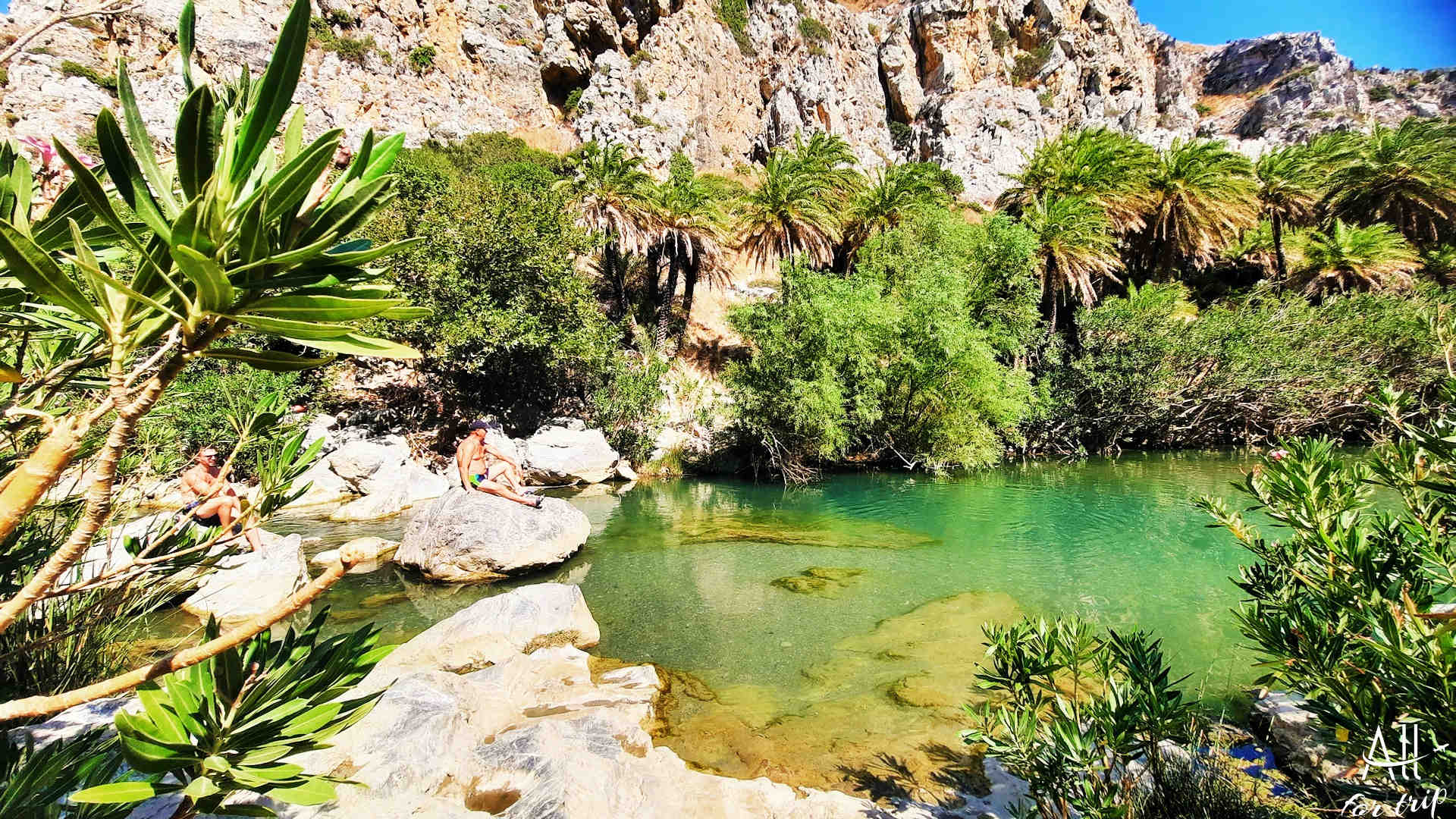
– The second largest natural palm forest is located, next to Preveli beach in western Crete.
Indigenous trees on the island: pine, Leander, eucalyptus.
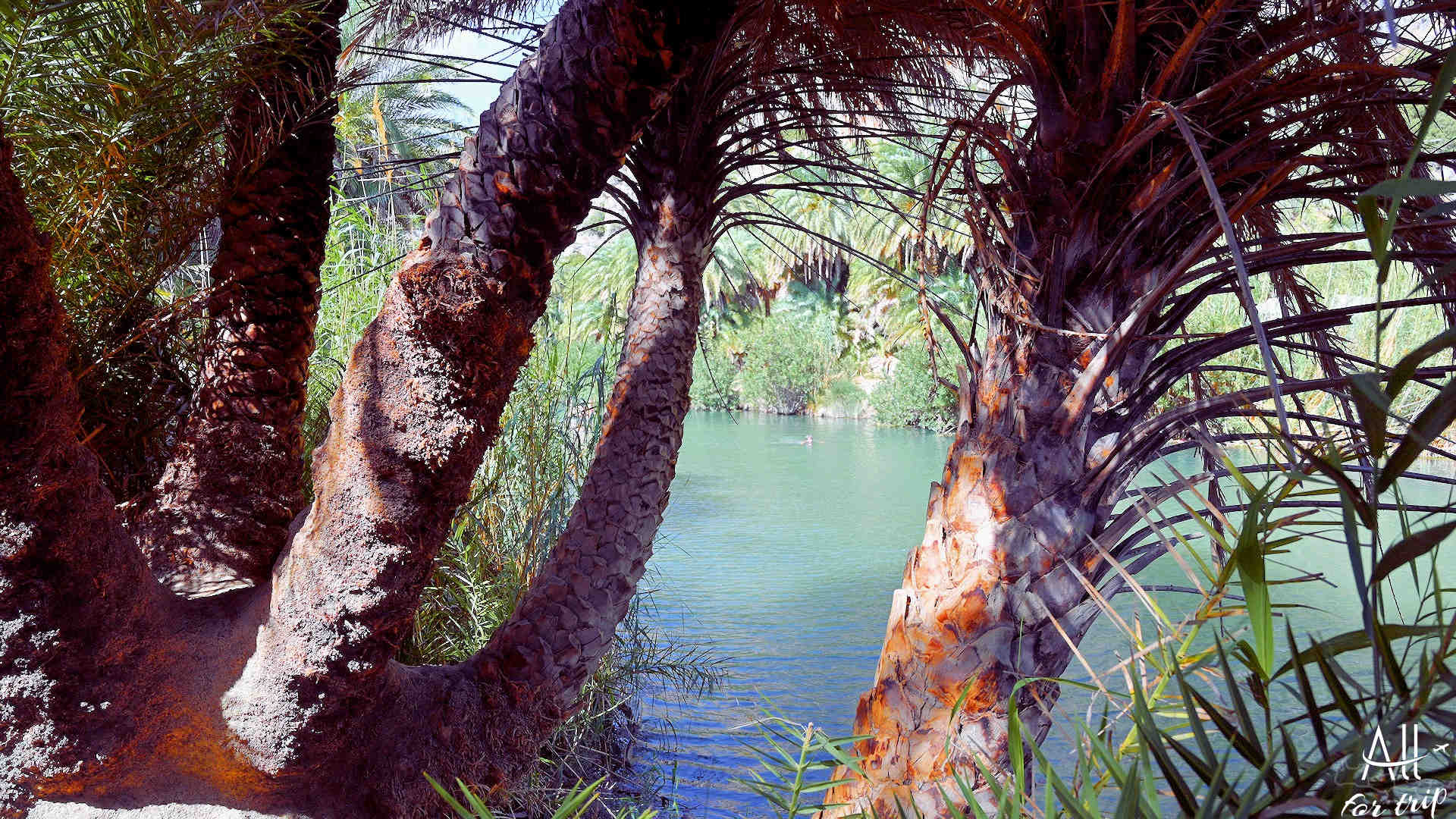
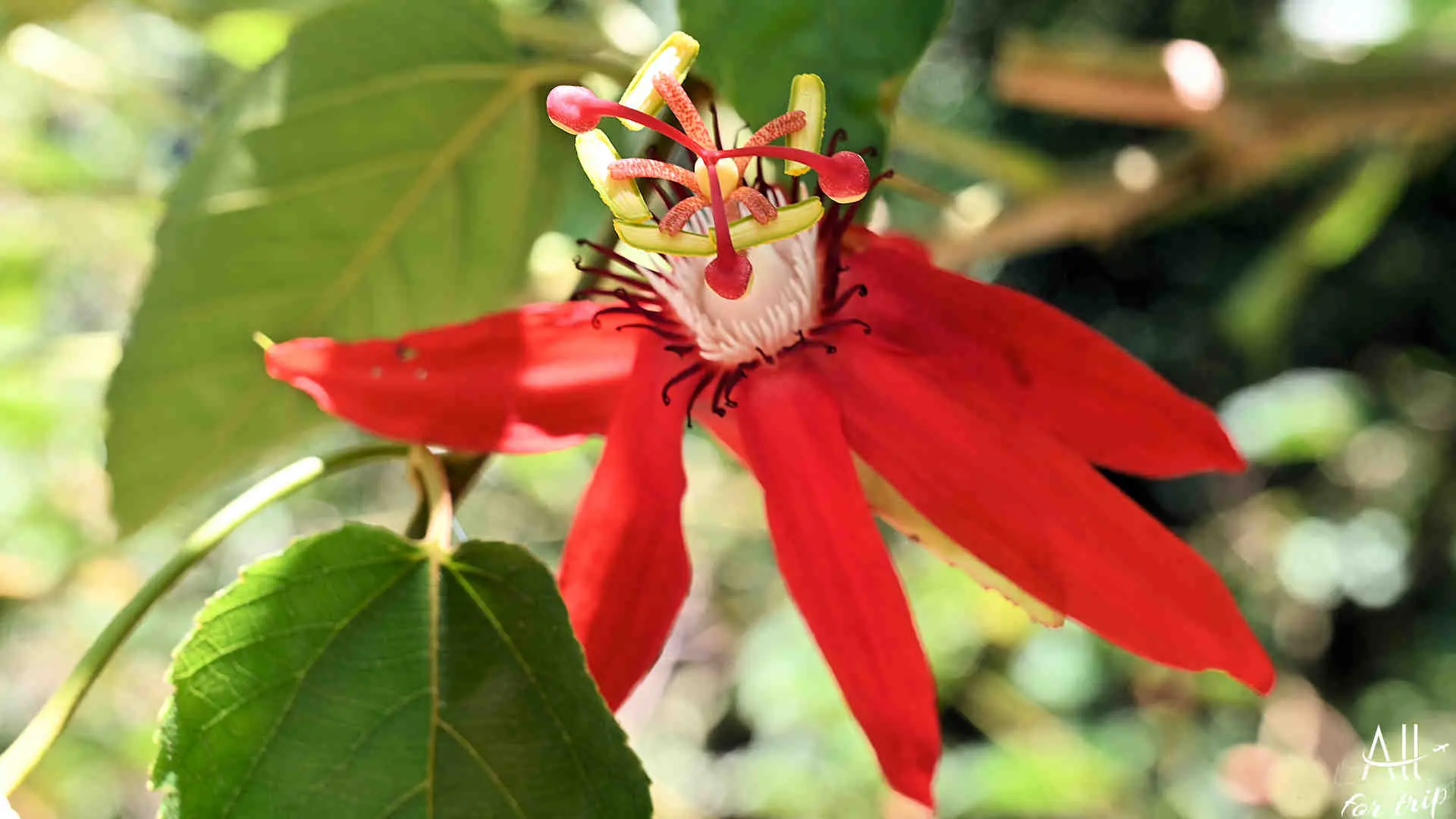
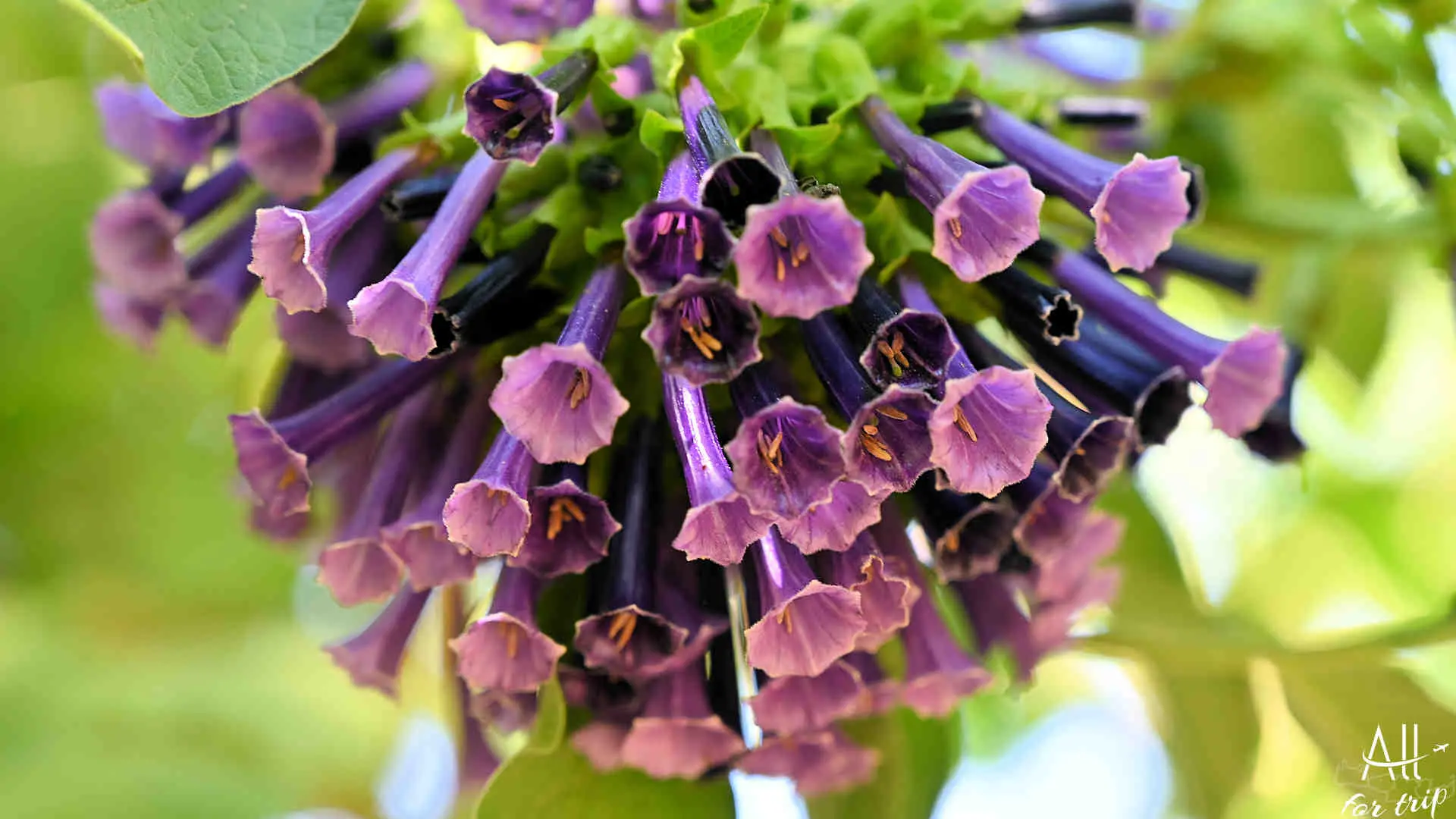
The flowers of Crete are wonderful and grow abundantly throughout the island. Wild Cretan flowers, including rare orchids, many of which bloom throughout the year.
Spring is the best time to see the beautiful flower wonders of Crete. In spring, the mountains, plains, forests and even the beaches are full of flowers.
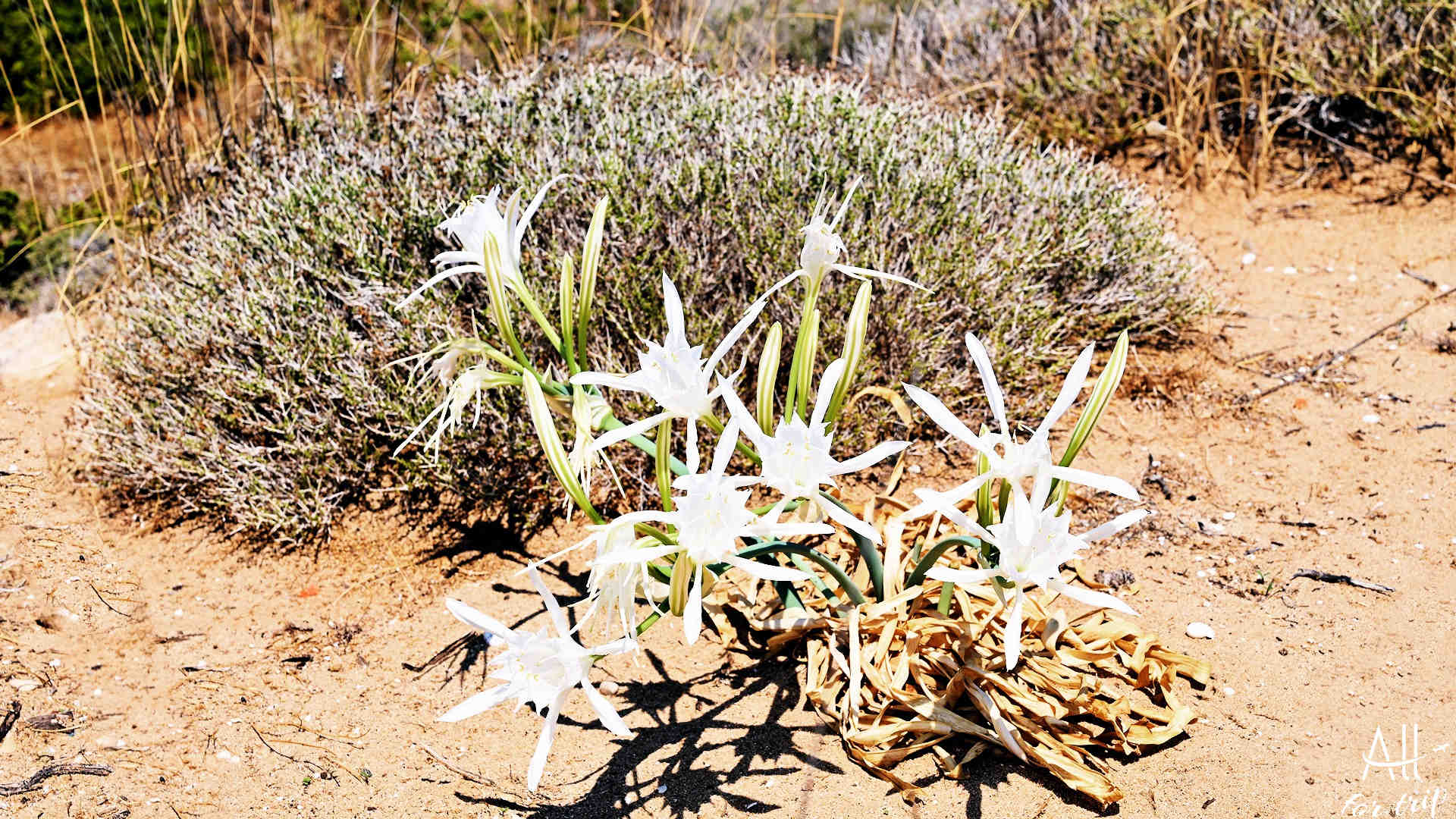
Sea narcissus is a flower of unique beauty that is native to the coastal part of Crete. The white flower has a characteristic, strong aroma. Protected plant.
For Scuba Divers
The seas surrounding Crete have a rich fauna and flora. Divers can admire the colourful plants of the sea, octopuses, eels, mussels.


Comment (0)