
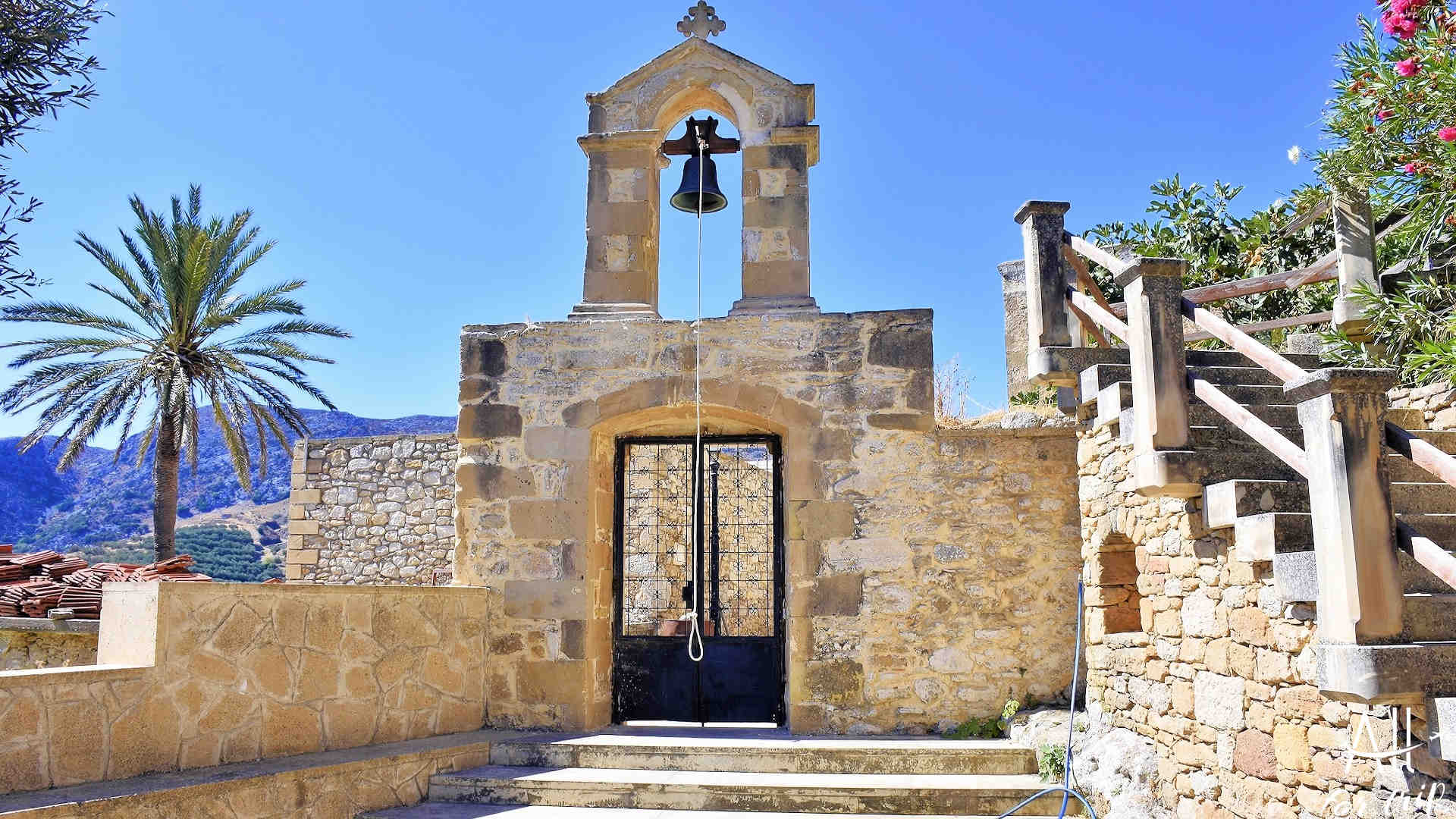
POLYRRHENIA POLIRINIA
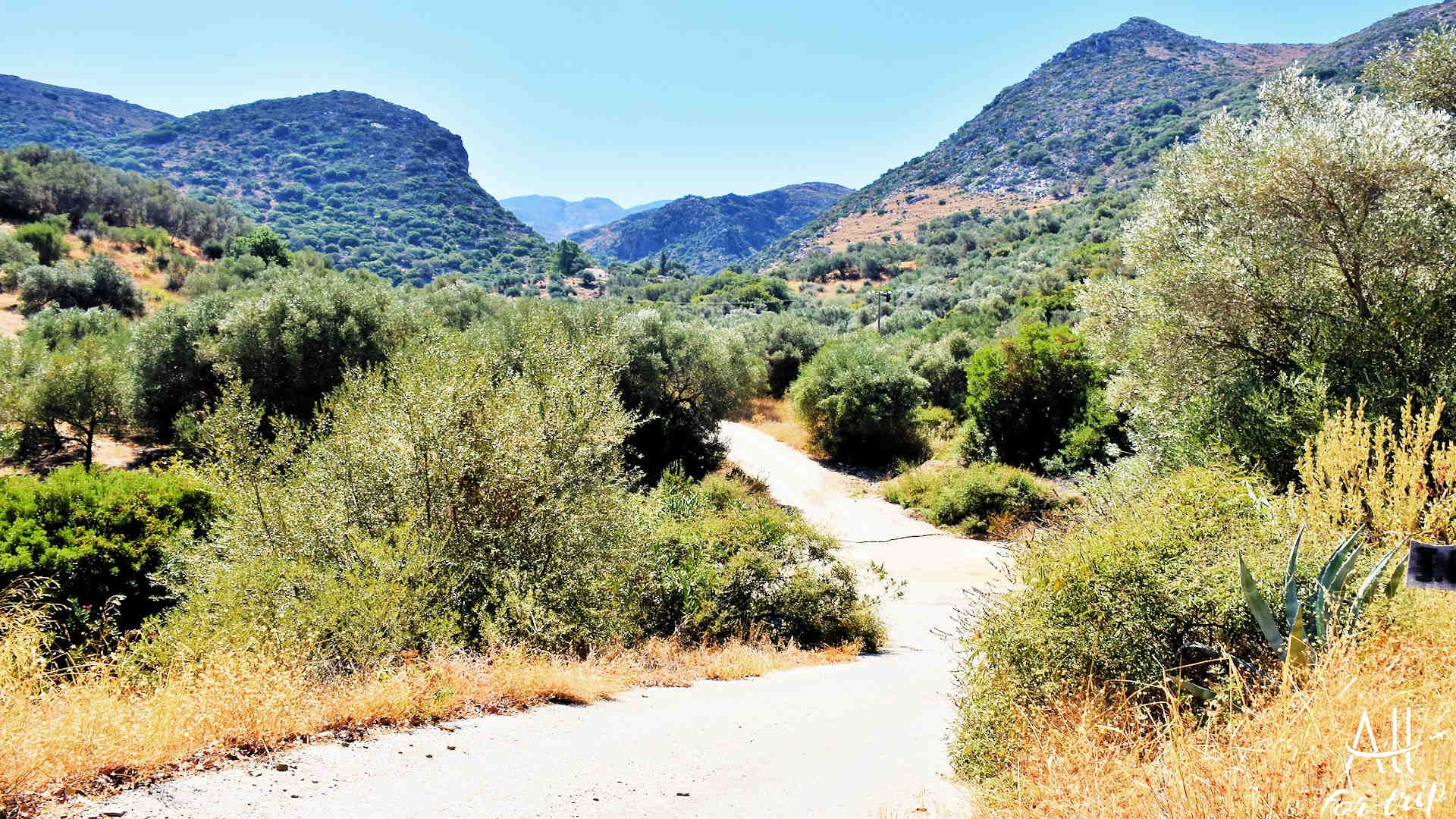
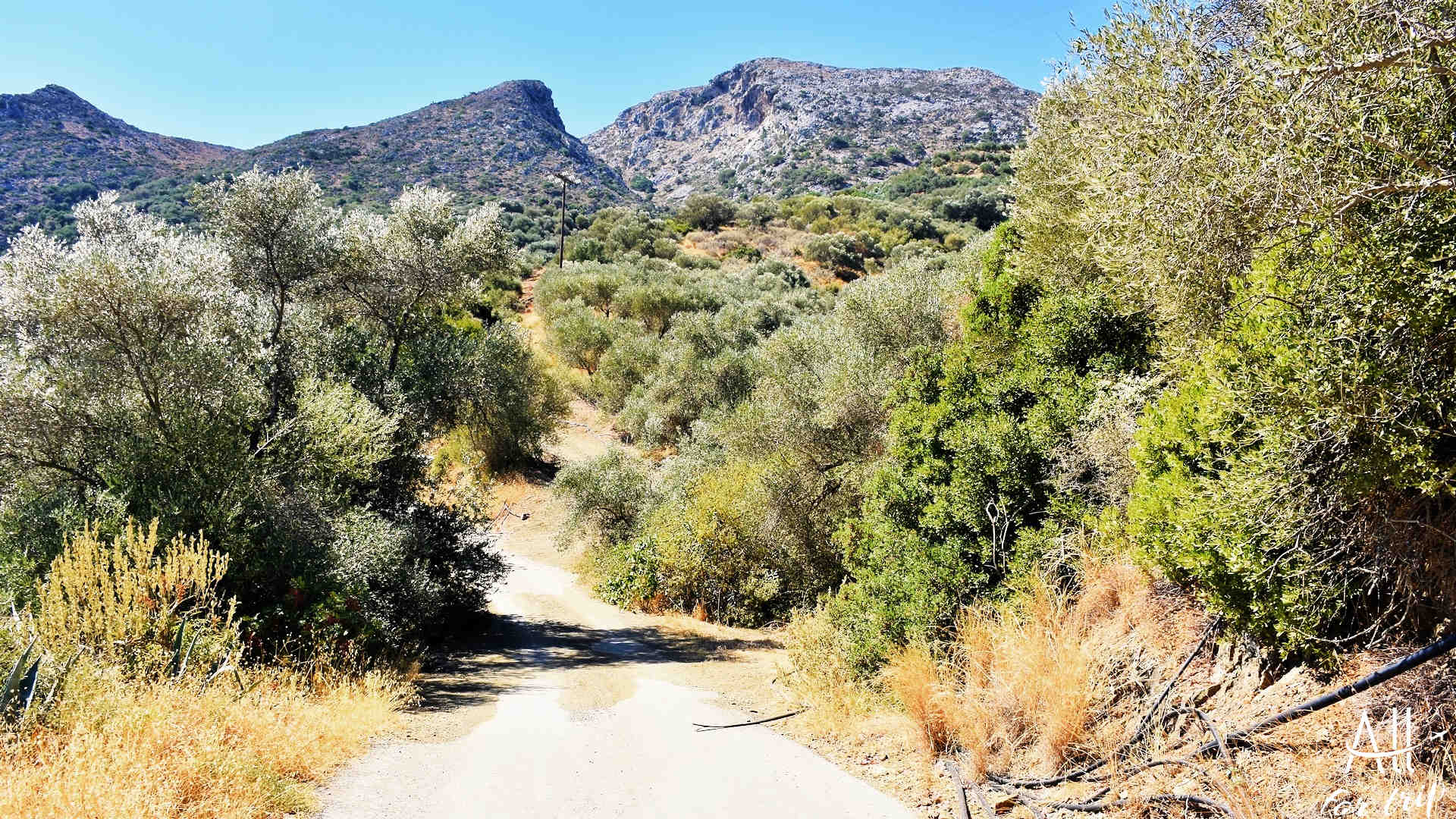
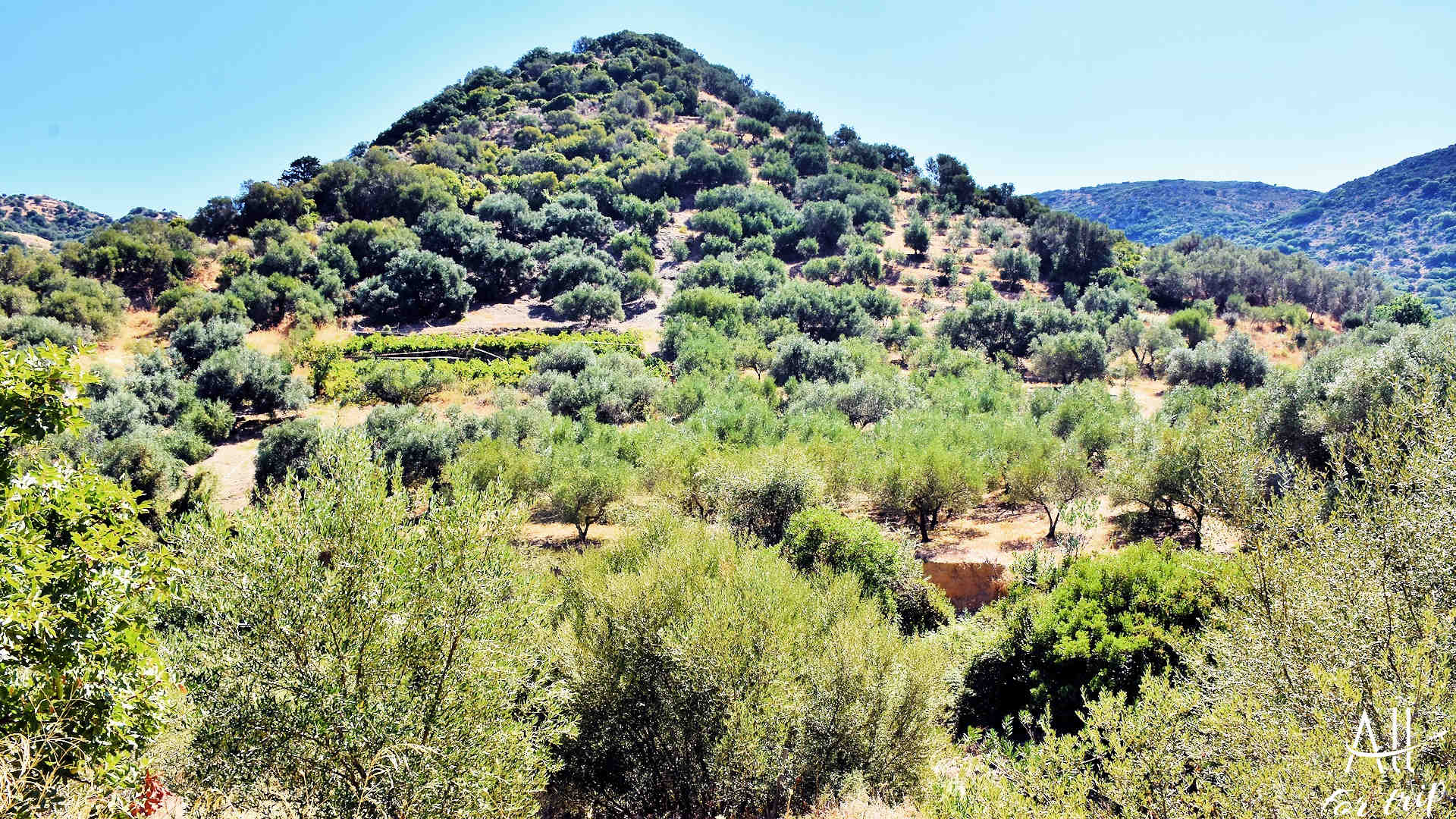
Polyrrhenia was an ancient city-state in West Crete. The settlement was built at an altitude of 418 meters above sea level: Kissamos 7.8 km, Chania 44.4 km.
The name of the city comes from the ancient Greek, meaning: “many lambs”.
[swpm_protected format_protected_msg=”1″] GPS is very important! – because no street names in Western Crete.
GPS: 35.455107, 23.650563 [/swpm_protected]
1100 BC – The Achaean and Laconian settlers began building the city in Late Minoan period
– had an aristocratic political system: like that of Sparta
– the area was inhabited even before the city was built
– the flourishing of the city-state from the 6th century (Archaic period) to Roman times
– It was the 2nd most important city-state in West Crete: Kydonia, today’s Chania, was the largest
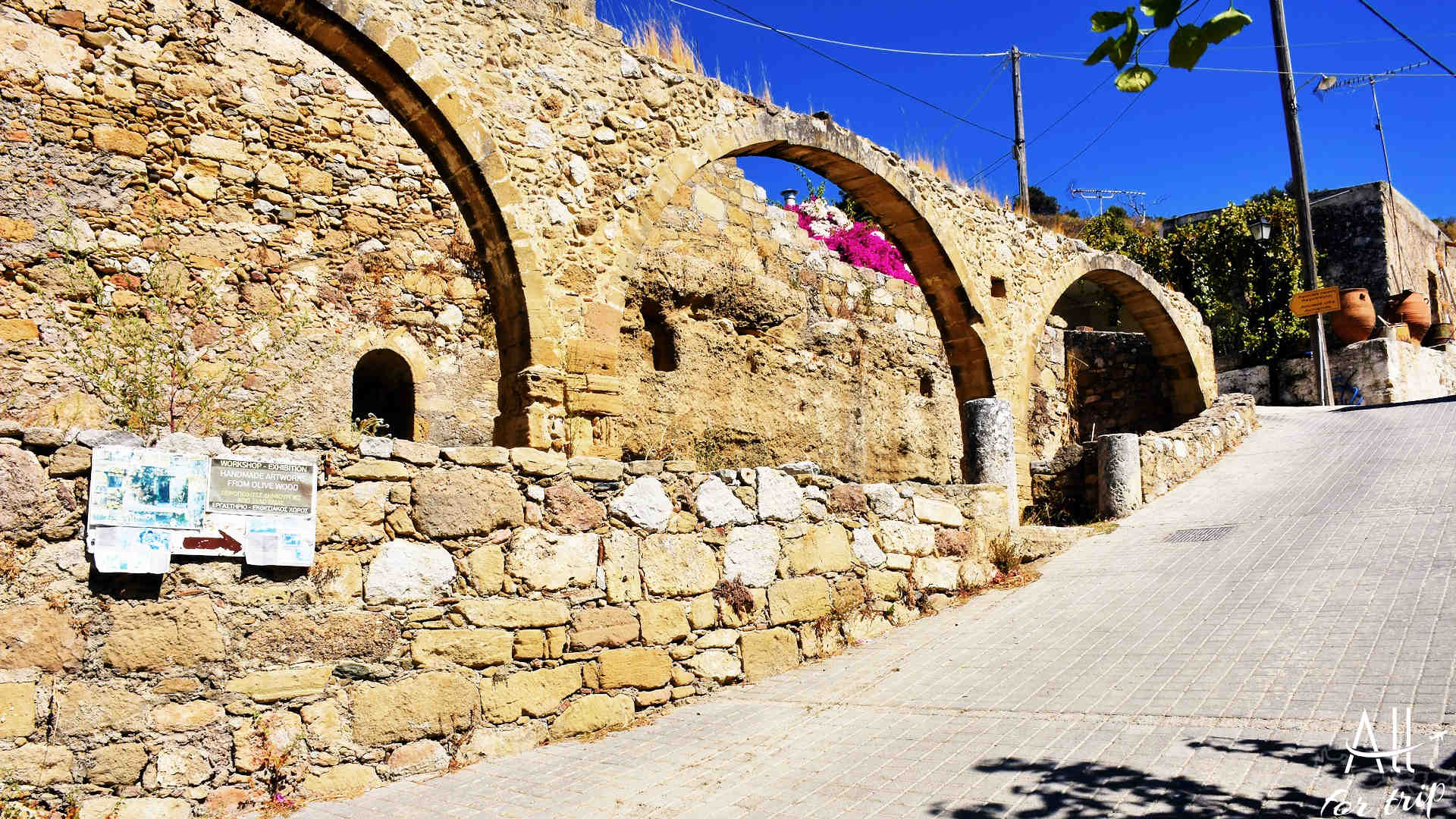
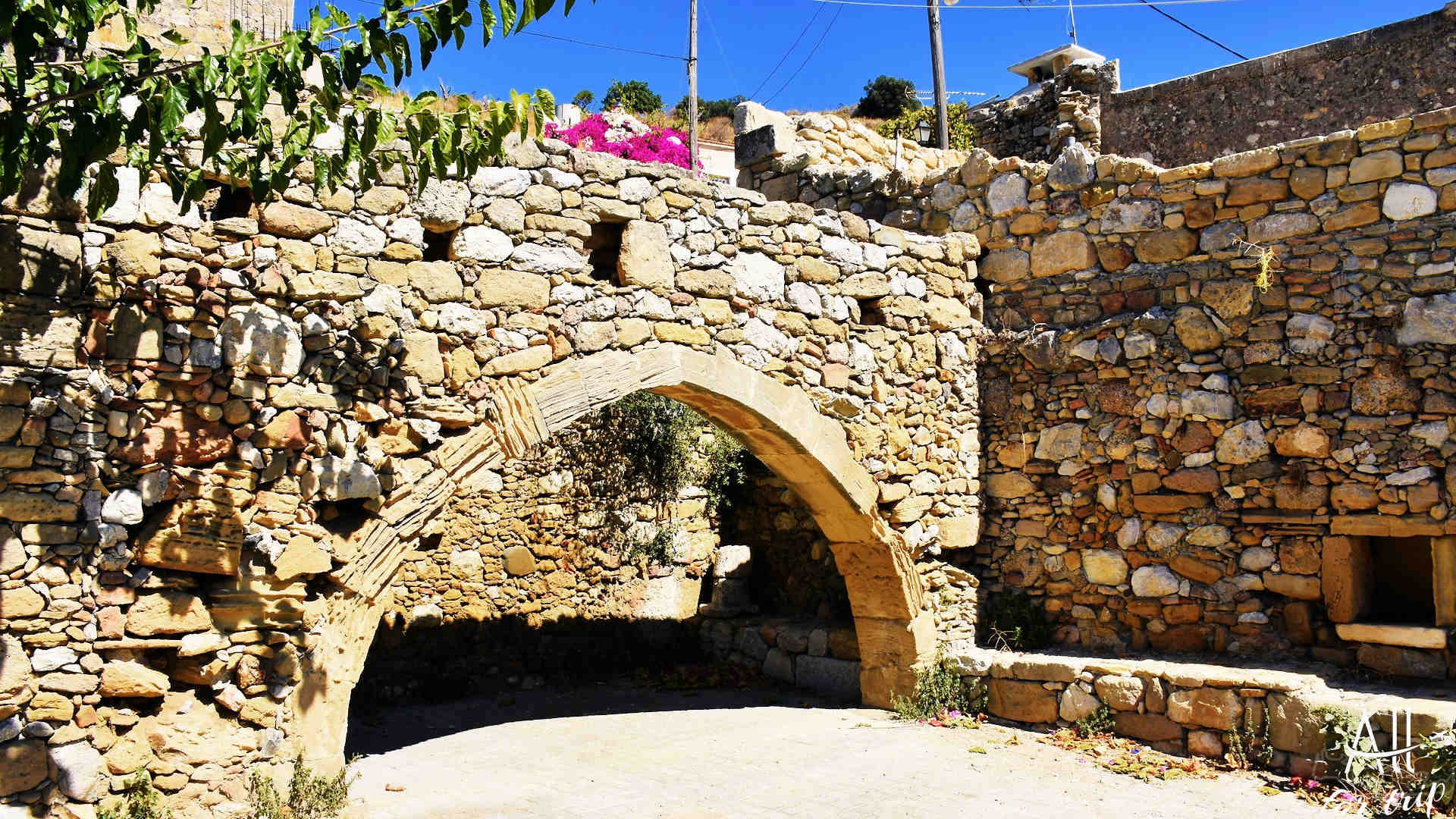
– the rivals of the city-state: Knossos, Kydonia, and neighbouring Phalasarna – there was hostility between the city-states
10th century [swpm_protected format_protected_msg=”1″] – the Venetians occupied the city
– the Venetians built fortress on the foundations of the older Hellenistic and Roman fortress
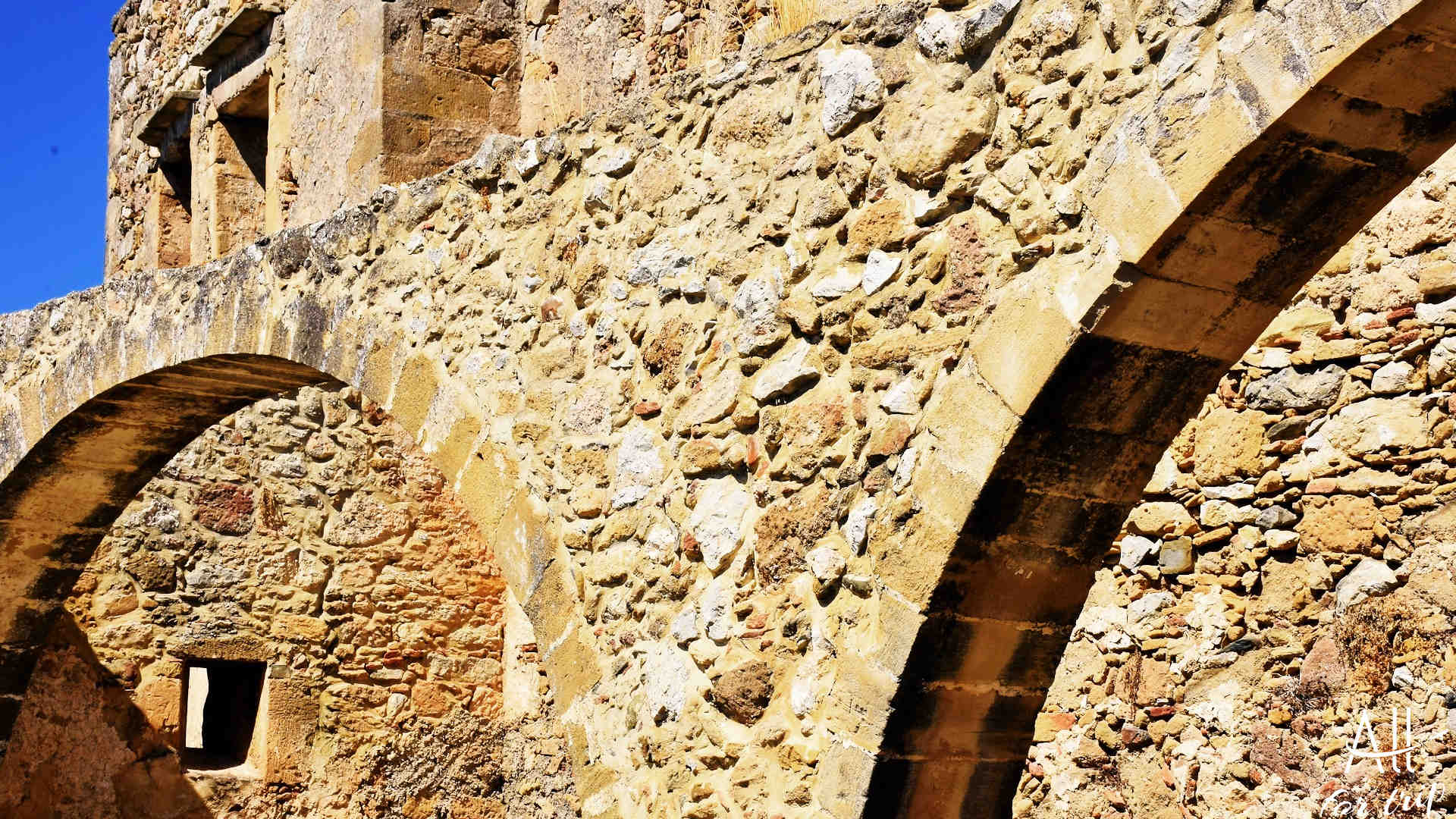
– the remains of the fortress we can see today: from the 2nd Byzantine and Venetian periods [/swpm_protected]
The city-state in the notes of the Greek historian Strabo:
[swpm_protected format_protected_msg=”1″] – the Polyrrhenians used to live in villages: who built a strong city
– 219 BC – the Crete Civil War: troops were sent to help the Achaeans: because the Cnossians supported the Aetolians
– Polyrrhenia prevented, that the rival cities dominating the island: Cnossus, Gortys
– the city continued to flourish in Roman times [/swpm_protected]
[swpm_protected format_protected_msg=”1″] – Cisamus, today’s Kissamos, was the port of the city
– Polyrrinia played a significant role in Roman times. The city leaders made a strategic decision: they entered into an alliance with the conquerors, and thus defeated his oldest enemy: ancient Cydonia, today’s Chania
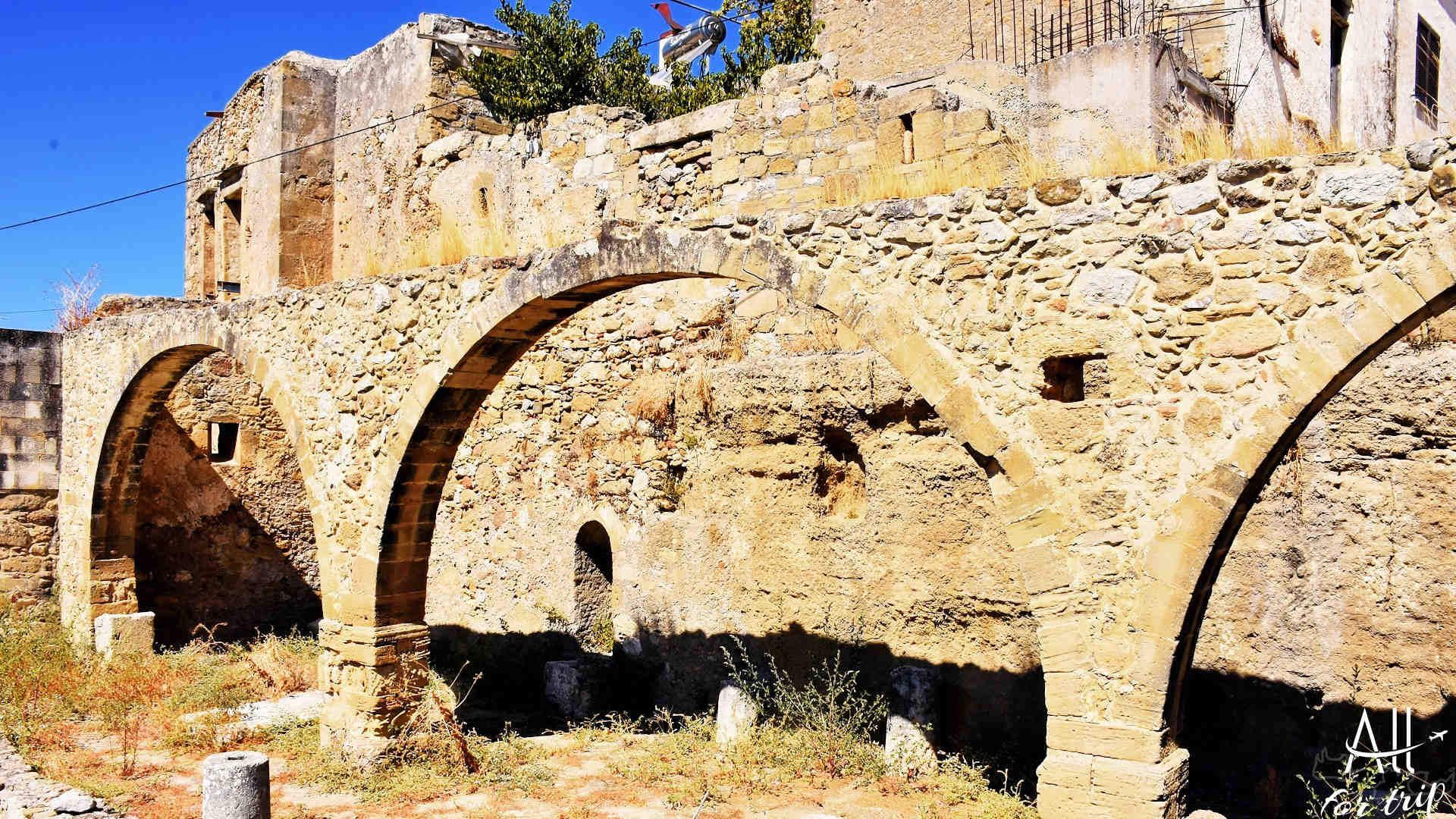
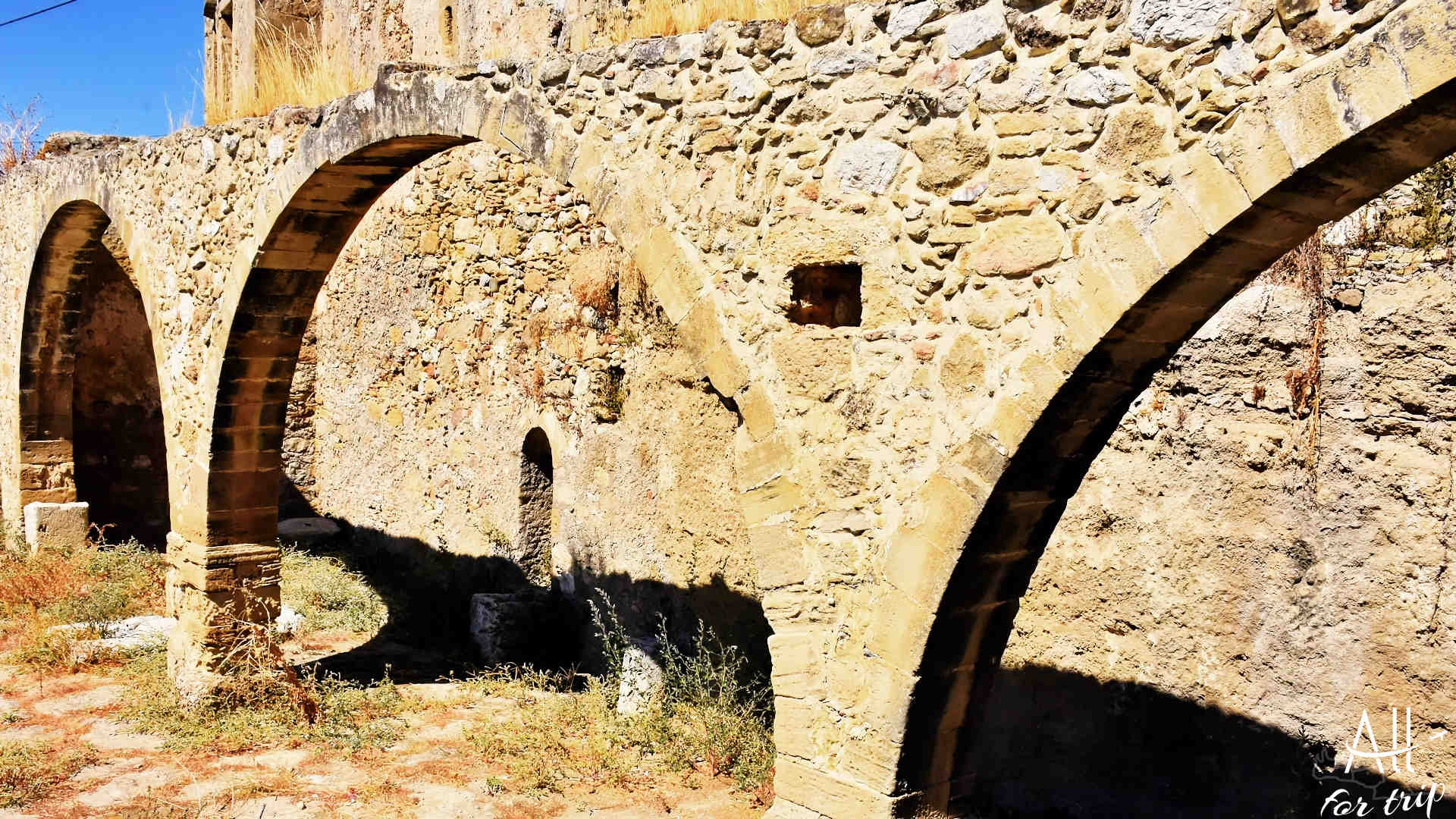
– Roman aqueduct built during the reign of Emperor Hadrian: it helped a lot in the water supply [/swpm_protected]
1942-44 – result of the first excavations in Polyrrinia
– the city was strongly fortified in Byzantine times
– the place of worship dates from this era
1986 – the archaeological excavations began again
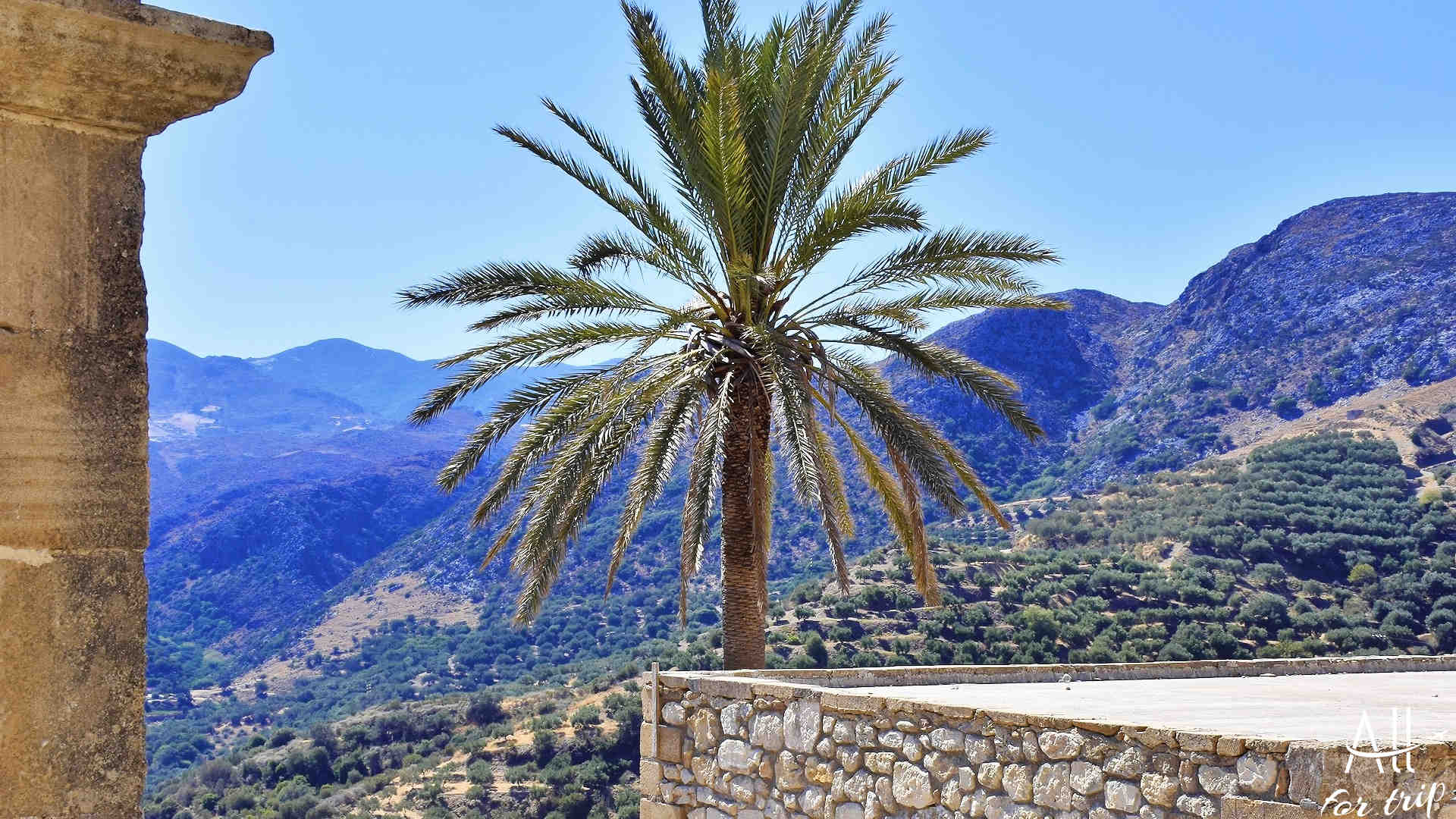
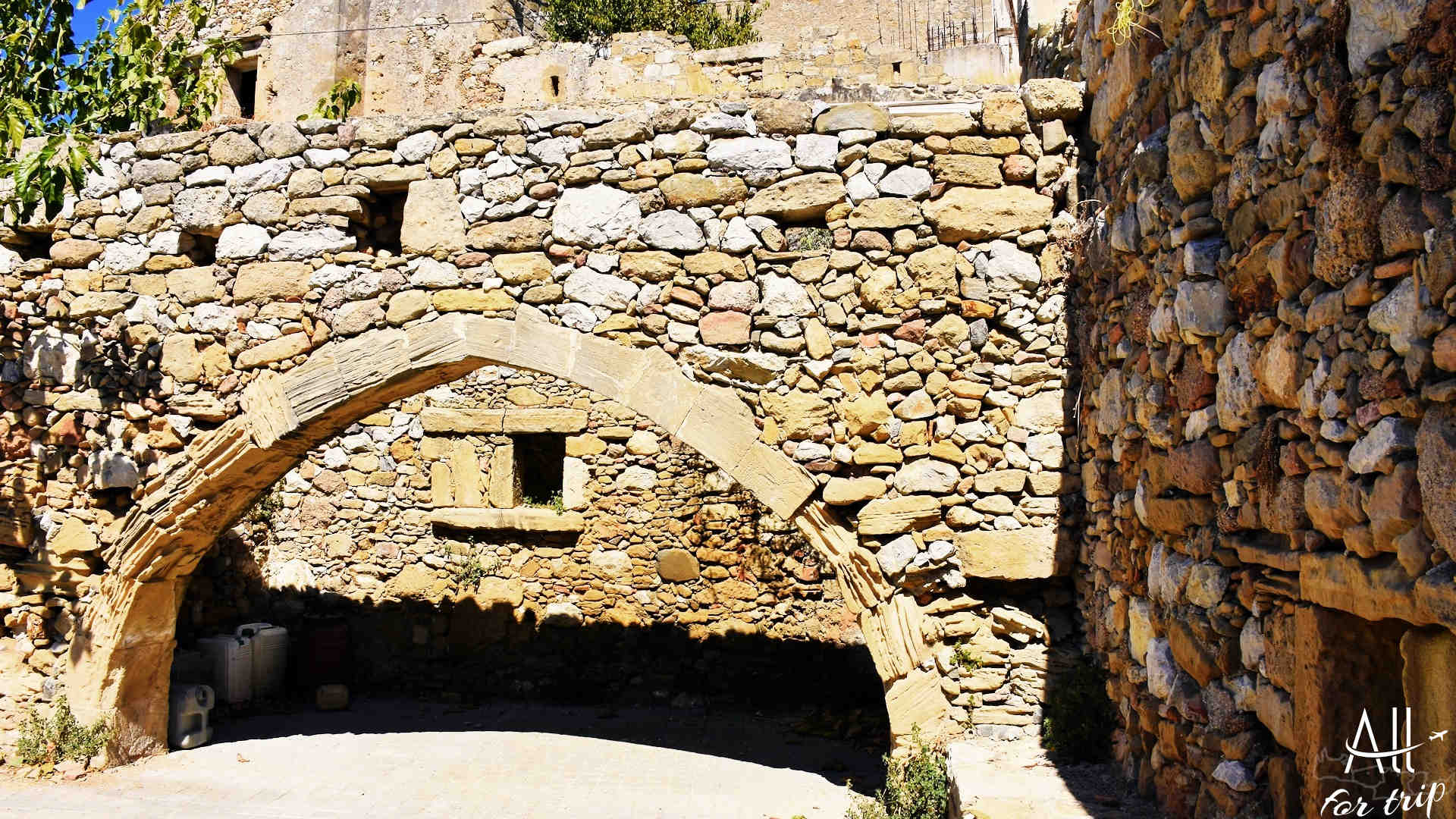
– the site shows the remains of ancient walls: 3.0 to 5.5 m high
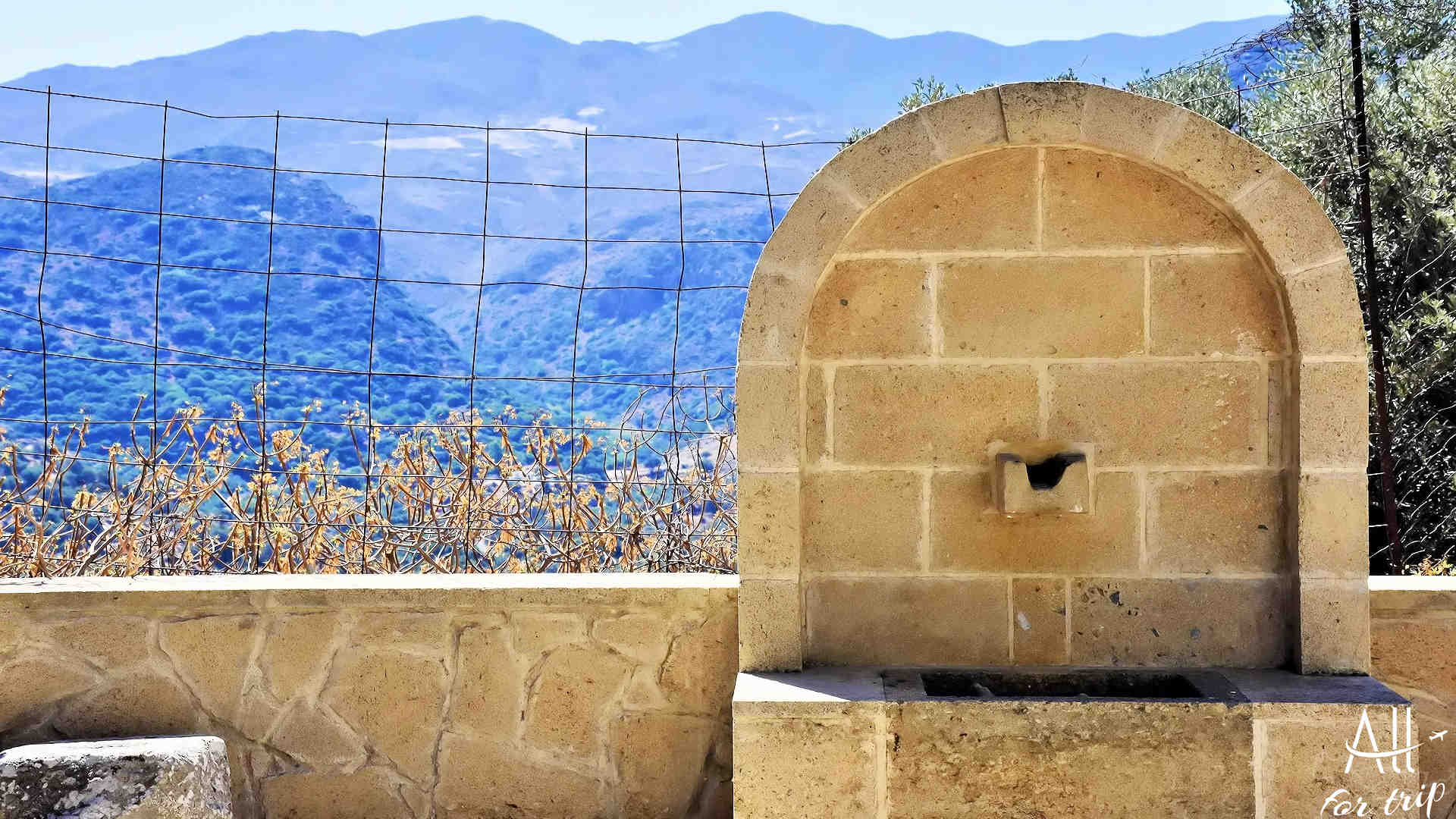
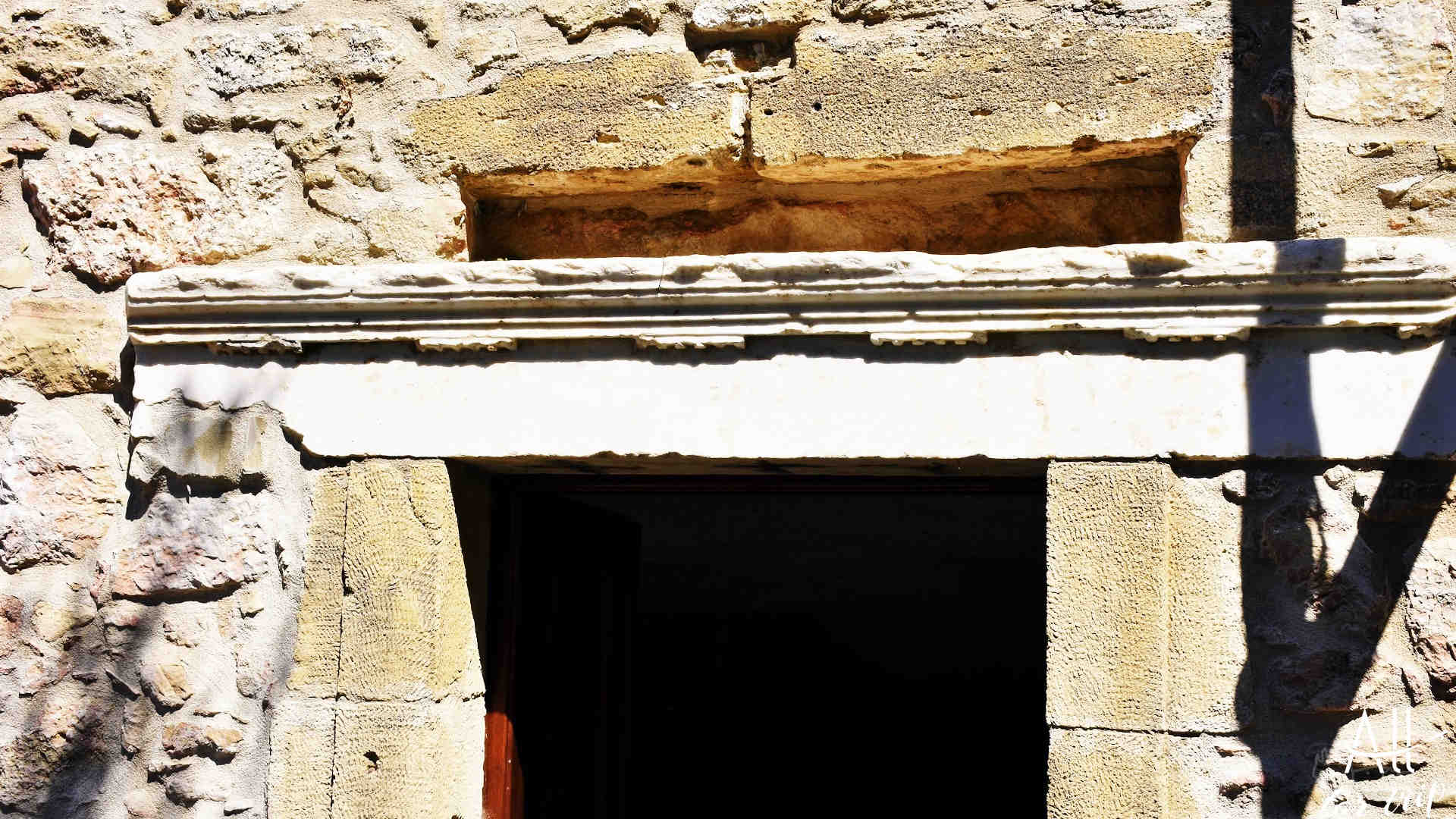
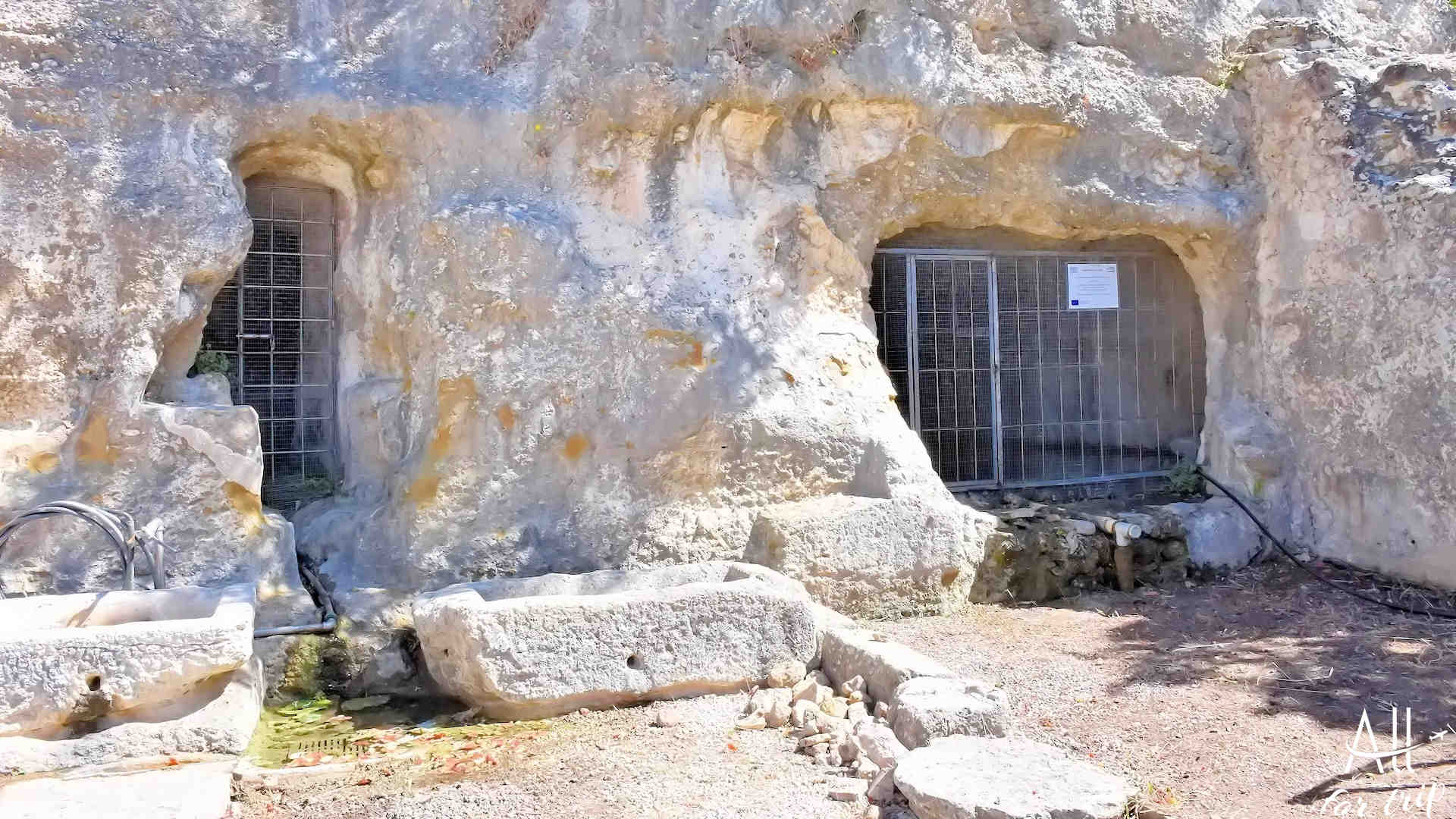
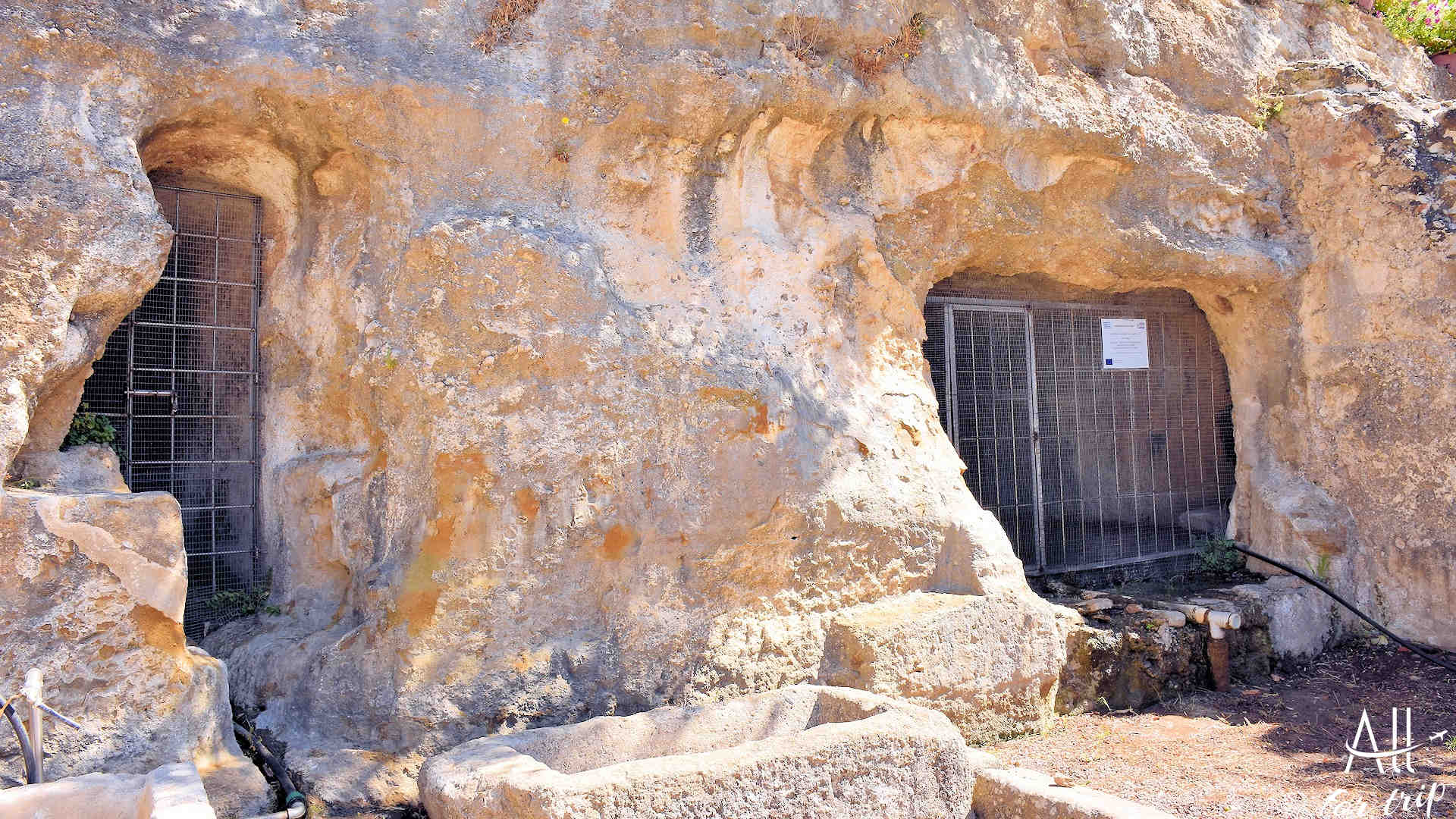
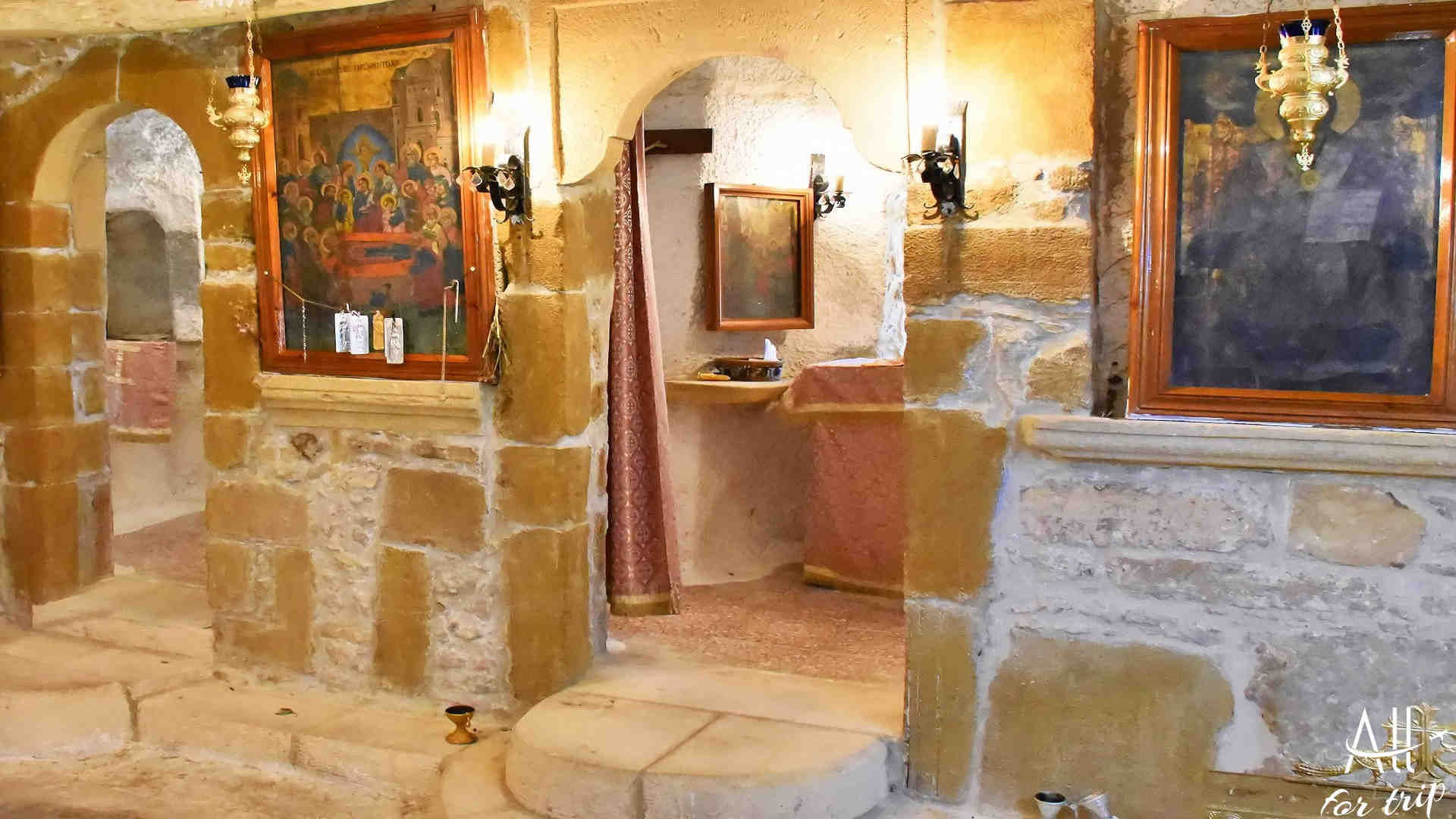
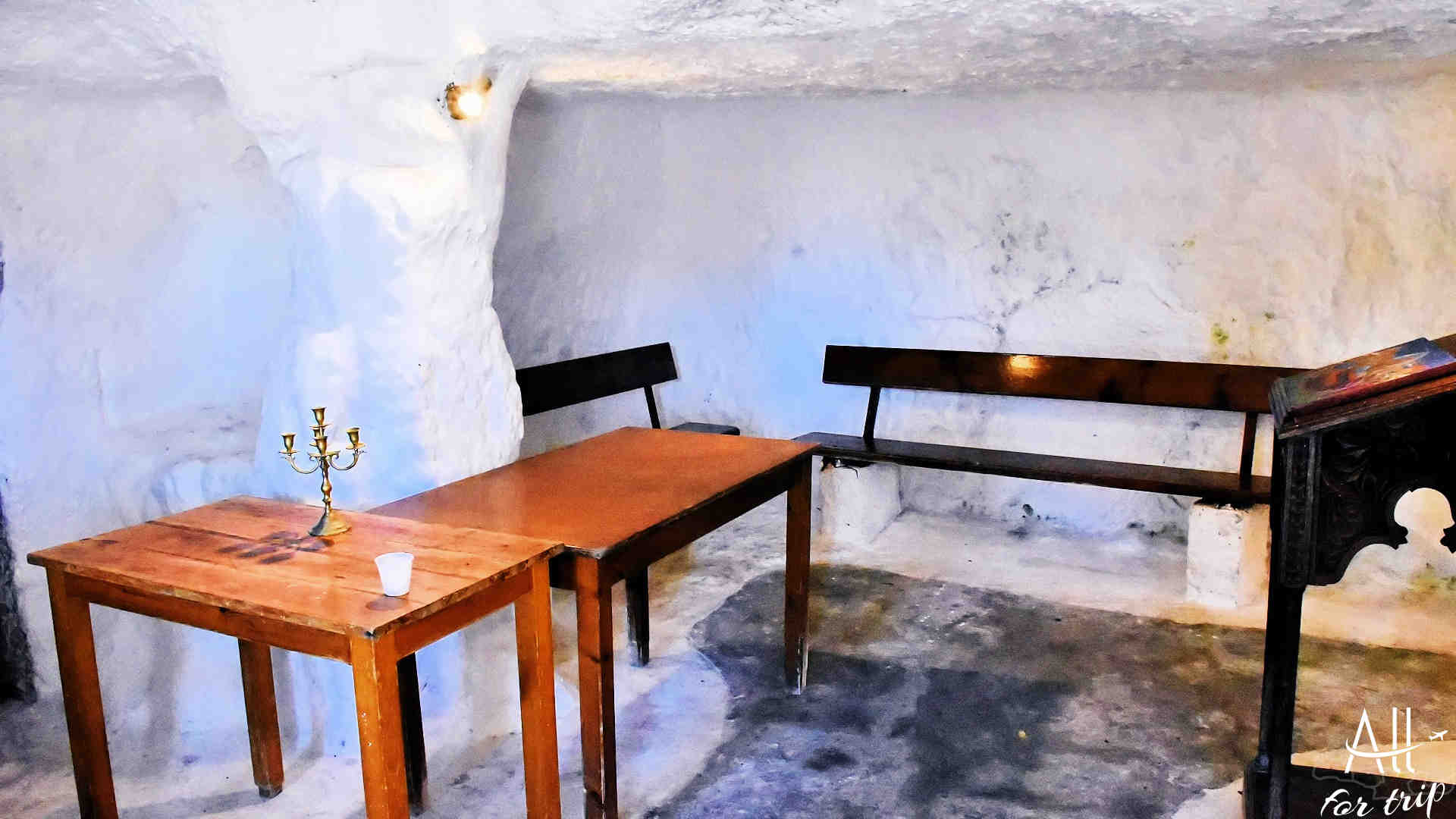
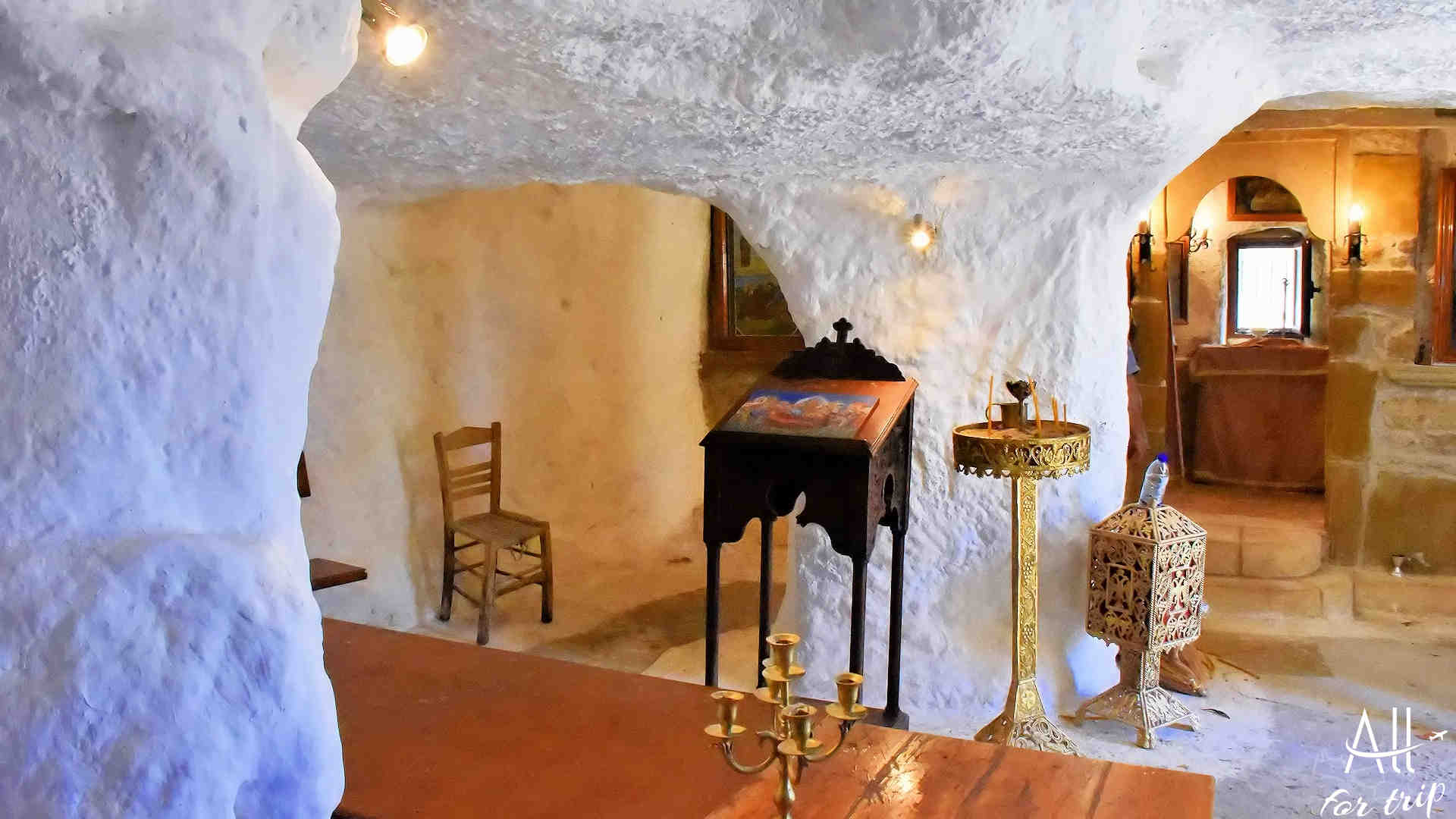
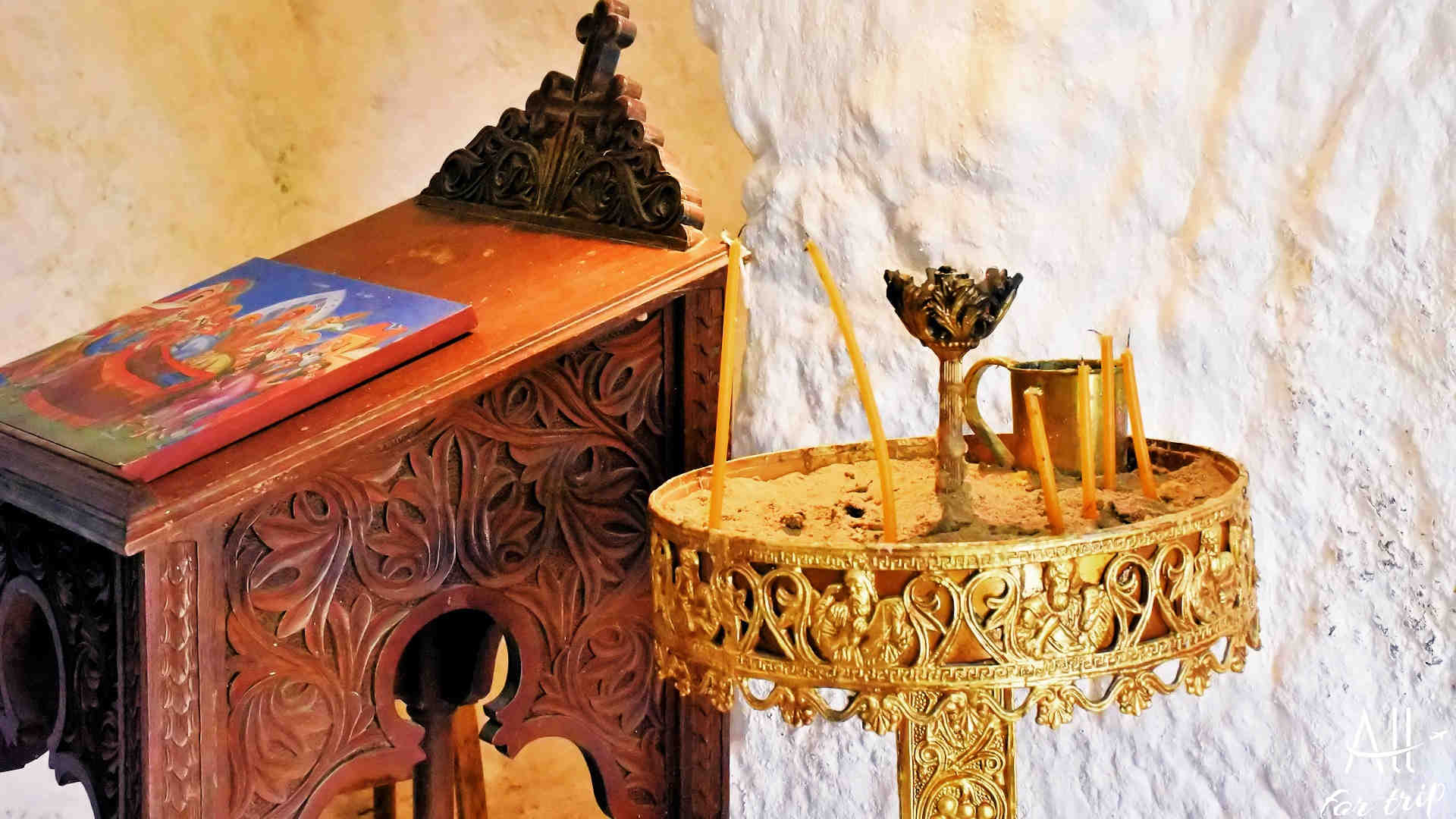
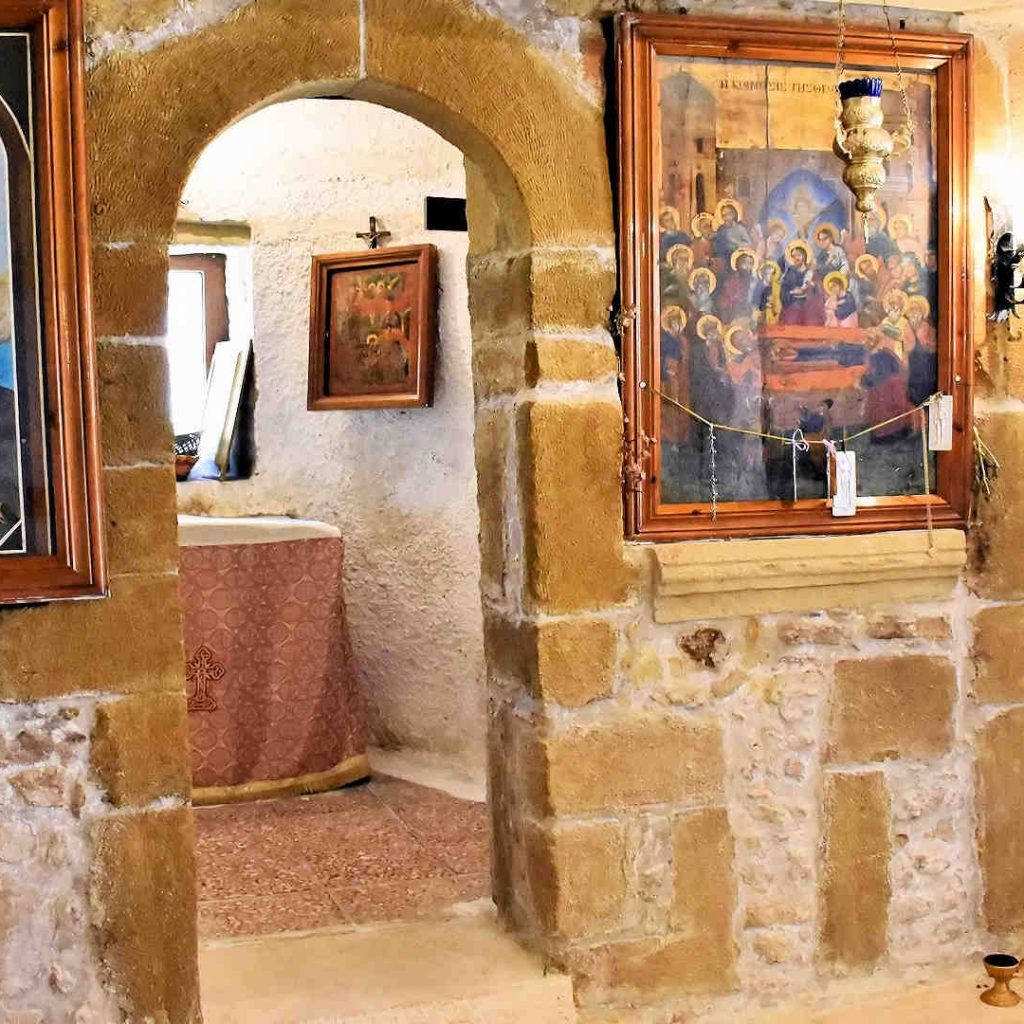
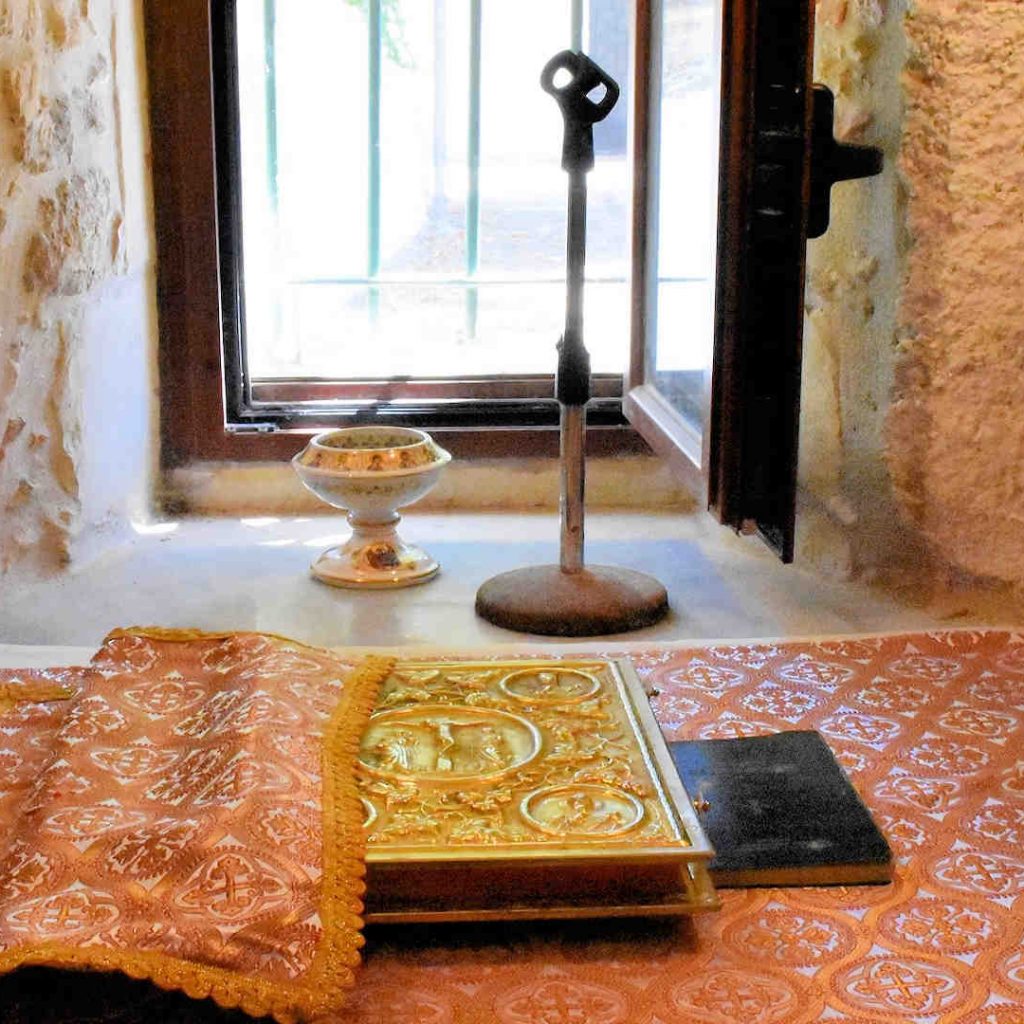
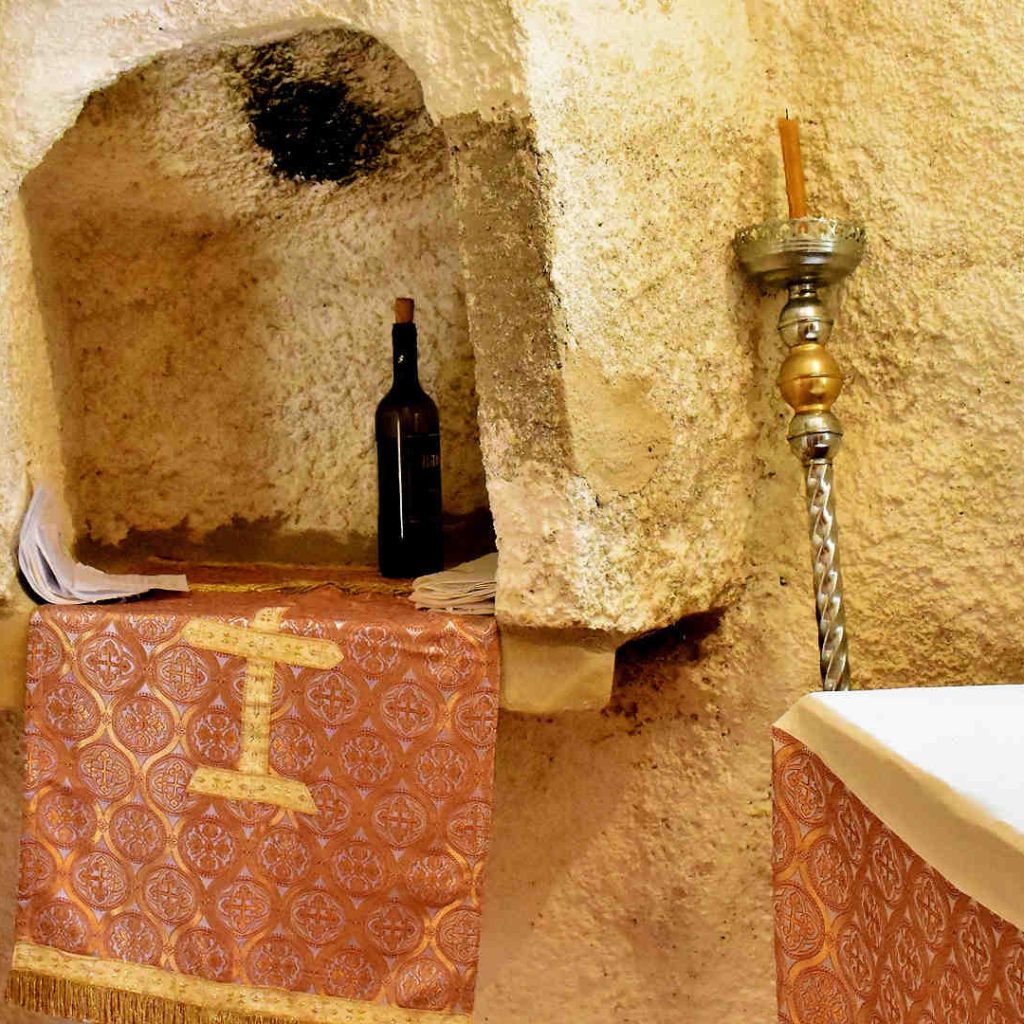
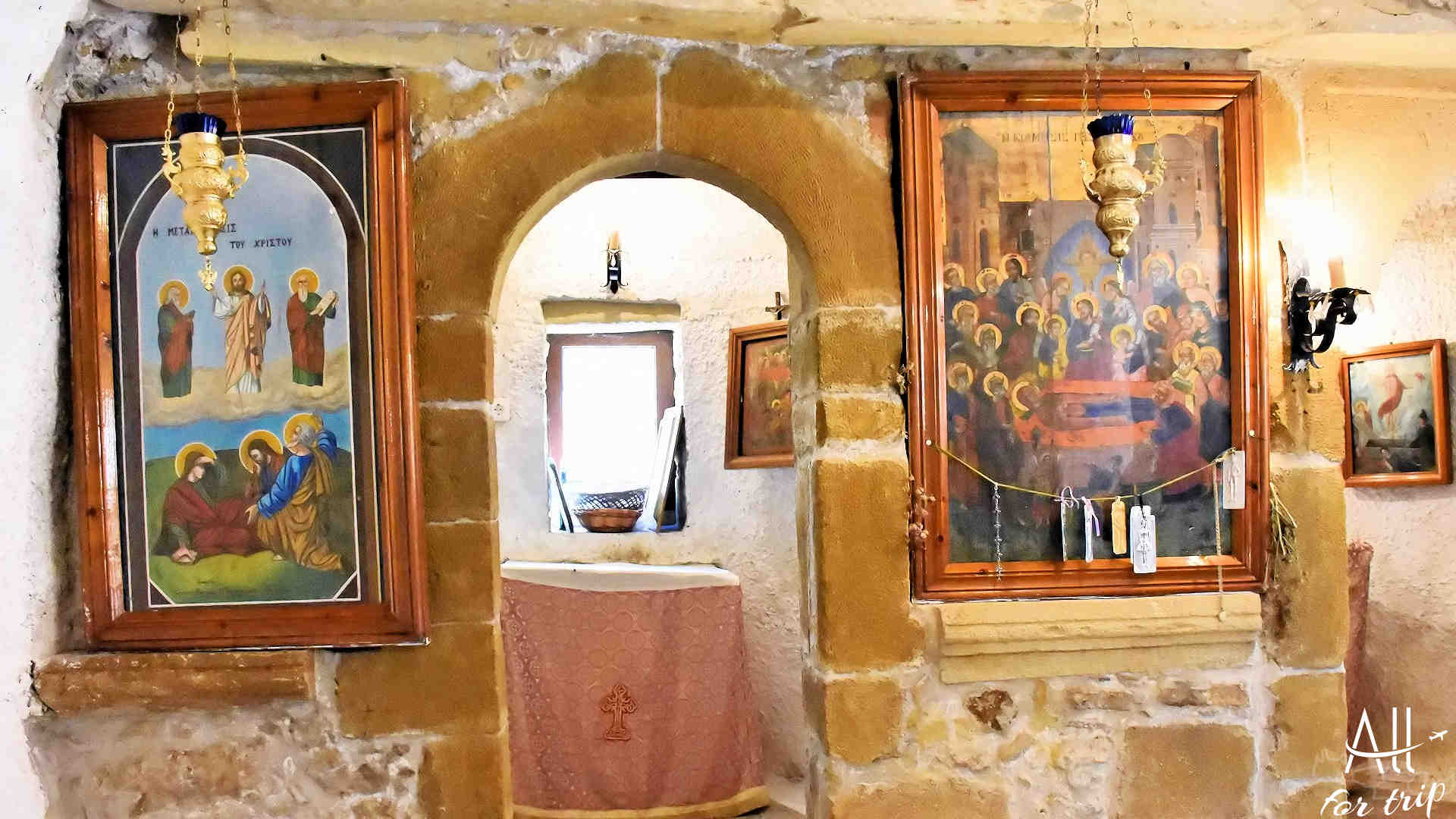
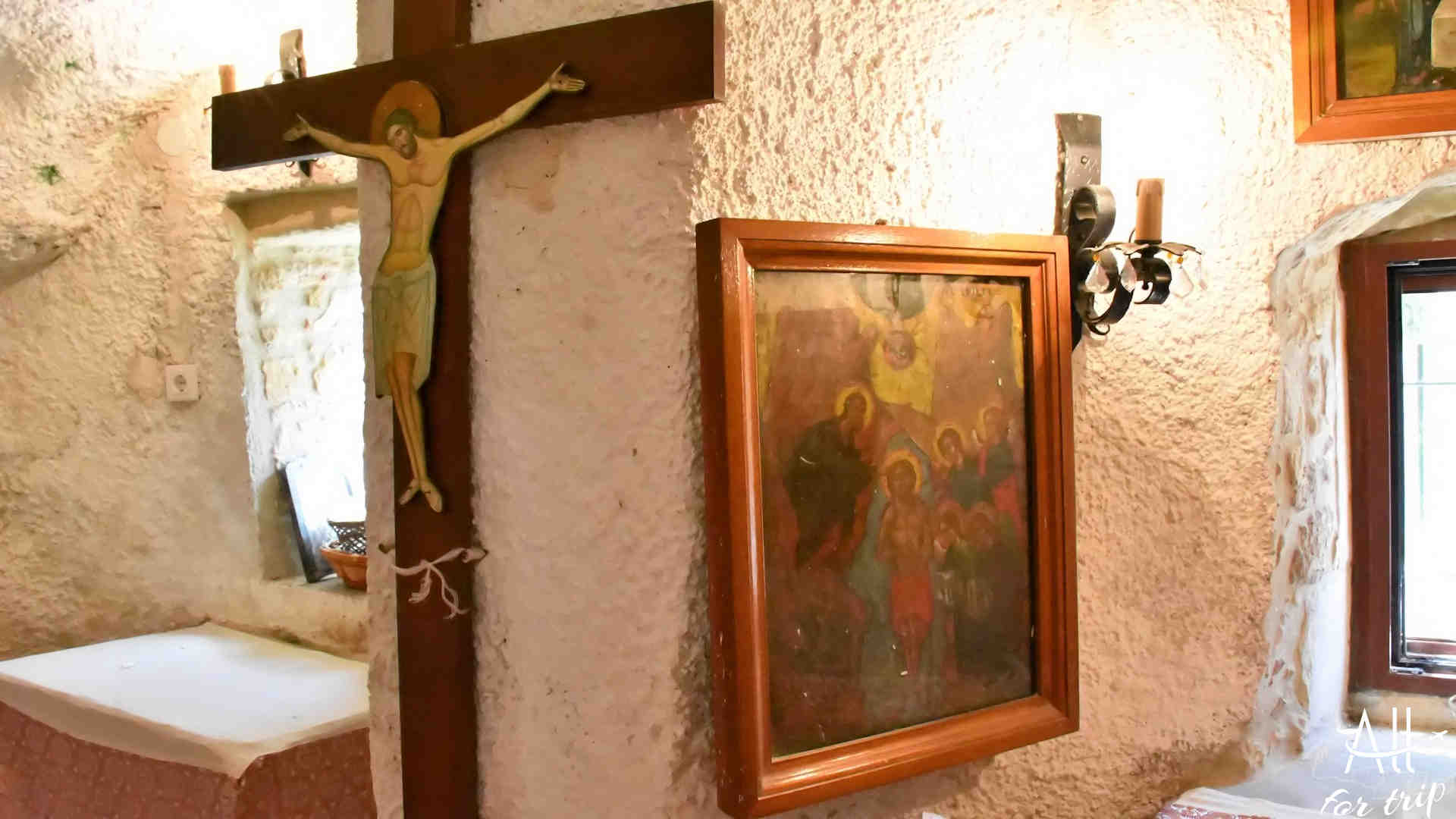
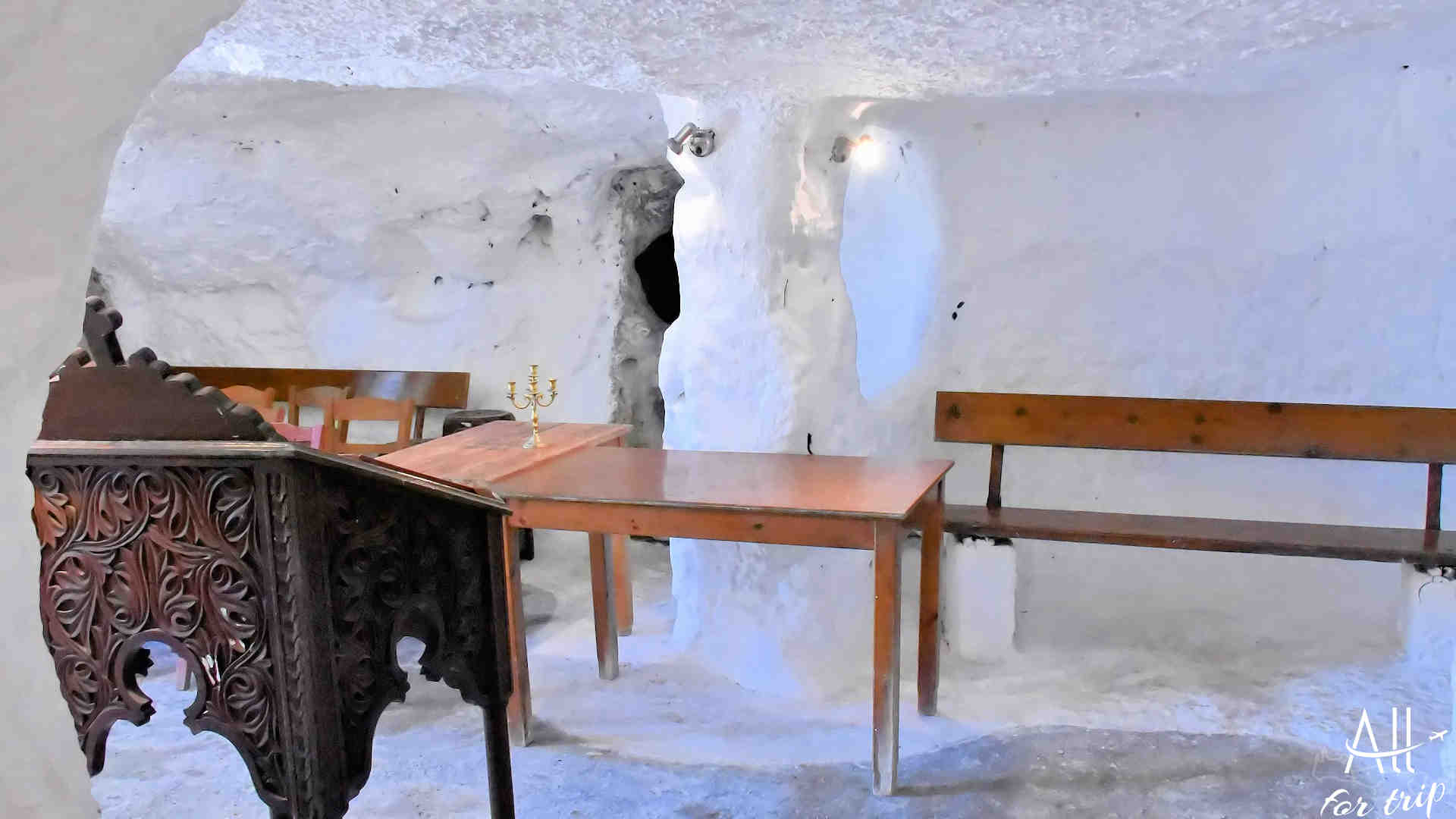
– archaeologists have excavated a rock chapel, and houses carved into the rock
– the remains of the aqueduct were found
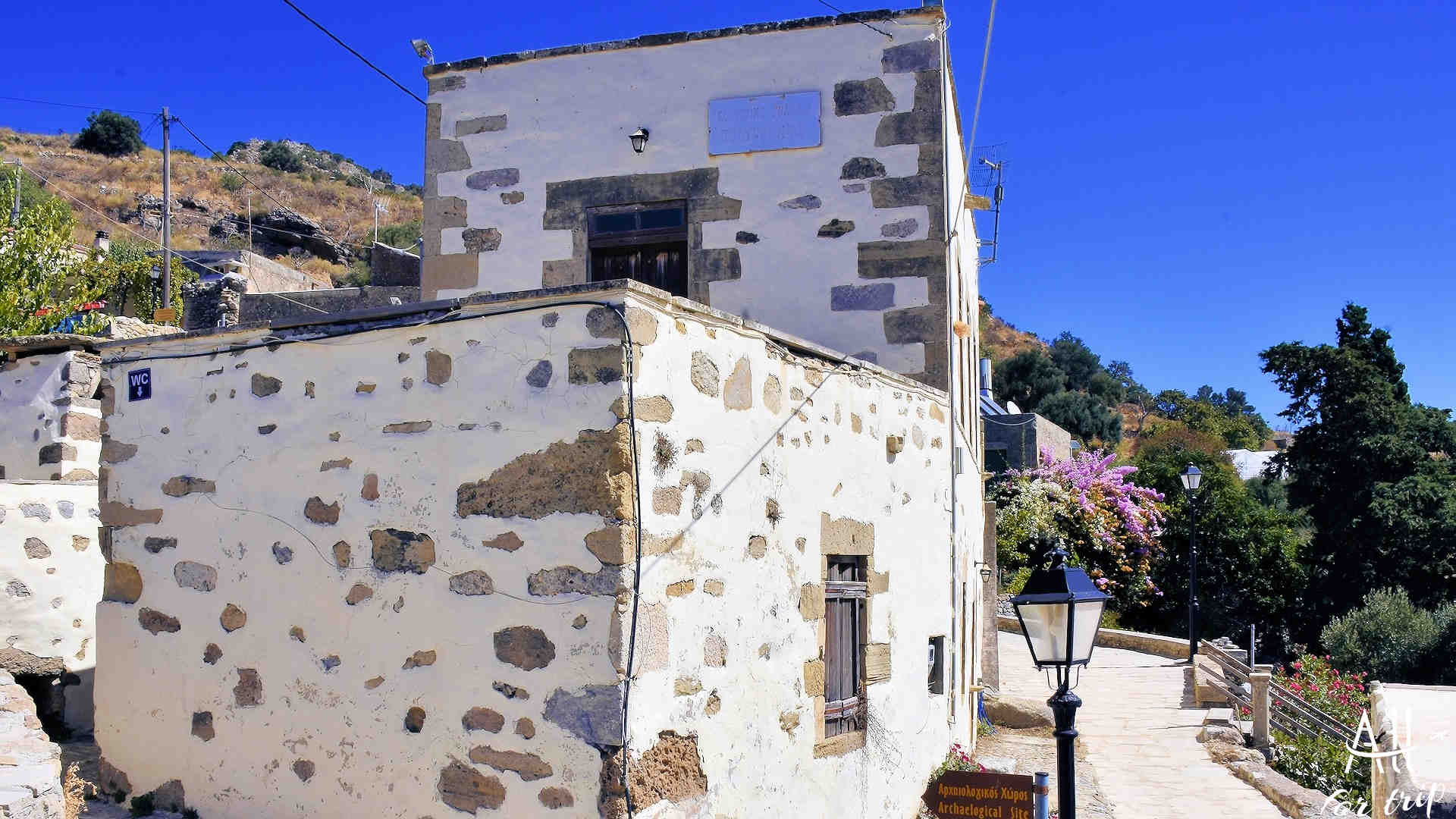
– the surviving Hellenistic watchtower in the town square was reconstructed – the tower was in a severely damaged condition, because the stones from the tower were used as building materials for the local primary school in the early 20th century
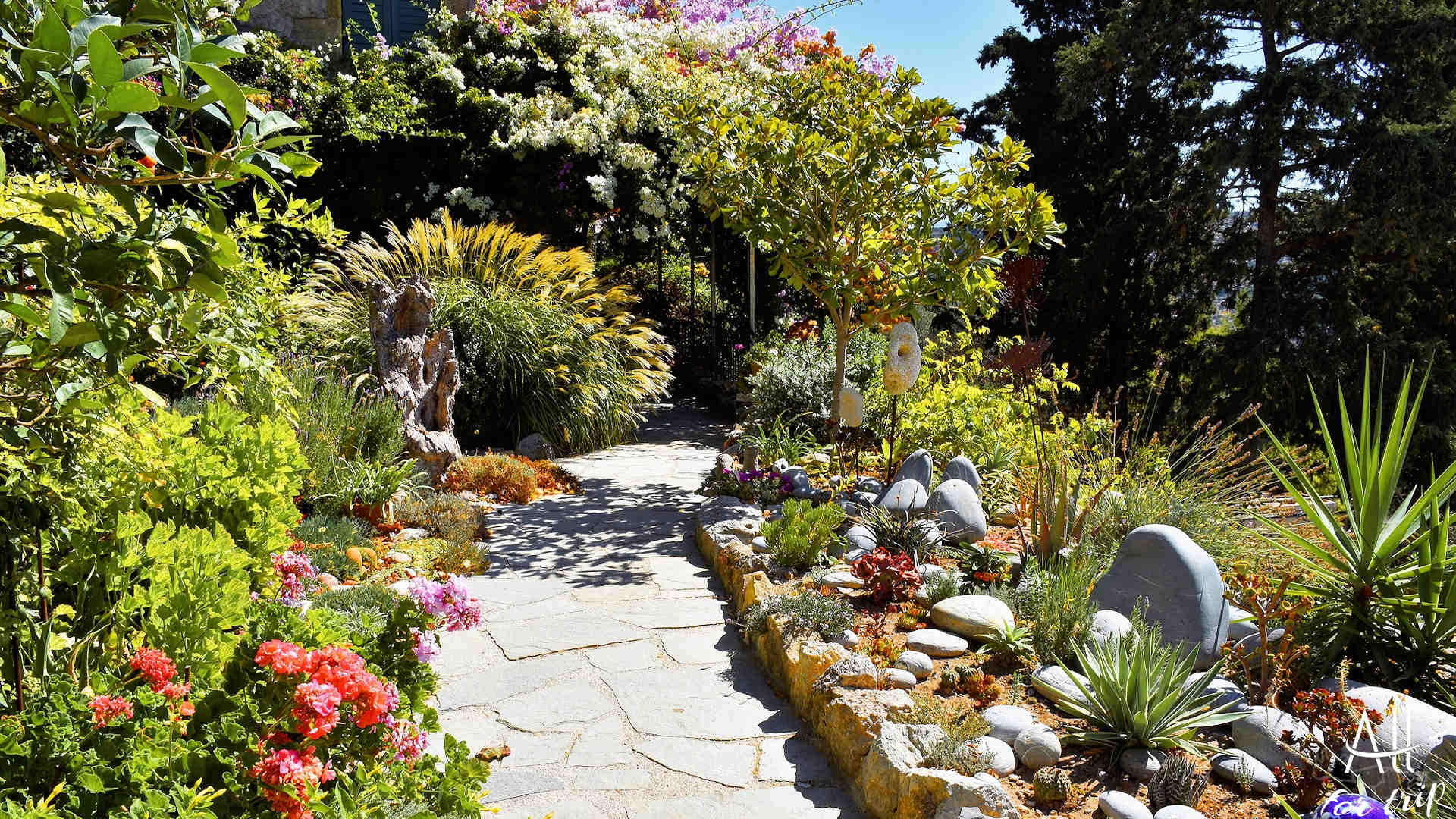
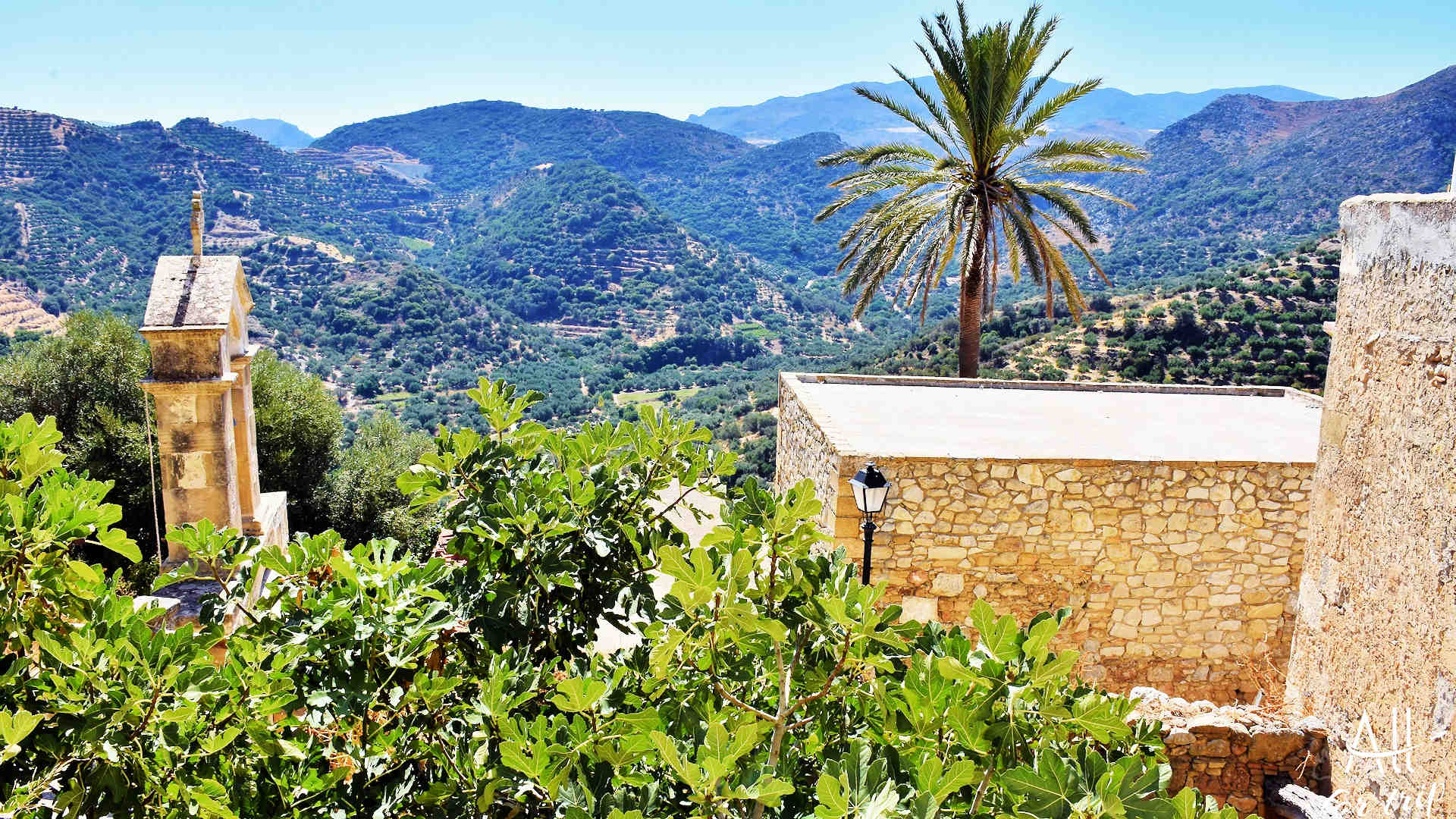
The houses carved into the rock
The rock chapel


Comment (0)