
Last updated:
The world famous and unique Greek, Cretan products
cheeses – olives – herbs & spices – traditional Cretan wine
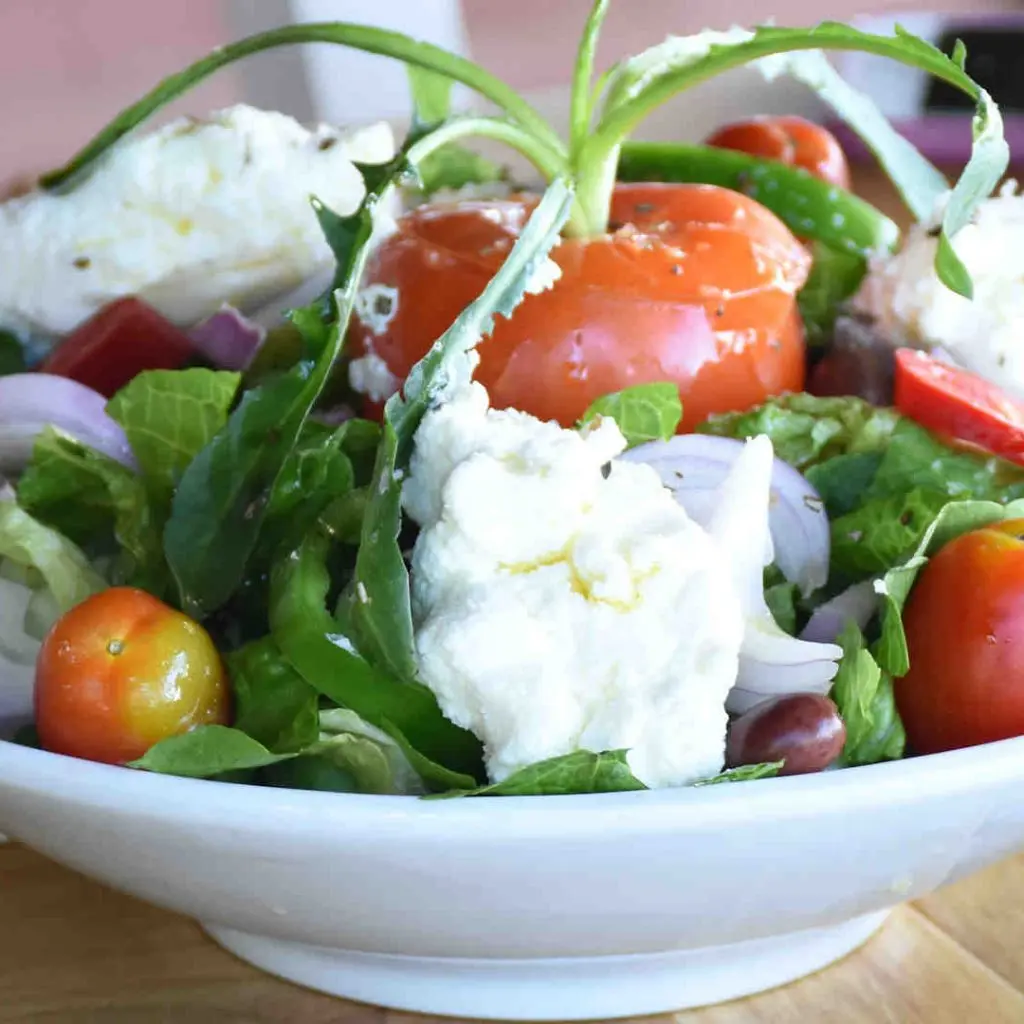
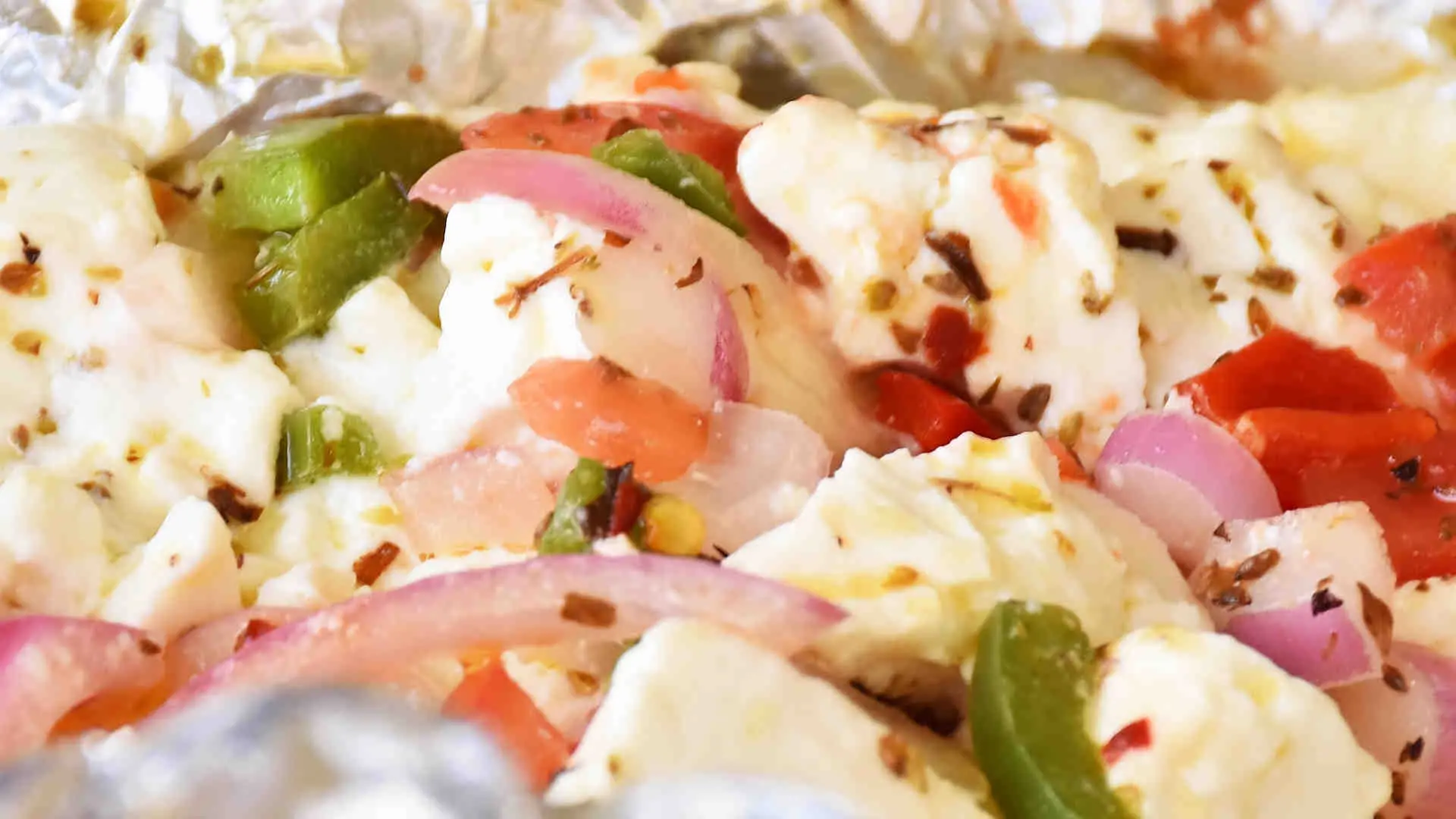
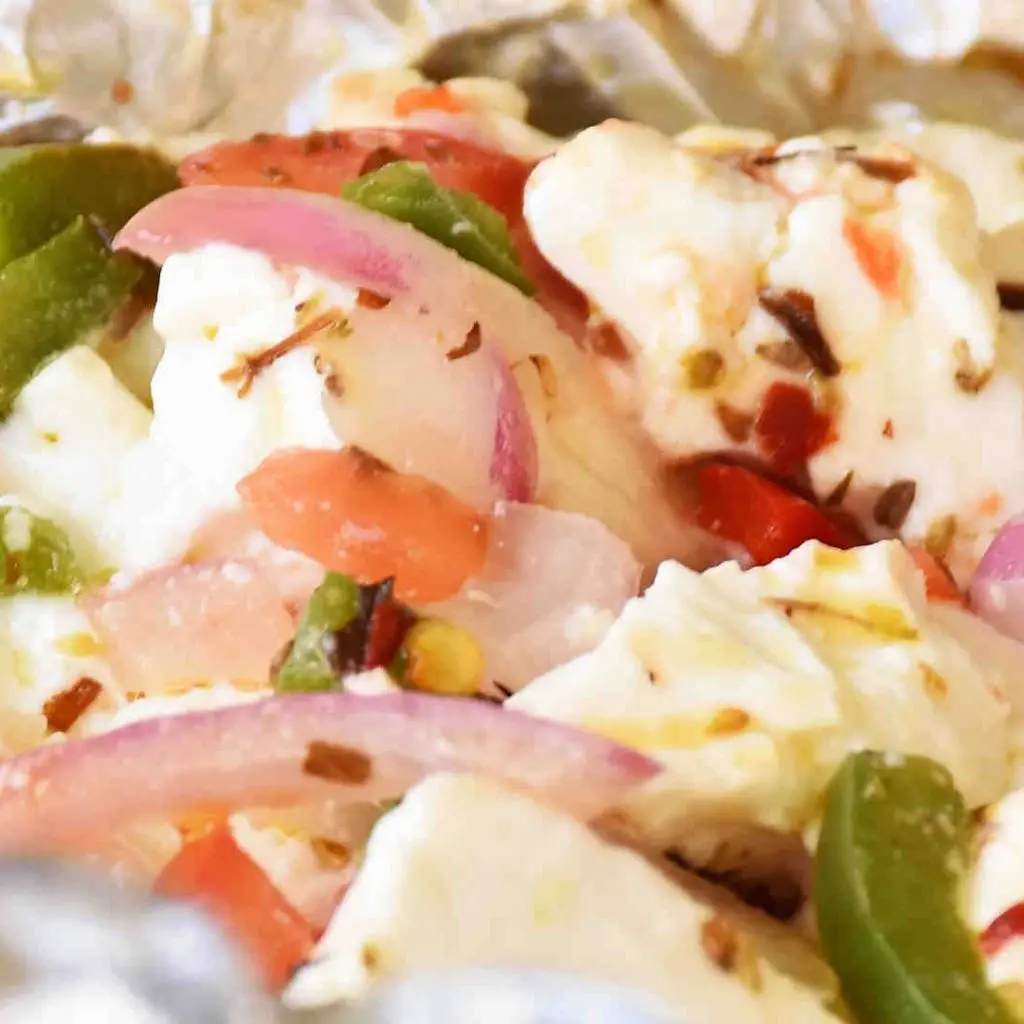
Feta cheese
The Feta (Φέτα) cheese is an essential ingredient in Greek cuisine. In many countries around the world, feta is known as part of Greek salad – but in Western Crete and Greece, a wide variety of dishes are made with feta.
According to some legends, feta cheese dates back to the time of the Olympian gods.
According to a story, Aristotle, the son of Apollo and Cyrene, was the first, who make cheese.
We can already read about cheese – in the writings of Aristotle, Pythagoras, and Homer.
In the Odyssey: we can read about cheese made from sheep’s milk.
The Venetian recipe book “Libro per Cuoco” from the 14th-century: also contains two recipes, which ingredients include formazo di Candia, or also known as Cretan cheese.
The word feta is likely to have originated in the 17th century.
It was born from the Italian word fette, which means sliced: because the cheese was stored cut into larger slices – in the barrels.
The original feta cheese: hard cheese made [swpm_protected format_protected_msg=”1″] from sheep’s or goat’s milk, stored in brine (sometimes whey).
The real feta is made from unpasteurized milk. Because animals graze a wide variety of herbs, therefore, the cheese has a special taste.
The ratio of goat’s and sheep’s milk is fixed: the feta may contain a maximum of 30% goat’s milk.
Original feta cheese is only made in Greece! Feta cheese made outside of Greece is usually only made from cow’s milk: therefore only feta-type cheese! – so the quality of the cheese is not the same – differs from the original. [/swpm_protected]
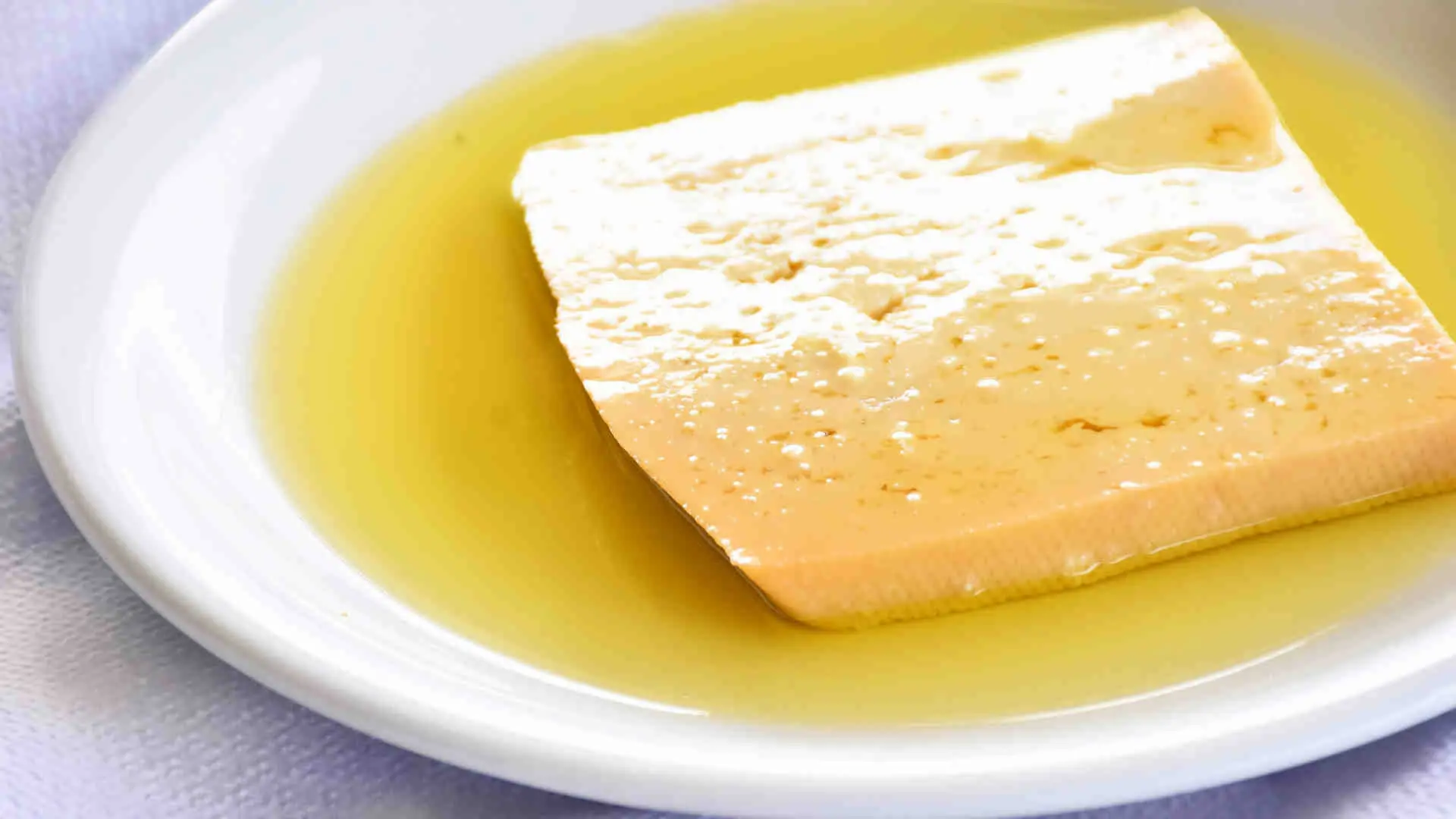
Feta cheese:
[swpm_protected format_protected_msg=”1″]– salt content: very high, almost 5% – as it is stored in salted water or whey.
– fat content: between 30 and 60%, depending on the milk.
– protein content: very high – 10 dkg of feta cheese covers an adult’s daily protein intake.
– calorie content: 10 dkg of cheese contains 300 calories
– vitamin content: Rich in vitamins A and B2 as well as calcium [/swpm_protected]
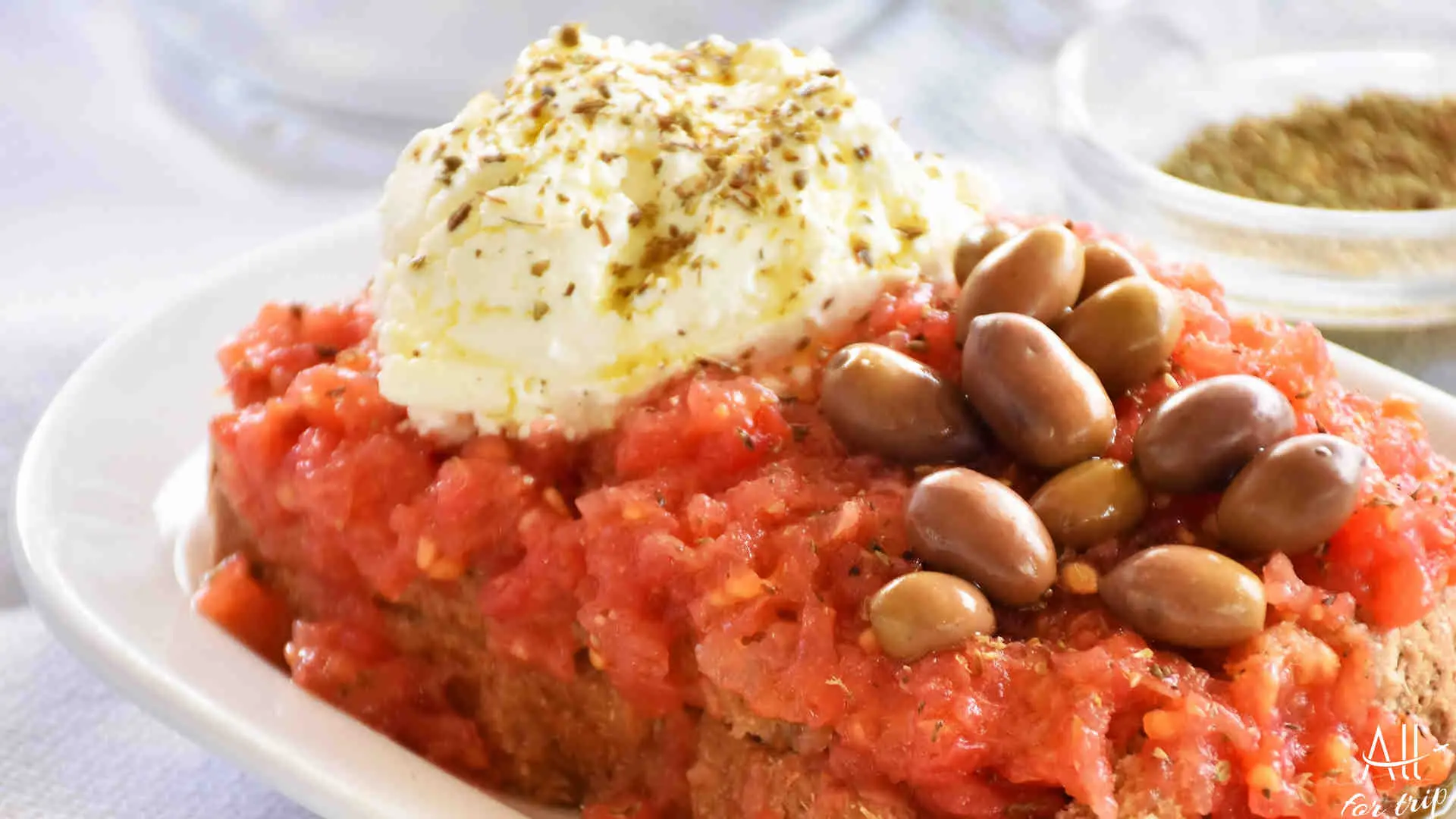
The Cretans people often consume this cheese as a kind of appetizer: fresh bread, a little oregano on feta cheese, sprinkled with virgin olive oil, garnished with olives
Feta can be combined with many Mediterranean ingredients.
For example: it can occur on pizzas, even the simplest grilled steak with potatoes can be turned into a unique dish, with Feta cheese.
Both white and red wines go well, with feta dishes.
Feta cheese is most often seasoned with oregano, basil, thyme and rosemary.
It can be seasoned not only with black pepper, but also very tasty with green pepper.
If You feel the feta is too salty: it is advisable to soak it in water or milk a few hours before use. After soaking, the cheese deteriorates very quickly: soak only as much cheese as You want to use.
Feta can be stored in the refrigerator for a very long time: up to 3 months – it depends on the variety and quality.
Allow the feta to warm to room temperature for at least half an hour before consuming: so it will be the most delicious. Don’t freeze the Feta cheese! – because then the taste of the cheese changes.
GRAVIERA cheese
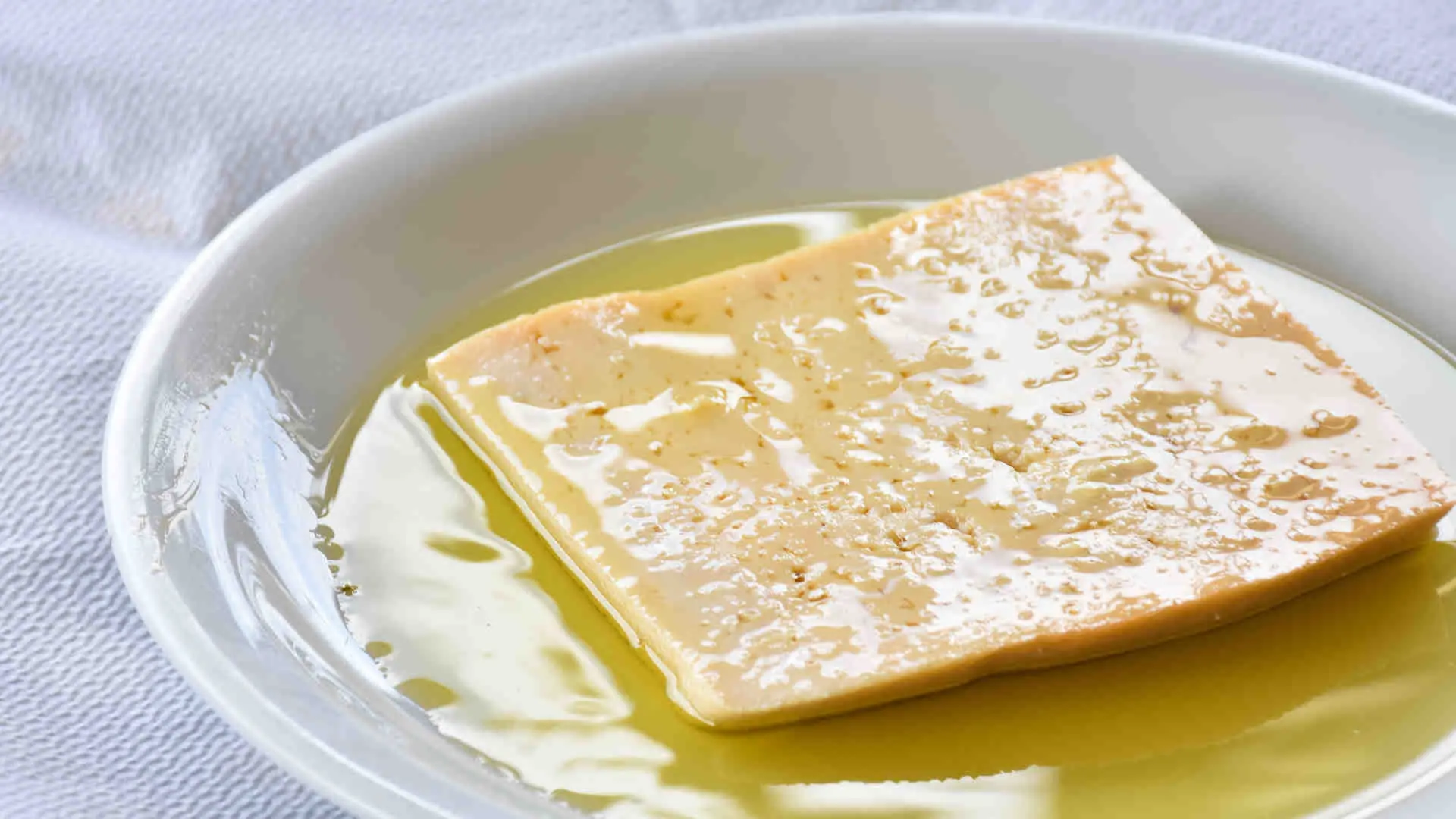
The Graviera cheese is the second most popular cheese in Greece. It is a hard cheese, light yellow in color and slightly sweet and nutty in taste.
It is produced in several regions of Greece: every each area has its own characteristics.
The Cretan version is made from sheep’s milk, with a small amount of goat’s milk. Its salt content should not exceed 2 percent.
The versatile cheese: the Graviera cheese can be sliced, grated, used in fried foods or served in salads.
The Graviera cheese is matured in barrels for at least five months: with herbs, spices – in olive oil.
Graviera cheese was granted a protected designation of origin in 1996 – the OEM Certification (Original Equipment Manufacturer).
Only Graviera cheese made in Greece can wear this name: cheese made outside Greece is not entitled to use the name.
[swpm_protected format_protected_msg=”1″] The Graviera cheese matured in Crete have burnt caramel flavour and a little greasy.
According to OEM rules, Graviera cheese must have:
– a fat content of at least 49%
– a moisture content of at least 38%
Storage: the cheese should be stored at a temperature between 4 and 6 degrees Celsius. [/swpm_protected]
[swpm_protected format_protected_msg=”1″] The cheese has a high sodium content: an excellent source of calcium and protein.
100 g in Graviera cheese:
Energy: 1612 kJ / 388 kcal
Fat: 30.8 g
of which saturated fatty acids: 21 g
Carbohydrate: 2.8 g
of which sugar: 2.8 g
Protein: 25 g
Salt: 2 g
[/swpm_protected]
MIZITHRA cheese
The Mizithra or myzithra (Greek: μυζήθρα [miziθra]) is a Greek whey cheese, or mixed milk – whey cheese.
The method of preparation can be:
– only sheep’s milk version
– only goat’s milk version
– At some places: it is made partly using sheep’s milk and partly using goat’s milk.
When making cheese is very important: the ratio of milk and whey! According to the original recipe, this ratio is: 7:3.
Homeland of Mizithra cheese: Crete. Similar cheese in Italy: Ricotta, similar cheese in Cyprus: Anari, similar cheese in Turkey: Lor.
Making Mizithra is very simple:
[swpm_protected format_protected_msg=”1″] – boil the milk slowly for a few minutes
– after then add to the milk: skimmed milk or whey – but it can also be another acidic substance, for example, lemon juice or vinegar. The original Mizithra cheese is always made using milk and whey – the ratio is 7: 3!
– Once the clot has formed: they are poured into a canvas bag designed for cheese, and drained.
– We need wait at least two days. The cheese will then become a soft, easy-to-shape mass. The taste will be slightly sweet. This is called: sweet or fresh mizithra. [/swpm_protected]
The longer stored and salted variant: Xynomizithra, or aged Mizithra. As a result of storage, the cheese will become drier, denser, salty and more sour. In some places this variant is called ‘sour mizithra’. We can already grate this cheese: we can serve it, as grated cheese.
The fresh cheese is soft, snow white, creamy and moist. Because fresh mizithra does not contain salt, it has a little sweet and milky taste.
Very delicious with honey, or olives, tomatoes. It can be seasoned, with oregano, basil and other herbs.
It can be used: as table cheese, in salads, in pastries, in small cheesecakes and in the famous Cretan Sfakiani pita.
The salted, matured variant of the cheese: in grated form – the cheese makes the pasta dishes unique.
[swpm_protected format_protected_msg=”1″] Serving Size: – 28.35g
Calories: 110 kcal
Total Fat: 9g, from it saturated fat 7g
Cholesterol: 30mg
Sodium: 190mg – 8%
Carbohydrates: 0g
Fibre: 0g
Protein: 7g
Vitamins and minerals:
Vitamin A: 90μg – 11%
Calcium 250mg – 26% [/swpm_protected]
SAGANAKI, KEFALOTIRI cheese
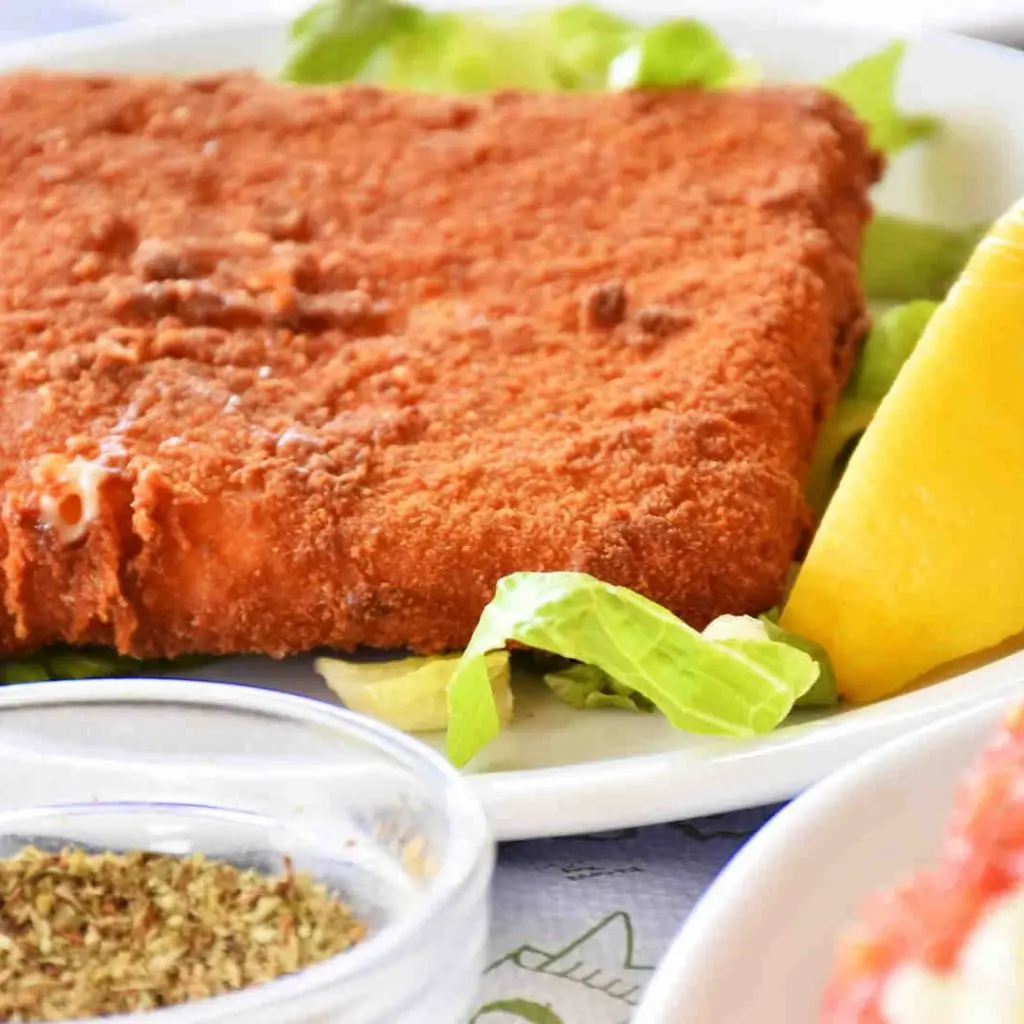
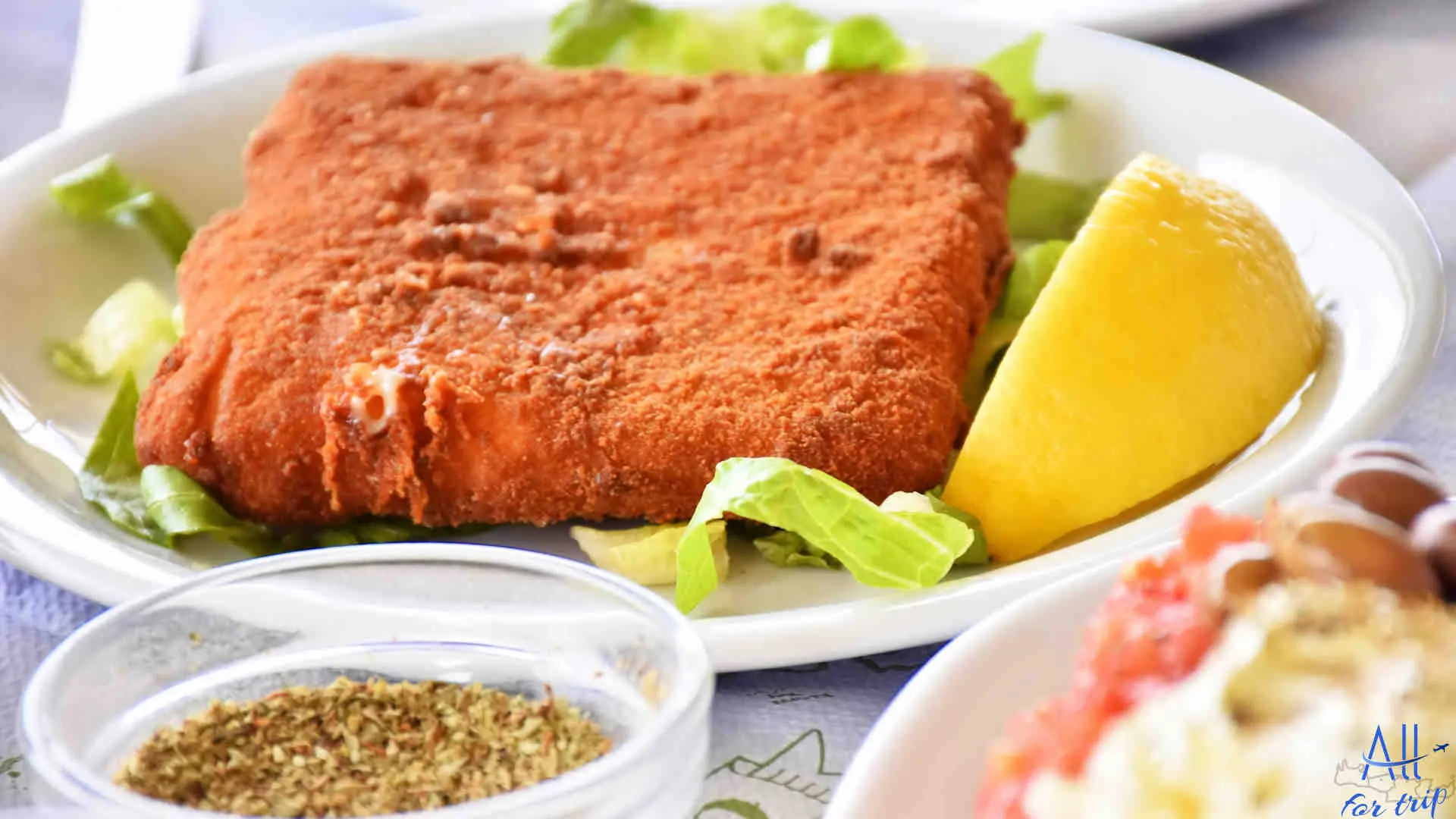
Saganaki, or otherwise known as Kefalotiri (or kefalotyri) is a traditional Greek, Cretan hard cheese made from unpasteurized goat or sheep’s milk.
In some places in West Crete: both goat’s milk and sheep’s milk are used to make the cheese.
The Gruyere is similar to cheese, but kefalotiri is more salty and harder!
Use of cheese:
– make cakes, with cheese
– very tasty in fried or grilled form
– can be eaten on top of hot pasta and stews – in grated form
– the cheese can be perfectly paired with seasonal fruits
Serving:
The delicious Cretan red wine always goes well to dishes, which made with Saganaki, Kefalotiri cheese.
The simplest dish with Saganaki, Kefalotiri cheese:
– melt the cheese in a small pan! – until it bubbles
– add fresh lemon juice
– season the cheese, with pepper to taste
[swpm_protected format_protected_msg=”1″] This dish should be eaten, with fresh bread.
This dish is prepared in a unique way in some restaurants:
– in front of the guest – at the table: flambéed by the chef! Flambé – it is a cooking procedure: alcohol is added to the food and after then the alcohol is ignited.
– after then the chef extinguishes the flames, with fresh lemon juice [/swpm_protected]
The best dishes made with Saganaki, Kefalotiri cheese:
– the shrimp saganaki
– the mussels saganaki
These dishes with spicy tomato sauce are very gourmet and delicious.
Serving Size: 1 piece (143g)
Calories: [swpm_protected format_protected_msg=”1″] 436 kcal
Total Fat: 21g grams
Saturated Fat: 13g grams
Trans Fat: 0.2g grams
Cholesterol: 54mg
Sodium: 619mg
Potassium: 106mg
Total Carbohydrates: 14g
Dietary Fibre: 0.5g grams
Sugars: 0.5g grams
Protein: 16g grams [/swpm_protected]
Vitamins and minerals:
[swpm_protected format_protected_msg=”1″] Vitamin A: 14%
Vitamin C: 2%
Calcium: 43%
Iron: 6% [/swpm_protected]
STAKA cheese
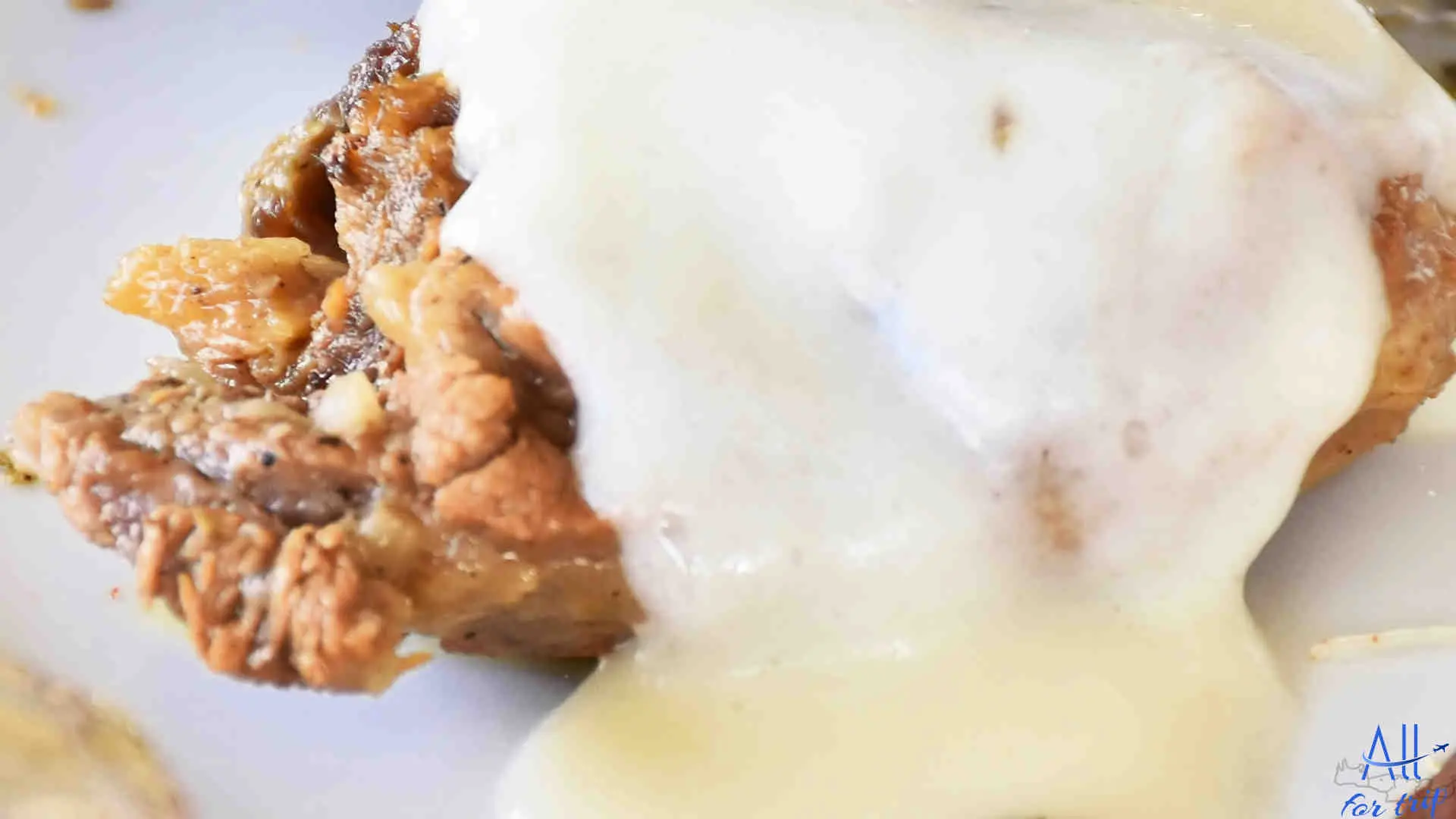
The Staka in Cretan gastronomy is cheese, but in fact a dairy product: transition between cheese and yogurt.
The preparation of the cheese is unique:
– After milking: the cheese maker removes, takes off the cream from the surface of the goat’s and sheep’s milk
– If there is enough cream – if enough cream has been collected, they are then heated over a very low flame, with constant stirring.
– When it starts to flow: salt, flour and a little water are added.
[swpm_protected format_protected_msg=”1″] Add to every each kilogram: about 1 teaspoon of salt, 8-9 tablespoons of flour and 1-2 tablespoons of water. This is how proteins are separated from fat.
This is how can separate Staka and butter. The butter should be poured into a separate dish. The white and thick protein mass is: the STAKA. The separated butter: stakobutter.
The Staka cheese is white or very pale yellow in color – has a strong milk taste. But it has a distinctive unique taste: which taste cannot be compared to any other cheese.
The Staka cheese is very tasty and a great source of energy! [/swpm_protected]
Use of Staka cheese in Crete:
– when making scrambled eggs: Staka cheese is added to the eggs
– Staka cheese is very tasty on hot baked potatoes
[swpm_protected format_protected_msg=”1″] – pasta dishes are poured down, with Staka cheese
– a very simple dish: spaghetti, with Staka cheese
– used in pilaf or pie
– also eaten raw, for cheese salad
– also used for food baked in the oven: e.g. it also makes the taste of roast lamb special [/swpm_protected]
Storage:
Staka can be stored in the refrigerator for 5-6 days. It melts very quickly outside the refrigerator.
The stakobutter – in enclosed in a glass jar, can be stored for up to a year.
KORONEIKI OLIVES
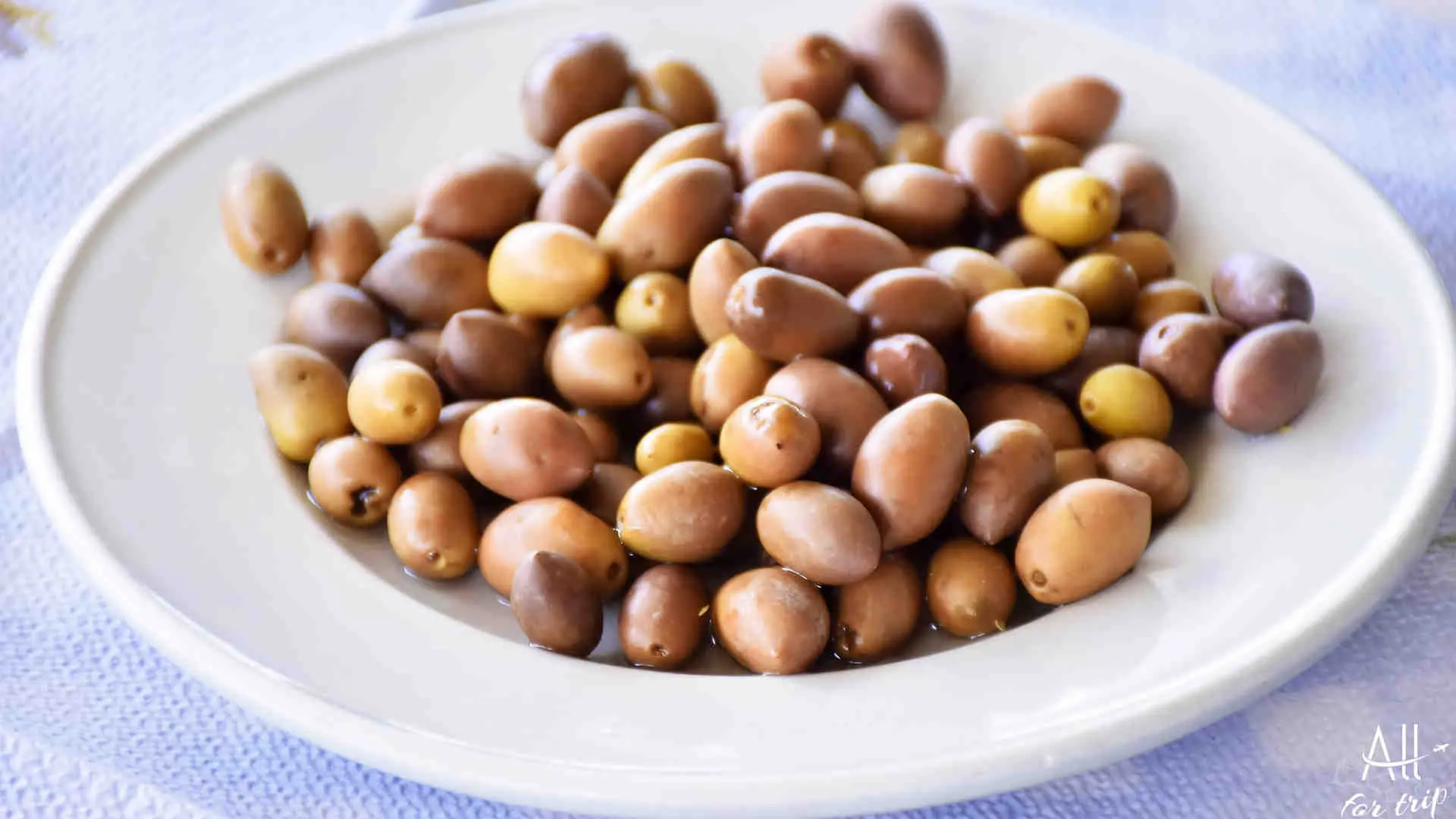
The most dominant olive in Crete: the Koroneiki. It is the most widespread olive – in the world: due to its high density, its oil content is very high.
The best quality olives are produced on the slopes of Crete away from the sea. Fruits grown in olive groves by the sea have a high-water content. Water must first be removed from these fruits, to obtain a high-quality oil. This is not a simple – it is complicated procedure.
Therefore, the olive groves are located in the interior of Crete, further away from the sea.
– the tree must be pruned, because if it is not pruned, it will grow into a bush
[swpm_protected format_protected_msg=”1″] – if we do not prune the tree, the energy is consumed by feeding the small branches: the access of the small branches to nutrients.
– all the energy sources of the pruned olive tree feed the berries. After pruning: the olive tree starts to drive again with some incredible force.
– In Crete, oil production is BIO! – the trees are not sprayed.
– The olive tree can withstand the sun, drought – even frost down to minus 6 degrees. [/swpm_protected]
– the olive tree lives for hundreds of years, up to 1000 years – Crete has such hundreds of years old olive groves. No new plantings are made, because a new plantation is approx. it would pay for itself in 40 years.
[swpm_protected format_protected_msg=”1″] – a hundred-year-old olive tree bears fruit between 50 and 100 kg. The amount of fruit depends on: geographical location, cultivation method: traditional, irrigated, intensive, super-intensive.
– 5-8 kg of olives are needed to produce 1 litre of oil. It largely depends on the quality of the olives. [/swpm_protected]
Koroneiki olive oil extra virgin – amount Per 100 g
Calories: 120 Kcal
Total Fat: 14g – 22%
Saturated Fat: 2g – 10%
TAOUNATE OLIVES
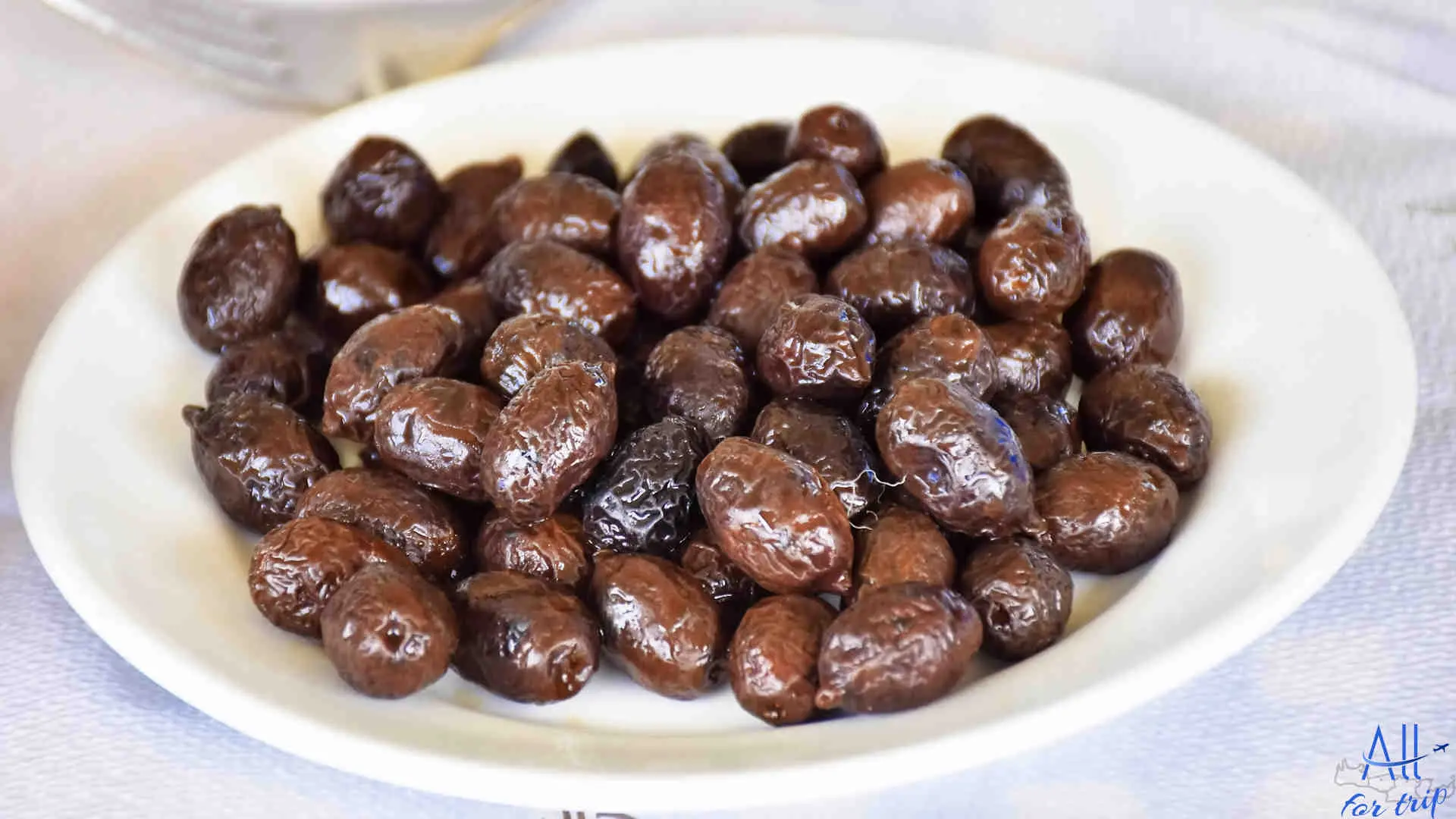
The second most widespread olive in Crete is Taounate. As the name suggests, this olive comes from Morocco – from Taounate Province.
Taounate olives are dark brown in color, grown mainly in the highlands and mountains. It tastes quite different, than Koroneiki.
In Crete, the harvest of ripe olives begins in November. Because millions of olive trees in Crete, the olive harvest will continue until the end of January.
The Cretans people pressed the oil from the ripe olives using millstones, for long centuries.
[swpm_protected format_protected_msg=”1″] With the development of technology, modern machines are now helping to extract oil – from olives.
The ripeness of the olives affects the taste of the oil:
– the less ripe olives: bitter, yet spicier
– ripe olives: sweeter
Nutrient composition of Taounate olive oil:
Saturated fat: 14%
Monounsaturated fat – mostly oleic acid: 73%
Vitamin E
Vitamin K [/swpm_protected]
Herbs and spices – Nature is the largest Pharmacy in the world

Greek sage (Salvia fruticosa) – herb – native to the eastern Mediterranean area.

Cretan dittany (Origanum dictamnus) – It is a healing, therapeutic and aromatic plant that grows wild only on the mountainsides and gorges of the Greek island of Crete. The dittany of Crete is widely used for food flavouring and medicinal purposes, in addition to it featuring as an ornamental plant in gardens.

Tarragon (Artemisia dracunculus) – It is widespread in the wild across much of Eurasia and North America, used for medical purposes. Also known as an spice.

Basil (Ocimum basilicum), also called great basil – Basil is native to tropical regions from central Africa to Southeast Asia. It is spice, used in cuisines worldwide.

Fennel (Foeniculum vulgare) – It is a highly aromatic and flavorful herb, used in cookery. It is indigenous to the shores of the Mediterranean but has become widely naturalized in many parts of the world, especially on dry soils near the sea-coast and on riverbanks.

Rosemary – The rosemary is an aromatic evergreen shrub. It is native to the Mediterranean and Asia, but also lives in cool climates. Resistant to drought, survives severe water shortages for a long time.
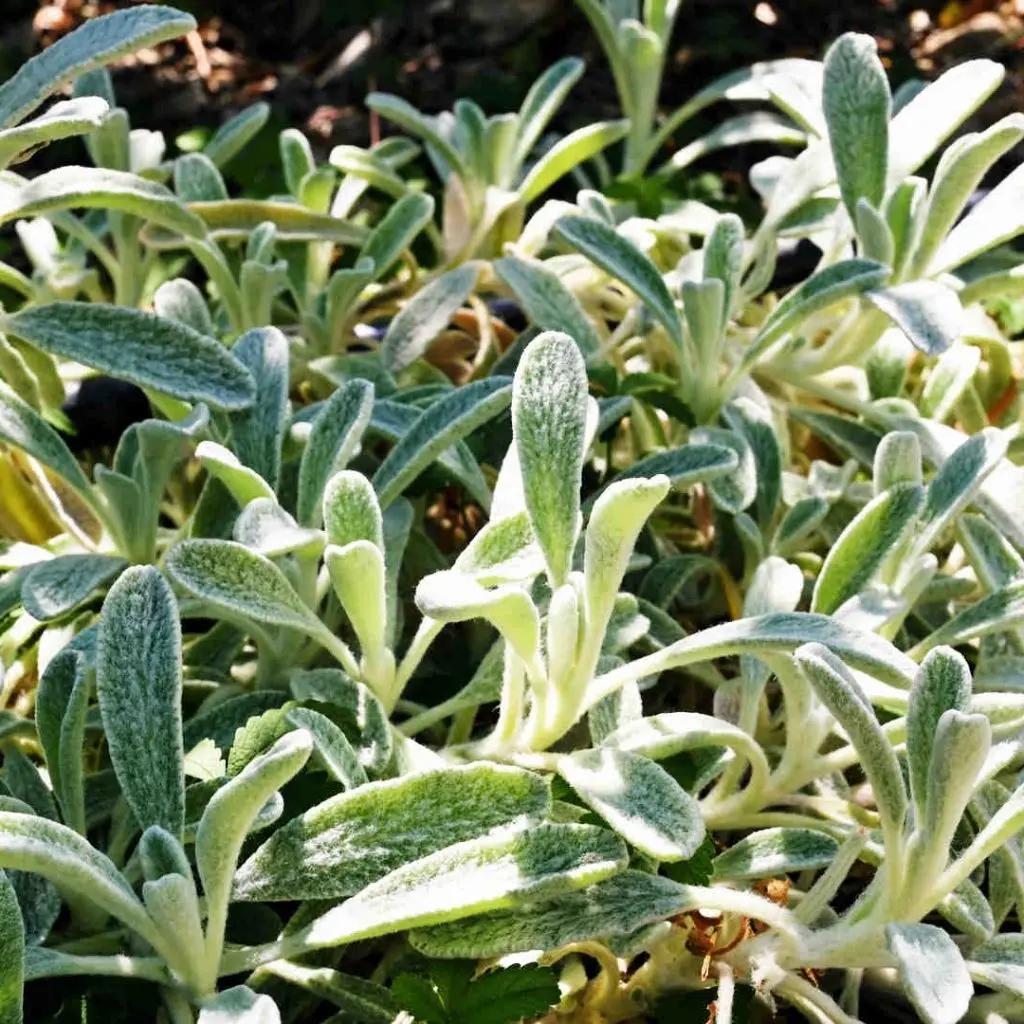
Malotira – (Sideritis) also known as ironwort – mountain tea and shepherd’s tea, well known herbal medicine. They are abundant in Mediterranean regions, the Balkans, the Iberian Peninsula, but can also be found in Central Europe and temperate Asia.

Marjoram (Origanum majorana) – It is a somewhat cold-sensitive perennial herb or undershrub. The marjoram have sweet pine and citrus flavors. In some Middle Eastern countries, marjoram is synonymous with oregano.


Tsikoudia – Raki
Tsikoudia, called raki in Western Crete, is a grape-based brandy of Cretan origin. It has an alcoholic strength of 40 to 65% vol.
Tsikoudia is made by distilling the remnants of grapes pressed during winemaking by distillation. The grape residues in tightly closed barrels, need to ferment for six weeks. They are then distilled.
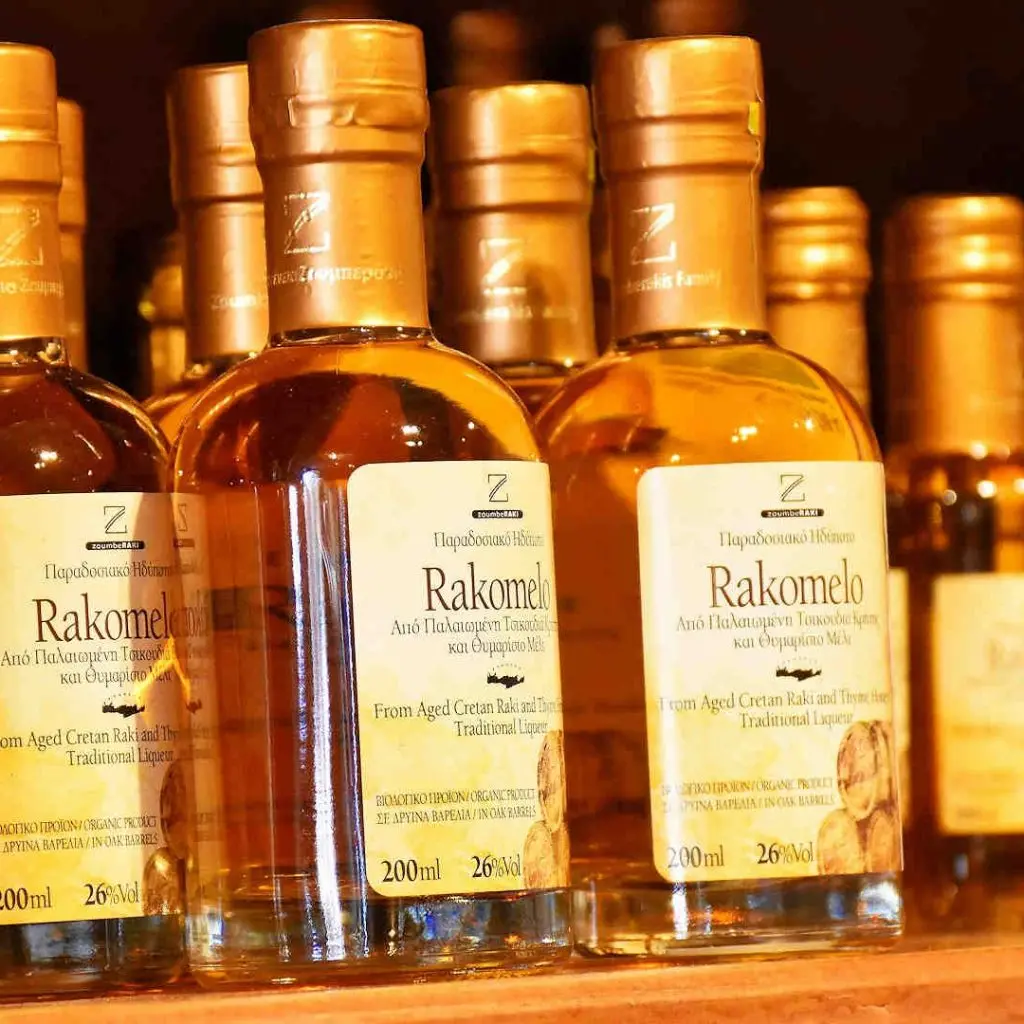
Rakomelo
Rakomelo is a Greek mixed alcoholic beverage: liqueur brandy.
It is Tsikoudia, Raki made with lemon zest, rosemary and honey.
According to Cretan tradition, Raki and Rakomelo promote digestion. Therefore consumed after a meal. In Crete, it is also used as a home remedy for sore throats or coughs.
The origin of Cretan winery
[swpm_protected format_protected_msg=”1″] The history ranks the ancient Persians, Semitic peoples, and Assyrians among the first known vine-growers, in 5000 BC. In fact, at that time, wine was already known in ancient China! The art of viticulture and winemaking has been adopted: the Egyptians, the Palestinians, the Phoenicians, and the Greeks.
In Egypt, winemaking began in 4000 BC. The ancient Egyptians even used mechanical presses.
Winery flourished in Mesopotamia, around in 1700 BC, . Despite their long tradition, these people soon lost the reputation of great winemakers.
This is probably due to the fact that better grape varieties began to grow in the Mediterranean climate of Phenicia and Greece. [/swpm_protected]
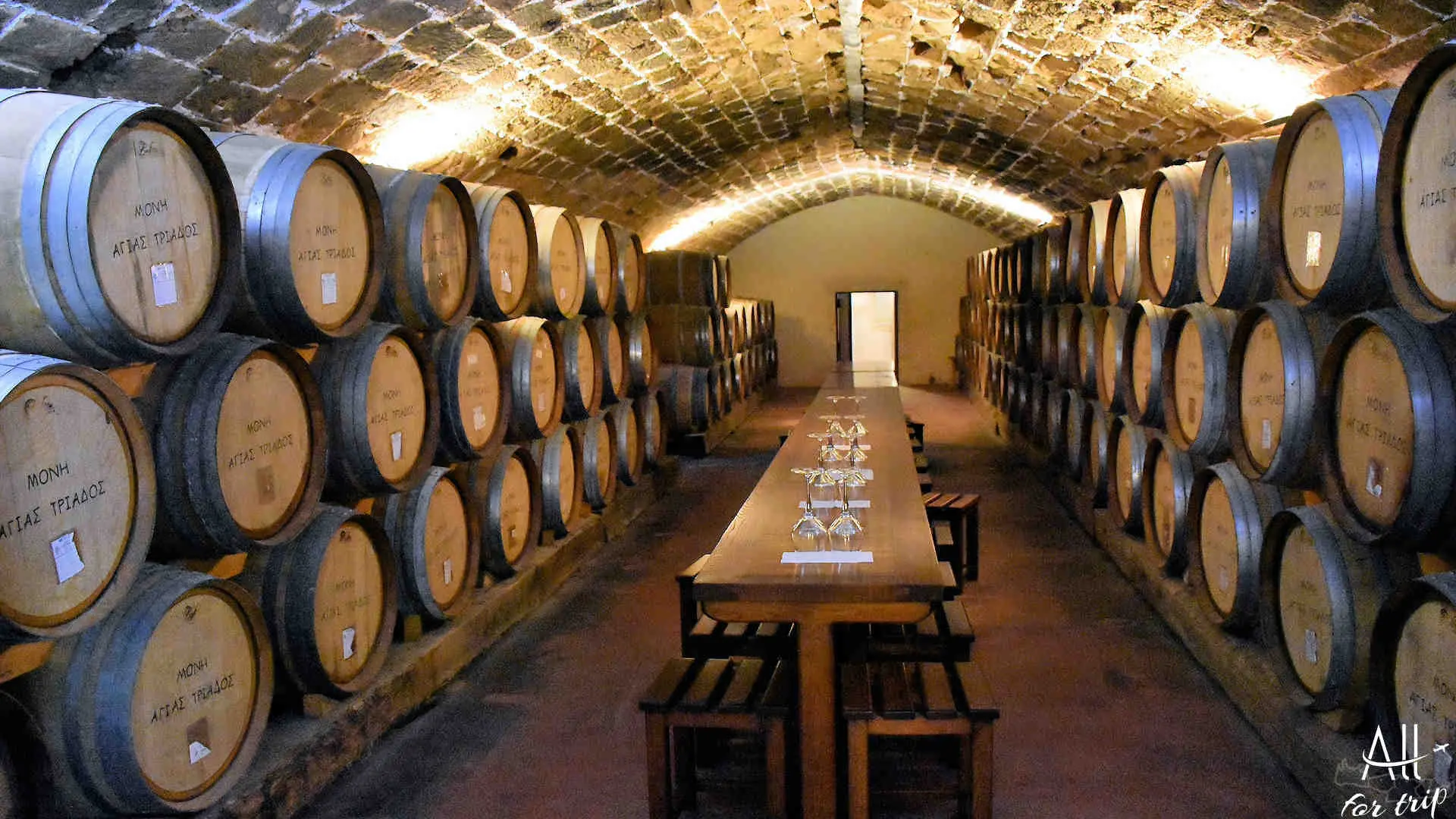
The Greeks are not clear, from whom they learned the art of winery, but according to one of the most common theories, they were learned from Eastern people (Phoenicians or Egyptians).
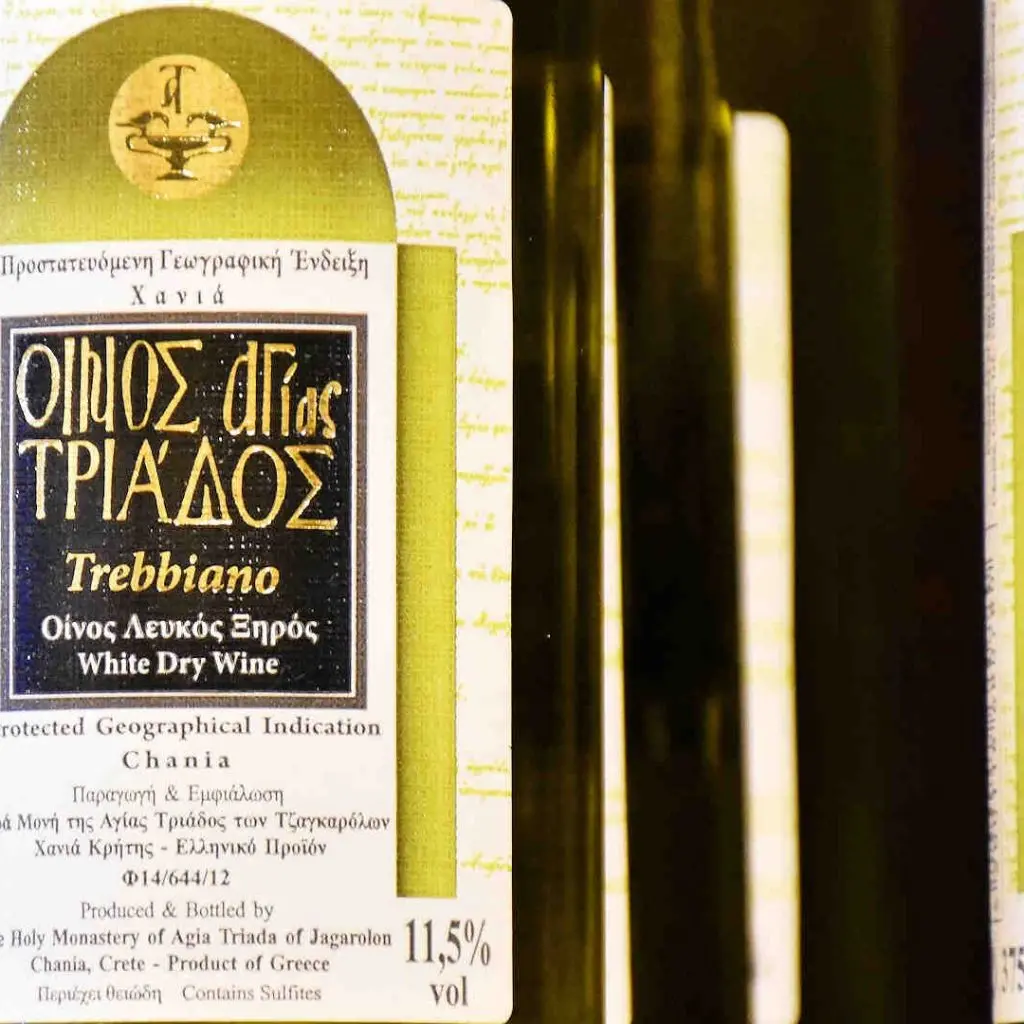
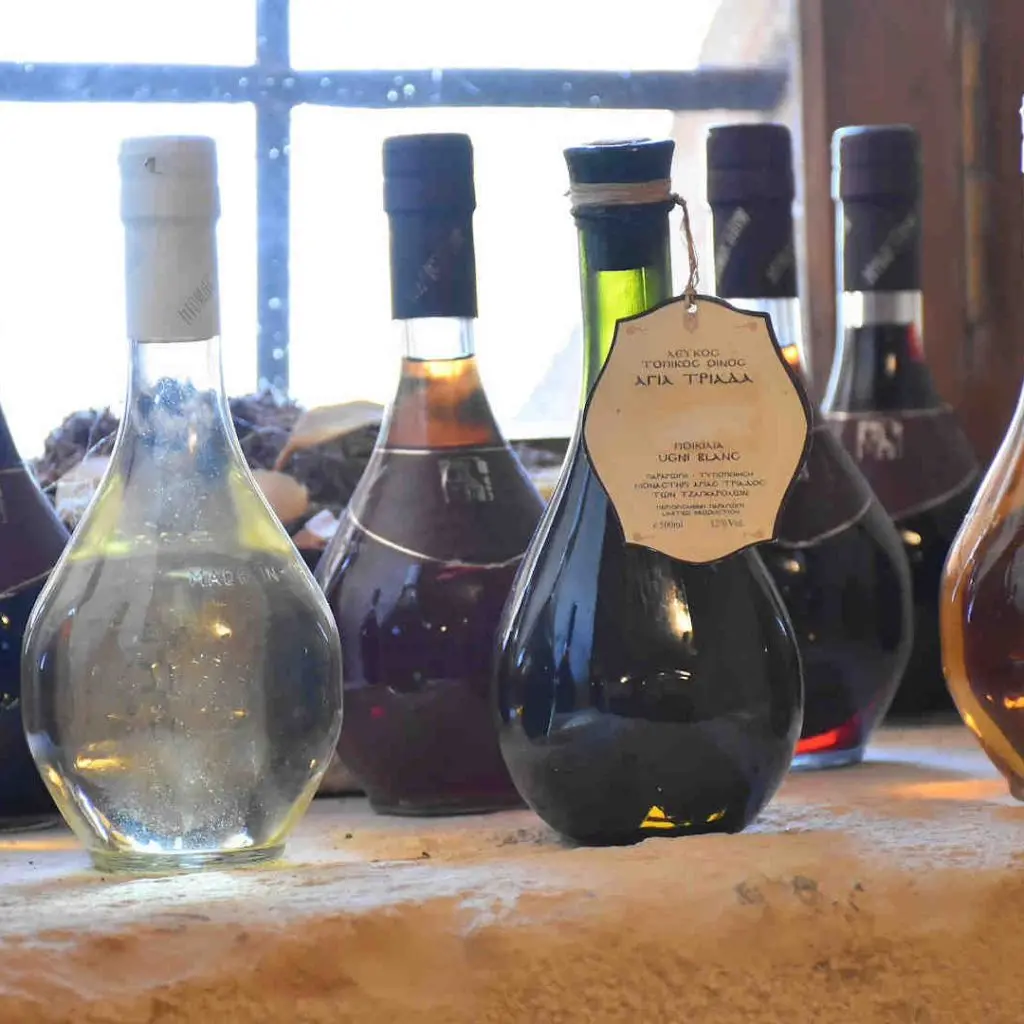
The Greeks, including the Cretans, established good trade relations with the Egyptians during the Minoan civilization (c. 2700–1420 BC). It is likely during this period, that vinery, winemaking began in Crete.
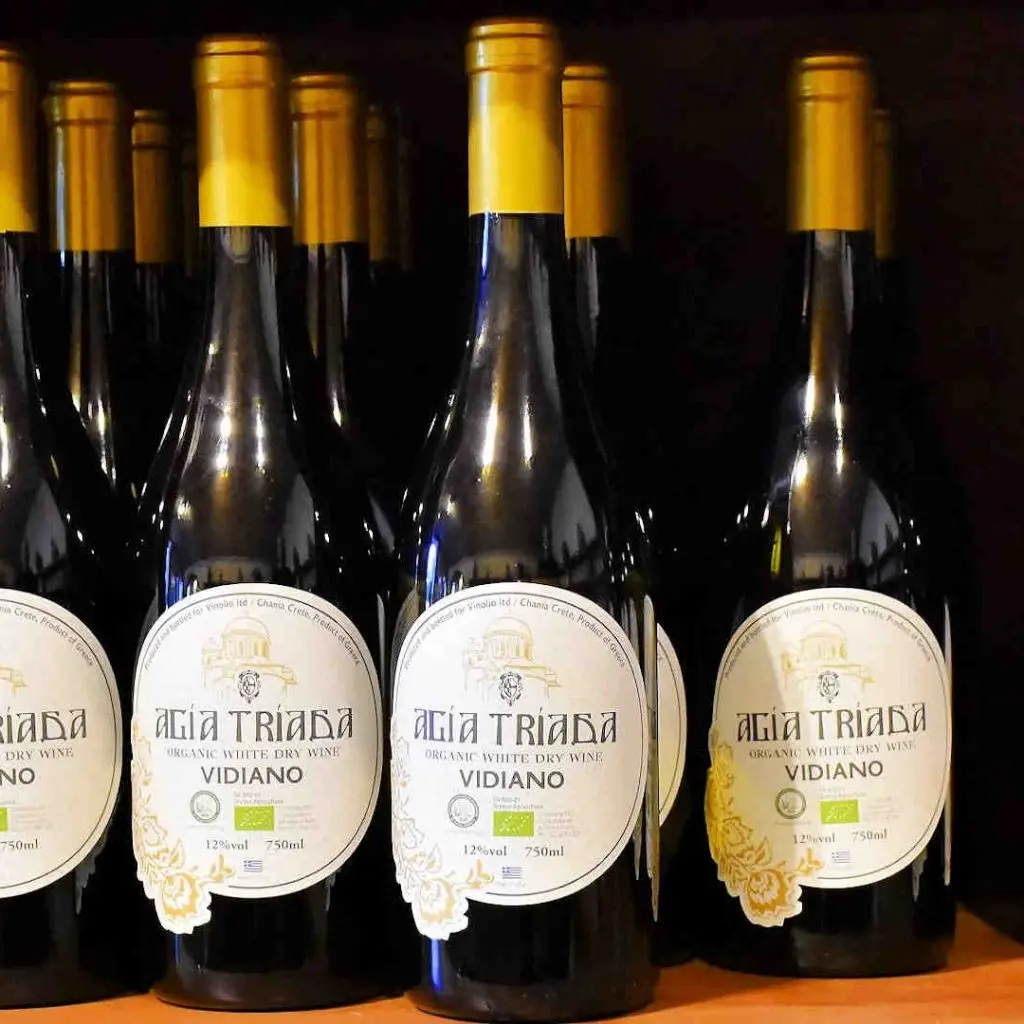
THE BENEFITS OF OLIVE OIL IN THE HUMAN ORGANISM
1. Anti-inflammatory
[swpm_protected format_protected_msg=”1″] Effects of phenols in olive oil: anti-inflammatory, analgesic and antipyretic.
Recent research shows it also helps prevent Alzheimer’s disease. Reduces oxidative damage to DNA and RNA! – this helps prevent cancer. [/swpm_protected]
2. Helps protect the health of hair and skin
[swpm_protected format_protected_msg=”1″] The Vitamin E is a fat-soluble antioxidant. Extra virgin olive oil is rich in vitamin E.
The Vitamin E is very important for the eyes, skin and hair. [/swpm_protected]
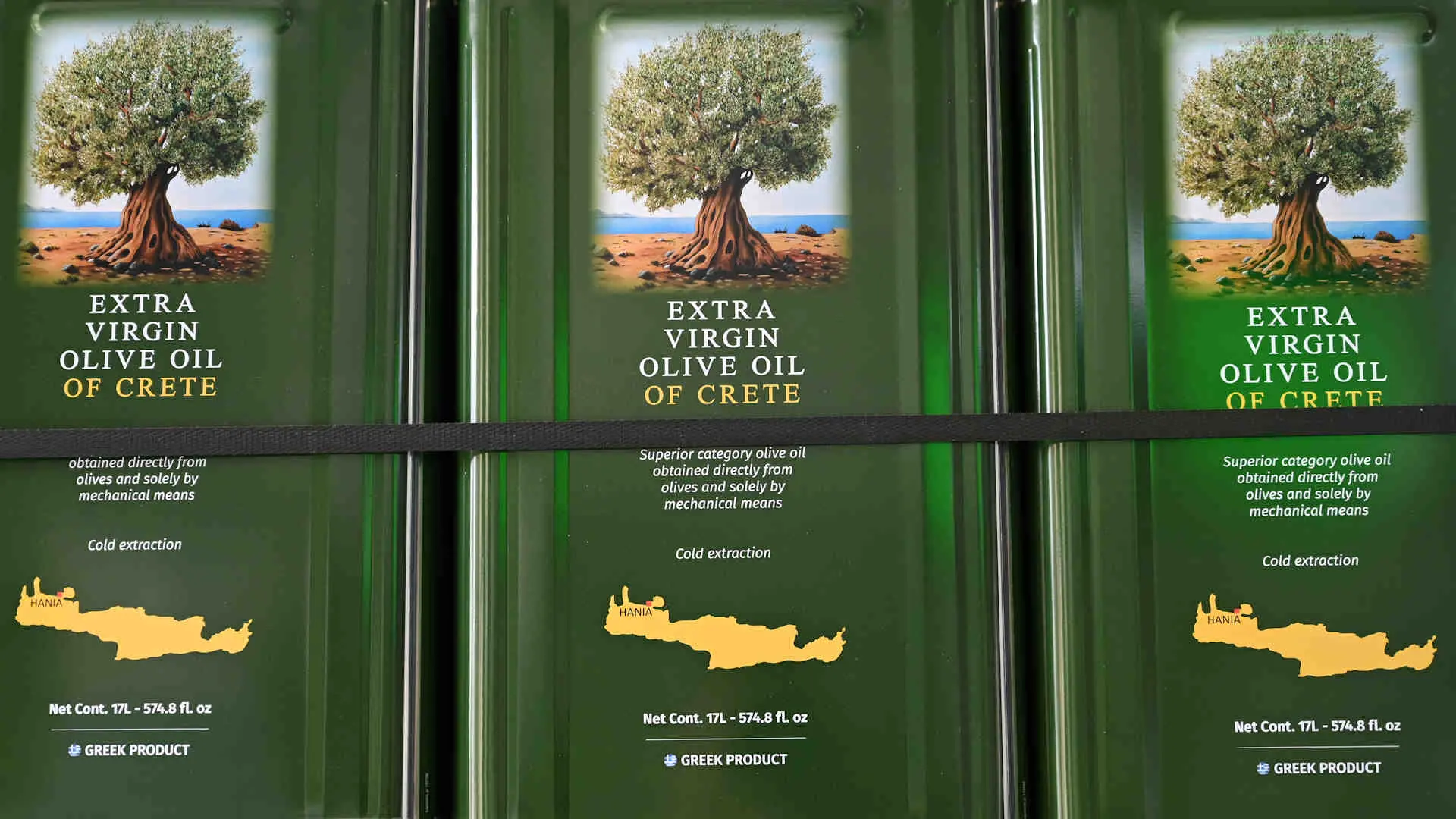
3. Protects against diabetes
[swpm_protected format_protected_msg=”1″]
Recommended diet for diabetics:
– foods rich in olive oil – low in saturated fat and moderately rich in carbohydrates
– soluble fibre: from fruit, vegetables, legumes, cereals [/swpm_protected]
4. Helps to avoid insulin sensitivity
[swpm_protected format_protected_msg=”1″]
The Vitamin K is a fat-soluble vitamin. Extra virgin olive oil is rich in vitamin K.
The Vitamin K is essential for blood clotting and maintaining blood calcium levels. [/swpm_protected]
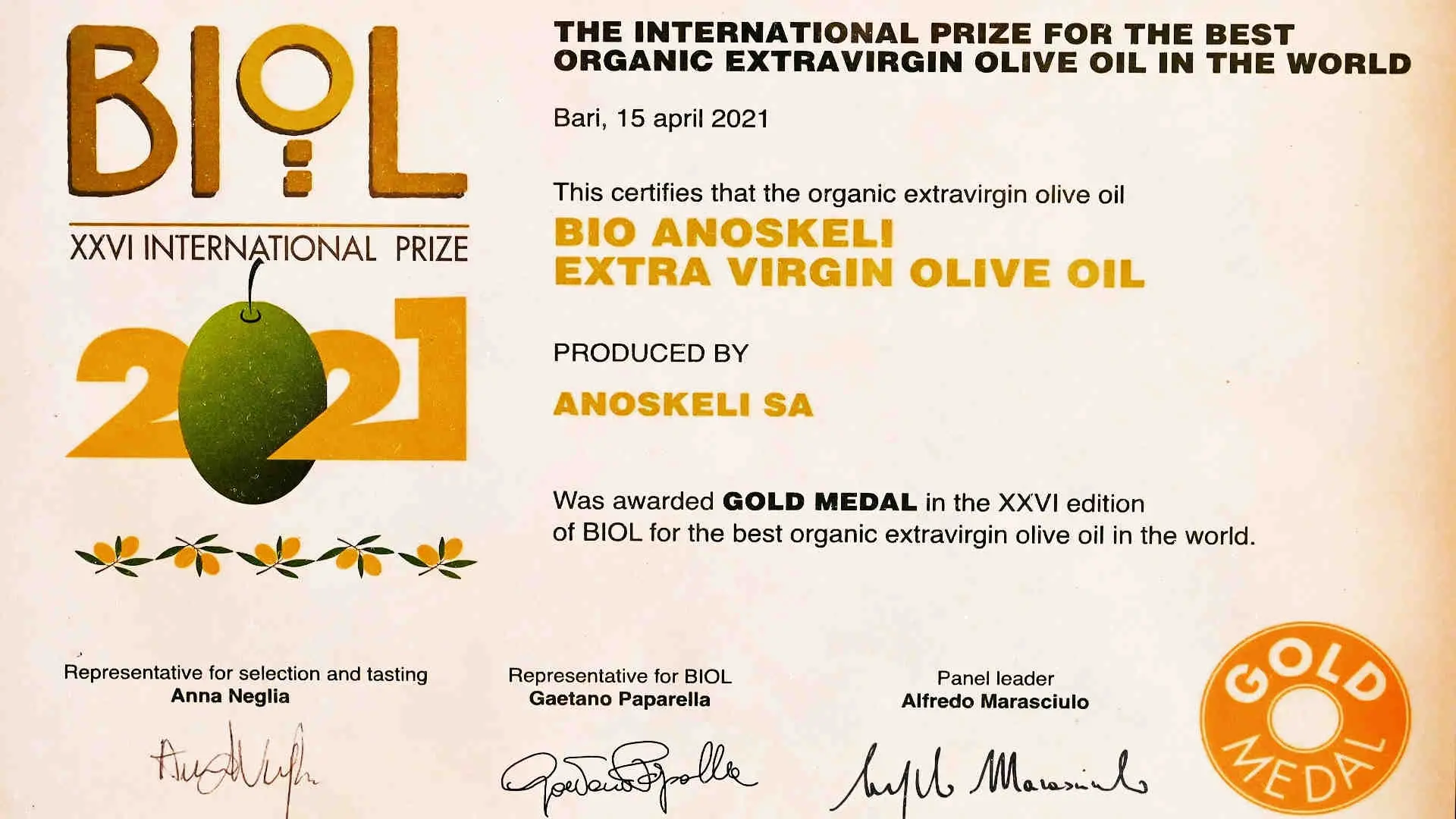
5. It helps to avoid heart problems – high blood pressure
[swpm_protected format_protected_msg=”1″]
Unsaturated fatty acids, which make up 70% of extra virgin olive oil, reduce the accumulation of cholesterol in the blood – so it helps prevent heart problems.
The polyphenol in olive oil strengthens cell walls, increasing the elasticity of the arterial wall.
Therefore, unsaturated fatty acids and polyphenols reduce:
– the development of atherosclerosis
– the lower the risk of atherosclerosis, the lower the risk of high blood pressure
– the risk of coronary heart disease, because it lowers blood cholesterol. [/swpm_protected]
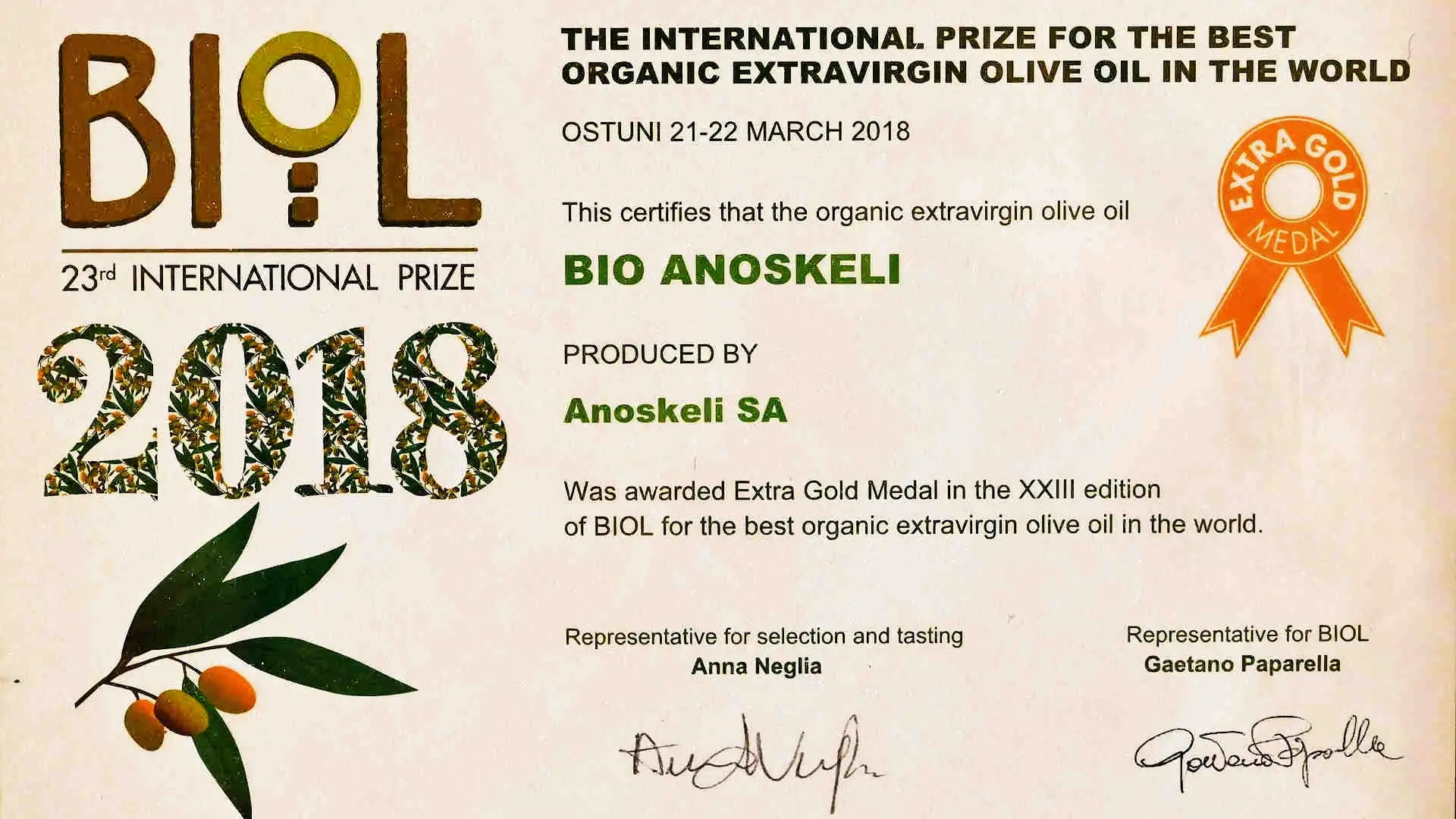
6. Helps keep the right balance in blood cholesterol levels
[swpm_protected format_protected_msg=”1″] The LDL Cholesterol: this is the wrong type of cholesterol! – which increases the risk of heart attack, helps to develop lung heart disease. The extra virgin olive oil: contains nearly 40 antioxidant compounds, which help reduce the negative effects of LDL cholesterol on the human body. [/swpm_protected]
7. Helps to lose weight – helps with proper metabolism
[swpm_protected format_protected_msg=”1″] Olive oil is high in calories, but nevertheless, research has not shown weight gain, during regular consumption of extra virgin olive oil. This is due to the monounsaturated fats found in olive oil. The regular consumption of olive oil can reduce obesity. [/swpm_protected]
8. Helps with proper digestion – reduces the formation of gallstones
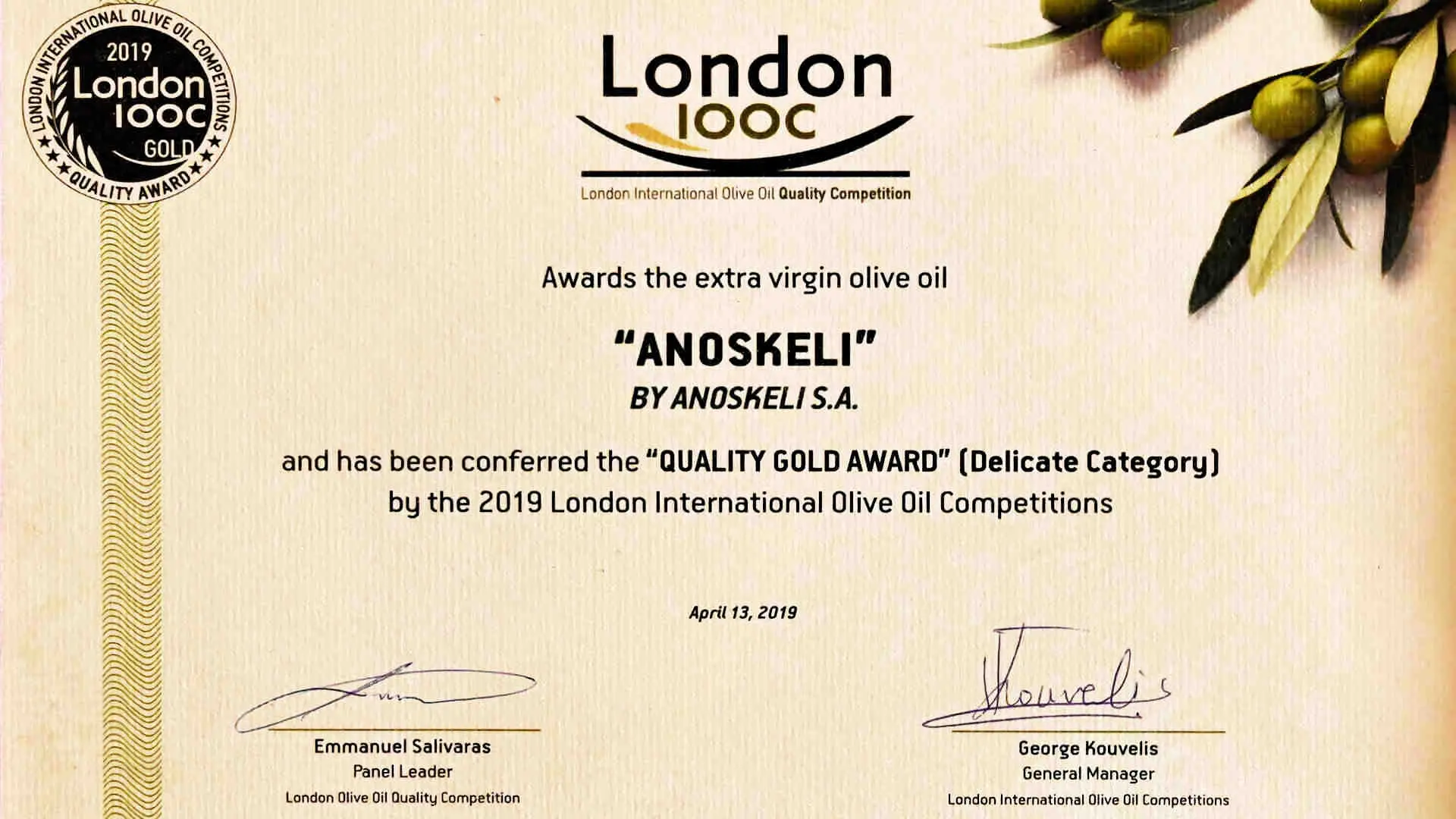
[swpm_protected format_protected_msg=”1″] The use of olive oil in medicine in Crete is dates back hundreds of years. The olive oil cleanses the digestive system and improves bowel movements.
Research shows that consuming 2 tablespoons of extra virgin olive oil a day, may reduce the formation of gallstones.
Regular consumption of olive oil, fresh lemon juice – cleanses the gallbladder! – therefore, it helps prevent gallstones! [/swpm_protected]
9. Helps prevent osteoporosis
[swpm_protected format_protected_msg=”1″] Olive oil helps in the absorption of calcium! – helps prevent the development of osteoporosis. [/swpm_protected]
10. Slows down aging
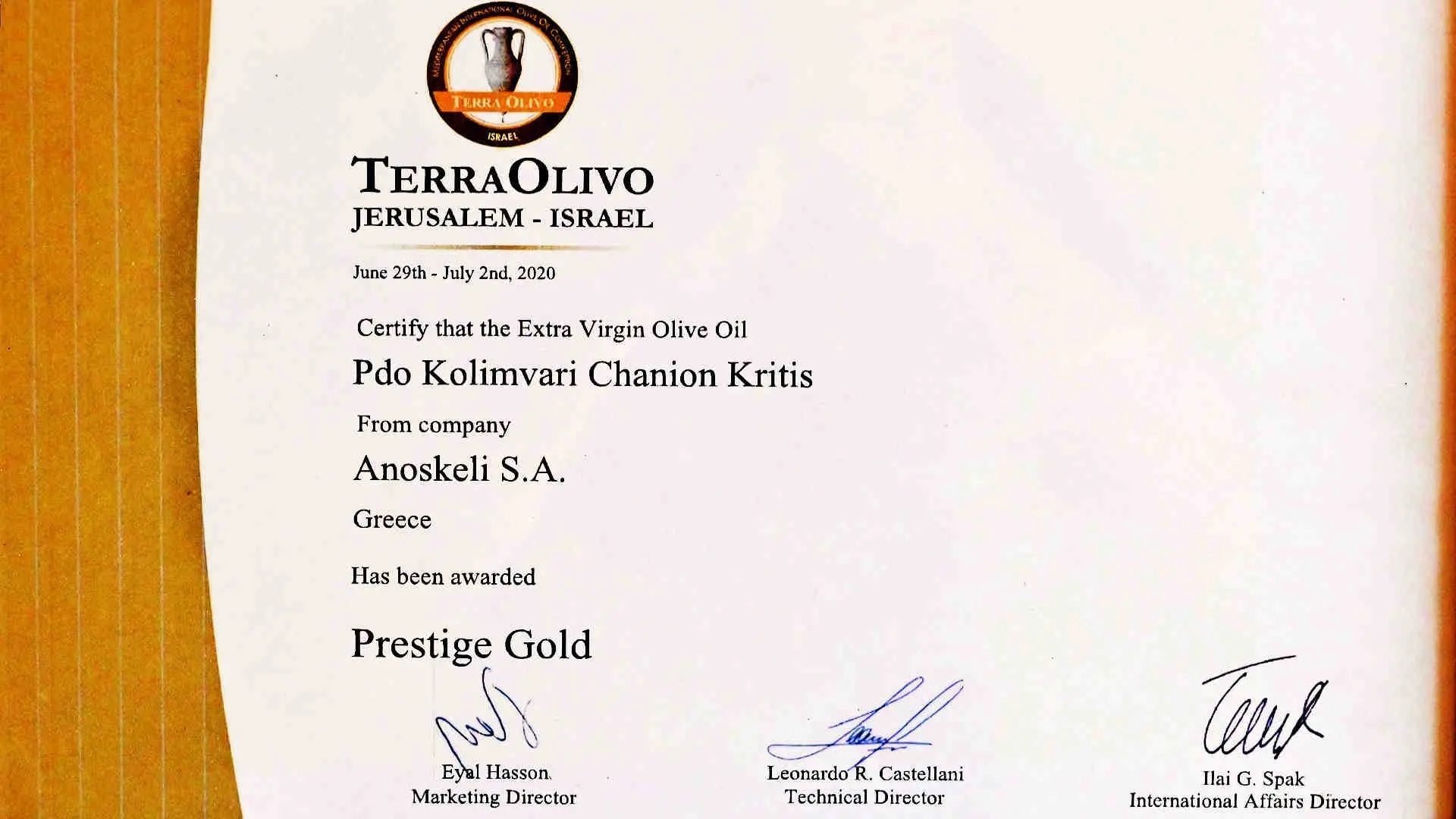
[swpm_protected format_protected_msg=”1″] The antioxidants found in olive oil slow down the natural aging of the human body. Therefore, the ingredient in many cosmetic products is olive oil. It is also used to regenerate skin cells. [/swpm_protected]


Source:
– Organic Facts. 11 Surprising Olive Oil Benefits.
– Clinical Trials. Olive Oil for Breast Cancer Prevention in Women at High Risk for Breast Cancer (Olive Oil). 18 February 2016. Verified September 2016 by Tejal Patel, MD, The Methodist Hospital System.
– California Olive Ranch. 6 February 2017. A healthy pantry: What makes extra virgin olive oil so good for us.
– Olive Oil Times. Special Report: Olive Oil Health Benefits.
– Dr Axe. Olive Oil Benefits for Your Heart & Brain.
– Gallbladder Cleanses With Olive Oil and Lemon. 18 A

Comment (0)